


Karachi's Architectural Jewels (Self Guided), Karachi
Despite the vague buildings throughout the city, Karachi is actually a region with a special cultural life. Karachi contains several sites which deserve the attention of tourists and local culture-loving habitants.
How it works: Download the app "GPSmyCity: Walks in 1K+ Cities" from Apple App Store or Google Play Store to your mobile phone or tablet. The app turns your mobile device into a personal tour guide. For US$14.99 per year (with a 3-day free trial), you get access to walking tours in 630+ cities worldwide for an entire year. In comparison, a guided tour often costs dozens of dollars per person for a single tour. The app works offline, so no data plan is needed when traveling abroad.
Download The GPSmyCity App



Karachi's Architectural Jewels Map
Guide Name: Karachi's Architectural Jewels
Guide Location: Pakistan » Karachi (See other walking tours in Karachi)
Guide Type: Self-guided Walking Tour (Sightseeing)
Tour Duration: 2 Hour(s)
Travel Distance: 3.6 Km or 2.2 Miles
Guide Location: Pakistan » Karachi (See other walking tours in Karachi)
Guide Type: Self-guided Walking Tour (Sightseeing)
Tour Duration: 2 Hour(s)
Travel Distance: 3.6 Km or 2.2 Miles
Sights Featured in This Walk

1) Frere Hall (must see)
Sight description based on Wikipedia.


3) Quaid-e-Azam House and Museum (must see)
Sight description based on Wikipedia.


5) National Academy of Performing Arts
Sight description based on Wikipedia.


8) National Museum of Pakistan (must see)
Sight description based on Wikipedia.

9) Dayaram Jethamal Science College
Sight description based on Wikipedia.

Walking Tours in Karachi, Pakistan

Create Your Own Walk in Karachi
Creating your own self-guided walk in Karachi is easy and fun. Choose the city attractions that you want to see and a walk route map will be created just for you. You can even set your hotel as the start point of the walk.
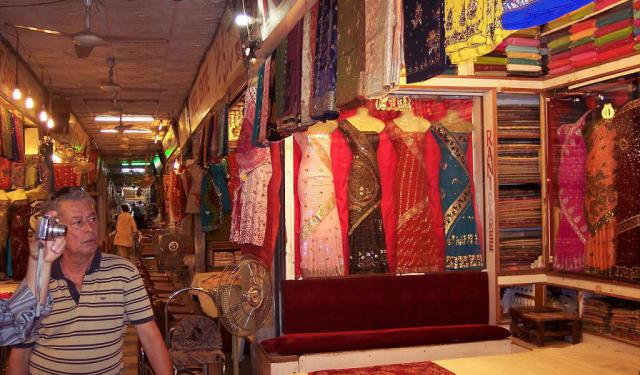
Shopping in Saddar
Karachi is city with a variety of shopping locations, yet its true charm lies in the bazaars (marketplaces). Karachi's most populated shopping area is Saddar. Saddar contains a large number of diverse markets and shops where people can find anything.
Tour Duration: 1 Hour(s)
Travel Distance: 1.7 Km or 1.1 Miles
Tour Duration: 1 Hour(s)
Travel Distance: 1.7 Km or 1.1 Miles
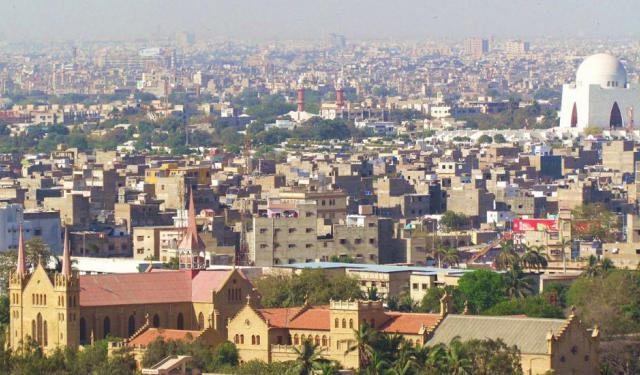
Karachi Downtown Walking Tour
Karachi is a huge, vibrant metropolis, one of Pakistan's most secular and socially liberal. The city boasts abundant and diverse architecture, comprising both contemporary and traditional Pakistani-style buildings, such as the Merewether Clock Tower and the National Museum of Pakistan. To explore these and other prominent sites of Karachi, follow this orientation walk.
Tour Duration: 3 Hour(s)
Travel Distance: 6.0 Km or 3.7 Miles
Tour Duration: 3 Hour(s)
Travel Distance: 6.0 Km or 3.7 Miles
The Most Popular Cities
/ view all