

Architectural Jewels Walking Tour (Self Guided), Brugge
Within its egg-shaped boundary, the historic town of Brugge holds a wealth of architectural treasures. Both medieval and more modern creations await you practically around every corner and are fit to enchant even the most discerning viewers.
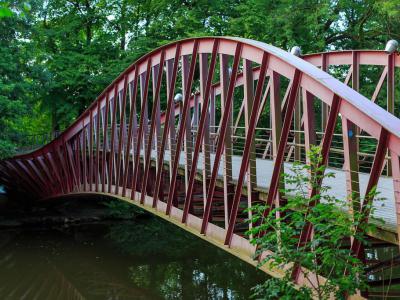
One such is a splendid piece of engineering called the Barge Bridge (Bargebrug). Its bright red and asymmetrical form makes it a charming spot and photo op.
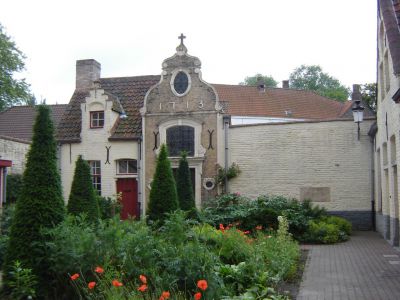
Another notable landmark is the De Vos Almshouse, a medieval charity complex built in the 15th century. Its distinctive façade showcases the Flemish Renaissance style, and the courtyard within offers a tranquil escape from the bustling streets.
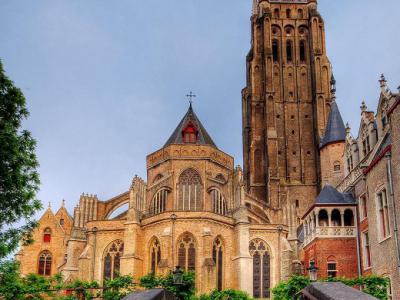
The Church of Our Lady is an iconic symbol of Brugge, known for its towering spire that dominates the skyline. This Gothic masterpiece houses Michelangelo's Madonna and Child sculpture, adding to its allure.
The Provost's House, further ahead, is a remarkable piece of Baroque, whose grandeur reflects the historical significance of the clergy in Brugge's past.
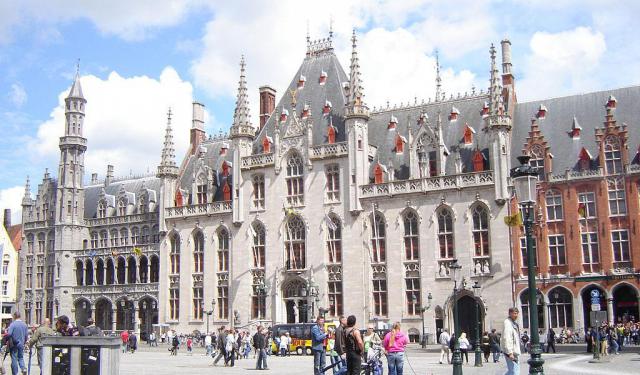
The Provincial Court (Provinciaal Hof), in turn, is a Neo-Gothic marvel and seat of the provincial government. Its stunning façade and intricate detailing make it a must-see for architecture buffs.
You can't pass without noticing the eye-catching Burgher's Lodge (or Poortersloge) either. Once a meeting place for the city's commercial elite, today it serves as an exhibition space for contemporary art.
The medieval mansion of Hof Bladelin exudes elegance and history. Its interior courtyard and Gothic features are a visual delight.
Finally, the Ezelpoort, or Donkey's Gate, is a medieval city gate that transports you back in time as you pass through it.
Brugge's architectural jewels can leave you in awe regardless of whether you're an architecture enthusiast or just a casual visitor. So, don't miss the opportunity to explore them up close and get yourself a deep and lasting impression of the city's beauty.
One such is a splendid piece of engineering called the Barge Bridge (Bargebrug). Its bright red and asymmetrical form makes it a charming spot and photo op.
Another notable landmark is the De Vos Almshouse, a medieval charity complex built in the 15th century. Its distinctive façade showcases the Flemish Renaissance style, and the courtyard within offers a tranquil escape from the bustling streets.
The Church of Our Lady is an iconic symbol of Brugge, known for its towering spire that dominates the skyline. This Gothic masterpiece houses Michelangelo's Madonna and Child sculpture, adding to its allure.
The Provost's House, further ahead, is a remarkable piece of Baroque, whose grandeur reflects the historical significance of the clergy in Brugge's past.
The Provincial Court (Provinciaal Hof), in turn, is a Neo-Gothic marvel and seat of the provincial government. Its stunning façade and intricate detailing make it a must-see for architecture buffs.
You can't pass without noticing the eye-catching Burgher's Lodge (or Poortersloge) either. Once a meeting place for the city's commercial elite, today it serves as an exhibition space for contemporary art.
The medieval mansion of Hof Bladelin exudes elegance and history. Its interior courtyard and Gothic features are a visual delight.
Finally, the Ezelpoort, or Donkey's Gate, is a medieval city gate that transports you back in time as you pass through it.
Brugge's architectural jewels can leave you in awe regardless of whether you're an architecture enthusiast or just a casual visitor. So, don't miss the opportunity to explore them up close and get yourself a deep and lasting impression of the city's beauty.
How it works: Download the app "GPSmyCity: Walks in 1K+ Cities" from Apple App Store or Google Play Store to your mobile phone or tablet. The app turns your mobile device into a personal tour guide and its built-in GPS navigation functions guide you from one tour stop to next. The app works offline, so no data plan is needed when traveling abroad.
Download The GPSmyCity App



Architectural Jewels Walking Tour Map
Guide Name: Architectural Jewels Walking Tour
Guide Location: Belgium » Brugge (See other walking tours in Brugge)
Guide Type: Self-guided Walking Tour (Sightseeing)
Tour Duration: 2 Hour(s)
Travel Distance: 3.0 Km or 1.9 Miles
Guide Location: Belgium » Brugge (See other walking tours in Brugge)
Guide Type: Self-guided Walking Tour (Sightseeing)
Tour Duration: 2 Hour(s)
Travel Distance: 3.0 Km or 1.9 Miles
Sights Featured in This Walk


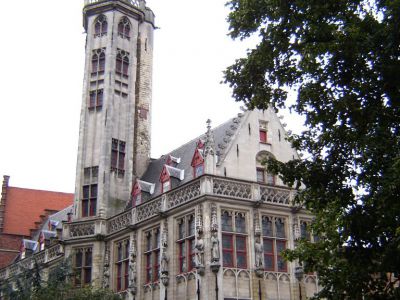


Walking Tours in Brugge, Belgium

Create Your Own Walk in Brugge
Creating your own self-guided walk in Brugge is easy and fun. Choose the city attractions that you want to see and a walk route map will be created just for you. You can even set your hotel as the start point of the walk.
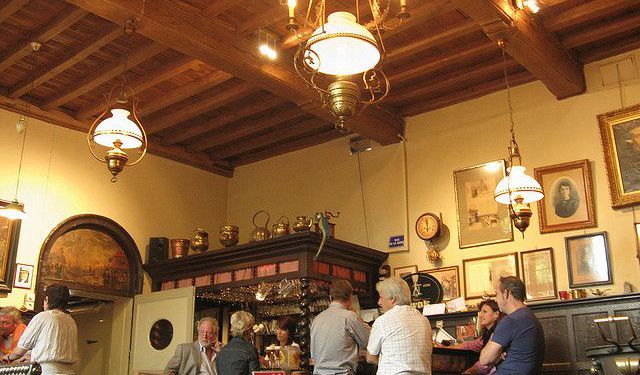
Brugge Beer Tour
The Land of Beer that is Belgium, where each corner calls to you alluringly, has long welcomed thirsty visitors from all over the world. Of all the Belgian destinations, the medieval city of Brugge is a perfect place to promote one of the country’s most important and best-known exports. Back in the 15th century, at the peak of its commercial might, the city boasted over 50 working breweries... view more
Tour Duration: 1 Hour(s)
Travel Distance: 1.7 Km or 1.1 Miles
Tour Duration: 1 Hour(s)
Travel Distance: 1.7 Km or 1.1 Miles
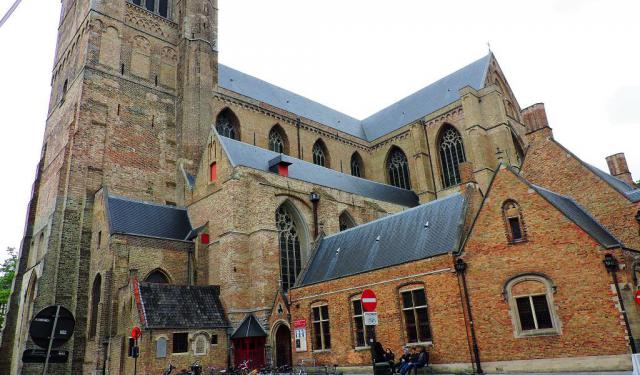
Historical Churches Tour
It's not much of a secret that some of the world's most beautiful churches are found in Brugge. Renowned for its medieval architecture and picturesque canals, this Belgian city is home to several historical temples, adding a great deal of charm to its tapestry.
The Begijnhof, also known as the Beguinage Houses, is a tranquil place and a UNESCO World Heritage Site. Built in the 13th... view more
Tour Duration: 1 Hour(s)
Travel Distance: 2.7 Km or 1.7 Miles
The Begijnhof, also known as the Beguinage Houses, is a tranquil place and a UNESCO World Heritage Site. Built in the 13th... view more
Tour Duration: 1 Hour(s)
Travel Distance: 2.7 Km or 1.7 Miles
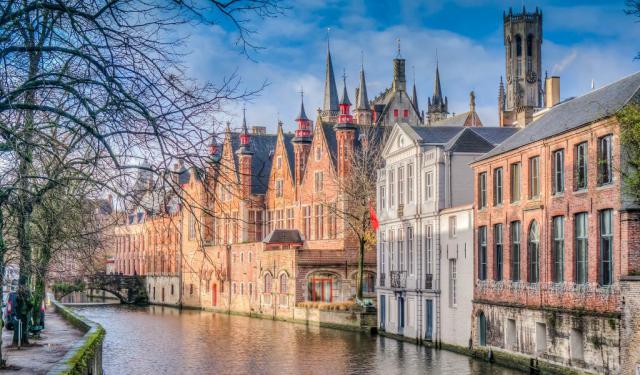
Brugge Introduction Walking Tour
The capital of Belgium's West Flanders province, Brugge is a fascinating city, distinguished by its canals, cobbled streets and historic architecture. Sometimes referred to as the Venice of the North, this is one of the best-preserved medieval cities in Europe – dating back over a millennium – with a history richer and longer than that of Belgium itself (established since 1830).
... view more
Tour Duration: 2 Hour(s)
Travel Distance: 2.5 Km or 1.6 Miles
... view more
Tour Duration: 2 Hour(s)
Travel Distance: 2.5 Km or 1.6 Miles
The Most Popular Cities
/ view all