

Audio Guide: Bristol Introduction Walking Tour (Self Guided), Bristol
If you listen closely, Bristol doesn’t just speak-it mutters, shouts, and occasionally winks. This southwest city in England has been shaping itself for over a thousand years, starting as a settlement where the rivers Frome and Avon meet. Long before that, the surrounding hills hid Iron Age hillforts and Roman villas. Its name, Brycgstow in Old English, meant “place at the bridge”-a practical label that eventually wore down into the more relaxed “Bristol.”
By 1155, Bristol had a royal charter in its pocket and was raking in some of the highest tax revenues in England. Maritime trade was its bread and butter, with ventures like John Cabot’s 1497 voyage setting sail from its docks. Of course, not all chapters are easy to read-between 1700 and 1807, much of Bristol’s wealth was built on the transatlantic slave trade, a past the city now confronts in public conversation and memorial.
The 19th century brought both setbacks and growth: new suburbs, fresh architectural styles, and stiff competition from other ports, like Liverpool. The 20th century threw in bomb damage during World War II, followed by major redevelopment, and a shifting industrial base. In recent years, Bristol has been making headlines for a different reason-its commitment to sustainability, earning a reputation as Britain’s greenest city.
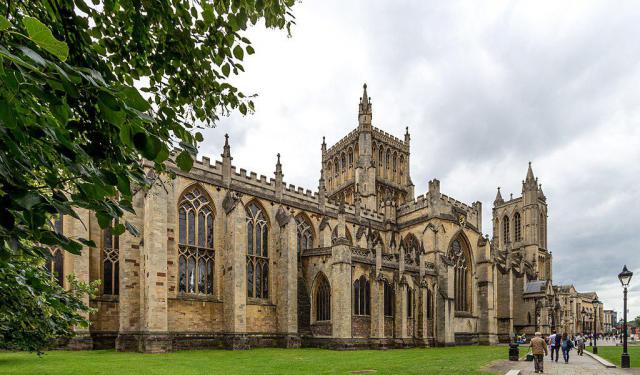
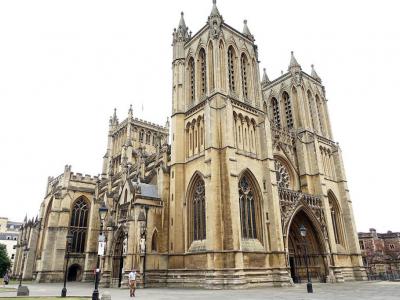
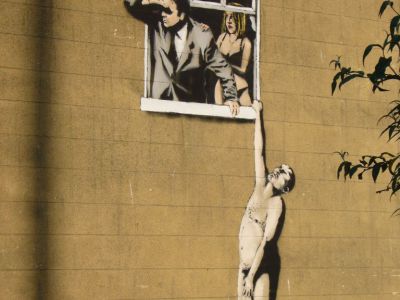
Among its landmarks, Bristol Cathedral stands with layered personality-Norman bones, Gothic arches, and Victorian refinements. Next door, College Green offers a patch of calm for lunch breaks and lazy afternoons. Then there’s Banksy, the city’s most famous anonymous painter, whose Well Hung Lover mural still manages to surprise even those who have passed it a hundred times.
Down by the water, Bristol Harbourside has swapped cargo cranes for culture. The old dockyard now hums with museums, cafés, galleries, and street performers, where maritime history rubs shoulders with craft beer and contemporary art.
Bristol isn’t one to be taken in at a glance. To get it, you have to walk it, taste it, and let its contradictions sink in-ancient and modern, grand and irreverent. Come see how a “place at the bridge” became a bridge between centuries.
By 1155, Bristol had a royal charter in its pocket and was raking in some of the highest tax revenues in England. Maritime trade was its bread and butter, with ventures like John Cabot’s 1497 voyage setting sail from its docks. Of course, not all chapters are easy to read-between 1700 and 1807, much of Bristol’s wealth was built on the transatlantic slave trade, a past the city now confronts in public conversation and memorial.
The 19th century brought both setbacks and growth: new suburbs, fresh architectural styles, and stiff competition from other ports, like Liverpool. The 20th century threw in bomb damage during World War II, followed by major redevelopment, and a shifting industrial base. In recent years, Bristol has been making headlines for a different reason-its commitment to sustainability, earning a reputation as Britain’s greenest city.
Among its landmarks, Bristol Cathedral stands with layered personality-Norman bones, Gothic arches, and Victorian refinements. Next door, College Green offers a patch of calm for lunch breaks and lazy afternoons. Then there’s Banksy, the city’s most famous anonymous painter, whose Well Hung Lover mural still manages to surprise even those who have passed it a hundred times.
Down by the water, Bristol Harbourside has swapped cargo cranes for culture. The old dockyard now hums with museums, cafés, galleries, and street performers, where maritime history rubs shoulders with craft beer and contemporary art.
Bristol isn’t one to be taken in at a glance. To get it, you have to walk it, taste it, and let its contradictions sink in-ancient and modern, grand and irreverent. Come see how a “place at the bridge” became a bridge between centuries.
How it works: Download the app "GPSmyCity: Walks in 1K+ Cities" from Apple App Store or Google Play Store to your mobile phone or tablet. The app turns your mobile device into a personal tour guide and its built-in GPS navigation functions guide you from one tour stop to next. The app works offline, so no data plan is needed when traveling abroad.
Download The GPSmyCity App



Bristol Introduction Walking Tour Map
Guide Name: Bristol Introduction Walking Tour
Guide Location: England » Bristol (See other walking tours in Bristol)
Guide Type: Self-guided Walking Tour (Sightseeing)
Tour Duration: 2 Hour(s)
Travel Distance: 3.4 Km or 2.1 Miles
Guide Location: England » Bristol (See other walking tours in Bristol)
Guide Type: Self-guided Walking Tour (Sightseeing)
Tour Duration: 2 Hour(s)
Travel Distance: 3.4 Km or 2.1 Miles
Sights Featured in This Walk
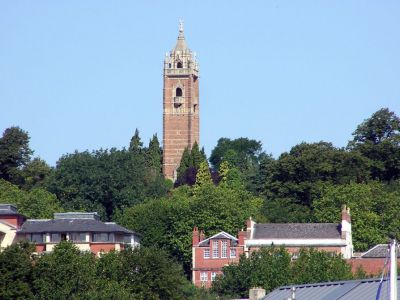
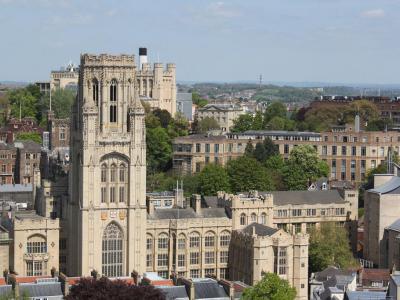
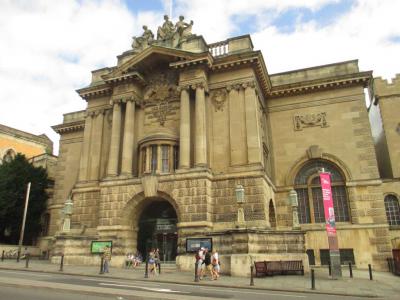
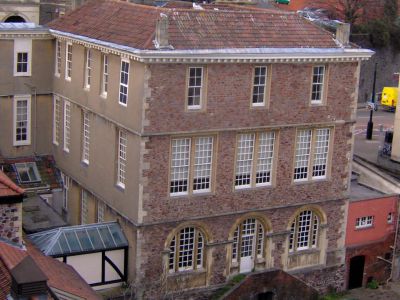

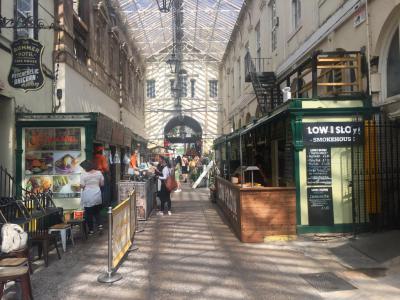
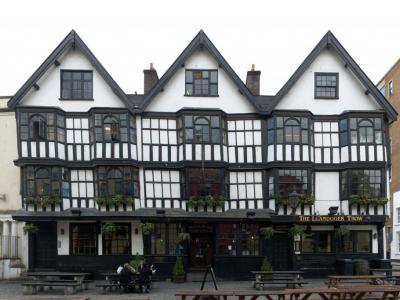
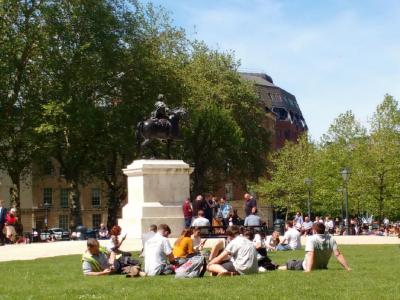
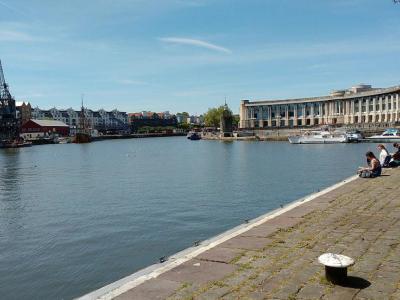
Walking Tours in Bristol, England

Create Your Own Walk in Bristol
Creating your own self-guided walk in Bristol is easy and fun. Choose the city attractions that you want to see and a walk route map will be created just for you. You can even set your hotel as the start point of the walk.
Banksy Tour in Bristol
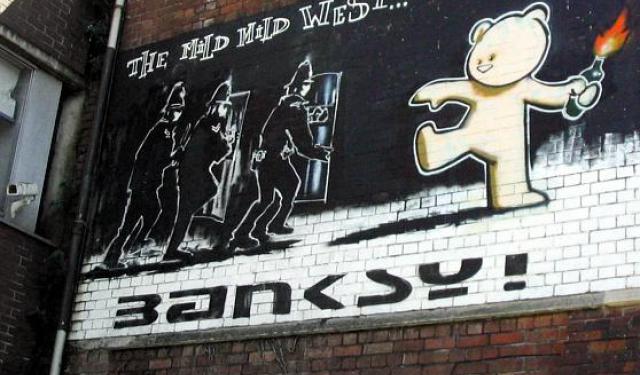
Bristol wears its street art like a second skin-layered, loud, and impossible to ignore. In the middle of this visual conversation is a figure who went from spray-painting in the shadows to shaping the way the world looks at graffiti: Banksy. Growing up here in the 1970s, he first made his mark in the late ’80s and early ’90s with crews like the DryBreadZ Crew, working freehand under cover of... view more
Tour Duration: 3 Hour(s)
Travel Distance: 6.9 Km or 4.3 Miles
Tour Duration: 3 Hour(s)
Travel Distance: 6.9 Km or 4.3 Miles
Famous Bristol Statues Walking Tour
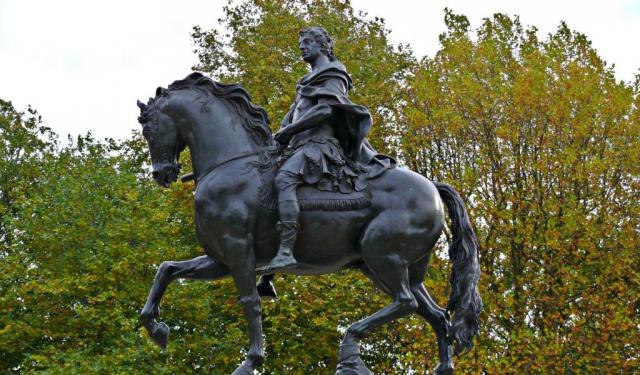
Throughout its more than 1,000-year-long history, Bristol, England, has generated a wealth of cultural and historical heritage. Reflecting it now, and in some way matching it too, are a number of statues that celebrate personalities who made their mark and once graced the city with their association. These statues are scattered throughout the city, each with its unique story and importance.
The... view more
Tour Duration: 2 Hour(s)
Travel Distance: 2.6 Km or 1.6 Miles
The... view more
Tour Duration: 2 Hour(s)
Travel Distance: 2.6 Km or 1.6 Miles
The Most Popular Cities
/ view all