Brooklyn New York Walking Tour (Self Guided), New York
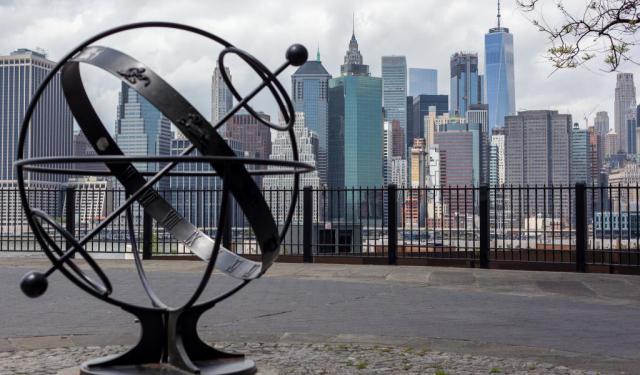
Named after the Breukelen village in the Netherlands, Brooklyn, one of New York City’s five boroughs, occupies the western tip of Long Island. Its history began in the 17th century as a small Dutch settlement on the East River shore; Brooklyn Heights, or Clover Hill, is where the village was founded, in 1646.
By the 19th century, Brooklyn had grown into a sizable town. The iconic Brooklyn Bridge, completed in 1883, ensured that transportation to and from the neighboring Manhattan was no longer by water only, and thus strengthened ties between Brooklyn and New York City. So much so it did, in fact, that in 1898 the town was consolidated with NYC. Following the merger, Kings County became the Borough of Brooklyn, and the City Hall of the formerly independent Brooklyn became Brooklyn Borough Hall.
These days, the borough is known primarily for its ethnic diversity and distinct culture. Many local neighborhoods are ethnic enclaves, and Brooklyn's official motto, displayed on the borough seal and flag, is Eendraght Maeckt Maght, which translates from early modern Dutch as "Unity makes strength."
In the first decades of the 21st century, Brooklyn has experienced a renaissance as a destination for hipsters, with concomitant gentrification. Since the 2010s, the area has evolved into a thriving hub of entrepreneurship, postmodern art and design, and today abounds in a variety of recreational, cultural and historic attractions, such as the sprawling Dekalb Market Hall, the popular New York Transit Museum, or the Brooklyn Heights Promenade.
If you wish to get a detailed view of Brooklyn and its key attractions, follow this self-guided walking tour and explore at your own pace.
By the 19th century, Brooklyn had grown into a sizable town. The iconic Brooklyn Bridge, completed in 1883, ensured that transportation to and from the neighboring Manhattan was no longer by water only, and thus strengthened ties between Brooklyn and New York City. So much so it did, in fact, that in 1898 the town was consolidated with NYC. Following the merger, Kings County became the Borough of Brooklyn, and the City Hall of the formerly independent Brooklyn became Brooklyn Borough Hall.
These days, the borough is known primarily for its ethnic diversity and distinct culture. Many local neighborhoods are ethnic enclaves, and Brooklyn's official motto, displayed on the borough seal and flag, is Eendraght Maeckt Maght, which translates from early modern Dutch as "Unity makes strength."
In the first decades of the 21st century, Brooklyn has experienced a renaissance as a destination for hipsters, with concomitant gentrification. Since the 2010s, the area has evolved into a thriving hub of entrepreneurship, postmodern art and design, and today abounds in a variety of recreational, cultural and historic attractions, such as the sprawling Dekalb Market Hall, the popular New York Transit Museum, or the Brooklyn Heights Promenade.
If you wish to get a detailed view of Brooklyn and its key attractions, follow this self-guided walking tour and explore at your own pace.
How it works: Download the app "GPSmyCity: Walks in 1K+ Cities" from Apple App Store or Google Play Store to your mobile phone or tablet. The app turns your mobile device into a personal tour guide and its built-in GPS navigation functions guide you from one tour stop to next. The app works offline, so no data plan is needed when traveling abroad.
Download The GPSmyCity App



Brooklyn New York Walking Tour Map
Guide Name: Brooklyn New York Walking Tour
Guide Location: USA » New York (See other walking tours in New York)
Guide Type: Self-guided Walking Tour (Sightseeing)
# of Attractions: 6
Tour Duration: 2 Hour(s)
Travel Distance: 3.9 Km or 2.4 Miles
Author: doris
Sight(s) Featured in This Guide:
Guide Location: USA » New York (See other walking tours in New York)
Guide Type: Self-guided Walking Tour (Sightseeing)
# of Attractions: 6
Tour Duration: 2 Hour(s)
Travel Distance: 3.9 Km or 2.4 Miles
Author: doris
Sight(s) Featured in This Guide:
- Brooklyn Bridge
- Plymouth Church
- Brooklyn Heights Promenade
- Brooklyn Borough Hall
- New York Transit Museum
- Dekalb Market Hall at Brooklyn Downtown
1) Brooklyn Bridge (must see)
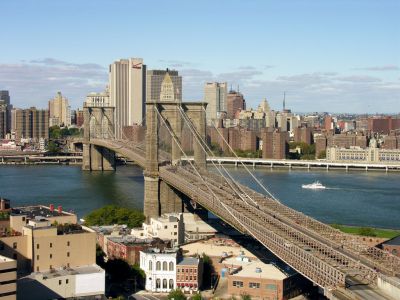
The Brooklyn Bridge is a suspension bridge crossing the East River from Brooklyn to Manhattan in New York City. Since its construction, the bridge has become an icon of New York City, an outstanding architectural effort that is still admired across the world. The Brooklyn Bridge was designated a National Historic Landmark in 1964 and a National Historic Civil Engineering Landmark in 1972.
There had been proposals for a bridge connecting Brooklyn to Manhattan as early as the beginning of the 19th century. The Brooklyn Bridge was designed by civil engineer John Augustus Roebling. His son, Washington Roebling, was the chief engineer of the project. Construction began in 1869 and was completed in 1883. The bridge’s opening day, May 24, 1883, was marked by much celebration and was attended by the President of the United States Chester Alan Arthur.
The bridge is an early steel-wire suspension bridge. It has a cable-stayed suspension design fitted with vertical and diagonal suspender cables. Its huge stone towers have Neo-Gothic pointed arches. Clearance for shipping on the river is provided by viaducts with long approaches that raise the bridge well above the surface.
The main span between towers is almost 2,000 feet long. The bridge stretches and contracts up to 16 inches with temperature changes. Navigation clearance is 127 feet above high water. The spans are held up by six trusses parallel to the roadway. The trusses are carried by suspender ropes hanging from the four main cables.
A distinctive feature of the Brooklyn Bridge is an elevated promenade 18 feet above the automobile lanes. The promenade has a white line down the middle to separate cyclists from walkers. A stroll across the elevated pedestrian walkway provides a true New York City experience.
There had been proposals for a bridge connecting Brooklyn to Manhattan as early as the beginning of the 19th century. The Brooklyn Bridge was designed by civil engineer John Augustus Roebling. His son, Washington Roebling, was the chief engineer of the project. Construction began in 1869 and was completed in 1883. The bridge’s opening day, May 24, 1883, was marked by much celebration and was attended by the President of the United States Chester Alan Arthur.
The bridge is an early steel-wire suspension bridge. It has a cable-stayed suspension design fitted with vertical and diagonal suspender cables. Its huge stone towers have Neo-Gothic pointed arches. Clearance for shipping on the river is provided by viaducts with long approaches that raise the bridge well above the surface.
The main span between towers is almost 2,000 feet long. The bridge stretches and contracts up to 16 inches with temperature changes. Navigation clearance is 127 feet above high water. The spans are held up by six trusses parallel to the roadway. The trusses are carried by suspender ropes hanging from the four main cables.
A distinctive feature of the Brooklyn Bridge is an elevated promenade 18 feet above the automobile lanes. The promenade has a white line down the middle to separate cyclists from walkers. A stroll across the elevated pedestrian walkway provides a true New York City experience.
2) Plymouth Church
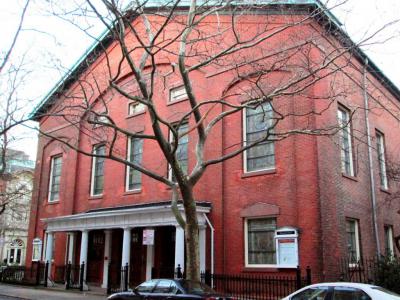
Plymouth Church is an historic church is located in the Brooklyn Heights neighborhood of Brooklyn. The church was built in 1849–50 and was designed by Joseph C. Wells. Under the leadership of its first minister, Henry Ward Beecher, it became the foremost center of anti-slavery sentiment in the mid-19th century. It has been listed on the National Register of Historic Places since 1961, and has been a National Historic Landmark since 1966. It is part of the Brooklyn Heights Historic District, created by the New York City Landmarks Preservation Commission in 1965.
Plymouth Church was founded in 1847 by 21 transplanted New Englanders, who were part of a circle centered around the wealthy evangelical merchants Arthur and Lewis Tappan. The site where the church building would be located was purchased from the First Presbyterian Church, which had been worshipping there since 1822, but which needed more space. It moved to a new site on Henry Street, a few blocks away.
Plymouth Church's first pastor was Henry Ward Beecher, who became a leading figure in the abolitionist movement. His sister was Harriet Beecher Stowe, noted today as the author of the anti-slavery novel Uncle Tom's Cabin. The church itself became an important station on the Underground Railroad through which slaves from the South were secretly transported to Canada. Locally known as "the Grand Central Depot," slaves were hidden in the tunnel-like basement beneath the church sanctuary.
In October 1859, the church offered Abraham Lincoln $200 for coming to Brooklyn and giving a lecture to the congregation. Lincoln accepted the invitation, traveled to Brooklyn and participate in church service on Sunday, February 26. Today a plaque marks the pew where Lincoln attended the service. Lincoln gave his famous anti-slavery speech before a capacity crowd of 1,500 on February 27, 1860, more than eight months before he was elected President.
Built in 1849–50, Plymouth Church is an example of 19th century urban tabernacle architecture with Italianate and colonial motifs. Its layout, influenced by the Broadway Tabernacle in Manhattan, was designed by Joseph C. Wells – who was later one of the founders of the American Institute of Architects. The barn-like church building, with its pews arranged in an arc before the pulpit, resemble more an auditorium or theater than what had traditionally been considered a church. This open design was adopted by many evangelical Protestant churches throughout the United States in the second half of the 19th century.
Plymouth Church was founded in 1847 by 21 transplanted New Englanders, who were part of a circle centered around the wealthy evangelical merchants Arthur and Lewis Tappan. The site where the church building would be located was purchased from the First Presbyterian Church, which had been worshipping there since 1822, but which needed more space. It moved to a new site on Henry Street, a few blocks away.
Plymouth Church's first pastor was Henry Ward Beecher, who became a leading figure in the abolitionist movement. His sister was Harriet Beecher Stowe, noted today as the author of the anti-slavery novel Uncle Tom's Cabin. The church itself became an important station on the Underground Railroad through which slaves from the South were secretly transported to Canada. Locally known as "the Grand Central Depot," slaves were hidden in the tunnel-like basement beneath the church sanctuary.
In October 1859, the church offered Abraham Lincoln $200 for coming to Brooklyn and giving a lecture to the congregation. Lincoln accepted the invitation, traveled to Brooklyn and participate in church service on Sunday, February 26. Today a plaque marks the pew where Lincoln attended the service. Lincoln gave his famous anti-slavery speech before a capacity crowd of 1,500 on February 27, 1860, more than eight months before he was elected President.
Built in 1849–50, Plymouth Church is an example of 19th century urban tabernacle architecture with Italianate and colonial motifs. Its layout, influenced by the Broadway Tabernacle in Manhattan, was designed by Joseph C. Wells – who was later one of the founders of the American Institute of Architects. The barn-like church building, with its pews arranged in an arc before the pulpit, resemble more an auditorium or theater than what had traditionally been considered a church. This open design was adopted by many evangelical Protestant churches throughout the United States in the second half of the 19th century.
Sight description based on Wikipedia.
3) Brooklyn Heights Promenade
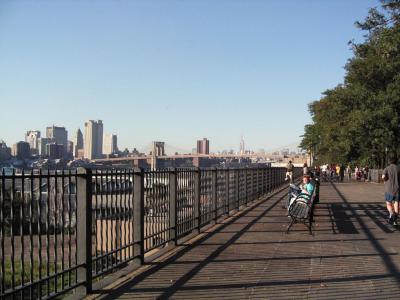
If you’re looking for different and uncommon – but picture-perfect – views of the Manhattan skyline, the East River, and the Brooklyn Bridge, don’t hesitate to head off to this area. Easily the most scenic spot in Brooklyn, the Promenade also overlooks Brooklyn Bridge Park, which offers an additional destination to relax and appreciate the vantage points along the waterfront.
The pedestrian walkway stretches nearly two thousand feet, and while much of it is a flat, elevated platform, it actually consists of four stories. Despite the somewhat confusing topography, the Esplanade is certainly walkable.
There are several benches lining the path, and people make good use of them, whether they're reading, conversing over coffee with a friend, or just sitting and enjoying the view.
Oddly, although the Promenade is built over the Brooklyn-Queens Expressway, the noise doesn't ruin the calm, reflective atmosphere. If anything, it's a reminder that these peaceful places exist amid the hustle and bustle of everyday life in New York City.
The pedestrian walkway stretches nearly two thousand feet, and while much of it is a flat, elevated platform, it actually consists of four stories. Despite the somewhat confusing topography, the Esplanade is certainly walkable.
There are several benches lining the path, and people make good use of them, whether they're reading, conversing over coffee with a friend, or just sitting and enjoying the view.
Oddly, although the Promenade is built over the Brooklyn-Queens Expressway, the noise doesn't ruin the calm, reflective atmosphere. If anything, it's a reminder that these peaceful places exist amid the hustle and bustle of everyday life in New York City.
4) Brooklyn Borough Hall
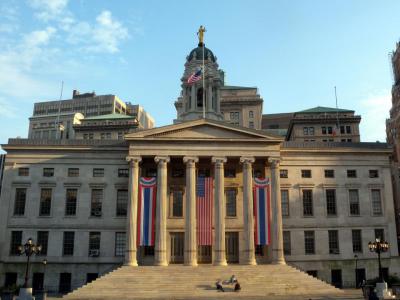
Brooklyn Borough Hall, originally serving as the City Hall, now serves as the office of the Brooklyn Borough President and stands as the oldest public building in Brooklyn. It housed various government functions, including the Mayor's office, City Council, courtroom, and even a jail—a common feature of early 19th-century city halls that consolidated all municipal operations under one roof.
Designed by the esteemed architect Gamaliel King, a prominent figure in Brooklyn's civic and ecclesiastical architectural landscape of the 19th century, the building holds significant historical and architectural value. King's illustrious career began in the 1820s, during which he crafted some of the borough's most splendid churches, such as the enduring 12th Street Reformed Church (1868) in Park Slope.
With its imposing Greek Revival style and exterior adorned in Tuckahoe marble, Brooklyn Borough Hall stands as a monumental government edifice and serves as the vibrant hub of Brooklyn's Civic Center. In the 1980s, an ambitious restoration project was undertaken to address the considerable decay that had affected the exterior over the years. This endeavor, which earned accolades, involved stone work restoration, the replacement of copper shingles on the cupola, the installation of stainless steel cladding on the main roof, and the meticulous repair of the clock and tower elements. The bronze statue of Virtue, originally intended as part of the building's design but not initially included, was crafted based on historical drawings and documents. Additionally, site improvements included raising the plaza by two feet, installing an ornamental iron fence around the building, and adding historic lighting fixtures along the street.
Brooklyn Borough Hall stands not only as a testament to the borough's rich history but also as a symbol of its civic identity. Its restoration efforts have ensured the preservation of this architectural gem for generations to come.
Designed by the esteemed architect Gamaliel King, a prominent figure in Brooklyn's civic and ecclesiastical architectural landscape of the 19th century, the building holds significant historical and architectural value. King's illustrious career began in the 1820s, during which he crafted some of the borough's most splendid churches, such as the enduring 12th Street Reformed Church (1868) in Park Slope.
With its imposing Greek Revival style and exterior adorned in Tuckahoe marble, Brooklyn Borough Hall stands as a monumental government edifice and serves as the vibrant hub of Brooklyn's Civic Center. In the 1980s, an ambitious restoration project was undertaken to address the considerable decay that had affected the exterior over the years. This endeavor, which earned accolades, involved stone work restoration, the replacement of copper shingles on the cupola, the installation of stainless steel cladding on the main roof, and the meticulous repair of the clock and tower elements. The bronze statue of Virtue, originally intended as part of the building's design but not initially included, was crafted based on historical drawings and documents. Additionally, site improvements included raising the plaza by two feet, installing an ornamental iron fence around the building, and adding historic lighting fixtures along the street.
Brooklyn Borough Hall stands not only as a testament to the borough's rich history but also as a symbol of its civic identity. Its restoration efforts have ensured the preservation of this architectural gem for generations to come.
5) New York Transit Museum
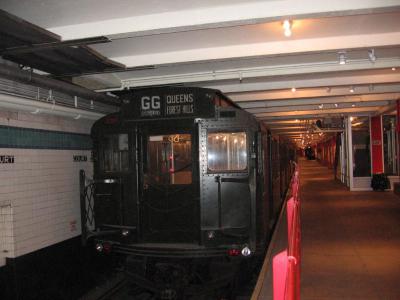
The New York (aka NYC) Transit Museum on – or rather under – Schermerhorn Street in Downtown Brooklyn is dedicated to the history of New York's transport system, and is located in an actual subway station – Court Street – currently decommissioned, in Brooklyn Heights on the Fulton Street Line. The museum displays historical artifacts of the New York City Subway, bus, and commuter rail systems in the greater New York City metropolitan region.
On July 4, 1976, the New York City Transit Exhibit was opened as part of the United States Bicentennial celebration, featuring old subway cars which had been preserved, as well as models and other exhibits. Originally planned to run until September 7 of that year, the venue proved so popular that it remained open and eventually became a permanent museum.
As you head down the stairs into the beautifully renovated 1936 underground station, you'll be met with an incredible array of vintage subway cars, exhibitions about the underground tunnel systems and the people who built them, plus antique street-level buses and trolleys. There are also fascinating displays of ticket machines, fire hydrants, and signage.
The museum's mezzanine (upper) level contains the majority of the exhibits, restrooms, water fountains, a gift shop, and a dining space for visitors who have brought their own food or drink (none is for sale onsite). Artifacts from historic subway and bus operations, as well as NYC transportation infrastructure, are on display. The exhibits on the upper level are changed from time to time. In addition, there is a small presentation screening room which usually displays posters and videos for public education about courtesy and safety, including examples from other transit systems around the world.
Tip:
If your visit to Downtown Brooklyn falls between Thanksgiving and New Year, don't miss the Nostalgia Train and taking a ride on one of the vintage, but fully operational, 1930 R1/9 cars through nine stops on the subway system.
On July 4, 1976, the New York City Transit Exhibit was opened as part of the United States Bicentennial celebration, featuring old subway cars which had been preserved, as well as models and other exhibits. Originally planned to run until September 7 of that year, the venue proved so popular that it remained open and eventually became a permanent museum.
As you head down the stairs into the beautifully renovated 1936 underground station, you'll be met with an incredible array of vintage subway cars, exhibitions about the underground tunnel systems and the people who built them, plus antique street-level buses and trolleys. There are also fascinating displays of ticket machines, fire hydrants, and signage.
The museum's mezzanine (upper) level contains the majority of the exhibits, restrooms, water fountains, a gift shop, and a dining space for visitors who have brought their own food or drink (none is for sale onsite). Artifacts from historic subway and bus operations, as well as NYC transportation infrastructure, are on display. The exhibits on the upper level are changed from time to time. In addition, there is a small presentation screening room which usually displays posters and videos for public education about courtesy and safety, including examples from other transit systems around the world.
Tip:
If your visit to Downtown Brooklyn falls between Thanksgiving and New Year, don't miss the Nostalgia Train and taking a ride on one of the vintage, but fully operational, 1930 R1/9 cars through nine stops on the subway system.
Sight description based on Wikipedia.
6) Dekalb Market Hall at Brooklyn Downtown
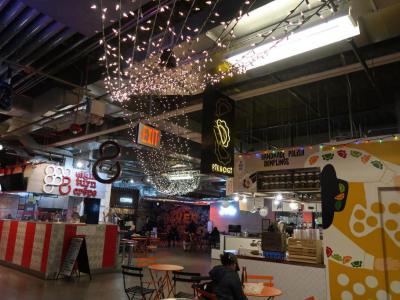
Brooklyn's own version of the Chelsea market (albeit somewhat smaller), DeKalb Market Hall is a new major addition to the culinary map of the United States fit to beat all the other food markets out there hands down. Located in the City Point development in downtown Brooklyn, DeKalb houses an array of local and regional food outposts serving so many different cuisines that you'd be struggling to know where to begin.
Want a jerk chicken? – done; steam buns? – you're covered; pierogi and kielbasa? – just like they make it back in Poland; and that’s just to start. With more than 40 trendy and delicious places under one roof, you simply can’t go wrong at DeKalb! There are Asian vendors selling ramen, noodles and everything in between, a bakery, a great bar selling craft beer on a tap and in cans, many dessert places, a BBQ, Hawaiin comfort food, a cheesebar, a creamery, hamburgers, you name it. They even have a Katz's Delicatessen here saving you the trouble visiting their iconic, crazy-busy original Lower East Side location if you want.
As an extra bonus, there's even a Trader Joe's to go shopping at afterwards – very convenient! And what's more, DeKalb also hosts daily entertainment and programming, with a custom show kitchen and a stage for live concerts which only adds to the great vibe. The place isn't too brightly lit, has a perfect size (quite big actually!) and has other sit down restaurants (and even a Whole Foods Market!) at the edges, plus communal seating areas, chairs, tables and benches all around. The food and the atmosphere are great, and there literally is something for everyone – meat lovers, vegetarians, vegans alike. Visit here, you won't regret!
Want a jerk chicken? – done; steam buns? – you're covered; pierogi and kielbasa? – just like they make it back in Poland; and that’s just to start. With more than 40 trendy and delicious places under one roof, you simply can’t go wrong at DeKalb! There are Asian vendors selling ramen, noodles and everything in between, a bakery, a great bar selling craft beer on a tap and in cans, many dessert places, a BBQ, Hawaiin comfort food, a cheesebar, a creamery, hamburgers, you name it. They even have a Katz's Delicatessen here saving you the trouble visiting their iconic, crazy-busy original Lower East Side location if you want.
As an extra bonus, there's even a Trader Joe's to go shopping at afterwards – very convenient! And what's more, DeKalb also hosts daily entertainment and programming, with a custom show kitchen and a stage for live concerts which only adds to the great vibe. The place isn't too brightly lit, has a perfect size (quite big actually!) and has other sit down restaurants (and even a Whole Foods Market!) at the edges, plus communal seating areas, chairs, tables and benches all around. The food and the atmosphere are great, and there literally is something for everyone – meat lovers, vegetarians, vegans alike. Visit here, you won't regret!
Walking Tours in New York, New York

Create Your Own Walk in New York
Creating your own self-guided walk in New York is easy and fun. Choose the city attractions that you want to see and a walk route map will be created just for you. You can even set your hotel as the start point of the walk.
Best of Lower Manhattan Walking Tour
Every part of Manhattan is terrific, but if you are looking for one that showcases the best overview of New York City’s history and architectural styles, it’s Lower Manhattan. This is where it all started, where New Amsterdam was founded, where Canal Street used to be a canal, and where Wall Street used to be a wall marking the end of town. It’s also where the city has seen the most tragedy,... view more
Tour Duration: 2 Hour(s)
Travel Distance: 3.1 Km or 1.9 Miles
Tour Duration: 2 Hour(s)
Travel Distance: 3.1 Km or 1.9 Miles

Midtown Manhattan Shopping Tour
Midtown Manhattan, alongside other things, is also the shopping hub for New York City. Attesting to this are the ever-busy Times Square and Rockefeller Center areas replete with designer goods offerings and street vendors at every corner.
The famed Fifth Avenue has long been synonymous with a shopper's paradise where you can find every kind of store imaginable, ranging from the affordable... view more
Tour Duration: 2 Hour(s)
Travel Distance: 3.0 Km or 1.9 Miles
The famed Fifth Avenue has long been synonymous with a shopper's paradise where you can find every kind of store imaginable, ranging from the affordable... view more
Tour Duration: 2 Hour(s)
Travel Distance: 3.0 Km or 1.9 Miles
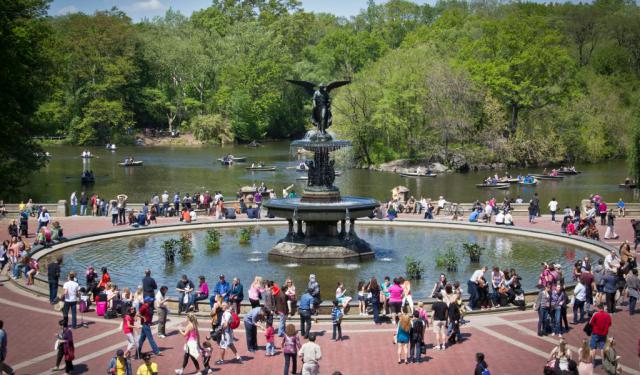
New York's Central Park Walking Tour
Arguably the most famous public park in the world today, Central Park has been called the lungs of New York City – literally “central”, it is where Manhattanites go to get a sense of space and air. Plan for at least half a day to wander along its many pathways, take a rowboat on the water, enjoy the landscaping and the numerous man-made wonders, spend some time at the zoo or bring a pair of... view more
Tour Duration: 3 Hour(s)
Travel Distance: 4.6 Km or 2.9 Miles
Tour Duration: 3 Hour(s)
Travel Distance: 4.6 Km or 2.9 Miles
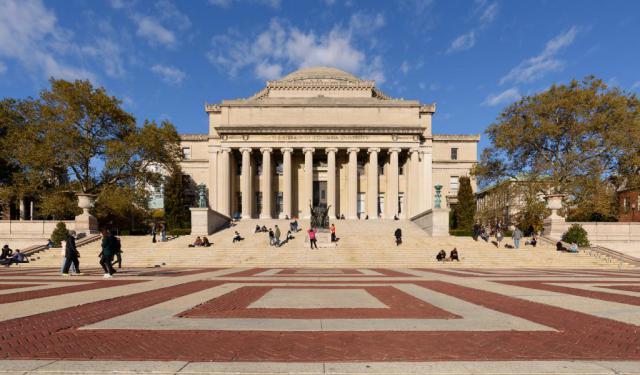
Columbia University Walking Tour
Established in 1754, Columbia University is the oldest institution of higher education in the state of New York and the fifth-oldest in the United States. A member of the prestigious Ivy League, this renowned institution boasts a diverse campus designed along Beaux-Arts planning principles. Columbia's main campus occupies more than six city blocks in Morningside Heights, New York City, and is... view more
Tour Duration: 2 Hour(s)
Travel Distance: 2.3 Km or 1.4 Miles
Tour Duration: 2 Hour(s)
Travel Distance: 2.3 Km or 1.4 Miles
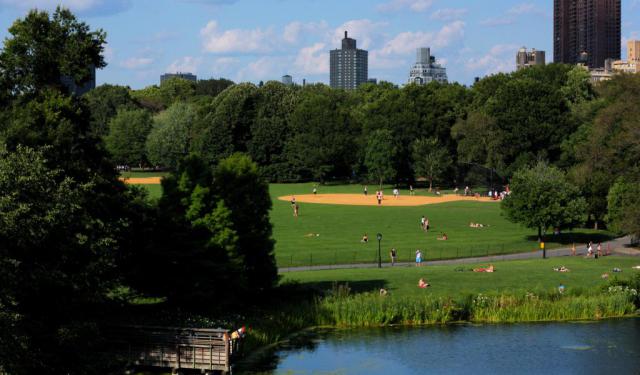
Times Square to Central Park
A leisurely self-guided stroll from Times Square to Central Park will take you to some of NYC’s prominent locations, each worth visiting in their own right.
At 49th Street, Fifth Avenue lives up to its lofty reputation with the Rockefeller Center, one of the world’s biggest business and entertainment complexes, and a triumph of Art Deco architecture. Like the neighboring Times Square, the... view more
Tour Duration: 2 Hour(s)
Travel Distance: 3.2 Km or 2 Miles
At 49th Street, Fifth Avenue lives up to its lofty reputation with the Rockefeller Center, one of the world’s biggest business and entertainment complexes, and a triumph of Art Deco architecture. Like the neighboring Times Square, the... view more
Tour Duration: 2 Hour(s)
Travel Distance: 3.2 Km or 2 Miles
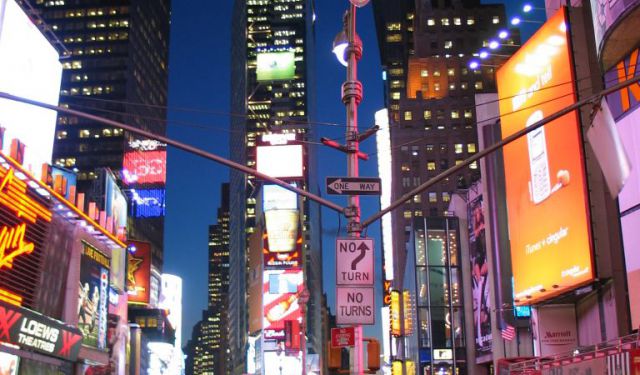
Midtown Manhattan Walking Tour
Welcome to the iconic New York City that so many tourists dream about before they visit – spectacular skyscrapers, iconic public buildings, large neon flat screens above ground level and the non-stop activity on city streets.
They say if you can make it there, you can make it anywhere, and Times Square, Broadway, is definitely a part of that slogan. Day time or night time, it’s one of the... view more
Tour Duration: 2 Hour(s)
Travel Distance: 4.1 Km or 2.5 Miles
They say if you can make it there, you can make it anywhere, and Times Square, Broadway, is definitely a part of that slogan. Day time or night time, it’s one of the... view more
Tour Duration: 2 Hour(s)
Travel Distance: 4.1 Km or 2.5 Miles
Useful Travel Guides for Planning Your Trip
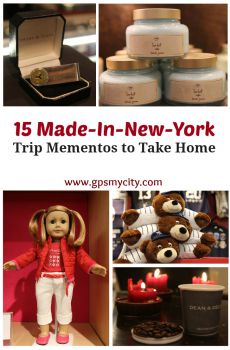
NYC Souvenir Guide: 15 Authentic New York City Products to Take Home
In keeping with the song, one might think that, if they can make it in New York City, they can make it anywhere. Well, not always... Some of the things made in New York City aren't made anywhere else, and you'll definitely want to try or keep at least some of them to prolong your NYC...

NY Villages Best Tea and Coffee
This is a guide to the best tea and coffee shops and houses in the East, West, Washington Square and Greenwich Villages of Manhattan. None of these are chains, so tourists looking to avoid Starbucks can find sanctuary in this app. All of these run the gamut between W and E 14th Streets, and down 1st...

9 Best Drinking Places in Upper West Side, NY
With “Bar Tour of the Upper West Side” sample a cross section from NYC’s great gamut of drinking establishments, including a Belgian Brasserie, a wine bar, Irish pubs, and one dive — just for fun! These spots offer something a little extra, like craft beers, inspirational artwork, a chance...
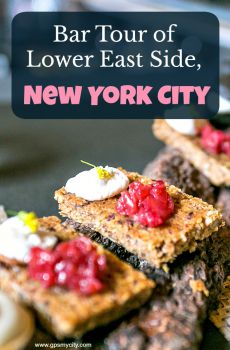
Bar Tour of Lower East Side, New York City
The Lower East Side has been described the most livable neighborhood in NYC. Unique and dynamic, LES has boutique shops, cafes and restaurants alongside great bars and museums.In this historic neighborhood, residents strive to preserve its roots. Here, you can find young professionals who challenge...
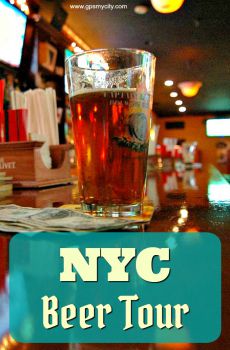
NYC Beer Tour
There are many great places to drink in New York City. Still, discerning connoisseurs are likely to find themselves awash in a sea of mediocre beer without first gaining a proper lay of the beer land. For those whose curiosity and taste buds urge them to venture beyond ubiquitious draft staples like...
The Most Popular Cities
/ view all