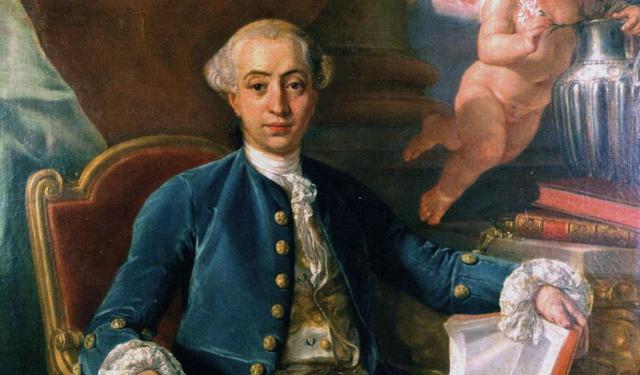


Audio Guide: Casanova's Venice (Self Guided), Venice
Giacomo Casanova is usually introduced as history’s most famous seducer-but that shorthand misses the point. Casanova didn’t simply charm his way through life, but was shaped by a very particular moment in Venetian history. He came of age in the eighteenth century, when the Republic of Venice was living on its reputation. The great maritime empire was fading, its political and commercial power reduced, yet the city refused to grow dull. Instead, Venice transformed decline into theater, turning ritual, display, and pleasure into a way of life-and keeping its grip on Europe’s imagination long after its fleets had lost their edge.
Venetian society ran on contradiction. Behind the scenes were rigid laws, secret tribunals, and relentless surveillance. Out in the open, however, the city tolerated gambling, masked anonymity, sexual experimentation, and the illusion of social mobility. Carnival stretched on for months, blurring class lines and letting nobles, artists, clergy, and courtesans mingle behind identical masks. For someone sharp, adaptable, and curious, Venice was both playground and minefield-and Casanova knew how to navigate both.
Born in 1725 to a family of theater actors, he learned early how to perform, observe, and adapt to his surroundings. Casanova reinvented himself constantly, taking on roles such as scholar, writer, diplomat, spy, gambler, would-be alchemist, and tireless social operator. His reputation as a lover rested less on conquest than on attentiveness. He watched, listened, adjusted, and offered what he sensed was missing. Risk was his natural habitat, and persuasion his most reliable tool-qualities that brought him fame, fortune, and repeated disaster.
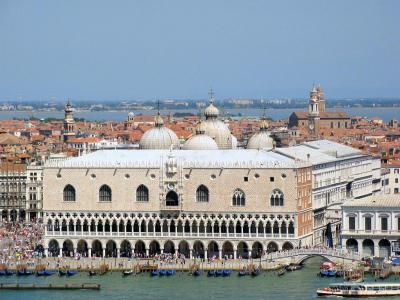
The city itself rewarded performance. Libertinism was allowed-until it wasn’t. Casanova’s arrest, imprisonment, and spectacular escape from the Doge's Palace's “Leads” prison (a notorious set of cells located in the attic) exposed the limits of Venetian tolerance and propelled him onto the international stage.
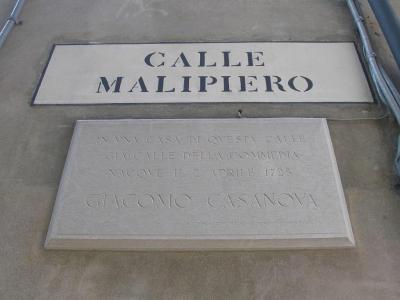
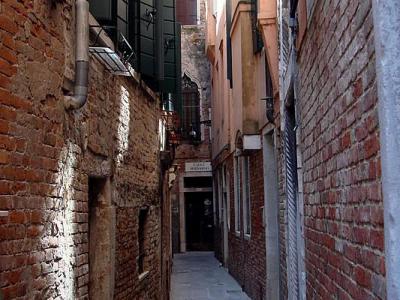
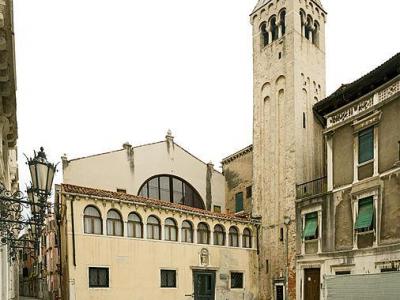
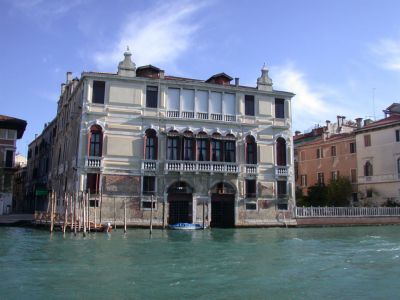
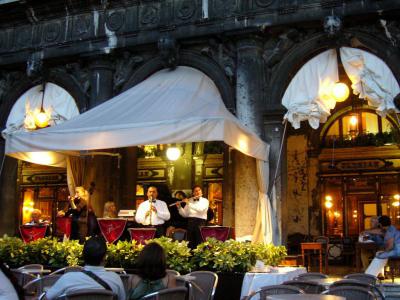
Today, Casanova survives not as a statue, but as a trail through the city: his early world near San Samuele Church, Malipiero Palace, Caffè Florian, the Bridge of Tits, and the Doge's Palace that nearly broke him.
To truly understand Casanova, reading his memoirs is not enough-you must walk his Venice memoir, written in stone, risk, and carefully staged appearances. This self-guided walk is not about chasing scandal; it's about tracing how a singular individual navigated a complex society and how Venice, in turn, shaped one of its most audacious storytellers. So, explore Casanova’s Venice and let the city do what it has always done best: turn ambition, freedom, and sometimes danger into lived experience.
Venetian society ran on contradiction. Behind the scenes were rigid laws, secret tribunals, and relentless surveillance. Out in the open, however, the city tolerated gambling, masked anonymity, sexual experimentation, and the illusion of social mobility. Carnival stretched on for months, blurring class lines and letting nobles, artists, clergy, and courtesans mingle behind identical masks. For someone sharp, adaptable, and curious, Venice was both playground and minefield-and Casanova knew how to navigate both.
Born in 1725 to a family of theater actors, he learned early how to perform, observe, and adapt to his surroundings. Casanova reinvented himself constantly, taking on roles such as scholar, writer, diplomat, spy, gambler, would-be alchemist, and tireless social operator. His reputation as a lover rested less on conquest than on attentiveness. He watched, listened, adjusted, and offered what he sensed was missing. Risk was his natural habitat, and persuasion his most reliable tool-qualities that brought him fame, fortune, and repeated disaster.
The city itself rewarded performance. Libertinism was allowed-until it wasn’t. Casanova’s arrest, imprisonment, and spectacular escape from the Doge's Palace's “Leads” prison (a notorious set of cells located in the attic) exposed the limits of Venetian tolerance and propelled him onto the international stage.
Today, Casanova survives not as a statue, but as a trail through the city: his early world near San Samuele Church, Malipiero Palace, Caffè Florian, the Bridge of Tits, and the Doge's Palace that nearly broke him.
To truly understand Casanova, reading his memoirs is not enough-you must walk his Venice memoir, written in stone, risk, and carefully staged appearances. This self-guided walk is not about chasing scandal; it's about tracing how a singular individual navigated a complex society and how Venice, in turn, shaped one of its most audacious storytellers. So, explore Casanova’s Venice and let the city do what it has always done best: turn ambition, freedom, and sometimes danger into lived experience.
How it works: Download the app "GPSmyCity: Walks in 1K+ Cities" from Apple App Store or Google Play Store to your mobile phone or tablet. The app turns your mobile device into a personal tour guide and its built-in GPS navigation functions guide you from one tour stop to next. The app works offline, so no data plan is needed when traveling abroad.
Download The GPSmyCity App



Casanova's Venice Map
Guide Name: Casanova's Venice
Guide Location: Italy » Venice (See other walking tours in Venice)
Guide Type: Self-guided Walking Tour (Sightseeing)
Tour Duration: 2 Hour(s)
Travel Distance: 4.5 Km or 2.8 Miles
Tour Best Suited For: In-depth exploration
Guide Location: Italy » Venice (See other walking tours in Venice)
Guide Type: Self-guided Walking Tour (Sightseeing)
Tour Duration: 2 Hour(s)
Travel Distance: 4.5 Km or 2.8 Miles
Tour Best Suited For: In-depth exploration
Sights Featured in This Walk

Walking Tours in Venice, Italy

Create Your Own Walk in Venice
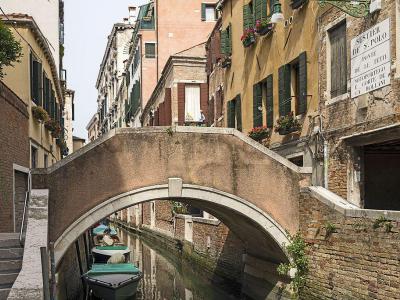
Creating your own self-guided walk in Venice is easy and fun. Choose the city attractions that you want to see and a walk route map will be created just for you. You can even set your hotel as the start point of the walk.
Titian's Paintings Walk
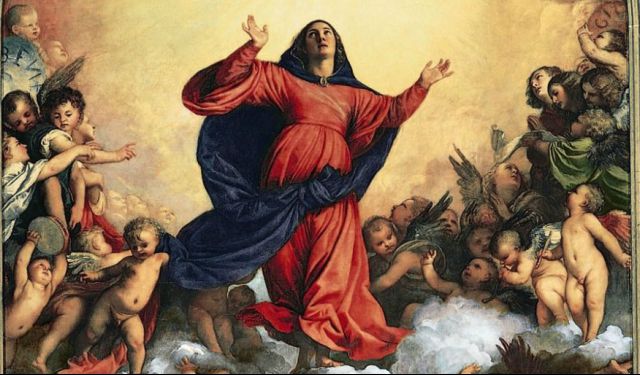
One of the greatest painters of all time, Tiziano Vecelli - better known as Titian - was a pioneering figure of the Venetian school of Italian Renaissance painting. His career was successful from the start, and he became sought after by patrons, initially from Venice and its possessions, then joined by the north Italian princes, and finally the Habsburgs and papacy.
Equally adept with... view more
Tour Duration: 2 Hour(s)
Travel Distance: 3.6 Km or 2.2 Miles
Equally adept with... view more
Tour Duration: 2 Hour(s)
Travel Distance: 3.6 Km or 2.2 Miles
Piazza San Marco Walking Tour
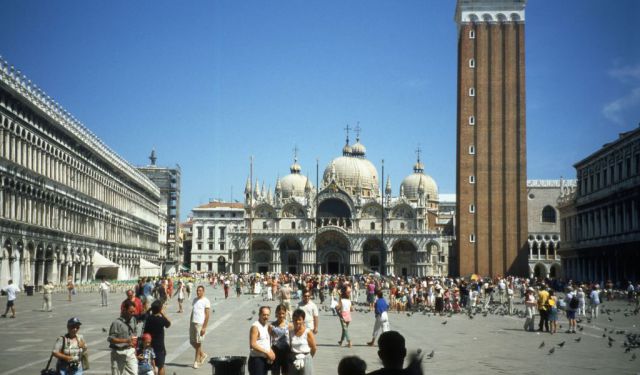
Piazza San Marco is where Venice has always put on its best face. This is the city’s ceremonial and political core, shaped over centuries as the grand stage of the Venetian Republic. Its story began in the 9th century, when the relics of Saint Mark arrived in the lagoon and instantly raised the evangelist-much as the square built in his name-to the highest rank. From a simple open space, the... view more
Tour Duration: 1 Hour(s)
Travel Distance: 0.6 Km or 0.4 Miles
Tour Duration: 1 Hour(s)
Travel Distance: 0.6 Km or 0.4 Miles
Jewish Ghetto Tour
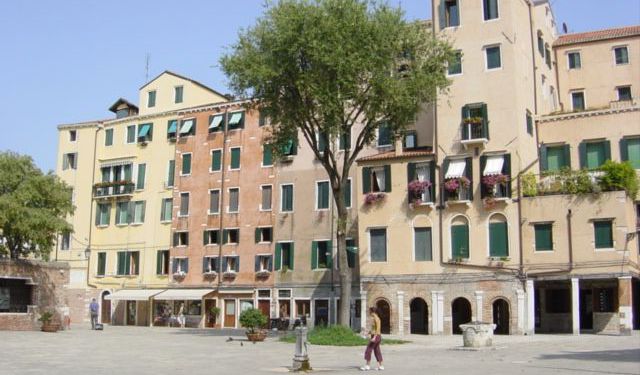
Founded in 1516, the Jewish Ghetto of Venice earns its grim little footnote in European history as the first place officially designated as a “ghetto.” It began as a Venetian compromise with sharp edges: the Papacy urged to expel the Jews, while Venice-never one to waste a useful population-chose to confine them to a small island.
The word “ghetto” comes with competing origin stories.... view more
Tour Duration: 1 Hour(s)
Travel Distance: 0.4 Km or 0.2 Miles
The word “ghetto” comes with competing origin stories.... view more
Tour Duration: 1 Hour(s)
Travel Distance: 0.4 Km or 0.2 Miles
Venice Introduction Walking Tour
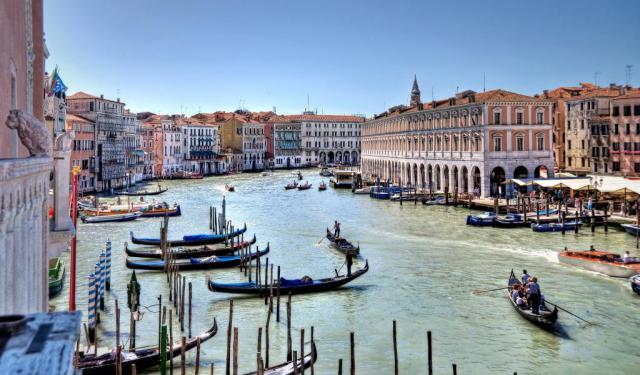
Venice is a city that learned early how to live with water-and, ultimately, how to profit from it. Built across hundreds of small islands in a shallow lagoon in the northern Adriatic, it runs without roads, relying solely on canals and bridges. Although the lagoon itself formed thousands of years ago, it was inhabited mainly by fishermen up until the 5th century AD, when waves of barbarian... view more
Tour Duration: 3 Hour(s)
Travel Distance: 4.1 Km or 2.5 Miles
Tour Duration: 3 Hour(s)
Travel Distance: 4.1 Km or 2.5 Miles
Dorsoduro Walking Tour
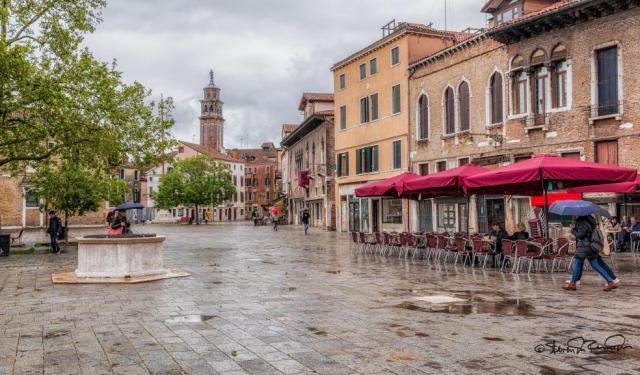
One of the six districts of Venice, Dorsoduro’s name translates as “hard bridge” due to the area's relatively high terrain. Home to some of the city’s highest spots, it also comprises some of Venice’s most picturesque canals, historic locations and cultural venues, including the Basilica di Santa Maria della Salute; the Gallerie dell’ Academia & the Ca’ Rezzonico - both... view more
Tour Duration: 1 Hour(s)
Travel Distance: 2.1 Km or 1.3 Miles
Tour Duration: 1 Hour(s)
Travel Distance: 2.1 Km or 1.3 Miles
Grand Canal Walking Tour
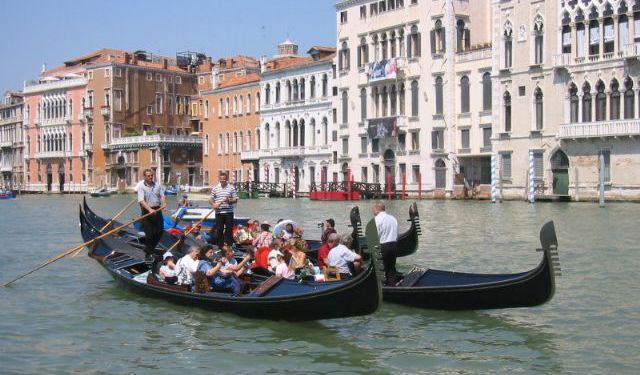
The main waterway in Venice, Grand Canal snakes in an "S" shape through the center of the city, dividing its main districts. On both sides of this thoroughfare are the most beautiful buildings dating from the 12th to the 18th centuries that tell the story of a thousand years of Venetian splendor. While one can view the architectural parade from water buses, our self-guided walking tour... view more
Tour Duration: 3 Hour(s)
Travel Distance: 5.2 Km or 3.2 Miles
Tour Duration: 3 Hour(s)
Travel Distance: 5.2 Km or 3.2 Miles
Useful Travel Guides for Planning Your Trip
15 Distinctively Italian Things to Buy in Venice
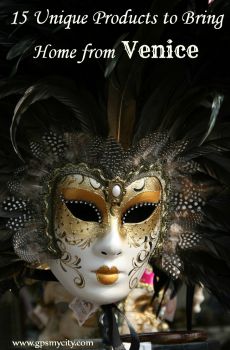
Venice has been a tourist mecca for over a century now, with millions of visitors flocking in every year to see this unique place on the face of the Earth. Many, if not all, of these people seek to obtain something memorable as a token of their stay in this city. By far, not all of them know which...
The Most Popular Cities
/ view all