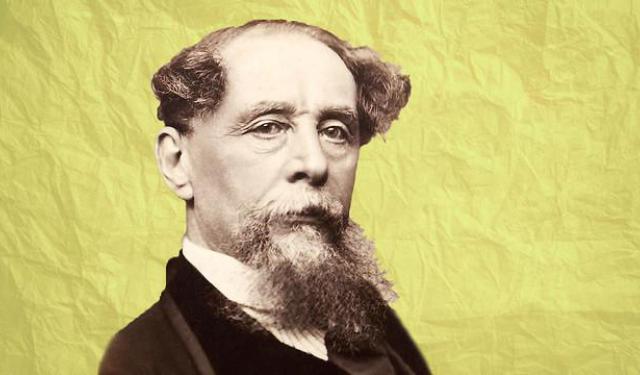


Audio Guide: Charles Dickens Tour (Self Guided), London
Imagine a world without Dickens. No Oliver Twist, no Ebenezer Scrooge, no brooding orphans wandering foggy streets with suspiciously eloquent vocabularies. Tough to picture, right? That’s because Charles Dickens didn’t just leave a mark on literature-he practically steamrolled through it in a horse-drawn carriage. Recognized as the undisputed heavyweight of Victorian storytelling, he pioneered the “cliffhanger” ending and became one of the most widely read English authors ever. His books have never gone out of print, and Hollywood still can’t leave him alone.
Now, Dickens’ own life-it could’ve been a Dickens novel itself. Born in 1812 in Portsmouth, he moved to London young, just in time for things to go south. At age 12, his dad was put into debtors’ prison, and Dickens found himself pasting labels on shoe polish bottles in a ratty factory. But that early hardship later fueled his genius, bringing us unforgettable tales of class struggle, child labor, and grimy justice with a side of wit.
Once he traded factory fumes for ink fumes, Dickens soared. The Pickwick Papers put him in the spotlight in 1836, and from there it was a greatest-hits parade: Oliver Twist, David Copperfield, Great Expectations, A Christmas Carol. And where did he find his inspiration? London. Not just a setting-it was his co-star. Dickens roamed its streets at all hours, absorbing its smoky contrasts: from posh Bloomsbury to shady Clerkenwell, from the docks to the courts, London whispered, groaned, and shouted in every chapter.
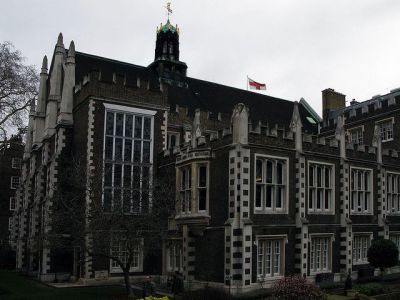
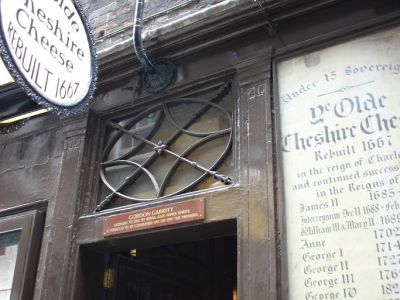
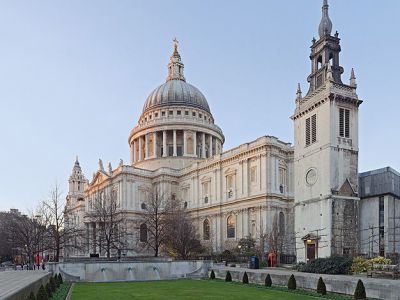
And guess what, you can still walk through chunks of Dickensian London today. The Charles Dickens Museum at 48 Doughty Street is where Oliver Twist and The Pickwick Papers were born. Fancy a pint where Charles once nursed his creative thirst? Head to Ye Olde Cheshire Cheese pub on Fleet Street. Want to see where Oliver met his ragtag crew? Saffron Hill, once known as “little Hell,” awaits. And if you’re counting-Newgate Prison, Cheapside, St. Paul’s Cathedral-these landmarks pop up in multiple Dickens novels like recurring guest stars.
Dickens died in 1870, but if you’ve ever pictured a foggy lamplit alley with someone named Pip silently suffering-it’s official: you’ve been Dickens’d. So tighten that scarf, channel your inner orphan, and take this self-guided walking tour through the inky heart of Dickens' London!
Now, Dickens’ own life-it could’ve been a Dickens novel itself. Born in 1812 in Portsmouth, he moved to London young, just in time for things to go south. At age 12, his dad was put into debtors’ prison, and Dickens found himself pasting labels on shoe polish bottles in a ratty factory. But that early hardship later fueled his genius, bringing us unforgettable tales of class struggle, child labor, and grimy justice with a side of wit.
Once he traded factory fumes for ink fumes, Dickens soared. The Pickwick Papers put him in the spotlight in 1836, and from there it was a greatest-hits parade: Oliver Twist, David Copperfield, Great Expectations, A Christmas Carol. And where did he find his inspiration? London. Not just a setting-it was his co-star. Dickens roamed its streets at all hours, absorbing its smoky contrasts: from posh Bloomsbury to shady Clerkenwell, from the docks to the courts, London whispered, groaned, and shouted in every chapter.
And guess what, you can still walk through chunks of Dickensian London today. The Charles Dickens Museum at 48 Doughty Street is where Oliver Twist and The Pickwick Papers were born. Fancy a pint where Charles once nursed his creative thirst? Head to Ye Olde Cheshire Cheese pub on Fleet Street. Want to see where Oliver met his ragtag crew? Saffron Hill, once known as “little Hell,” awaits. And if you’re counting-Newgate Prison, Cheapside, St. Paul’s Cathedral-these landmarks pop up in multiple Dickens novels like recurring guest stars.
Dickens died in 1870, but if you’ve ever pictured a foggy lamplit alley with someone named Pip silently suffering-it’s official: you’ve been Dickens’d. So tighten that scarf, channel your inner orphan, and take this self-guided walking tour through the inky heart of Dickens' London!
How it works: Download the app "GPSmyCity: Walks in 1K+ Cities" from Apple App Store or Google Play Store to your mobile phone or tablet. The app turns your mobile device into a personal tour guide. For US$14.99 per year (with a 3-day free trial), you get access to walking tours in 630+ cities worldwide for an entire year. In comparison, a guided tour often costs dozens of dollars per person for a single tour. The app works offline, so no data plan is needed when traveling abroad.
Download The GPSmyCity App



Charles Dickens Tour Map
Guide Name: Charles Dickens Tour
Guide Location: England » London (See other walking tours in London)
Guide Type: Self-guided Walking Tour (Sightseeing)
Tour Duration: 3 Hour(s)
Travel Distance: 4.5 Km or 2.8 Miles
Guide Location: England » London (See other walking tours in London)
Guide Type: Self-guided Walking Tour (Sightseeing)
Tour Duration: 3 Hour(s)
Travel Distance: 4.5 Km or 2.8 Miles
Sights Featured in This Walk





Walking Tours in London, England

Create Your Own Walk in London
Creating your own self-guided walk in London is easy and fun. Choose the city attractions that you want to see and a walk route map will be created just for you. You can even set your hotel as the start point of the walk.
Shakespeare's London Walking Tour
You might know him as “the Bard,” but to England, William Shakespeare is practically the patron saint of poetic plot twists. Born in 1564 in Stratford-upon-Avon to John Shakespeare, a glove maker and town official, and Mary Arden from a prosperous farming family, young William started life with ink in his veins and Latin on his mind. Grammar school likely gave him his first taste of rhetoric.... view more
Tour Duration: 3 Hour(s)
Travel Distance: 4.7 Km or 2.9 Miles
Tour Duration: 3 Hour(s)
Travel Distance: 4.7 Km or 2.9 Miles

Harry Potter Walking Tour I
The Harry Potter phenomenon began with author J.K. Rowling, who famously dreamed up the series while delayed on a train from Manchester to London. With the release of Harry Potter and the Philosopher’s Stone in 1997, the literary world changed forever. Across seven books, readers followed Harry’s evolution from an orphaned schoolboy at Hogwarts to a brave young wizard confronting evil... view more
Tour Duration: 2 Hour(s)
Travel Distance: 2.7 Km or 1.7 Miles
Tour Duration: 2 Hour(s)
Travel Distance: 2.7 Km or 1.7 Miles
South Bank Walking Tour
London’s South Bank, stretching along the southern side of the River Thames, roughly between Westminster Bridge and Tower Bridge, is one of the most interesting and liveliest parts of the British capital. Here, London’s old soul and modern edge shake hands... and then probably go grab a pint together. Famous for its arts, culture, food, and scenic riverside walks, the area has a long and... view more
Tour Duration: 3 Hour(s)
Travel Distance: 4.8 Km or 3 Miles
Tour Duration: 3 Hour(s)
Travel Distance: 4.8 Km or 3 Miles
Jack the Ripper Walking Tour
Jack the Ripper, an unidentified serial killer who terrorized the British capital in 1888, became notorious for the series of brutal and gruesome murders that he carried out in the East End of London. The primary setting for the Jack the Ripper attacks was Whitechapel, at the time a poverty-stricken and crime-ridden district, known for its dark alleys and narrow streets.
The name "Jack the... view more
Tour Duration: 2 Hour(s)
Travel Distance: 4.0 Km or 2.5 Miles
The name "Jack the... view more
Tour Duration: 2 Hour(s)
Travel Distance: 4.0 Km or 2.5 Miles

London's Historic Pubs Walk
If there’s any more iconic symbol for London than Big Ben or the London Eye, then it must be the traditional English pub. And London sure is full of them, dating from pre-Victorian times to just about five minutes ago.
With so much history surrounding London there is no shortage of historic pubs to choose from. Whether you fancy half-timbered, rambling watering holes or small but perfectly... view more
Tour Duration: 3 Hour(s)
Travel Distance: 5.6 Km or 3.5 Miles
With so much history surrounding London there is no shortage of historic pubs to choose from. Whether you fancy half-timbered, rambling watering holes or small but perfectly... view more
Tour Duration: 3 Hour(s)
Travel Distance: 5.6 Km or 3.5 Miles
London Introduction Walking Tour
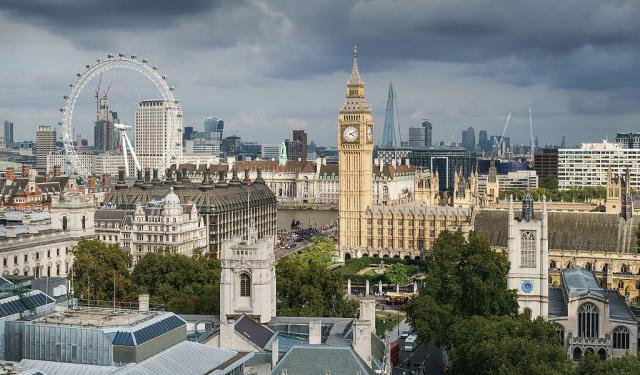
London: the capital of England, heart of the UK, and international heavyweight in history, culture, and sheer charm. Its name comes straight out of Rome. Londinium was founded circa 43 AD as a trading post. Then came Queen Boudica in 61 AD, who, let’s say, didn’t care much for Roman urban planning and burnt it to the ground. But Londinium wasn’t one to stay down-it bounced back, flourished,... view more
Tour Duration: 2 Hour(s)
Travel Distance: 4.2 Km or 2.6 Miles
Tour Duration: 2 Hour(s)
Travel Distance: 4.2 Km or 2.6 Miles
Useful Travel Guides for Planning Your Trip
London Souvenirs: 18 Distinctively British Products for Travelers
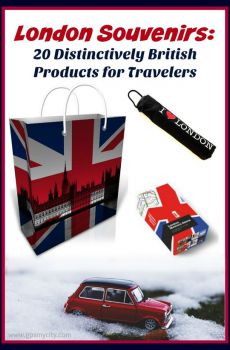
Most visitors to London consider shopping as part of their must-do London experience. From street markets to Victorian arcades to snobbish Sloane Square to busy Oxford Street, there are a host of shops selling items which typically represent this vibrant city. Whether you are shopping for souvenirs...
The Most Popular Cities
/ view all