

Audio Guide: Chinatown Walking Tour (Self Guided), San Francisco
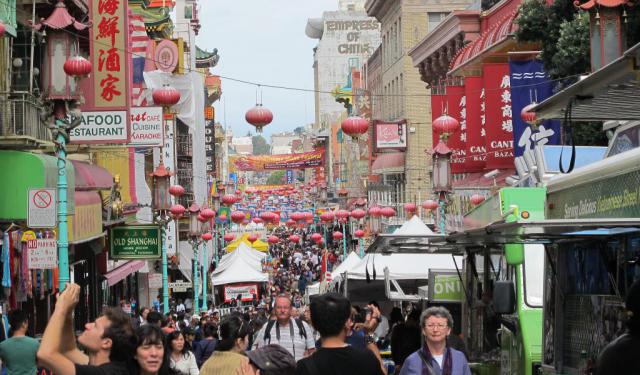
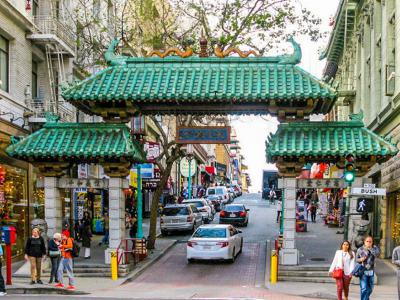
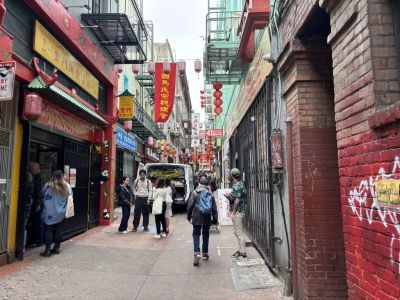
Much of Chinatown’s cultural identity was shaped in the mid-19th century, when waves of migrants arrived from China's Guangdong Province during the California Gold Rush and later to help build the transcontinental railroad. Many of them settled near Portsmouth Square and along Dupont Street (now known as Grant Avenue), forming a close-knit core of the nascent Chinatown. By the 1880s, as anti-Chinese sentiment spread across the American West, this quarter became a safe haven for those seeking continuity in a new world. Today, Grant Avenue remains one of the district’s main streets, anchored by the ceremonial Dragon Gate, a traditional archway erected in 1970 and guarded by a pair of stone lions.
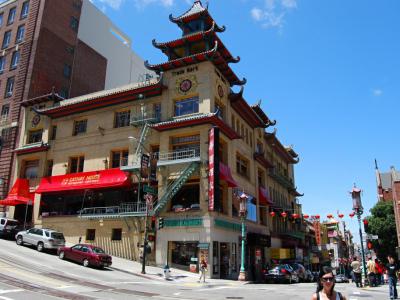
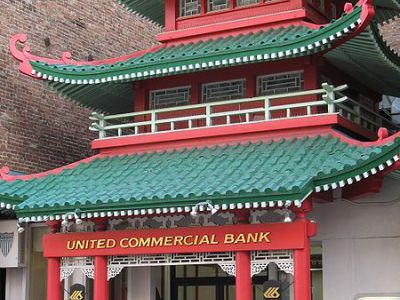
As you move deeper into the neighborhood, the historic Sing Chong Building stands out with its distinctive tiered roof rebuilt after the 1906 earthquake. Nearby, the Old St. Mary’s Cathedral, originally built in the 1850s, still carries the fire scars of that same disaster. Statues and memorials in the area honor figures such as Dr. Sun Yat-sen and Chinese-American war veterans, while nearby businesses serve both residents and tourists.
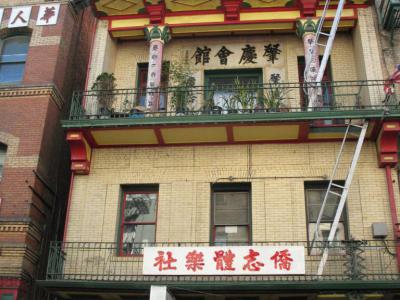
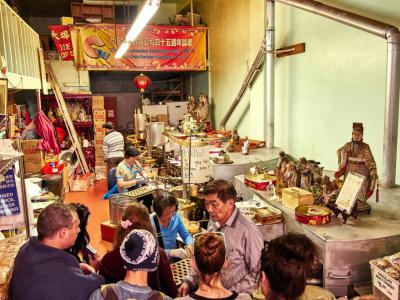
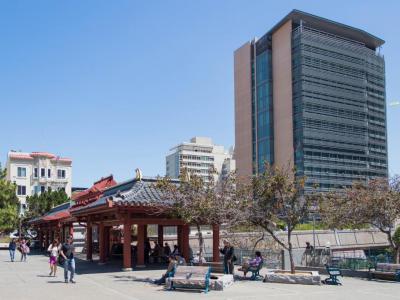
Exploring further, Waverly Place reveals the neighborhood’s community spirit, lined with family associations and home to the Tin How Temple, one of the earliest Chinese temples in the United States, dedicated to the sea goddess Mazu. Ross Alley, once a notorious red-light district, now hosts the Golden Gate Fortune Cookie Factory, where visitors can watch fortune cookies being folded by hand. Just around the corner is the historic Chinese Telephone Exchange. Amid all this activity lies Portsmouth Square, Chinatown’s “living room,” with morning Tai Chi sessions and lively gatherings of locals.
By far more than just another spot on the map, San Francisco’s Chinatown is a living chronicle of resilience and tradition. Whether you’re drawn by the scent of freshly steamed buns, the sound of clattering Mahjong tiles, or the sight of dragon-adorned archways, a stroll here offers a window into the city’s multicultural heart.
Download The GPSmyCity App



Chinatown Walking Tour Map
Map Instructions: (1) Click the "Nearby Sights" button  to view the nearby attractions; (2) click a map pin to see sight information.
Guide Location: USA » San Francisco (See other walking tours in San Francisco)
Guide Type: Self-guided Walking Tour (Sightseeing)
Tour Duration: 1 Hour(s)
Travel Distance: 0.9 Km or 0.6 Miles
Sights Featured in This Walk

WalkBuilder (customize this walk or build your own)Use the WalkBuilder tool below to customize this walk to suit your interests. Instructions: click at the upper right corner in the map above to view other sights in the city. To learn more about a sight, click a map pin. Click the "+" or "–" to add or remove a sight from the walk. To reorder the selected sights, simply drag and move them up or down the list in the left column.
|
||||||||
|
||||||||
Frequently Asked Questions1. How do I access my walking tour in San Francisco? Save your walking tour on the website. Then download the GPSmyCity app from the Apple App Store or Google Play Store and sign in to your GPSmyCity account. Next, download "San Francisco Map and Walking Tours" within the app. Your walk will appear on the Walks screen.
2. How do I view other attractions in San Francisco?
3. How do I re-arrange the sight order?
4. Can I add my hotel to a walking tour?
5. Can I add my own sights to a walking tour?
6. How many sights can be included in a walking tour?
|
||||||||
Walking Tours in San Francisco, California

Create Your Own Walk in San Francisco
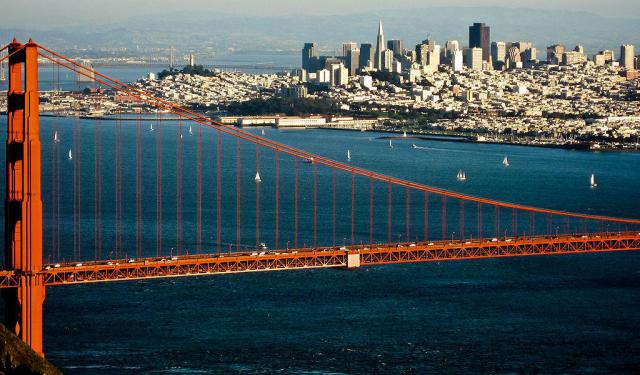
San Francisco Introduction Walking Tour
Tour Duration: 3 Hour(s)
Travel Distance: 5.3 Km or 3.3 Miles
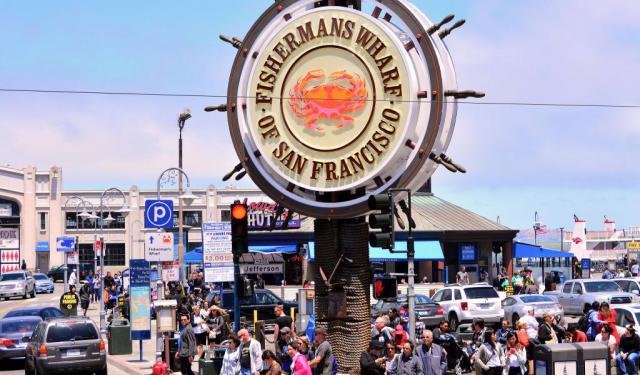
Fisherman's Wharf Walking Tour
The... view more
Tour Duration: 1 Hour(s)
Travel Distance: 1.5 Km or 0.9 Miles
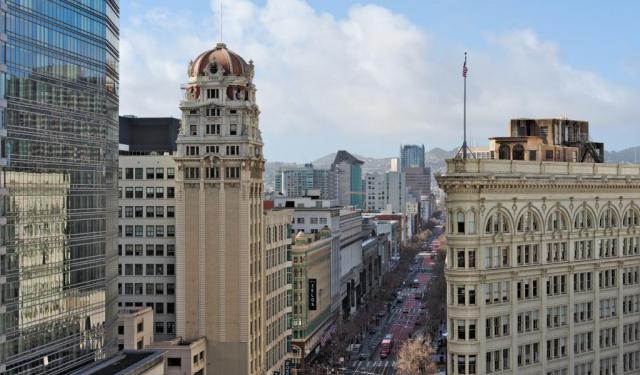
Famous Architecture Walking Tour
Tour Duration: 1 Hour(s)
Travel Distance: 2.3 Km or 1.4 Miles
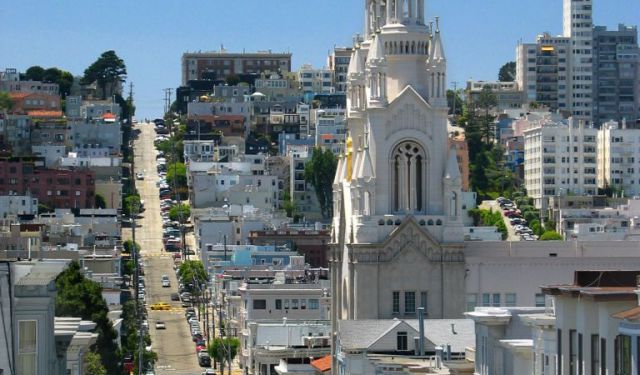
North Beach Walking Tour
Tour Duration: 2 Hour(s)
Travel Distance: 1.8 Km or 1.1 Miles
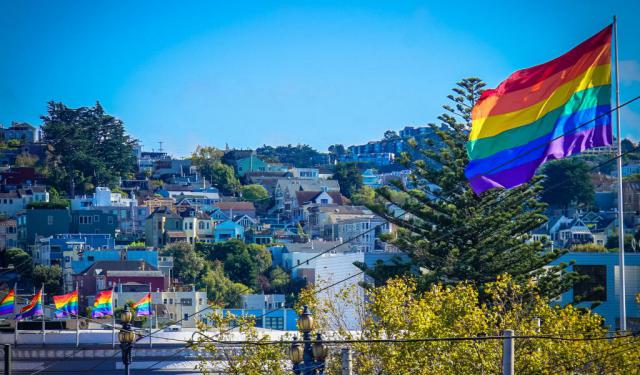
Castro District Walking Tour
One such is the Castro Theater. This renowned landmark, which has been... view more
Tour Duration: 1 Hour(s)
Travel Distance: 1.4 Km or 0.9 Miles
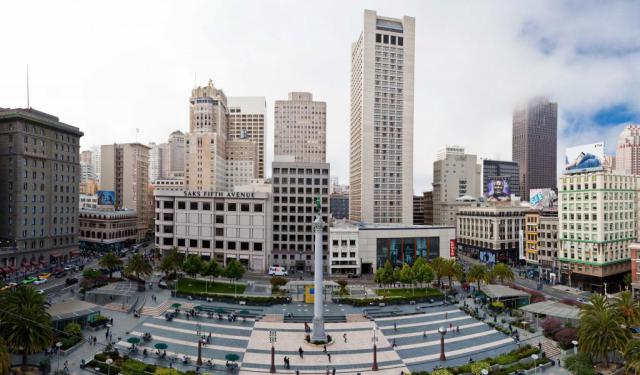
Union Square Walking Tour
One of the prominent landmarks in... view more
Tour Duration: 1 Hour(s)
Travel Distance: 1.5 Km or 0.9 Miles
Useful Travel Guides for Planning Your Trip
14 Souvenirs That Scream San Francisco
Divine Artisan Chocolates in San Francisco