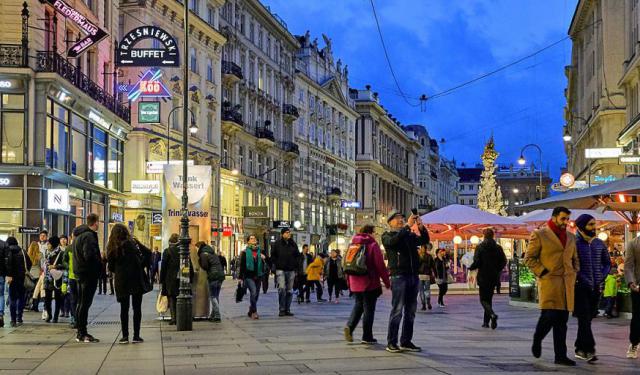


Audio Guide: Vienna Introduction Walking Tour (Self Guided), Vienna
Throughout centuries, Vienna underwent numerous historical incarnations. By 1437, it became the seat of the Holy Roman Empire, and in 1440, the resident city of the Habsburg dynasty. Imperial city since 1558, Vienna saw the final chapter of the Austro-Hungarian Empire, from 1806 to 1918, and even briefly lost its capital status during Austria's annexation by Nazi Germany, between 1938 and 1945. The city regained it in 1955, after the country reestablished its sovereignty.
Today, Vienna offers an intoxicating mix of imperial grandeur and artistic prowess, evidenced in every corner of its historic Old Town, a UNESCO World Heritage Site.
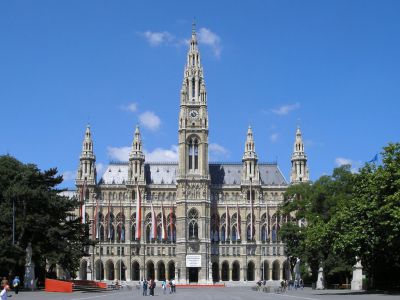
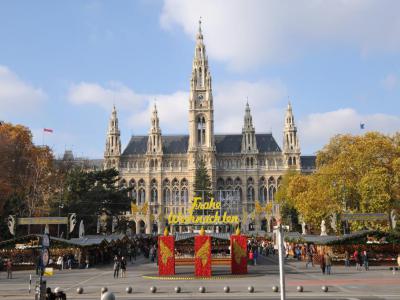
At the heart of Vienna’s historic narrative stands the City Hall, an emblem of civic pride with its Gothic revival architecture. This impressive structure overlooks the eponymous square and park, an area that frequently hosts markets and seasonal events like the renowned Christmas market, breathing life into the city’s traditions.
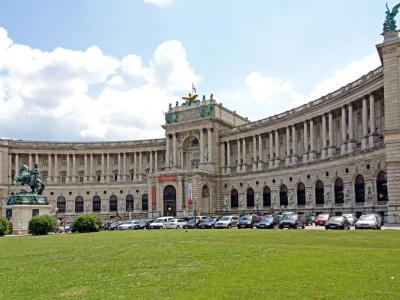
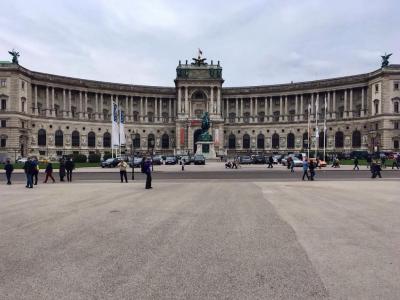
A stone's throw away, the New Palace extends an exquisite example of grand imperial architecture. Adjacent to it is the Spanish Riding School, an institution celebrating the traditional equestrian skills of the famed Lipizzan horses.
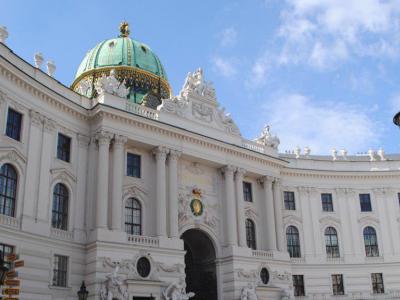
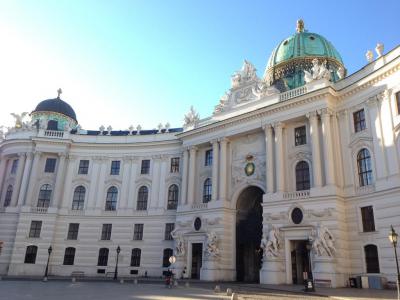
The historic Saint Michael's Square serves as a prelude to the majestic Hofburg Imperial Palace, the former epicenter of the Austrian monarchy.
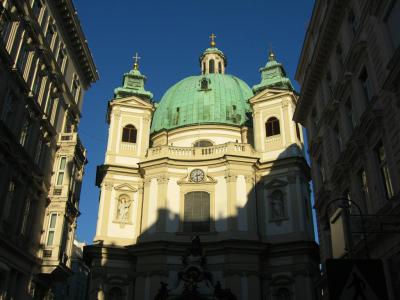
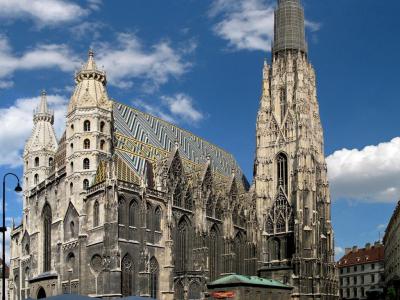
Vienna’s devotion to religious architecture and art is displayed at Saint Peter Church and Saint Stephen's Cathedral, with the latter’s towering spire dominating the cityscape.
And of course, completing the illustrious list of Vienna's attractions, one cannot miss the Belvedere Palace, a marvel of baroque architecture with a stunning art collection.
The least spoiled among great European capitals, downtown Vienna is easily manageable on foot. As you delve into the Viennese “art of living”, you will realize that despite changing rulers and times, the Austrian capital has retained almost the same pace and much the same style as centuries ago. To acquaint yourself with some of its most interesting sights, take this self-guided introductory walk.
Download The GPSmyCity App



Vienna Introduction Walking Tour Map
Map Instructions: (1) Click the "Nearby Sights" button  to view the nearby attractions; (2) click a map pin to see sight information.
Guide Location: Austria » Vienna (See other walking tours in Vienna)
Guide Type: Self-guided Walking Tour (Sightseeing)
Tour Duration: 3 Hour(s)
Travel Distance: 4.6 Km or 2.9 Miles
Sights Featured in This Walk
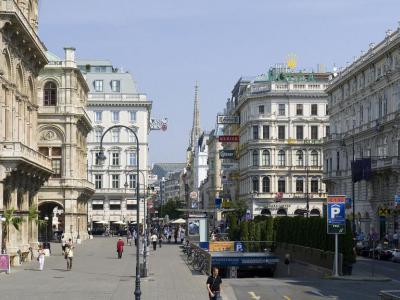

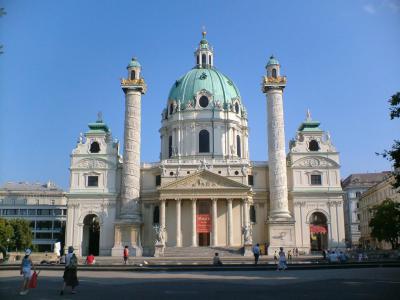
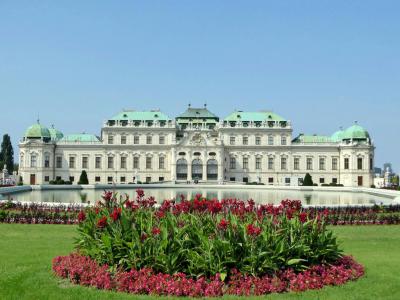
15) Belvedere Palace (must see)
WalkBuilder (customize this walk or build your own)Use the WalkBuilder tool below to customize this walk to suit your interests. Instructions: click at the upper right corner in the map above to view other sights in the city. To learn more about a sight, click a map pin. Click the "+" or "–" to add or remove a sight from the walk. To reorder the selected sights, simply drag and move them up or down the list in the left column.
|
||||||||
|
||||||||
Frequently Asked Questions1. How do I access my walking tour in Vienna? Save your walking tour on the website. Then download the GPSmyCity app from the Apple App Store or Google Play Store and sign in to your GPSmyCity account. Next, download "Vienna Map and Walking Tours" within the app. Your walk will appear on the Walks screen.
2. How do I view other attractions in Vienna?
3. How do I re-arrange the sight order?
4. Can I add my hotel to a walking tour?
5. Can I add my own sights to a walking tour?
6. How many sights can be included in a walking tour?
|
||||||||
Walking Tours in Vienna, Austria

Create Your Own Walk in Vienna
Vienna's Art Nouveau Architecture Tour I
Tour Duration: 2 Hour(s)
Travel Distance: 3.4 Km or 2.1 Miles
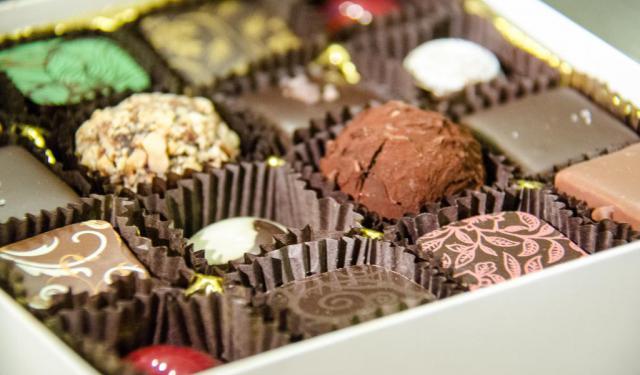
Old Town Chocolate Stores
Vienna's chocolate scene is deeply rooted in a rich culinary tradition. It has been sustained by several historic chocolate houses, located in the Old Town, that have been serving decadent treats for generations.
Landmark... view more
Tour Duration: 1 Hour(s)
Travel Distance: 1.2 Km or 0.7 Miles
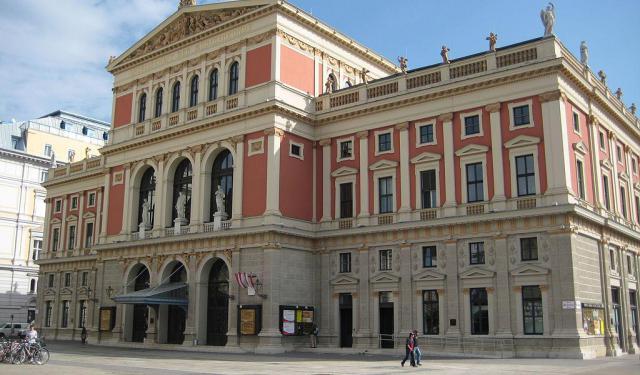
Vienna's Historical Music Venues
Among the... view more
Tour Duration: 2 Hour(s)
Travel Distance: 3.0 Km or 1.9 Miles
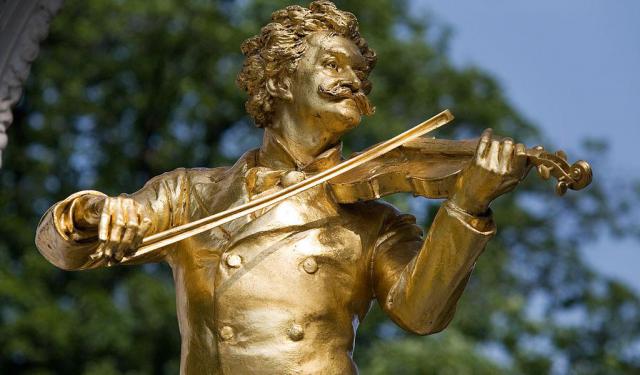
Johann Strauss Walking Tour
Strauss, the son had a personal connection with Vienna deeply rooted in its cultural fabric. Not only was he born here and spent most of his life, but also he achieved tremendous... view more
Tour Duration: 2 Hour(s)
Travel Distance: 4.1 Km or 2.5 Miles
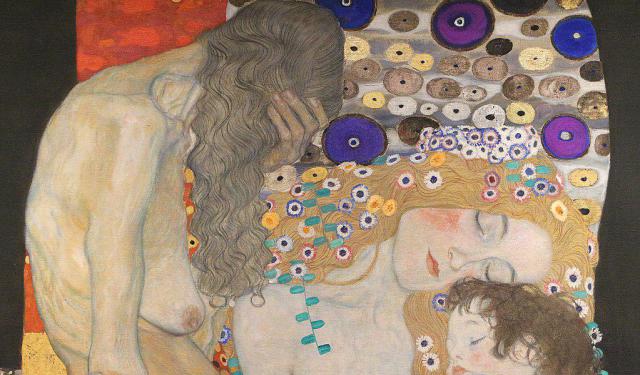
Klimt Paintings Tour
Klimt's name is indelibly linked to Vienna. The renowned symbolist painter was a prominent figure in the city. As a... view more
Tour Duration: 2 Hour(s)
Travel Distance: 3.7 Km or 2.3 Miles
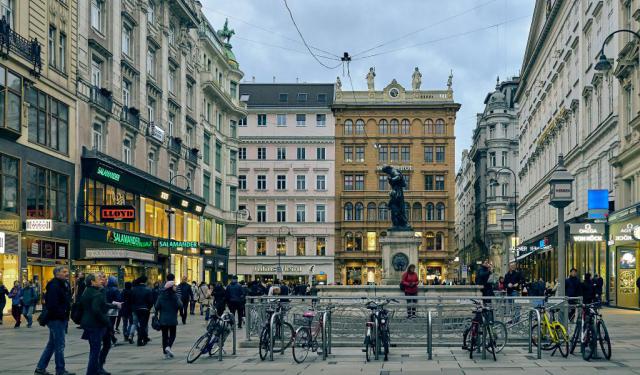
Vienna Old Town Walking Tour
Once wrapped in medieval walls-before they rolled out the grand Ringstrasse boulevard in the 19th century-this... view more
Tour Duration: 2 Hour(s)
Travel Distance: 2.9 Km or 1.8 Miles
Useful Travel Guides for Planning Your Trip
Top 15 Austrian Things to Buy in Vienna
7 Ultimately Austrian Foods to Taste in Vienna