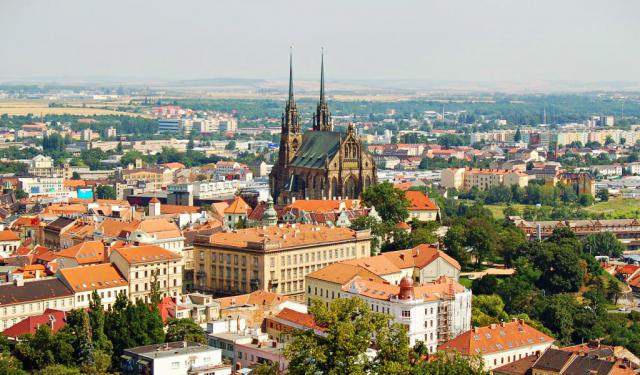


Brno Introduction Walking Tour (Self Guided), Brno
Brno is the second-largest city in the Czech Republic. Located in the South Moravian Region, it is the center of Czech's judiciary and the former capital of Moravia.
Brno is known for its exhibition center, one of the largest in Europe. It is also known for its international fireworks competition, Fire of Brno. The long history of fireworks and pyrotechnics are seen in the Spilberk Castle museum.
The first settlement in the area was Old Castle, which was in place from the Neolithic Age through the 11th century. Brno was established in 1091. It was recognized as a royal city in 1243.
Attempts to take over the city were carried out many times over the centuries, including sieges on Brno carried out by the Swedes and the Hussites. They were all unsuccessful.
German occupation took over Czech lands during World War II. The Gestapo held their headquarters at the Masaryk University Faculty of Law and turned the residence halls into prisons. A detainment camp for Auschwitz was located in Brno with mostly Polish and Romani people. Roughly 10,000 Jews were taken from Brno to Auschwitz.
At the end of the war, when Czechoslovakia was made independent, Moravia was no longer independent, and Brno ceased being the capital. A new focus was placed on the industry. Once the communist rule was no longer in place, Brno flourished in culture and technology.
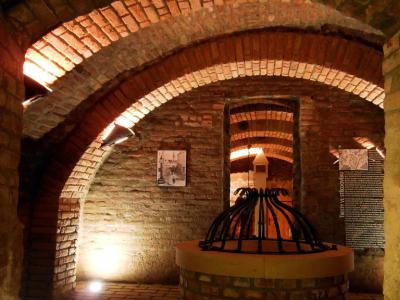
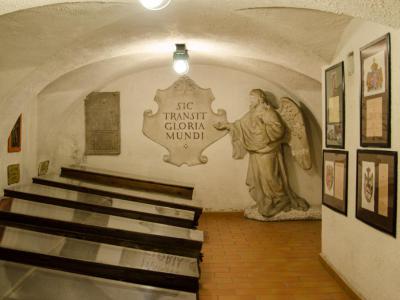
Visitors to Brno will find a great deal of history and art while touring the city. The Moravian Museum displays the culture of the region, while the Brno Ossuary is a must-see location that contains the bones of over 50,000 residents.
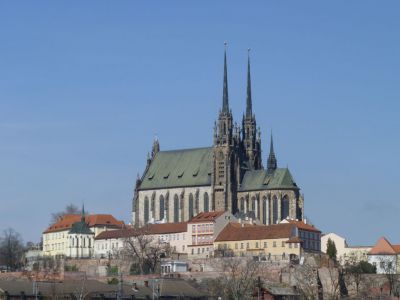
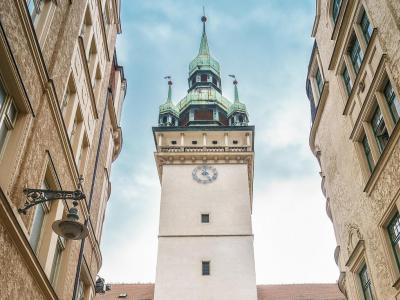
The medieval Spilberk Castle and the Cathedral of St. Peter and Paul are two of the most important buildings in the city. They are often viewed as symbols of Brno. Both are open to the public. Likewise, Villa Tugendhat is a much-visited building due to its amazing feats in modern architecture. Built in the early 20th century, Villa Tugendhat was constructed with modern air conditioning and retracting glass walls.
Take this self-guided walking tour to see these and many other impressive places in Brno, Czech Republic.
Brno is known for its exhibition center, one of the largest in Europe. It is also known for its international fireworks competition, Fire of Brno. The long history of fireworks and pyrotechnics are seen in the Spilberk Castle museum.
The first settlement in the area was Old Castle, which was in place from the Neolithic Age through the 11th century. Brno was established in 1091. It was recognized as a royal city in 1243.
Attempts to take over the city were carried out many times over the centuries, including sieges on Brno carried out by the Swedes and the Hussites. They were all unsuccessful.
German occupation took over Czech lands during World War II. The Gestapo held their headquarters at the Masaryk University Faculty of Law and turned the residence halls into prisons. A detainment camp for Auschwitz was located in Brno with mostly Polish and Romani people. Roughly 10,000 Jews were taken from Brno to Auschwitz.
At the end of the war, when Czechoslovakia was made independent, Moravia was no longer independent, and Brno ceased being the capital. A new focus was placed on the industry. Once the communist rule was no longer in place, Brno flourished in culture and technology.
Visitors to Brno will find a great deal of history and art while touring the city. The Moravian Museum displays the culture of the region, while the Brno Ossuary is a must-see location that contains the bones of over 50,000 residents.
The medieval Spilberk Castle and the Cathedral of St. Peter and Paul are two of the most important buildings in the city. They are often viewed as symbols of Brno. Both are open to the public. Likewise, Villa Tugendhat is a much-visited building due to its amazing feats in modern architecture. Built in the early 20th century, Villa Tugendhat was constructed with modern air conditioning and retracting glass walls.
Take this self-guided walking tour to see these and many other impressive places in Brno, Czech Republic.
How it works: Download the app "GPSmyCity: Walks in 1K+ Cities" from Apple App Store or Google Play Store to your mobile phone or tablet. The app turns your mobile device into a personal tour guide and its built-in GPS navigation functions guide you from one tour stop to next. The app works offline, so no data plan is needed when traveling abroad.
Download The GPSmyCity App



Brno Introduction Walking Tour Map
Guide Name: Brno Introduction Walking Tour
Guide Location: Czech Republic » Brno (See other walking tours in Brno)
Guide Type: Self-guided Walking Tour (Sightseeing)
Tour Duration: 2 Hour(s)
Travel Distance: 2.7 Km or 1.7 Miles
Guide Location: Czech Republic » Brno (See other walking tours in Brno)
Guide Type: Self-guided Walking Tour (Sightseeing)
Tour Duration: 2 Hour(s)
Travel Distance: 2.7 Km or 1.7 Miles
Sights Featured in This Walk
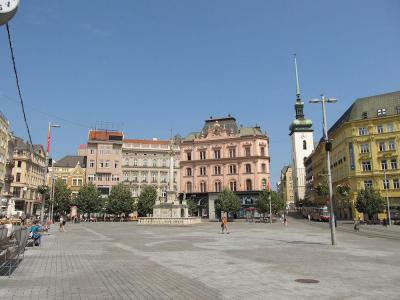
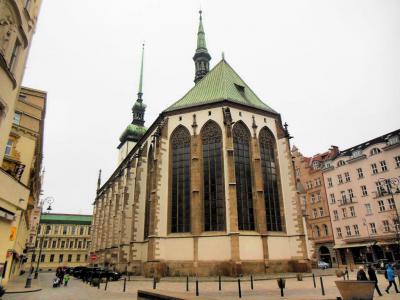

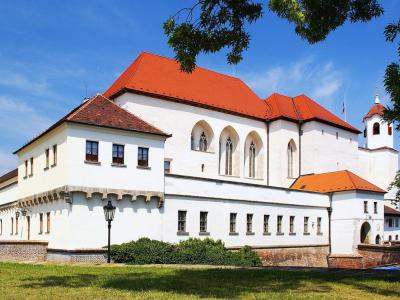
Walking Tours in Brno, Czech Republic

Create Your Own Walk in Brno
Creating your own self-guided walk in Brno is easy and fun. Choose the city attractions that you want to see and a walk route map will be created just for you. You can even set your hotel as the start point of the walk.
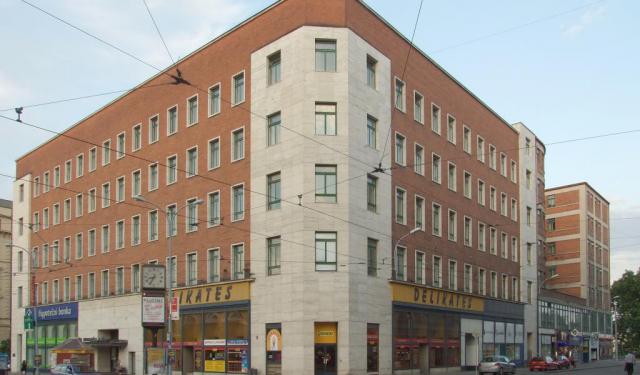
Functionalist Architecture in Brno
Functionalist architecture, a style that sought to meet the needs of the rapidly evolving industrial society, emerged in Europe in the wake of World War I.
After Czechoslovakia gained independence in 1918, Brno, the second-largest city in the country, developed rapidly both economically and politically. Its architecture reflected a modernist approach that prioritized functionality and... view more
Tour Duration: 1 Hour(s)
Travel Distance: 1.5 Km or 0.9 Miles
After Czechoslovakia gained independence in 1918, Brno, the second-largest city in the country, developed rapidly both economically and politically. Its architecture reflected a modernist approach that prioritized functionality and... view more
Tour Duration: 1 Hour(s)
Travel Distance: 1.5 Km or 0.9 Miles
The Most Popular Cities
/ view all