


Audio Guide: Buda Introduction Walking Tour (Self Guided), Budapest
Hungary’s capital is relatively young, having emerged in the late 19th century after the merger of two neighboring towns-Buda on the western bank of the Danube and Pest on the eastern side. Buda, with its hills and historic character, is home to the grand Hapsburg palace, still exuding the imperial charm of a time when wealth and power reigned.
From the heights of Castle Hill or Gellért Hill in Buda, you can take in sweeping views of Pest, just across the river. While Pest is full of energy, Buda is considerably more relaxed. Life here moves at a slower pace, with a lower profile, giving you a chance to catch your breath and soak in the scenery.
Buda’s history dates back to Roman times in the 1st century, but it only became the capital of the Kingdom of Hungary in the 14th century under King Charles. The city was then overtaken by the Ottoman Empire in 1541, following a lengthy siege, and remained under Ottoman control for over 140 years. This period left its mark on Buda’s architecture, with mosques, baths, and bridges built in classic Ottoman style.
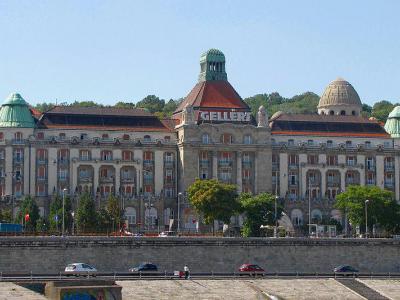
This self-guided walk will take you through some of the attractions, starting with the beautiful Gellért Baths complex at the foot of Gellért Hill-an ideal way to get acquainted with the area. Meanwhile, the sprawling Buda Palace, topped with a green dome, dominates Castle Hill. Along with the charming paths and alleys, you’ll enjoy an incredible panoramic view of the Danube, the Chain Bridge, and Pest on the opposite side of the river.
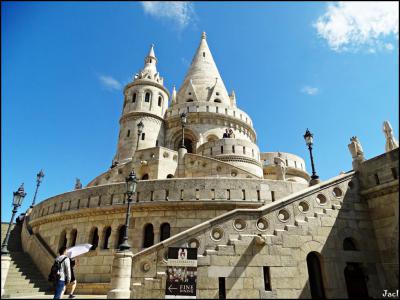
Other must-see spots include the enchanting Matthias Church, one of the most magical buildings on the Buda side, and the Fisherman’s Bastion, just next door. Its seven turrets offer plenty more picturesque views across the city.
It’s definitely worth walking the entire length of this tour to take in Buda’s history and architecture, so take your time to enjoy each and every sight along the journey!
From the heights of Castle Hill or Gellért Hill in Buda, you can take in sweeping views of Pest, just across the river. While Pest is full of energy, Buda is considerably more relaxed. Life here moves at a slower pace, with a lower profile, giving you a chance to catch your breath and soak in the scenery.
Buda’s history dates back to Roman times in the 1st century, but it only became the capital of the Kingdom of Hungary in the 14th century under King Charles. The city was then overtaken by the Ottoman Empire in 1541, following a lengthy siege, and remained under Ottoman control for over 140 years. This period left its mark on Buda’s architecture, with mosques, baths, and bridges built in classic Ottoman style.
This self-guided walk will take you through some of the attractions, starting with the beautiful Gellért Baths complex at the foot of Gellért Hill-an ideal way to get acquainted with the area. Meanwhile, the sprawling Buda Palace, topped with a green dome, dominates Castle Hill. Along with the charming paths and alleys, you’ll enjoy an incredible panoramic view of the Danube, the Chain Bridge, and Pest on the opposite side of the river.
Other must-see spots include the enchanting Matthias Church, one of the most magical buildings on the Buda side, and the Fisherman’s Bastion, just next door. Its seven turrets offer plenty more picturesque views across the city.
It’s definitely worth walking the entire length of this tour to take in Buda’s history and architecture, so take your time to enjoy each and every sight along the journey!
How it works: Download the app "GPSmyCity: Walks in 1K+ Cities" from Apple App Store or Google Play Store to your mobile phone or tablet. The app turns your mobile device into a personal tour guide and its built-in GPS navigation functions guide you from one tour stop to next. The app works offline, so no data plan is needed when traveling abroad.
Download The GPSmyCity App



Buda Introduction Walking Tour Map
Guide Name: Buda Introduction Walking Tour
Guide Location: Hungary » Budapest (See other walking tours in Budapest)
Guide Type: Self-guided Walking Tour (Sightseeing)
Tour Duration: 2 Hour(s)
Travel Distance: 3.8 Km or 2.4 Miles
Guide Location: Hungary » Budapest (See other walking tours in Budapest)
Guide Type: Self-guided Walking Tour (Sightseeing)
Tour Duration: 2 Hour(s)
Travel Distance: 3.8 Km or 2.4 Miles
Sights Featured in This Walk
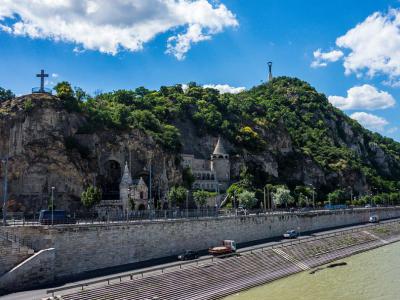


4) Buda Castle (must see)
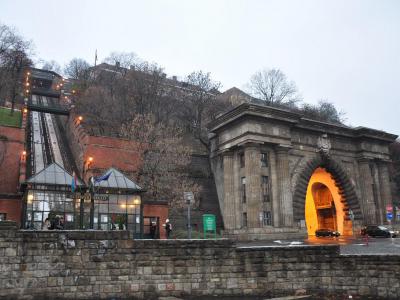
5) Castle Hill (must see)
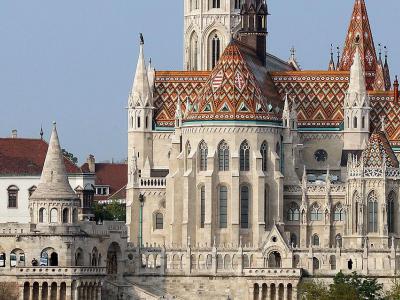
6) Matthias Church (must see)
7) Fisherman's Bastion (must see)
Walking Tours in Budapest, Hungary

Create Your Own Walk in Budapest
Creating your own self-guided walk in Budapest is easy and fun. Choose the city attractions that you want to see and a walk route map will be created just for you. You can even set your hotel as the start point of the walk.

Jewish Quarter Walking Tour
Jews were officially allowed to settle in Pest in the early 18th century. By the late 1700s, a small but growing community had taken root, and the 19th century brought rapid urbanization and expansion. The Jewish population soared, with many Jews becoming integral to Budapest’s economic and cultural life.
Following the Nazi occupation in March 1944, they were forced into a ghetto centered in... view more
Tour Duration: 1 Hour(s)
Travel Distance: 1.2 Km or 0.7 Miles
Following the Nazi occupation in March 1944, they were forced into a ghetto centered in... view more
Tour Duration: 1 Hour(s)
Travel Distance: 1.2 Km or 0.7 Miles

Souvenir Shopping
It will definitely be a pity to leave Budapest without exploring local specialty shops and bringing home something authentically Hungarian. A large number of the city’s specialty shops are found on Váci Street, a pedestrian thoroughfare that parallels the Danube, extending for more than 15 blocks, with something for every taste and wallet. At its most southerly end, you will find Central Market... view more
Tour Duration: 1 Hour(s)
Travel Distance: 1.4 Km or 0.9 Miles
Tour Duration: 1 Hour(s)
Travel Distance: 1.4 Km or 0.9 Miles

Andrassy Avenue Walking Tour
Dating back to 1870 and recognized as a World Heritage site, Andrássy Avenue is a long, wide boulevard named after Prime Minister Gyula Andrássy (served 1867–71) that connects Budapest's downtown with the City Park. The entire stretch is lined with cafés, restaurants, luxury shops, as well as cultural institutions, elegant neo-Renaissance apartment blocks, mansions, and embassies with... view more
Tour Duration: 2 Hour(s)
Travel Distance: 2.8 Km or 1.7 Miles
Tour Duration: 2 Hour(s)
Travel Distance: 2.8 Km or 1.7 Miles

Margaret Island Walking Tour
Stretching for around 2.5 km, Margaret Island (“Margit-sziget”) on the river Danube is a popular green oasis / recreational area that serves as Budapest's playground since the 1870s. Flush with beautiful landscaped parks, ancient ruins and various sports facilities, the island can be accessed either by the historical Margaret Bridge on the south or the Arpad Bridge in the north, from... view more
Tour Duration: 1 Hour(s)
Travel Distance: 2.4 Km or 1.5 Miles
Tour Duration: 1 Hour(s)
Travel Distance: 2.4 Km or 1.5 Miles

Pest Introduction Walking Tour
Separated from its western neighbor Buda by the wide sweep of the Danube, the eastern side of Budapest takes up almost two-thirds of the city. While Buda rises in hills and castle-topped cliffs, Pest spreads out across a flat plain, buzzing with energy and a rather bourgeois spirit. Some of Hungary’s most iconic landmarks call this side home, including the grand Parliament building itself. No... view more
Tour Duration: 2 Hour(s)
Travel Distance: 4.3 Km or 2.7 Miles
Tour Duration: 2 Hour(s)
Travel Distance: 4.3 Km or 2.7 Miles
Useful Travel Guides for Planning Your Trip

15 Must Buy Hungarian Things in Budapest
Other than the standalone language and catchy Czardas tune, there's a lot more to memorize Hungary by. Here are some of the things you might want to carry from Budapest to your family and friends back...
The Most Popular Cities
/ view all