


Audio Guide: Old Town Walking Tour (Self Guided), Edinburgh
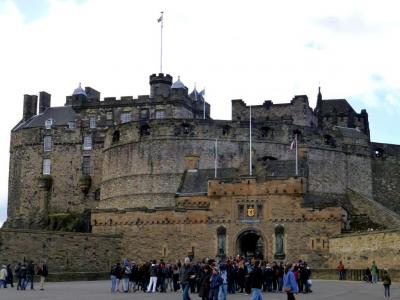
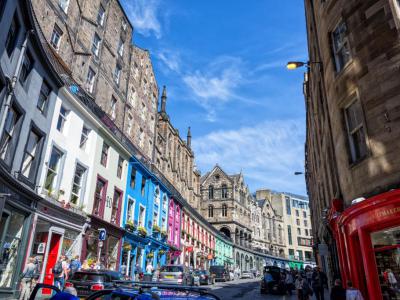
At the heart of it all lies the Royal Mile-a straight-shot spine of cobbled charisma, running from the high-and-mighty Edinburgh Castle (dramatically placed atop an extinct volcano) down to the regal calm of Holyroodhouse. The whole thing is laid out like a fish skeleton, with a maze of closes and tight little alleys known as “wynds”, where secrets and smells once lingered in equal measure, branching off like the bones. These passageways and courtyards reflect how Edinburgh grew vertically before it grew outward, resulting in high-rising buildings, which, come to think of it, had more floors than sense and appeared some 500 years before modern skyscrapers.
Sure, the 16th and 17th centuries got a bit cramped here-with scholars and fishmongers living practically on top of each other-but somehow it all worked. Things went a bit downhill in the 18th and 19th centuries, when parts of the Old Town started crumbling under their own gritty charm. But before it was too late, the 20th century swept in with a preservation plan and a shiny UNESCO stamp in 1995-pairing the Old Town with the posh Georgian New Town for good measure.
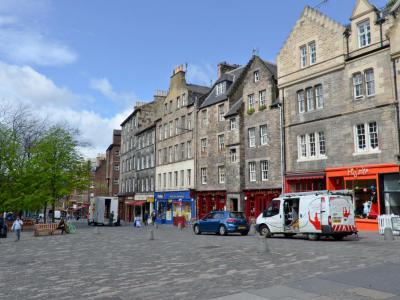
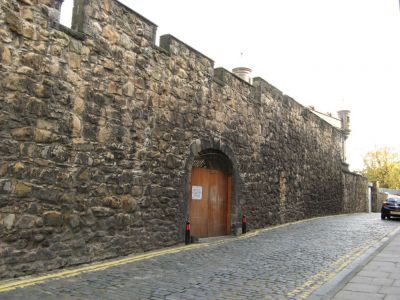
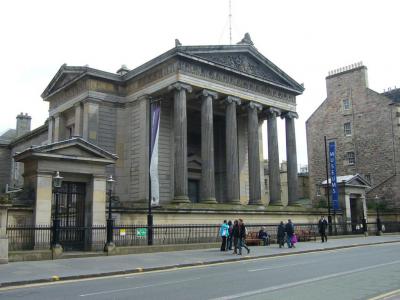
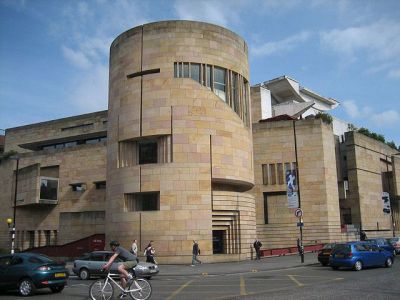
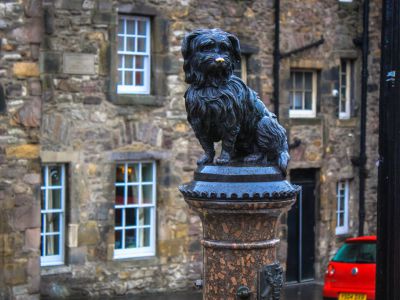
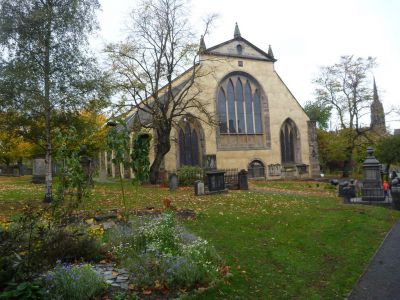
Beyond the Royal Mile, there's no shortage of attractions either. There’s Grassmarket, known for its lively pubs, the fragment of the old Telfer Wall still standing its ground, the National Museum of Scotland for your intellectual fix, Greyfriars Church, and, of course, the ever-loyal Greyfriars Bobby. Plus, there's the ever-curious Surgeons' Hall Museums. So, ultimately, it's like a greatest hits album-except that all the songs are medieval...
Today, Edinburgh’s Old Town is still very much alive and kicking. By far more than just a mere historical backdrop-it’s a breathing, bustling, and slightly brooding slice of the city's life. You don’t merely visit it. You wander into it, get mildly lost, and leave feeling like you’ve time-travelled in Doc Martens...
Download The GPSmyCity App



Old Town Walking Tour Map
Map Instructions: (1) Click the "Nearby Sights" button  to view the nearby attractions; (2) click a map pin to see sight information.
Guide Location: Scotland » Edinburgh (See other walking tours in Edinburgh)
Guide Type: Self-guided Walking Tour (Sightseeing)
Tour Duration: 2 Hour(s)
Travel Distance: 2.5 Km or 1.6 Miles
Sights Featured in This Walk

WalkBuilder (customize this walk or build your own)Use the WalkBuilder tool below to customize this walk to suit your interests. Instructions: click at the upper right corner in the map above to view other sights in the city. To learn more about a sight, click a map pin. Click the "+" or "–" to add or remove a sight from the walk. To reorder the selected sights, simply drag and move them up or down the list in the left column.
|
||||||||
|
||||||||
Frequently Asked Questions1. How do I access my walking tour in Edinburgh? Save your walking tour on the website. Then download the GPSmyCity app from the Apple App Store or Google Play Store and sign in to your GPSmyCity account. Next, download "Edinburgh Map and Walking Tours" within the app. Your walk will appear on the Walks screen.
2. How do I view other attractions in Edinburgh?
3. How do I re-arrange the sight order?
4. Can I add my hotel to a walking tour?
5. Can I add my own sights to a walking tour?
6. How many sights can be included in a walking tour?
|
||||||||
Walking Tours in Edinburgh, Scotland

Create Your Own Walk in Edinburgh
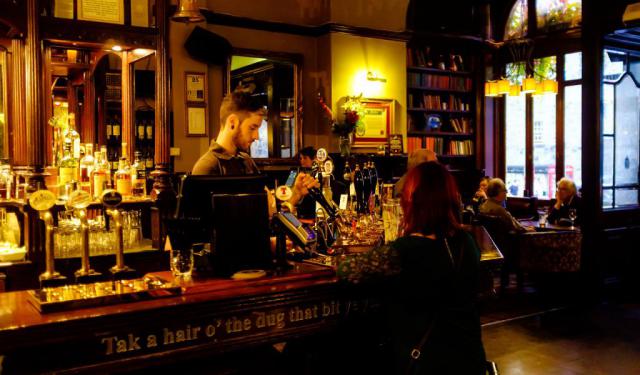
Edinburgh Pub Crawl
Our journey begins at the World's End Pub, a... view more
Tour Duration: 1 Hour(s)
Travel Distance: 1.5 Km or 0.9 Miles

Literary Landmarks Tour
Naturally, there is a wealth... view more
Tour Duration: 1 Hour(s)
Travel Distance: 2.9 Km or 1.8 Miles

Harry Potter Trail
Indeed, J.K. Rowling wrote much of the saga in Scotland’s... view more
Tour Duration: 2 Hour(s)
Travel Distance: 2.6 Km or 1.6 Miles

Famous Squares and Streets Walking Tour
One of Edinburgh's most... view more
Tour Duration: 2 Hour(s)
Travel Distance: 2.9 Km or 1.8 Miles

Royal Mile Walking Tour
Tour Duration: 2 Hour(s)
Travel Distance: 1.6 Km or 1 Miles

New Town Walking Tour
One of the prominent landmarks in the New Town is... view more
Tour Duration: 2 Hour(s)
Travel Distance: 2.5 Km or 1.6 Miles
Useful Travel Guides for Planning Your Trip

Scottish Souvenirs: 15 Authentic Scottish Things to Buy in Edinburgh

Top 12 Pubs On and Around Royal Mile in Edinburgh

19 Best Pubs in New Town, Edinburgh