

Audio Guide: Galway Introduction Walking Tour (Self Guided), Galway
Before setting sail for the New World, Christopher Columbus paused to pray in Galway’s St. Nicholas’ Collegiate Church, seeking guidance and protection for the perilous journey ahead. Today, you can walk the same streets that once inspired this legendary explorer.
Galway, often called the “City of the Tribes,” sits on Ireland’s west coast, overlooking Galway Bay and serving as a gateway to the rugged beauty of Connemara. The city’s name is believed to derive from the Irish word Gaillimh, meaning “stony river,” referring to the River Corrib, which flows through the city into the bay. Another interpretation links it to a mythical woman named Gaillimh, said to have drowned in the river, giving it her name.
The area has been inhabited for thousands of years, with evidence of ancient settlements and early medieval religious sites. The city began to take shape in the 12th century after the Anglo-Norman invasion, quickly growing into a strategic trading port linking Ireland with Spain, France, and Portugal. By the late Middle Ages, fourteen merchant families, known as the Tribes of Galway, dominated commerce, politics, and city life - their influence still visible in the colorful streets, historic buildings, and civic coat of arms.
Despite political and religious upheavals in the 17th century, Galway remained a resilient center of trade, culture, and learning. The 18th and 19th centuries brought further growth, with bridges, quays, and public buildings shaping the modern city.
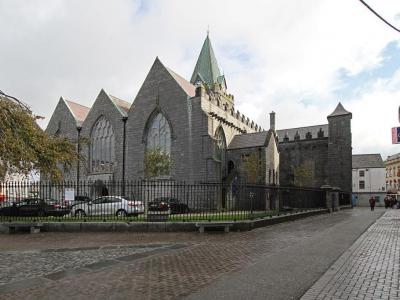
Today, Galway is famed for its lively arts scene, traditional music, and annual festivals such as the Galway International Arts Festival, the Galway Races, and the Galway Film Fleadh. Walking through the city center, visitors discover a vibrant mix of history and culture: bustling Shop Street with colorful shops and street performers, the medieval Spanish Arch and Galway City Museum, historic St. Nicholas’ Collegiate Church, charming lanes with pubs and cafés.
As you explore Galway, imagine the young Columbus walking these same streets, pausing in quiet reflection before a daring journey that would change the world - and feel the same sense of adventure and discovery that has inspired travelers here for centuries.
Galway, often called the “City of the Tribes,” sits on Ireland’s west coast, overlooking Galway Bay and serving as a gateway to the rugged beauty of Connemara. The city’s name is believed to derive from the Irish word Gaillimh, meaning “stony river,” referring to the River Corrib, which flows through the city into the bay. Another interpretation links it to a mythical woman named Gaillimh, said to have drowned in the river, giving it her name.
The area has been inhabited for thousands of years, with evidence of ancient settlements and early medieval religious sites. The city began to take shape in the 12th century after the Anglo-Norman invasion, quickly growing into a strategic trading port linking Ireland with Spain, France, and Portugal. By the late Middle Ages, fourteen merchant families, known as the Tribes of Galway, dominated commerce, politics, and city life - their influence still visible in the colorful streets, historic buildings, and civic coat of arms.
Despite political and religious upheavals in the 17th century, Galway remained a resilient center of trade, culture, and learning. The 18th and 19th centuries brought further growth, with bridges, quays, and public buildings shaping the modern city.
Today, Galway is famed for its lively arts scene, traditional music, and annual festivals such as the Galway International Arts Festival, the Galway Races, and the Galway Film Fleadh. Walking through the city center, visitors discover a vibrant mix of history and culture: bustling Shop Street with colorful shops and street performers, the medieval Spanish Arch and Galway City Museum, historic St. Nicholas’ Collegiate Church, charming lanes with pubs and cafés.
As you explore Galway, imagine the young Columbus walking these same streets, pausing in quiet reflection before a daring journey that would change the world - and feel the same sense of adventure and discovery that has inspired travelers here for centuries.
How it works: Download the app "GPSmyCity: Walks in 1K+ Cities" from Apple App Store or Google Play Store to your mobile phone or tablet. The app turns your mobile device into a personal tour guide and its built-in GPS navigation functions guide you from one tour stop to next. The app works offline, so no data plan is needed when traveling abroad.
Download The GPSmyCity App



Galway Introduction Walking Tour Map
Guide Name: Galway Introduction Walking Tour
Guide Location: Ireland » Galway (See other walking tours in Galway)
Guide Type: Self-guided Walking Tour (Sightseeing)
Tour Duration: 2 Hour(s)
Travel Distance: 2.6 Km or 1.6 Miles
Guide Location: Ireland » Galway (See other walking tours in Galway)
Guide Type: Self-guided Walking Tour (Sightseeing)
Tour Duration: 2 Hour(s)
Travel Distance: 2.6 Km or 1.6 Miles
Sights Featured in This Walk
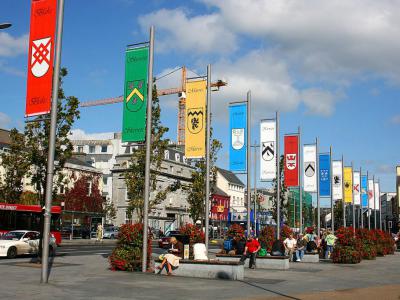
1) Eyre Square (must see)
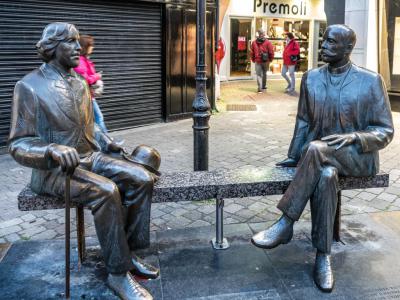
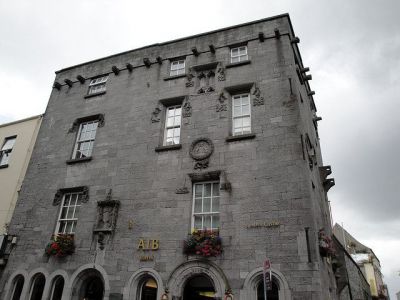
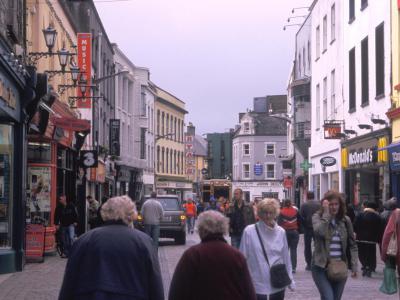
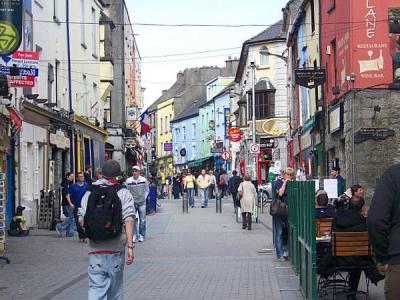
5) Quay Street (must see)
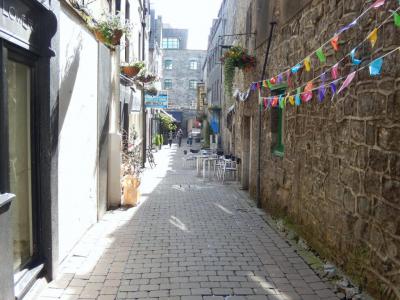
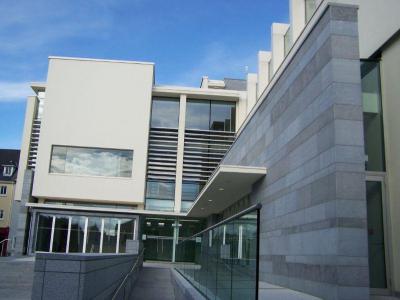
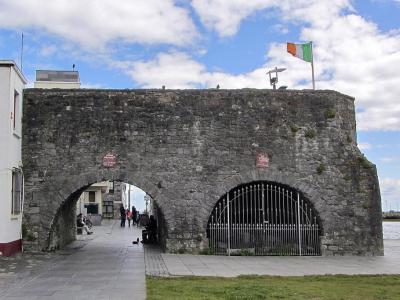
8) Spanish Arch (must see)
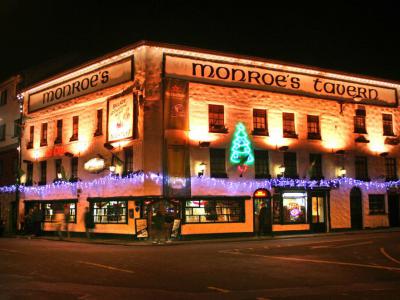
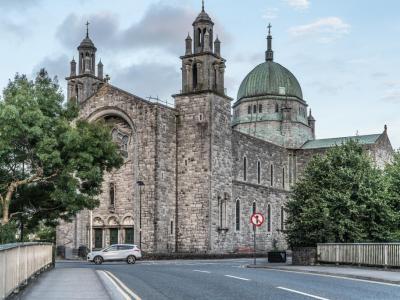
10) Galway Cathedral (must see)
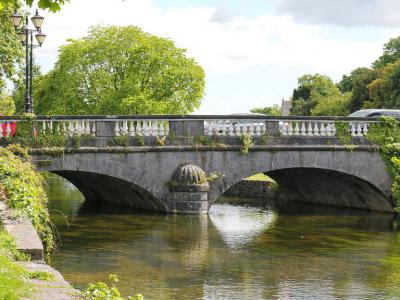
Walking Tours in Galway, Ireland

Create Your Own Walk in Galway
Creating your own self-guided walk in Galway is easy and fun. Choose the city attractions that you want to see and a walk route map will be created just for you. You can even set your hotel as the start point of the walk.
Salthill Seaside Walking Tour
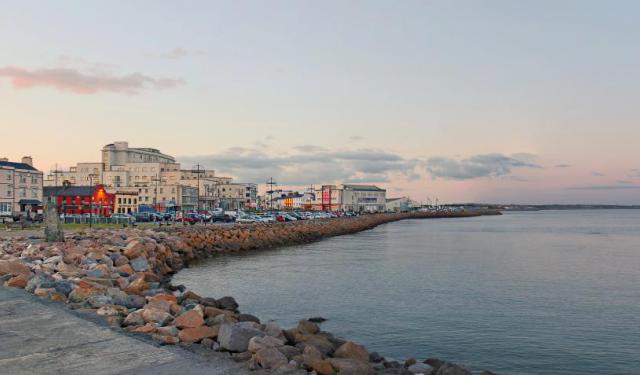
If you fancy a quality break by the sea, while in Galway, you don't need to go far. The small seaside spot called Salthill is only 3km away from the downtown shops, clubs and pubs, and you can get here on foot easily.
Speaking of pubs, there's no shortage of them in Salthill either. In fact, one of the local waterholes – O'Connors – bills itself as the first singing pub in... view more
Tour Duration: 1 Hour(s)
Travel Distance: 1.4 Km or 0.9 Miles
Speaking of pubs, there's no shortage of them in Salthill either. In fact, one of the local waterholes – O'Connors – bills itself as the first singing pub in... view more
Tour Duration: 1 Hour(s)
Travel Distance: 1.4 Km or 0.9 Miles
The Most Popular Cities
/ view all