

Audio Guide: Sofia Introduction Walking Tour (Self Guided), Sofia
Sofia, the capital of Bulgaria, is one of Europe’s oldest continuously inhabited cities, with archaeological traces of settlement dating back at least 7,000 years. Its fertile valley, abundant mineral springs, and position on major east–west and north–south routes made it a natural crossroads for ancient peoples.
The Thracian tribe Serdi established a settlement here in the 1st millennium BCE, giving rise to the city’s early name Serdica. When the Roman Empire expanded into the region in the 1st century CE, Serdica became an important provincial centre, protected by strong walls and adorned with public buildings, baths, a forum, and an amphitheatre.
After the Roman period, the city passed into the hands of the Eastern Roman Empire, later experiencing invasions by Goths, Huns, and Avars. From the late 9th century, during the rise of the First Bulgarian Empire, the city became known as Sredets, a Slavic name meaning “the middle” or “central place,” referring to its geographic position in the Balkan Peninsula. This name remained in common use throughout the Middle Ages.
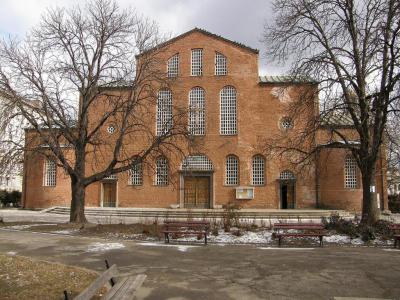
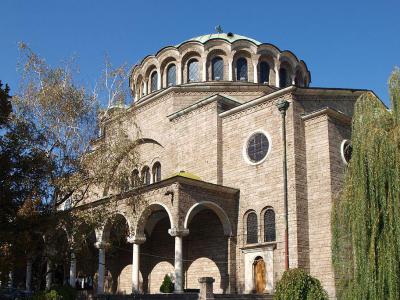
The modern name Sofia came into use around the 14th century and is derived from the Church of Saint Sophia, one of the oldest Christian churches in the city. The word sofia in Greek means “wisdom”, and the church’s prominence led local inhabitants to associate the entire urban area with it. The name gradually replaced Sredets, becoming standard by the time the Ottomans conquered the region in 1385.
Under the Ottoman Empire, Sofia served as a major administrative and commercial centre on the road between Constantinople and Central Europe. Its diverse population, markets, mosques, and caravanserais gave it a cosmopolitan character. After nearly five centuries of Ottoman rule, Bulgaria regained independence in 1878, and Sofia was chosen as the national capital the following year due to its central location, growing population, and symbolic links to Bulgarian medieval heritage.
In the 20th century, Sofia expanded rapidly, enduring bombings during World War II and major reconstruction during the communist era. Since the fall of communism in 1989, the city has transformed into a modern European capital while preserving layers of Thracian, Roman, medieval, Ottoman, and modern Bulgarian history.
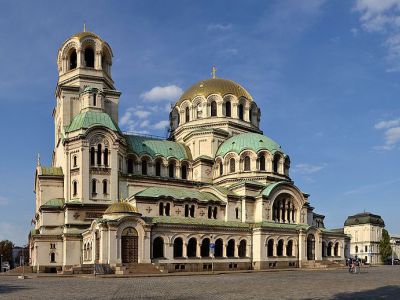
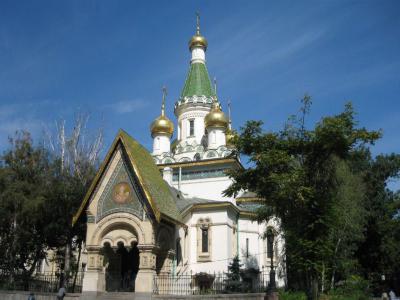
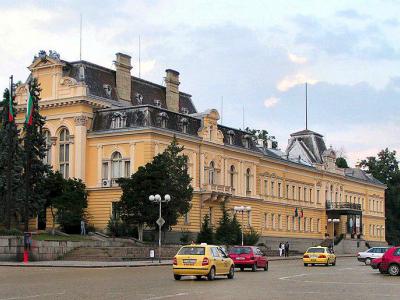
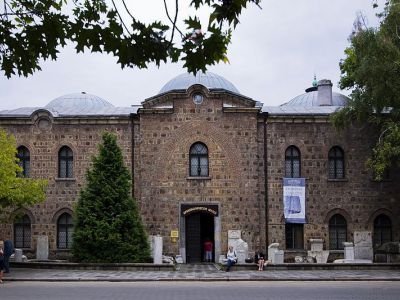
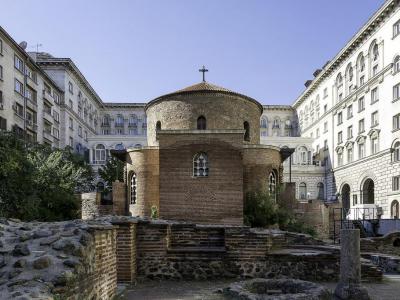
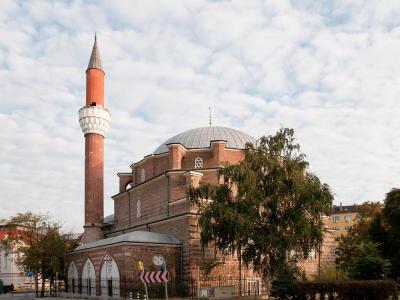
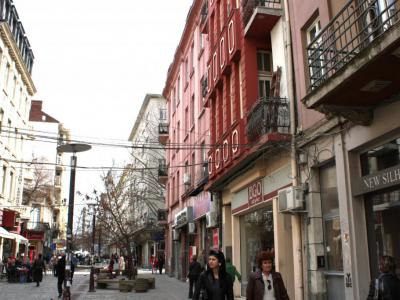
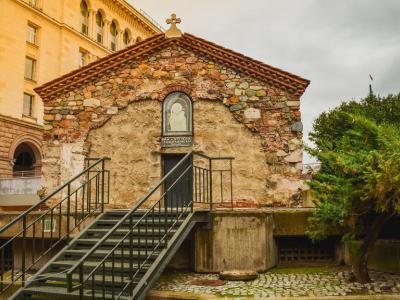
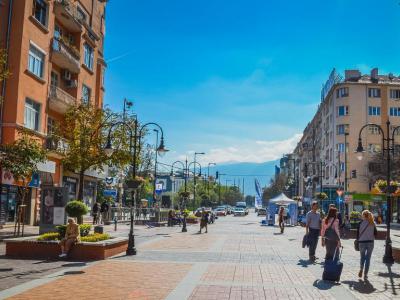
A walk through Sofia’s city centre leads past the golden domes of the Alexander Nevsky Cathedral, followed by the early-Christian Saint Sofia Church that inspired the city’s name. Nearby stands the elegant Russian Church, known for its green-and-gold spires. Visitors can also step inside the National Archaeological Museum, housed in a former Ottoman mosque and filled with Thracian and medieval treasures. The stroll naturally ends on Vitosha Boulevard, a lively pedestrian street lined with shops, cafés, and mountain views.
The Thracian tribe Serdi established a settlement here in the 1st millennium BCE, giving rise to the city’s early name Serdica. When the Roman Empire expanded into the region in the 1st century CE, Serdica became an important provincial centre, protected by strong walls and adorned with public buildings, baths, a forum, and an amphitheatre.
After the Roman period, the city passed into the hands of the Eastern Roman Empire, later experiencing invasions by Goths, Huns, and Avars. From the late 9th century, during the rise of the First Bulgarian Empire, the city became known as Sredets, a Slavic name meaning “the middle” or “central place,” referring to its geographic position in the Balkan Peninsula. This name remained in common use throughout the Middle Ages.
The modern name Sofia came into use around the 14th century and is derived from the Church of Saint Sophia, one of the oldest Christian churches in the city. The word sofia in Greek means “wisdom”, and the church’s prominence led local inhabitants to associate the entire urban area with it. The name gradually replaced Sredets, becoming standard by the time the Ottomans conquered the region in 1385.
Under the Ottoman Empire, Sofia served as a major administrative and commercial centre on the road between Constantinople and Central Europe. Its diverse population, markets, mosques, and caravanserais gave it a cosmopolitan character. After nearly five centuries of Ottoman rule, Bulgaria regained independence in 1878, and Sofia was chosen as the national capital the following year due to its central location, growing population, and symbolic links to Bulgarian medieval heritage.
In the 20th century, Sofia expanded rapidly, enduring bombings during World War II and major reconstruction during the communist era. Since the fall of communism in 1989, the city has transformed into a modern European capital while preserving layers of Thracian, Roman, medieval, Ottoman, and modern Bulgarian history.
A walk through Sofia’s city centre leads past the golden domes of the Alexander Nevsky Cathedral, followed by the early-Christian Saint Sofia Church that inspired the city’s name. Nearby stands the elegant Russian Church, known for its green-and-gold spires. Visitors can also step inside the National Archaeological Museum, housed in a former Ottoman mosque and filled with Thracian and medieval treasures. The stroll naturally ends on Vitosha Boulevard, a lively pedestrian street lined with shops, cafés, and mountain views.
How it works: Download the app "GPSmyCity: Walks in 1K+ Cities" from Apple App Store or Google Play Store to your mobile phone or tablet. The app turns your mobile device into a personal tour guide. For US$14.99 per year, you get access to walking tours in 630+ cities worldwide. In comparison, a guided tour often costs dozens of dollars per person for a single tour. The app works offline, so no data plan is needed when traveling abroad.
Download The GPSmyCity App



Sofia Introduction Walking Tour Map
Guide Name: Sofia Introduction Walking Tour
Guide Location: Bulgaria » Sofia (See other walking tours in Sofia)
Guide Type: Self-guided Walking Tour (Sightseeing)
Tour Duration: 2 Hour(s)
Travel Distance: 2.6 Km or 1.6 Miles
Guide Location: Bulgaria » Sofia (See other walking tours in Sofia)
Guide Type: Self-guided Walking Tour (Sightseeing)
Tour Duration: 2 Hour(s)
Travel Distance: 2.6 Km or 1.6 Miles
Sights Featured in This Walk
Walking Tours in Sofia, Bulgaria

Create Your Own Walk in Sofia
Creating your own self-guided walk in Sofia is easy and fun. Choose the city attractions that you want to see and a walk route map will be created just for you. You can even set your hotel as the start point of the walk.
Communist Era Landmarks Walk
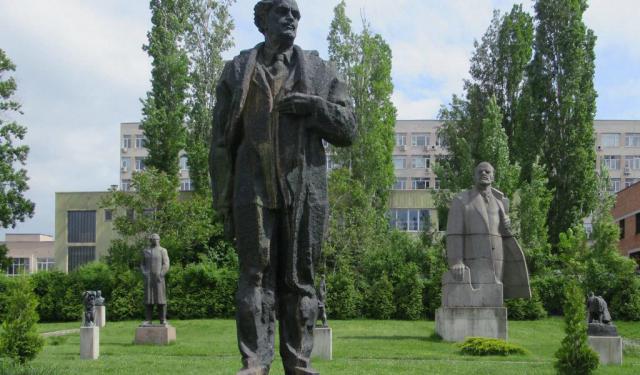
In the not-so-distant past Bulgaria was part of the Soviet-led Eastern Bloc. Today, this is one of the few countries where you can still find numerous relics of the Communist era manifested in monumental architectural landmarks. Concrete and metal were the main materials as a symbol of the industrialized nation, and the size was important too as a common architectural characteristic prescribed by... view more
Tour Duration: 3 Hour(s)
Travel Distance: 6.6 Km or 4.1 Miles
Tour Duration: 3 Hour(s)
Travel Distance: 6.6 Km or 4.1 Miles
Useful Travel Guides for Planning Your Trip

Sofia Shopping: 15 Things To Memorize Bulgaria By
Increasingly popular tourist destination in recent years, Bulgaria has opened up to the outer world, revealing colorful identity, manifested in rich craftsmanship, culinary and cultural traditions and history. The country's capital city Sofia is a lovely alloy of Eastern and Western European...
The Most Popular Cities
/ view all