

Port Louis Introduction Walking Tour (Self Guided), Port Louis
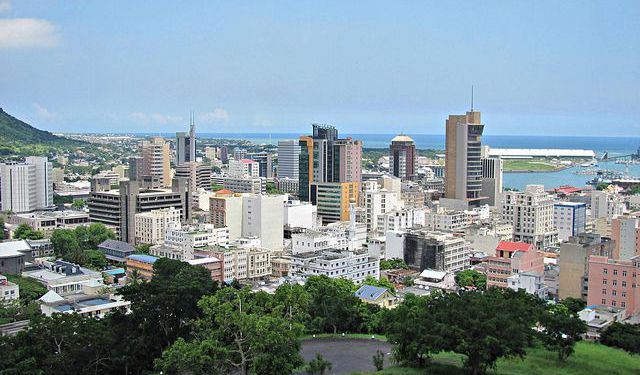
Port Louis, the capital of Mauritius, is a colorful blend of French, Indian, and African influences. Nestled on the northwest coast of the island, this major commercial port boasts a wealth of colonial past carefully preserved and reflected in local architecture.
Initially a Dutch harbor known as Harbour of Tortoises in 1606, the city became the administrative center of Mauritius under French rule in 1736 and was renamed in honor of King Louis XV.
During that time, the island served as a crucial stopover for French ships navigating between Asia and Europe around the Cape of Good Hope and was known as Isle of France. The city’s development was significantly influenced by the French governor, Bertrand-François Mahé de La Bourdonnais. Given its location well-protected from cyclones by the Moka Mountain Range, the strategic importance of Port Louis continued through the British occupation during the Napoleonic Wars. Although the opening of the Suez Canal in 1869 reduced ship visits, the port saw a resurgence during its closure in 1967 and subsequent modernizations in the late 1970s.
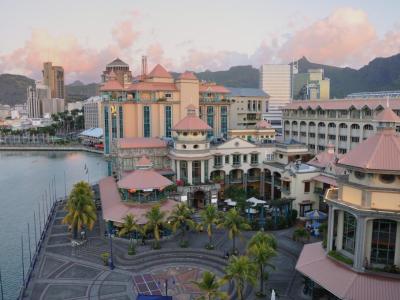
Today, while still the business and administrative hub, Port Louis has expanded into tourism, notably through developments at the Caudan Waterfront – blending shopping, dining, and entertainment with seaside charm.
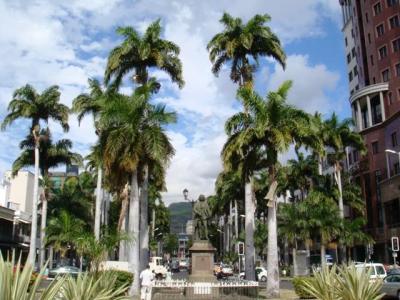
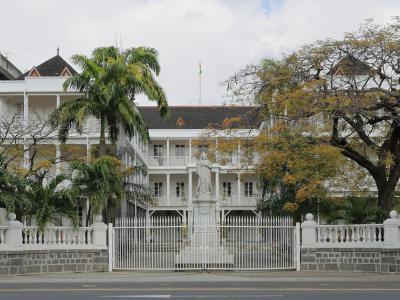
Port Louis' historical narrative is vividly reflected in its Old Town area, where colonial buildings blend with modern structures, encapsulating the city’s evolution over centuries. The Arms Square forms the grand entrance to the core of the city, flanked by royal palms leading up to the stately Government House.
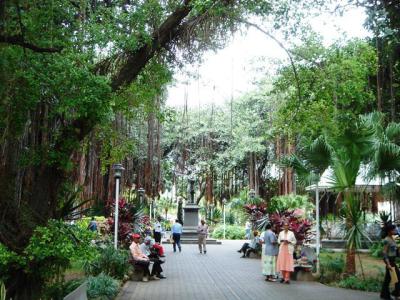
Adjacent to this is the Natural History Museum, home to some of the island's rarest specimens, including the famous dodo bird. The nearby Company Gardens, a remnant of the East India Company’s influence on the island, provide a serene escape amid the urban landscape.
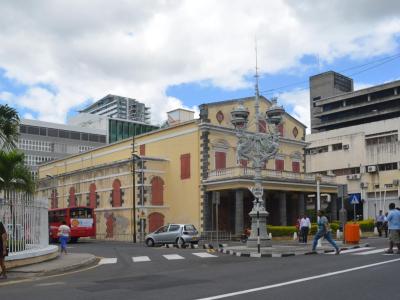
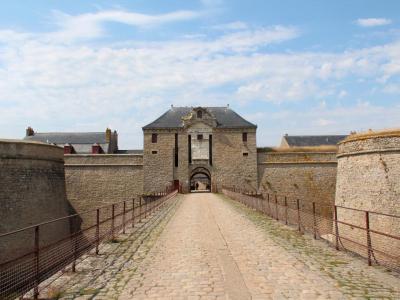
The cultural richness of Port Louis is further exemplified by landmarks such as the Port Louis Theatre and Saint Louis Cathedral. Fort Adelaide, perched above the city, offers panoramic views and a glimpse into the area's defensive past.
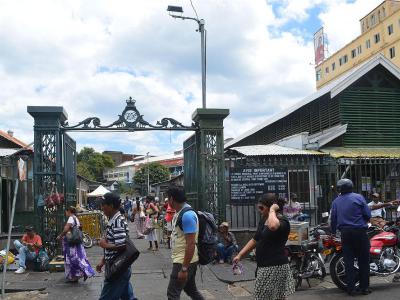
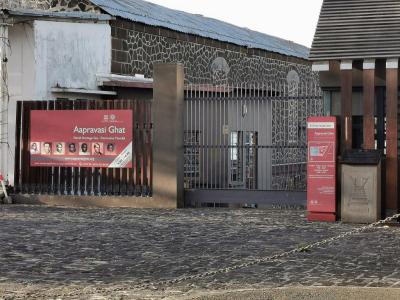
Meanwhile, the Central Market offers a sensory overload of sights, sounds, and smells where one can experience the local flavors and crafts. Significant historical sites also include the Aapravasi Ghat, recognized by UNESCO for its role in the history of indentured labor.
Port Louis is more than just a destination; it's a journey through time and culture. Take this self-guided introductory walk to the heart of Mauritius and make your own memories in this tropical haven.
Initially a Dutch harbor known as Harbour of Tortoises in 1606, the city became the administrative center of Mauritius under French rule in 1736 and was renamed in honor of King Louis XV.
During that time, the island served as a crucial stopover for French ships navigating between Asia and Europe around the Cape of Good Hope and was known as Isle of France. The city’s development was significantly influenced by the French governor, Bertrand-François Mahé de La Bourdonnais. Given its location well-protected from cyclones by the Moka Mountain Range, the strategic importance of Port Louis continued through the British occupation during the Napoleonic Wars. Although the opening of the Suez Canal in 1869 reduced ship visits, the port saw a resurgence during its closure in 1967 and subsequent modernizations in the late 1970s.
Today, while still the business and administrative hub, Port Louis has expanded into tourism, notably through developments at the Caudan Waterfront – blending shopping, dining, and entertainment with seaside charm.
Port Louis' historical narrative is vividly reflected in its Old Town area, where colonial buildings blend with modern structures, encapsulating the city’s evolution over centuries. The Arms Square forms the grand entrance to the core of the city, flanked by royal palms leading up to the stately Government House.
Adjacent to this is the Natural History Museum, home to some of the island's rarest specimens, including the famous dodo bird. The nearby Company Gardens, a remnant of the East India Company’s influence on the island, provide a serene escape amid the urban landscape.
The cultural richness of Port Louis is further exemplified by landmarks such as the Port Louis Theatre and Saint Louis Cathedral. Fort Adelaide, perched above the city, offers panoramic views and a glimpse into the area's defensive past.
Meanwhile, the Central Market offers a sensory overload of sights, sounds, and smells where one can experience the local flavors and crafts. Significant historical sites also include the Aapravasi Ghat, recognized by UNESCO for its role in the history of indentured labor.
Port Louis is more than just a destination; it's a journey through time and culture. Take this self-guided introductory walk to the heart of Mauritius and make your own memories in this tropical haven.
How it works: Download the app "GPSmyCity: Walks in 1K+ Cities" from Apple App Store or Google Play Store to your mobile phone or tablet. The app turns your mobile device into a personal tour guide and its built-in GPS navigation functions guide you from one tour stop to next. The app works offline, so no data plan is needed when traveling abroad.
Download The GPSmyCity App



Port Louis Introduction Walking Tour Map
Guide Name: Port Louis Introduction Walking Tour
Guide Location: Mauritius » Port Louis (See other walking tours in Port Louis)
Guide Type: Self-guided Walking Tour (Sightseeing)
Tour Duration: 2 Hour(s)
Travel Distance: 3.4 Km or 2.1 Miles
Guide Location: Mauritius » Port Louis (See other walking tours in Port Louis)
Guide Type: Self-guided Walking Tour (Sightseeing)
Tour Duration: 2 Hour(s)
Travel Distance: 3.4 Km or 2.1 Miles
Sights Featured in This Walk



The Most Popular Cities
/ view all