

Audio Guide: Taipei Introduction Walking Tour (Self Guided), Taipei
Taipei, the capital of Taiwan, developed relatively late compared to many other major Asian cities, yet its history reflects centuries of migration, trade, and political change. The name Taipei derives from “Tai-pak,” meaning “North of Taiwan” or “Northern Taiwan,” a designation that distinguishes it from Tainan, the island’s earlier administrative centre in the south.
Long before large-scale settlement, the Taipei Basin was inhabited by Indigenous peoples, most notably the Ketagalan, who lived along rivers, wetlands, and fertile lowlands. From the 17th century, and especially during the 18th century, Han Chinese migration from Fujian Province increased under Qing dynasty rule, driven by agricultural opportunities and access to river transport. Early settlements developed around present-day Wanhua District, which emerged as a key trading port connected to tea, camphor, rice, and other agricultural exports.
Taipei’s transformation accelerated in the late 19th century. In 1875, the Qing government established Taipei Prefecture, acknowledging the strategic importance of northern Taiwan. Urban development followed, including the construction of city walls, gates, temples, and administrative buildings that defined the Old City. In 1885, Taiwan was elevated to provincial status, and Taipei served as its capital, a role formally confirmed in 1887.
This period of Chinese administration was short-lived. After the First Sino-Japanese War, Taiwan was ceded to Japan in 1895. During five decades of Japanese colonial rule, Taipei was extensively modernised. Railways, sanitation systems, schools, hospitals, government offices, and planned avenues reshaped the city, many of which still form the backbone of Taipei’s urban layout today.
Following Japan’s World War II defeat in 1945, Taiwan was placed under the administration of the Republic of China. After losing the Chinese Civil War, the Nationalist government relocated to Taipei in 1949, making it the de facto capital of the Republic of China. This era brought rapid population growth, industrial expansion, political repression under martial law, and significant urban sprawl.
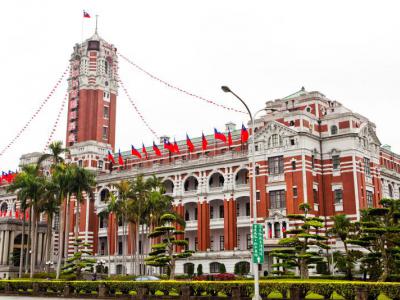
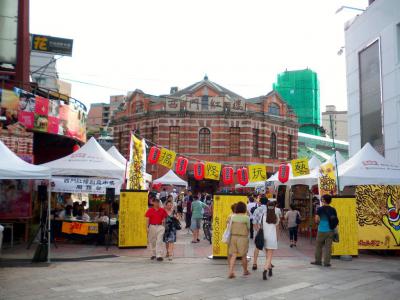
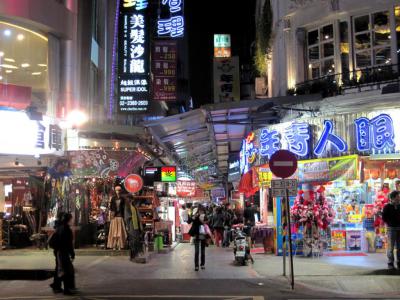
Walking through central Taipei, visitors encounter a layered city where historic temples such as Longshan Temple sit beside Japanese-era buildings, modern government complexes like the Presidential Office Building, and lively shopping streets in the Ximending District. The old districts reveal narrow lanes, traditional markets, and centuries-old shrines, while nearby boulevards open onto museums, cafés, and contemporary public spaces. Food stalls, bookstores, and neon-lit storefronts create a constant rhythm, giving downtown Taipei a mix of everyday local life and cultural depth.
This walk cuts straight through the layers of Taipei-old and new, sacred and everyday. From landmarks and temples to a food market, every stop tells a story of history, culture, and cuisine. Keep walking, stay curious, and let Taipei surprise you at every turn.
Long before large-scale settlement, the Taipei Basin was inhabited by Indigenous peoples, most notably the Ketagalan, who lived along rivers, wetlands, and fertile lowlands. From the 17th century, and especially during the 18th century, Han Chinese migration from Fujian Province increased under Qing dynasty rule, driven by agricultural opportunities and access to river transport. Early settlements developed around present-day Wanhua District, which emerged as a key trading port connected to tea, camphor, rice, and other agricultural exports.
Taipei’s transformation accelerated in the late 19th century. In 1875, the Qing government established Taipei Prefecture, acknowledging the strategic importance of northern Taiwan. Urban development followed, including the construction of city walls, gates, temples, and administrative buildings that defined the Old City. In 1885, Taiwan was elevated to provincial status, and Taipei served as its capital, a role formally confirmed in 1887.
This period of Chinese administration was short-lived. After the First Sino-Japanese War, Taiwan was ceded to Japan in 1895. During five decades of Japanese colonial rule, Taipei was extensively modernised. Railways, sanitation systems, schools, hospitals, government offices, and planned avenues reshaped the city, many of which still form the backbone of Taipei’s urban layout today.
Following Japan’s World War II defeat in 1945, Taiwan was placed under the administration of the Republic of China. After losing the Chinese Civil War, the Nationalist government relocated to Taipei in 1949, making it the de facto capital of the Republic of China. This era brought rapid population growth, industrial expansion, political repression under martial law, and significant urban sprawl.
Walking through central Taipei, visitors encounter a layered city where historic temples such as Longshan Temple sit beside Japanese-era buildings, modern government complexes like the Presidential Office Building, and lively shopping streets in the Ximending District. The old districts reveal narrow lanes, traditional markets, and centuries-old shrines, while nearby boulevards open onto museums, cafés, and contemporary public spaces. Food stalls, bookstores, and neon-lit storefronts create a constant rhythm, giving downtown Taipei a mix of everyday local life and cultural depth.
This walk cuts straight through the layers of Taipei-old and new, sacred and everyday. From landmarks and temples to a food market, every stop tells a story of history, culture, and cuisine. Keep walking, stay curious, and let Taipei surprise you at every turn.
How it works: Download the app "GPSmyCity: Walks in 1K+ Cities" from Apple App Store or Google Play Store to your mobile phone or tablet. The app turns your mobile device into a personal tour guide and its built-in GPS navigation functions guide you from one tour stop to next. The app works offline, so no data plan is needed when traveling abroad.
Download The GPSmyCity App



Taipei Introduction Walking Tour Map
Guide Name: Taipei Introduction Walking Tour
Guide Location: Taiwan » Taipei (See other walking tours in Taipei)
Guide Type: Self-guided Walking Tour (Sightseeing)
Tour Duration: 2 Hour(s)
Travel Distance: 3.6 Km or 2.2 Miles
Guide Location: Taiwan » Taipei (See other walking tours in Taipei)
Guide Type: Self-guided Walking Tour (Sightseeing)
Tour Duration: 2 Hour(s)
Travel Distance: 3.6 Km or 2.2 Miles
Sights Featured in This Walk

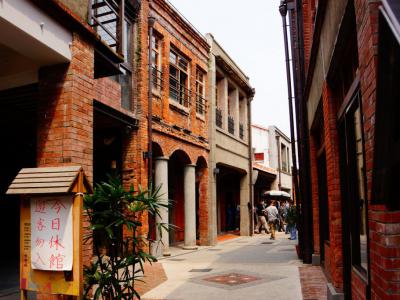
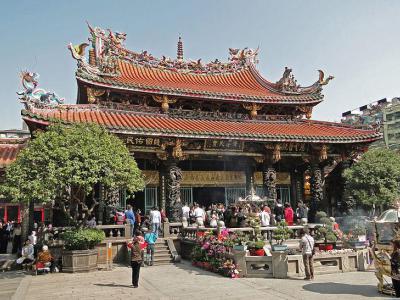
10) Longshan Temple (must see)
Walking Tours in Taipei, Taiwan

Create Your Own Walk in Taipei
Creating your own self-guided walk in Taipei is easy and fun. Choose the city attractions that you want to see and a walk route map will be created just for you. You can even set your hotel as the start point of the walk.
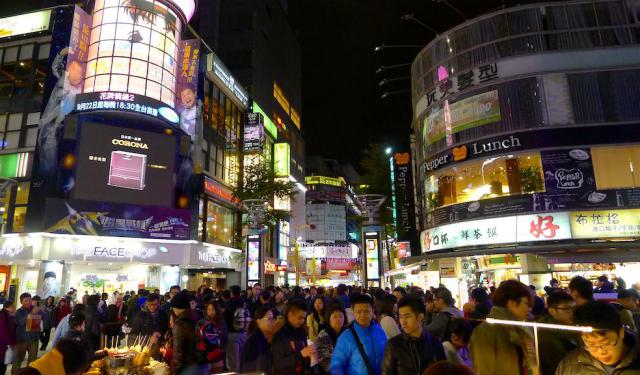
Taipei Shopping Tour
Among the many things Taipei is famous for, shopping is undoubtedly one of the main. The fashion-conscious and business-oriented Taiwanese capital is rightfully regarded to be a shopper’s paradise in East Asia, comparable to the likes of Hong Kong, Seoul, Tokyo, Singapore or Kuala Lumpur. The variety of markets, boutique stores, shopping districts and, of course, first-class malls here is truly... view more
Tour Duration: 1 Hour(s)
Travel Distance: 1.9 Km or 1.2 Miles
Tour Duration: 1 Hour(s)
Travel Distance: 1.9 Km or 1.2 Miles
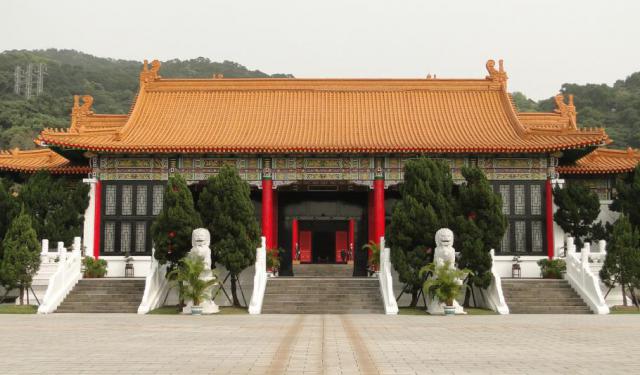
Zhongshan District Walking Tour
Covering a swathe of central Taipei, Zhongshan is the city's most fascinating district. It takes the name from Sun Yat-sen, aka Sun Zhongshan, who was a Chinese statesman and went down in history as the provisional first president of the Republic of China in 1912. Caught in the crosshatch of the area's main streets and secret alleyways is a wonderful mish-mash of attractions: museums and... view more
Tour Duration: 2 Hour(s)
Travel Distance: 5.0 Km or 3.1 Miles
Tour Duration: 2 Hour(s)
Travel Distance: 5.0 Km or 3.1 Miles
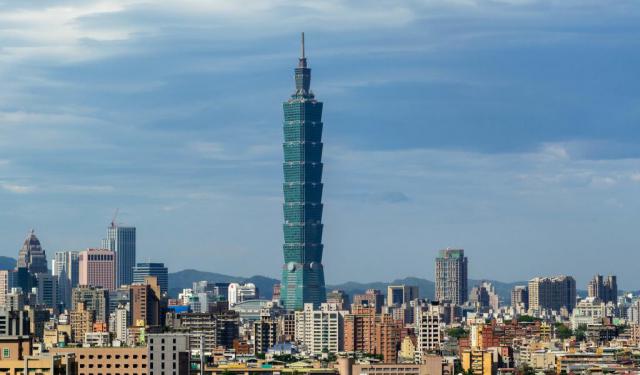
Taipei 101 and Xiangshan Walking Tour
The newest area of urban Taipei, the Xinyi district has technically existed only since 1990. Young as it is though, the neighborhood has earned a reputation of being one of the city's premier travel destinations.
Indeed, in Xinyi you’re never too far from experiencing something truly cool or iconic, be it the impressive Taipei 101 with its landmark observation deck or the breathtaking... view more
Tour Duration: 1 Hour(s)
Travel Distance: 2.3 Km or 1.4 Miles
Indeed, in Xinyi you’re never too far from experiencing something truly cool or iconic, be it the impressive Taipei 101 with its landmark observation deck or the breathtaking... view more
Tour Duration: 1 Hour(s)
Travel Distance: 2.3 Km or 1.4 Miles
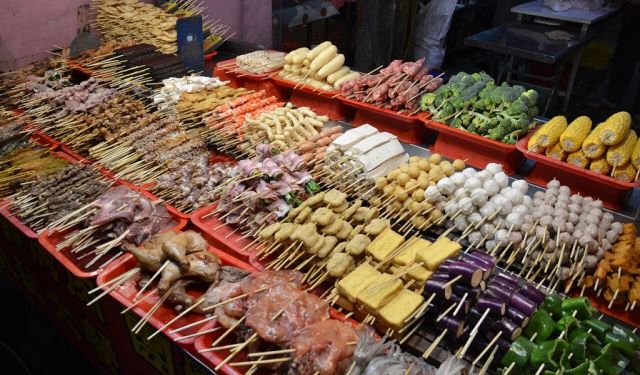
Taipei Night Market Food Tour
British actor Henry Golding described Taipei's night markets as a perfect encapsulation of Taiwan's energy.
The night markets' roots go back to ancient China, particularly the Tang Dynasty, spanning the 7th to 10th centuries, when vendors began selling food and goods after sunset near temples and busy urban areas. Over time, these evening markets became central to social life,... view more
Tour Duration: 1 Hour(s)
Travel Distance: 3.1 Km or 1.9 Miles
The night markets' roots go back to ancient China, particularly the Tang Dynasty, spanning the 7th to 10th centuries, when vendors began selling food and goods after sunset near temples and busy urban areas. Over time, these evening markets became central to social life,... view more
Tour Duration: 1 Hour(s)
Travel Distance: 3.1 Km or 1.9 Miles
Useful Travel Guides for Planning Your Trip

Taipei Souvenirs: 8 Uniquely Taiwanese Products to Bring Home
Other than being an affluent Chinese state off the shore of mainland China, a non-Chinese foreigner might not know much about Taiwan, unless one has already been there. The island is a home to some truly unique things hardly found anywhere else. In Taipei - the country's capital with a great...
The Most Popular Cities
/ view all