

Covent Garden Walking Tour (Self Guided), London
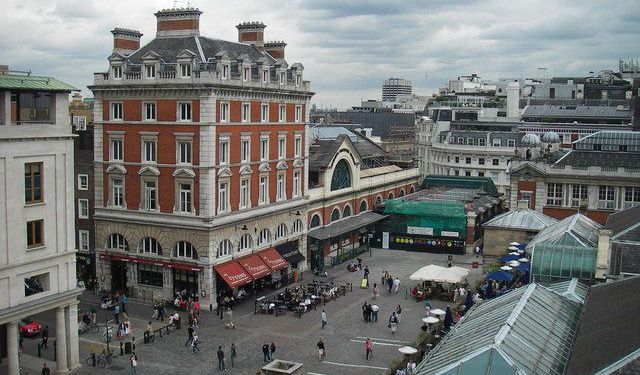
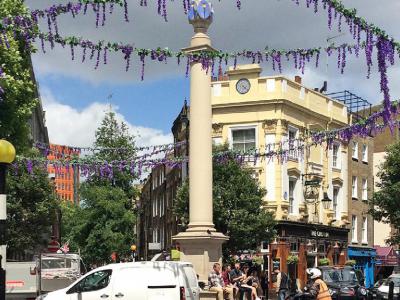
A shopping and entertainment hub on the eastern fringes of London's West End, Covent Garden is a district historically associated with the former fruit-and-vegetable market – currently a shopping spot popular with locals and tourists alike.
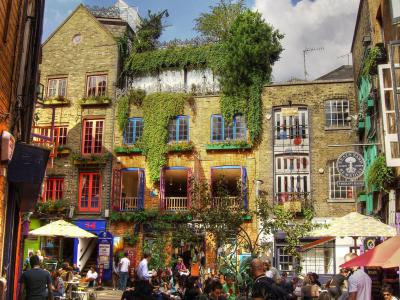
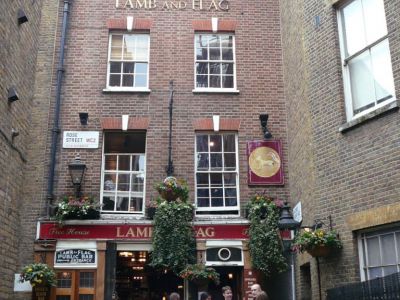
Once a slum area, today the north of the district is given over to independent shops centered on Neal's Yard and Seven Dials. Both places offer boutique shops, vintage and street style clothes, and a great number of pubs and restaurants that cater to shoppers and diners of all tastes.
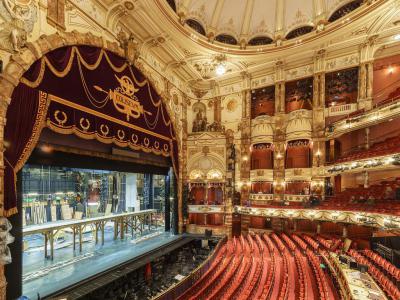
The south of the district contains many historic buildings, theatres and entertainment venues, such as the London Transport Museum and London Coliseum.
In 1757, Benjamin Franklin, one of the founding fathers of the US, arrived in London as agent for the then Pennsylvania Assembly. He settled in a terraced Georgian house on Craven Street, a short distance from the market. During the periods of 1757-1762 and 1764-1775, Franklin lived in the house for nearly sixteen years. Today his former residence is open to public as a museum.
To acquaint yourself with London's Covent Garden for a chance to see its top attractions and sample the variety of shopping and dining options, take this self-guided walking tour!
Once a slum area, today the north of the district is given over to independent shops centered on Neal's Yard and Seven Dials. Both places offer boutique shops, vintage and street style clothes, and a great number of pubs and restaurants that cater to shoppers and diners of all tastes.
The south of the district contains many historic buildings, theatres and entertainment venues, such as the London Transport Museum and London Coliseum.
In 1757, Benjamin Franklin, one of the founding fathers of the US, arrived in London as agent for the then Pennsylvania Assembly. He settled in a terraced Georgian house on Craven Street, a short distance from the market. During the periods of 1757-1762 and 1764-1775, Franklin lived in the house for nearly sixteen years. Today his former residence is open to public as a museum.
To acquaint yourself with London's Covent Garden for a chance to see its top attractions and sample the variety of shopping and dining options, take this self-guided walking tour!
How it works: Download the app "GPSmyCity: Walks in 1K+ Cities" from Apple App Store or Google Play Store to your mobile phone or tablet. The app turns your mobile device into a personal tour guide and its built-in GPS navigation functions guide you from one tour stop to next. The app works offline, so no data plan is needed when traveling abroad.
Download The GPSmyCity App



Covent Garden Walking Tour Map
Guide Name: Covent Garden Walking Tour
Guide Location: England » London (See other walking tours in London)
Guide Type: Self-guided Walking Tour (Sightseeing)
Tour Duration: 2 Hour(s)
Travel Distance: 3.0 Km or 1.9 Miles
Guide Location: England » London (See other walking tours in London)
Guide Type: Self-guided Walking Tour (Sightseeing)
Tour Duration: 2 Hour(s)
Travel Distance: 3.0 Km or 1.9 Miles
Sights Featured in This Walk
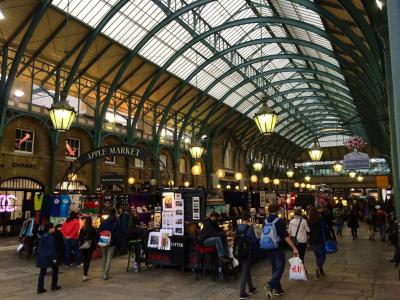
1) Covent Garden Piazza (must see)



Walking Tours in London, England

Create Your Own Walk in London
Creating your own self-guided walk in London is easy and fun. Choose the city attractions that you want to see and a walk route map will be created just for you. You can even set your hotel as the start point of the walk.
Kensington/Knightsbridge Walking Tour
Situated just below Hyde Park, Knightsbridge and South Kensington are two adjacent neighborhoods with grand Victorian homes and leafy garden squares. Home to London’s most expensive homes, Knightsbridge has some of the highest density of millionaires in the world. This is clearly reflected in the selection of stores & restaurants in the area, including the famous Harvey Nichols and Harrods... view more
Tour Duration: 2 Hour(s)
Travel Distance: 4.5 Km or 2.8 Miles
Tour Duration: 2 Hour(s)
Travel Distance: 4.5 Km or 2.8 Miles
South Bank Walking Tour
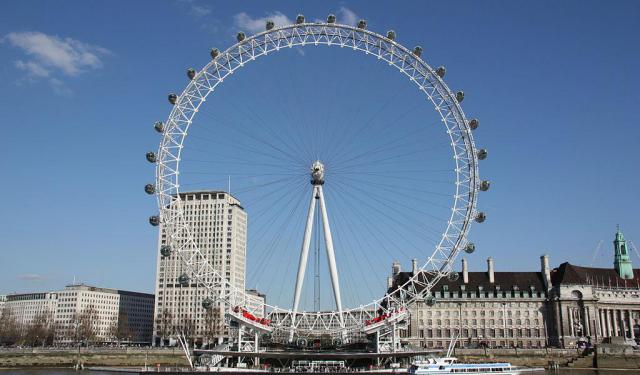
London’s South Bank, stretching along the southern side of the River Thames, roughly between Westminster Bridge and Tower Bridge, is one of the most interesting and liveliest parts of the British capital. Here, London’s old soul and modern edge shake hands... and then probably go grab a pint together. Famous for its arts, culture, food, and scenic riverside walks, the area has a long and... view more
Tour Duration: 3 Hour(s)
Travel Distance: 4.8 Km or 3 Miles
Tour Duration: 3 Hour(s)
Travel Distance: 4.8 Km or 3 Miles

Jane Austen’s London
The celebrated English novelist Jane Austen primarily lived between Bath and Hampshire. However, London also held a special significance in Austen's life. Many of her novels drew inspiration from the capital, like Lydia Bennet and Mr Wickham’s elopement in “Pride & Prejudice.”
One of Austen's cherished spots in London was Twinings, a renowned tea shop. Jane Austen was known... view more
Tour Duration: 2 Hour(s)
Travel Distance: 4.4 Km or 2.7 Miles
One of Austen's cherished spots in London was Twinings, a renowned tea shop. Jane Austen was known... view more
Tour Duration: 2 Hour(s)
Travel Distance: 4.4 Km or 2.7 Miles

Charles Dickens Tour
Imagine a world without Dickens. No Oliver Twist, no Ebenezer Scrooge, no brooding orphans wandering foggy streets with suspiciously eloquent vocabularies. Tough to picture, right? That’s because Charles Dickens didn’t just leave a mark on literature-he practically steamrolled through it in a horse-drawn carriage. Recognized as the undisputed heavyweight of Victorian storytelling, he pioneered... view more
Tour Duration: 3 Hour(s)
Travel Distance: 4.5 Km or 2.8 Miles
Tour Duration: 3 Hour(s)
Travel Distance: 4.5 Km or 2.8 Miles
Jack the Ripper Walking Tour
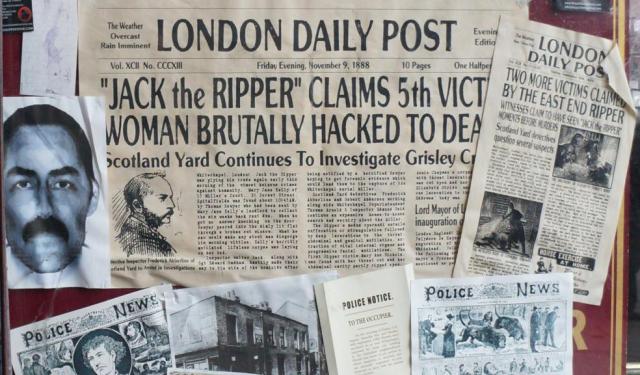
Jack the Ripper, an unidentified serial killer who terrorized the British capital in 1888, became notorious for the series of brutal and gruesome murders that he carried out in the East End of London. The primary setting for the Jack the Ripper attacks was Whitechapel, at the time a poverty-stricken and crime-ridden district, known for its dark alleys and narrow streets.
The name "Jack the... view more
Tour Duration: 2 Hour(s)
Travel Distance: 4.0 Km or 2.5 Miles
The name "Jack the... view more
Tour Duration: 2 Hour(s)
Travel Distance: 4.0 Km or 2.5 Miles
London Introduction Walking Tour
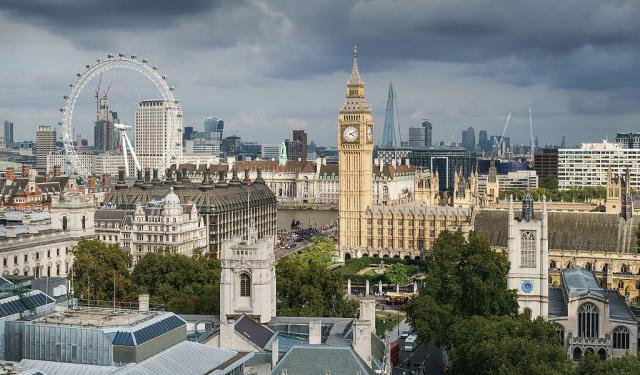
London: the capital of England, heart of the UK, and international heavyweight in history, culture, and sheer charm. Its name comes straight out of Rome. Londinium was founded circa 43 AD as a trading post. Then came Queen Boudica in 61 AD, who, let’s say, didn’t care much for Roman urban planning and burnt it to the ground. But Londinium wasn’t one to stay down-it bounced back, flourished,... view more
Tour Duration: 2 Hour(s)
Travel Distance: 4.2 Km or 2.6 Miles
Tour Duration: 2 Hour(s)
Travel Distance: 4.2 Km or 2.6 Miles
Useful Travel Guides for Planning Your Trip

London Souvenirs: 18 Distinctively British Products for Travelers
Most visitors to London consider shopping as part of their must-do London experience. From street markets to Victorian arcades to snobbish Sloane Square to busy Oxford Street, there are a host of shops selling items which typically represent this vibrant city. Whether you are shopping for souvenirs...
The Most Popular Cities
/ view all