

Chicago Chinatown Walking Tour (Self Guided), Chicago
Tucked away just south of the Loop, the Chinatown of Chicago was established in 1912 and is considered one of the best examples of American Chinatown. While it may be one of Chicago’s smallest neighborhoods geographically, it is big on character, colors, sights, sounds, and flavors. Here, you’ll find a wide range of unique boutiques, specialty shops, religious sights, authentic Chinese restaurants and medicine stores.
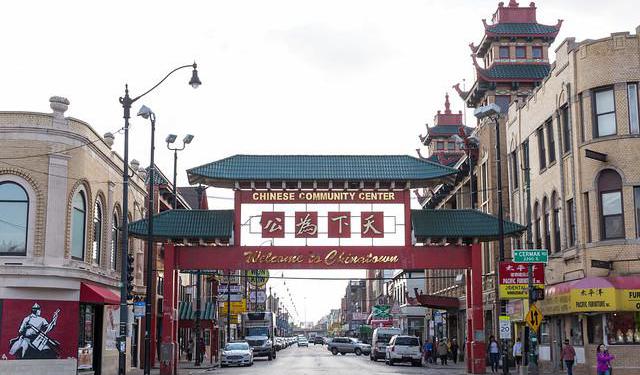
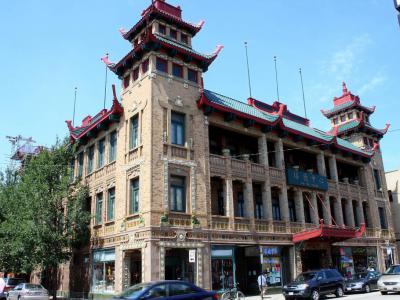
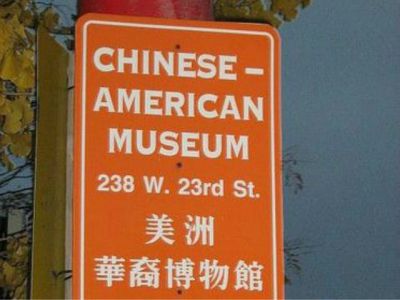
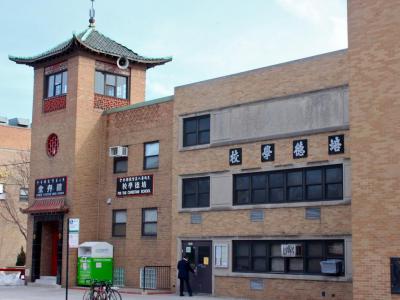
Start at the Chinatown Gate over Wentworth at Cermak Road – one of the neighborhood’s most emblematic streets since long. Visit the Pui Tak building, designated a Chicago Landmark in 1993, informally known as Chinatown’s “City Hall”, then learn about the settlement’s history at the interesting Chinese-American Museum, which shares the story of Chinese Americans through their own eyes and words. Besides an excellent film explaining early immigration to Chicago, there are dozens of artifacts and documents to browse through.
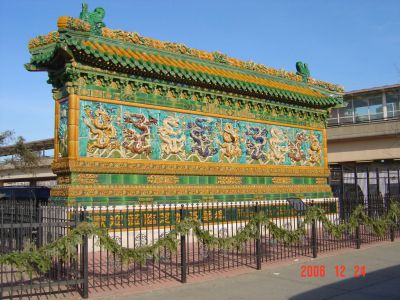
On the northeast corner of Cermak and Wentworth, you’ll find the Nine Dragon Wall – a reproduction of the 15th-century mural of the same name in Beijing. Each of the nine dragons brings a special kind of prosperity luck for the present and future!
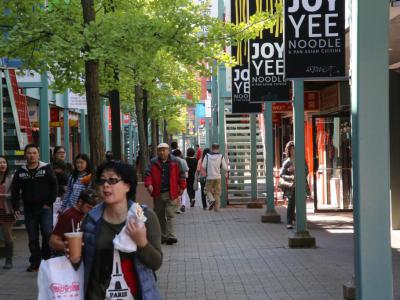
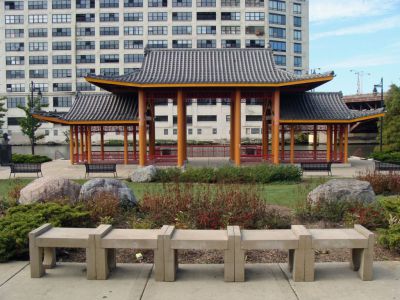
Chinatown Square is a newer area as compared to the main strip or Wentworth Ave. An outdoor mall of sorts, it is filled with restaurants, retail, a bank, beauty shops, and offices – though you might also get to see traditional festivals during certain times of the year. Scrolling along further away, the Ping Tom Memorial Park awaits you on the riverfront.
Follow this self-guided walking tour to discover one of North America’s largest and most vibrant Chinese communities!
Start at the Chinatown Gate over Wentworth at Cermak Road – one of the neighborhood’s most emblematic streets since long. Visit the Pui Tak building, designated a Chicago Landmark in 1993, informally known as Chinatown’s “City Hall”, then learn about the settlement’s history at the interesting Chinese-American Museum, which shares the story of Chinese Americans through their own eyes and words. Besides an excellent film explaining early immigration to Chicago, there are dozens of artifacts and documents to browse through.
On the northeast corner of Cermak and Wentworth, you’ll find the Nine Dragon Wall – a reproduction of the 15th-century mural of the same name in Beijing. Each of the nine dragons brings a special kind of prosperity luck for the present and future!
Chinatown Square is a newer area as compared to the main strip or Wentworth Ave. An outdoor mall of sorts, it is filled with restaurants, retail, a bank, beauty shops, and offices – though you might also get to see traditional festivals during certain times of the year. Scrolling along further away, the Ping Tom Memorial Park awaits you on the riverfront.
Follow this self-guided walking tour to discover one of North America’s largest and most vibrant Chinese communities!
How it works: Download the app "GPSmyCity: Walks in 1K+ Cities" from Apple App Store or Google Play Store to your mobile phone or tablet. The app turns your mobile device into a personal tour guide and its built-in GPS navigation functions guide you from one tour stop to next. The app works offline, so no data plan is needed when traveling abroad.
Download The GPSmyCity App



Chicago Chinatown Walking Tour Map
Guide Name: Chicago Chinatown Walking Tour
Guide Location: USA » Chicago (See other walking tours in Chicago)
Guide Type: Self-guided Walking Tour (Sightseeing)
Tour Duration: 1 Hour(s)
Travel Distance: 1.7 Km or 1.1 Miles
Guide Location: USA » Chicago (See other walking tours in Chicago)
Guide Type: Self-guided Walking Tour (Sightseeing)
Tour Duration: 1 Hour(s)
Travel Distance: 1.7 Km or 1.1 Miles
Sights Featured in This Walk

Walking Tours in Chicago, Illinois

Create Your Own Walk in Chicago
Creating your own self-guided walk in Chicago is easy and fun. Choose the city attractions that you want to see and a walk route map will be created just for you. You can even set your hotel as the start point of the walk.
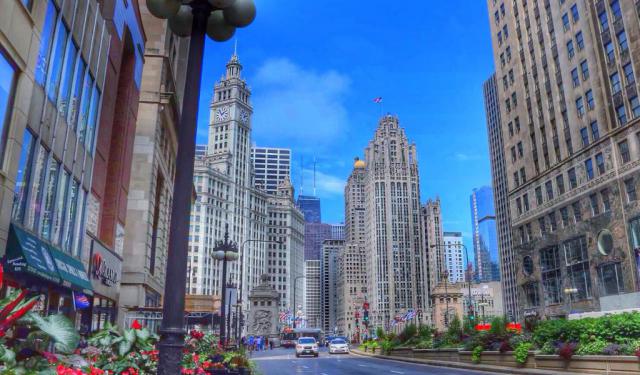
The Magnificent Mile Walking Tour
The stretch of Michigan Avenue from the Chicago River to Lake Shore Drive, otherwise known as the Magnificent Mile, is regarded as one of the world’s great avenues – or Chicago’s version of Fifth Avenue. Take this self-guided walk to explore its whole stretch and surrounding area, featuring a wide selection of amazing stores/malls, world-known museums, restaurants and spectacular... view more
Tour Duration: 3 Hour(s)
Travel Distance: 4.0 Km or 2.5 Miles
Tour Duration: 3 Hour(s)
Travel Distance: 4.0 Km or 2.5 Miles
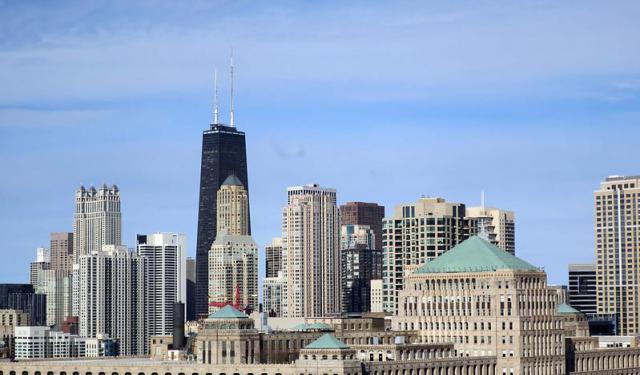
Chicago Introduction Walking Tour
Chicago, perched on the shores of Lake Michigan in Illinois, is a city steeped in history and urban vibrancy. Known by numerous nicknames such as the Windy City and the City of Big Shoulders, it boasts a skyline marked by towering structures. The area of today's Chicago, initially inhabited by Native American tribes, saw its first European-settled reference as "Chicagou" in 1679, a... view more
Tour Duration: 2 Hour(s)
Travel Distance: 3.9 Km or 2.4 Miles
Tour Duration: 2 Hour(s)
Travel Distance: 3.9 Km or 2.4 Miles
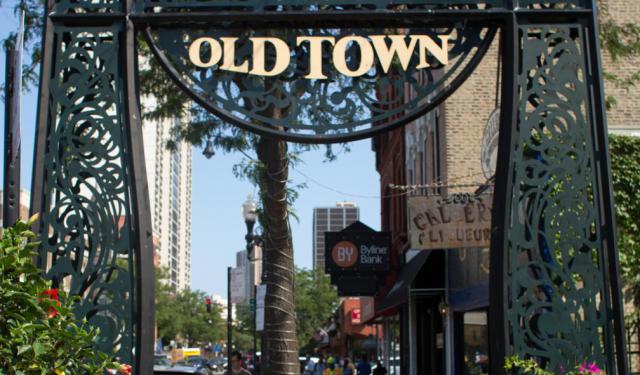
Chicago Old Town Walking Tour
Settled in 1850 by German immigrants, Chicago’s Old Town neighborhood is a popular destination for locals and visitors who cater to the entertainment venues, restaurants, pubs, coffee shops and boutiques – all of which have turned an area once referred to as the “Cabbage Patch” into an attraction that rivals Navy Pier, Wrigley Field and the Magnificent Mile.
Start your Old Town walking... view more
Tour Duration: 2 Hour(s)
Travel Distance: 2.6 Km or 1.6 Miles
Start your Old Town walking... view more
Tour Duration: 2 Hour(s)
Travel Distance: 2.6 Km or 1.6 Miles
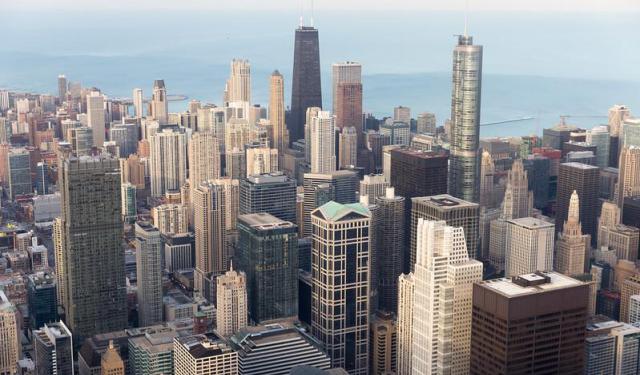
Loop District Architecture Walking Tour
The Chicago Loop District-essentially the city’s historic downtown-has long been a stage for architectural innovation and an open-air museum of American architecture.
The construction boom started after the Great Chicago Fire of 1871, which destroyed much of the central business district, gave architects a blank canvas to rebuild the city from the ground up. What followed was a surge of... view more
Tour Duration: 3 Hour(s)
Travel Distance: 4.7 Km or 2.9 Miles
The construction boom started after the Great Chicago Fire of 1871, which destroyed much of the central business district, gave architects a blank canvas to rebuild the city from the ground up. What followed was a surge of... view more
Tour Duration: 3 Hour(s)
Travel Distance: 4.7 Km or 2.9 Miles
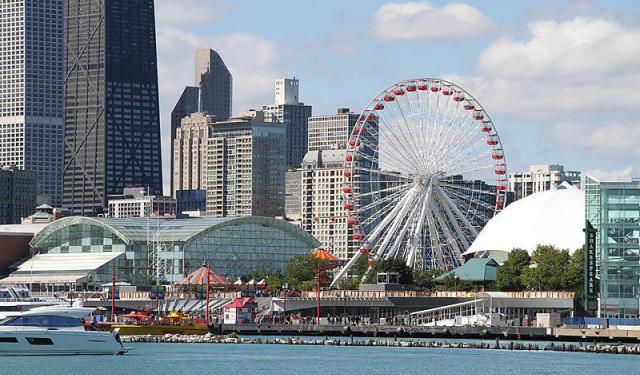
Chicago Navy Pier Walking Tour
Additional to scenic views of the lake, the boats, and the city skyline, the Navy Pier offers a variety of attractions on the waterfront – for kids as well as adults – that draw nearly ten million people annually, making this Chicago's most visited spot. Yes, some may see it as a “tourist trap”, but it is worth the time and money to spend some time here, so take this self-guided walk... view more
Tour Duration: 1 Hour(s)
Travel Distance: 1.0 Km or 0.6 Miles
Tour Duration: 1 Hour(s)
Travel Distance: 1.0 Km or 0.6 Miles
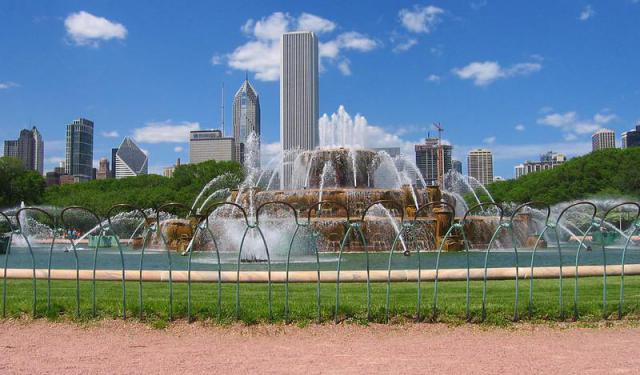
Millennium and Grant Parks Walking Tour
If Chicago had a living room, it would be Grant Park - and if it had a shiny new media room, that would definitely be Millennium Park. These two sprawling green spaces hug the lakeshore like the city’s favorite blanket, offering locals and tourists alike a perfect blend of nature, art, and architecture with a side of skyline.
Let’s start with the elder of the two - Grant Park, established... view more
Tour Duration: 2 Hour(s)
Travel Distance: 2.7 Km or 1.7 Miles
Let’s start with the elder of the two - Grant Park, established... view more
Tour Duration: 2 Hour(s)
Travel Distance: 2.7 Km or 1.7 Miles
Useful Travel Guides for Planning Your Trip
Chicago Souvenirs: 15 Distinct Local Products to Bring Home
One of the most fascinating cities in the U.S., if not the whole world, Chicago has no shortage of things closely associated with it, often due to their direct origin (blues, gangstership, etc.), so one might literally be spoiled for choice as to what to choose as a "piece" of Chicago to...
The Most Popular Cities
/ view all