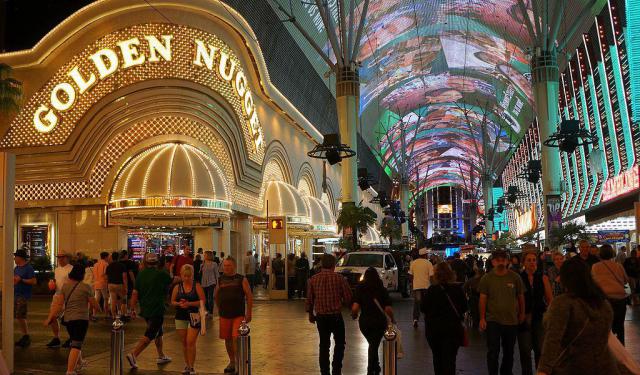


Audio Guide: Downtown Walking Tour (Self Guided), Las Vegas
Las Vegas began not as a gambling capital, but as a modest desert settlement shaped by transportation and opportunity. The turning point came in 1905 with the arrival of the San Pedro, Los Angeles and Salt Lake Railroad, which transformed a remote oasis into a service town for workers, traders, and travelers crossing the Mojave Desert. Officially incorporated in 1911, the city’s early life revolved around Fremont Street, which quickly emerged as its commercial and social center.
The legalization of gambling and quick divorces in Nevada in 1931 accelerated this development, drawing dam workers, tourists, and entrepreneurs to downtown Las Vegas. Casinos, hotels, and entertainment venues clustered along Fremont Street, establishing the city’s first gaming district decades before the rise of the Las Vegas Strip and laying the foundations for its modern identity.
During the 1940s and 1950s, downtown flourished. Neon signage transformed Fremont Street into a glowing corridor known as “Glitter Gulch”, while mob-connected investors financed major casino projects. The area also became a focal point for federal attention, including hearings by the Kefauver Committee, held in the downtown courthouse, which exposed organized crime’s role in the gaming industry. Despite this scrutiny, downtown remained the heart of Las Vegas entertainment.
The 1960s and 1970s brought change. Large-scale resort development shifted south to what became the Las Vegas Strip, drawing attention and investment away from downtown. Many historic properties struggled, and some landmarks were demolished. By the 1990s, downtown faced declining foot traffic and aging infrastructure.
Revitalization began in earnest in the mid-1990s with the creation of the Fremont Street Experience, which introduced a pedestrian mall and massive light canopy. In the 2000s and 2010s, renewed interest in history, culture, and urban living fueled further renewal. Museums, restored casinos, public art, and entertainment venues helped reposition downtown as both a heritage district and a contemporary cultural hub.
The Fremont Street Experience anchors the area with its vast light canopy and live entertainment, while the SlotZilla Zipline adds a overhead perspective. Nearby, the Mob Museum explores the city’s criminal and law enforcement past, the Neon Museum preserves iconic signage, and Downtown Container Park offers open-air dining, shops, and public art in a creative setting.
Today, Downtown Las Vegas balances preservation and reinvention. It remains the city’s oldest neighborhood, where early casinos, historic buildings, and neon signs coexist with modern attractions, offering visitors a concentrated view of how Las Vegas evolved from railroad town to global entertainment capital.
The legalization of gambling and quick divorces in Nevada in 1931 accelerated this development, drawing dam workers, tourists, and entrepreneurs to downtown Las Vegas. Casinos, hotels, and entertainment venues clustered along Fremont Street, establishing the city’s first gaming district decades before the rise of the Las Vegas Strip and laying the foundations for its modern identity.
During the 1940s and 1950s, downtown flourished. Neon signage transformed Fremont Street into a glowing corridor known as “Glitter Gulch”, while mob-connected investors financed major casino projects. The area also became a focal point for federal attention, including hearings by the Kefauver Committee, held in the downtown courthouse, which exposed organized crime’s role in the gaming industry. Despite this scrutiny, downtown remained the heart of Las Vegas entertainment.
The 1960s and 1970s brought change. Large-scale resort development shifted south to what became the Las Vegas Strip, drawing attention and investment away from downtown. Many historic properties struggled, and some landmarks were demolished. By the 1990s, downtown faced declining foot traffic and aging infrastructure.
Revitalization began in earnest in the mid-1990s with the creation of the Fremont Street Experience, which introduced a pedestrian mall and massive light canopy. In the 2000s and 2010s, renewed interest in history, culture, and urban living fueled further renewal. Museums, restored casinos, public art, and entertainment venues helped reposition downtown as both a heritage district and a contemporary cultural hub.
The Fremont Street Experience anchors the area with its vast light canopy and live entertainment, while the SlotZilla Zipline adds a overhead perspective. Nearby, the Mob Museum explores the city’s criminal and law enforcement past, the Neon Museum preserves iconic signage, and Downtown Container Park offers open-air dining, shops, and public art in a creative setting.
Today, Downtown Las Vegas balances preservation and reinvention. It remains the city’s oldest neighborhood, where early casinos, historic buildings, and neon signs coexist with modern attractions, offering visitors a concentrated view of how Las Vegas evolved from railroad town to global entertainment capital.
How it works: Download the app "GPSmyCity: Walks in 1K+ Cities" from Apple App Store or Google Play Store to your mobile phone or tablet. The app turns your mobile device into a personal tour guide. For US$14.99 per year, you get access to walking tours in 630+ cities worldwide. In comparison, a guided tour often costs dozens of dollars per person for a single tour. The app works offline, so no data plan is needed when traveling abroad.
Download The GPSmyCity App



Downtown Walking Tour Map
Guide Name: Downtown Walking Tour
Guide Location: USA » Las Vegas (See other walking tours in Las Vegas)
Guide Type: Self-guided Walking Tour (Sightseeing)
Tour Duration: 1 Hour(s)
Travel Distance: 2.1 Km or 1.3 Miles
Guide Location: USA » Las Vegas (See other walking tours in Las Vegas)
Guide Type: Self-guided Walking Tour (Sightseeing)
Tour Duration: 1 Hour(s)
Travel Distance: 2.1 Km or 1.3 Miles
Sights Featured in This Walk

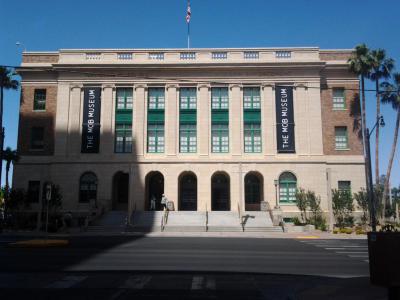
2) Mob Museum (must see)


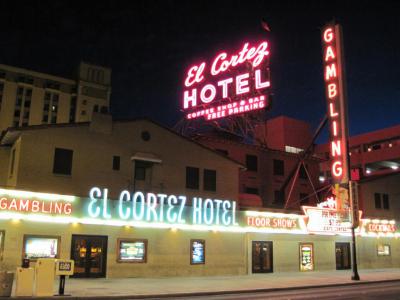

Walking Tours in Las Vegas, Nevada

Create Your Own Walk in Las Vegas
Creating your own self-guided walk in Las Vegas is easy and fun. Choose the city attractions that you want to see and a walk route map will be created just for you. You can even set your hotel as the start point of the walk.
Gangster Attractions Walking Tour
The development of Las Vegas as a gambling and entertainment hub in the mid-20th century drew the attention of powerful criminal syndicates, who saw the potential for profit in the city's casinos and other enterprises. Indeed, Las Vegas with its glitz and glamour wouldn't be what it is now without the involvement of mobster “wiseguys”. There are still a few places in town that evoke... view more
Tour Duration: 3 Hour(s)
Travel Distance: 8.1 Km or 5 Miles
Tour Duration: 3 Hour(s)
Travel Distance: 8.1 Km or 5 Miles
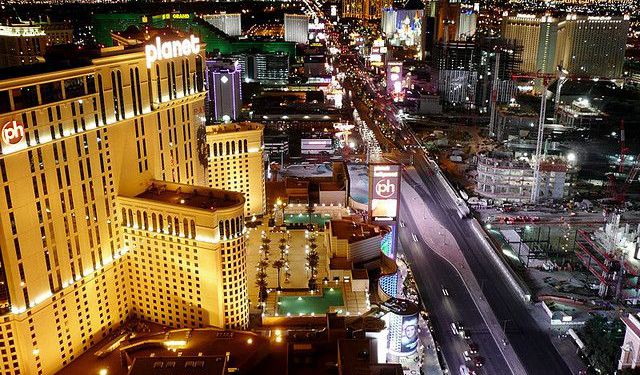
Las Vegas Boulevard Walking Tour
“What happens in Las Vegas, stays in Las Vegas.”
Las Vegas began as a desert oasis long before it became synonymous with neon lights and casinos. The area was originally inhabited by Southern Paiute peoples, who relied on natural artesian springs that surfaced in what is now the Las Vegas Valley. The name Las Vegas comes from Spanish and means “the meadows”. It was given in 1829 by... view more
Tour Duration: 2 Hour(s)
Travel Distance: 3.4 Km or 2.1 Miles
Las Vegas began as a desert oasis long before it became synonymous with neon lights and casinos. The area was originally inhabited by Southern Paiute peoples, who relied on natural artesian springs that surfaced in what is now the Las Vegas Valley. The name Las Vegas comes from Spanish and means “the meadows”. It was given in 1829 by... view more
Tour Duration: 2 Hour(s)
Travel Distance: 3.4 Km or 2.1 Miles
Useful Travel Guides for Planning Your Trip
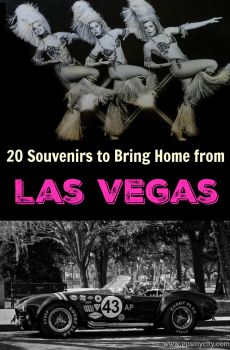
20 Souvenirs to Bring Home from Las Vegas
You may have kept on the run, had some fun in Las Vegas and, unless it cost you the very last dime, you might want to pick up something memorable to bring home, other than a handful of uncashed casino chips. In fact, you might as well be surprised to know there is something else in Vegas, apart from...
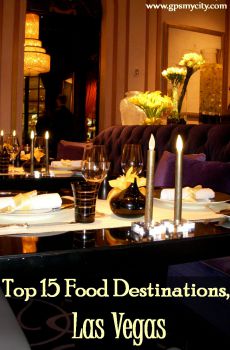
13 Best Food Destinations in Las Vegas
Las Vegas has a long-standing history of great restaurants. The city has grown so fast in the last decades, seeing many celebrity chefs in the world of culinary setting up multiple craft food establishments in either mega-resort hotels or private entities off-the-Strip, that now it is practically...
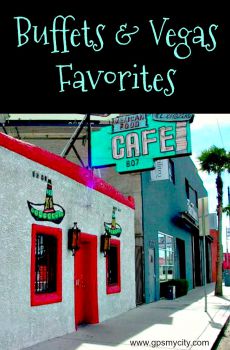
Top 18 Buffets in Las Vegas
In 1941, Thomas Hull, the man behind the Strip’s first hotel the El Rancho Vegas, realized that even though he might lose a few dollars by offering an “all you can eat” buffet,” the reward of funneling thousands of hungry gamblers through his casino to get to the buffet would more than pay...
The Most Popular Cities
/ view all