

Audio Guide: Dubrovnik Introduction Walking Tour (Self Guided), Dubrovnik
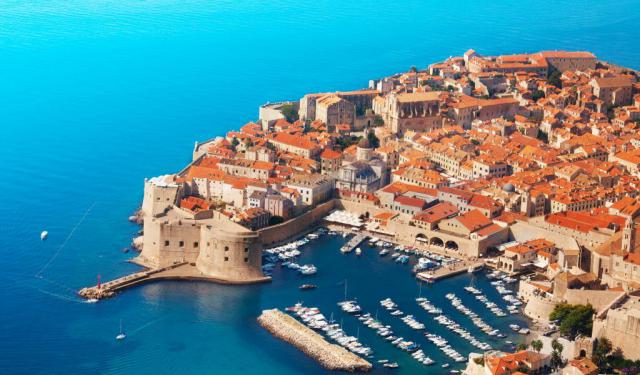
Dubrovnik—sitting on a rocky stretch of coast in southern Croatia—is a place where medieval walls still wrap around daily life, cafés spill onto polished stone streets, and the bright blue Adriatic glitters just beyond the rooftops. Because of its remarkable architecture, Dubrovnik was added to the UNESCO World Heritage list in 1979. Today, the city has no shortage of visitors who come here for historic monuments, seaside scenery, and the unmistakable buzz of a spot that has been lively for centuries.
The name “Dubrovnik” likely comes from the Slavic word dubrava, which means “oak forest.” Back in the early Middle Ages, Slavic settlers built a community near a wooded area outside an older coastal village called Ragusa. The latter was founded in the 7th century by refugees fleeing from invasions that destroyed nearby Roman towns, such as Epidaurum. Over time, the two communities—one Latin, one Slavic—grew together, with the name Dubrovnik eventually replacing Ragusa.
At some point, the young city fell under Byzantine protection and later felt the influence of Venice. By the 14th century, it had grown confident enough to become an independent republic. Thanks to clever diplomacy and thriving maritime trade, the republic became wealthy and influential, reaching its cultural and economic peak in the 18th century.
Later came new rulers: the French during the Napoleonic era, then the Austrian and Austria-Hungarian Empires, and, eventually, Yugoslavia. In 1991, during the breakup of Yugoslavia, Dubrovnik endured a seven-month siege that damaged many historic buildings. Extensive restoration in the following decades helped the city recover, and today, Dubrovnik once again welcomes visitors from around the world.
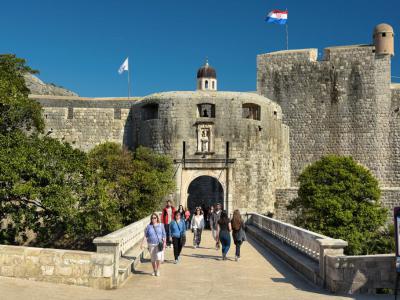
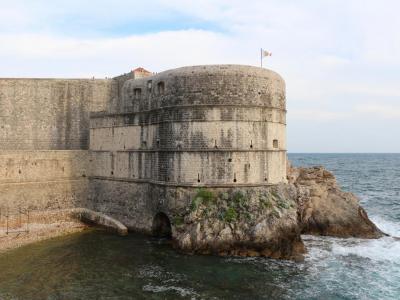
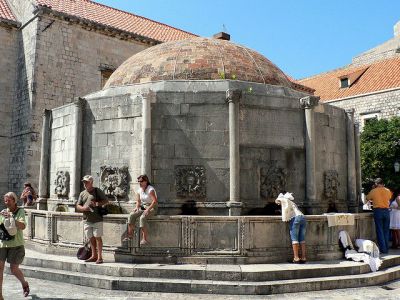
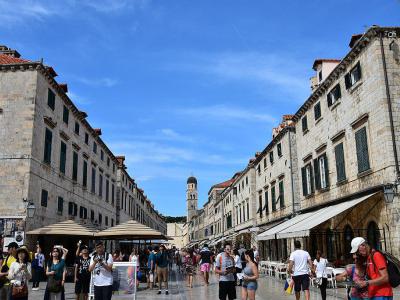
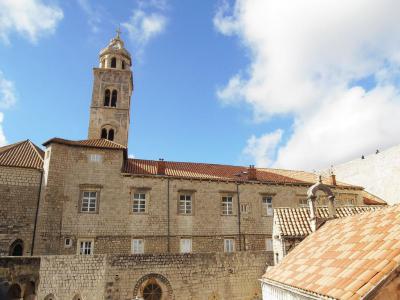
The Old Town remains the city’s living heart. The smooth limestone avenue called Stradun runs straight through the center, lined with shops, cafés, and historic landmarks. Many visitors begin at Pile Gate, where the massive walls open into the city. Nearby stand Fort Bokar, the Large Onofrio’s Fountain, Saint Saviour’s Church, and the Franciscan Monastery, home to one of Europe’s oldest pharmacies.
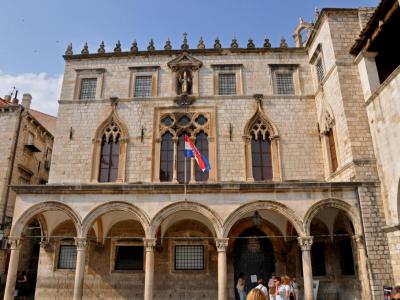
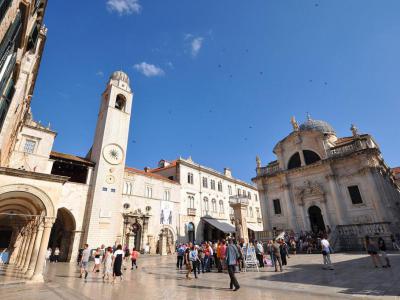
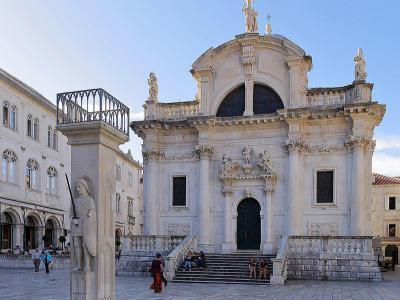
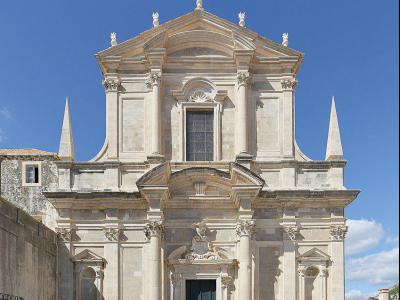
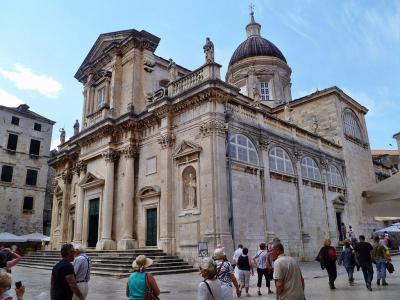
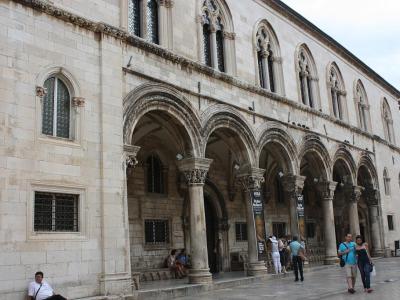
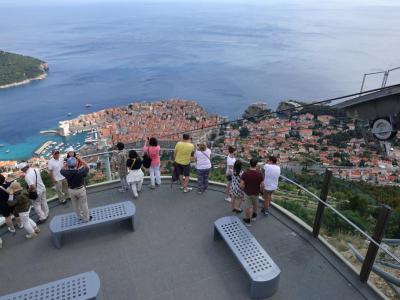
Heading along Stradun, you will pass War Photo Limited, reach Luža Square, and see Sponza Palace and Saint Blaise’s Church. Close by are the elegant Rector’s Palace, Dubrovnik Cathedral and Treasury, the Dominican Monastery, and the staircase leading to Saint Ignatius Church. For a wider view, the Dubrovnik Cable Car climbs Mount Srđ, where the red rooftops, city walls, and Adriatic coastline stretch out below.
Walking through Dubrovnik feels a bit like wandering through a film set—except everything here is real, and much of it has been around for centuries. Every corner holds a piece of the past—so, take your time, keep your eyes open to notice things, and let Dubrovnik reveal to you its story step by step...
The name “Dubrovnik” likely comes from the Slavic word dubrava, which means “oak forest.” Back in the early Middle Ages, Slavic settlers built a community near a wooded area outside an older coastal village called Ragusa. The latter was founded in the 7th century by refugees fleeing from invasions that destroyed nearby Roman towns, such as Epidaurum. Over time, the two communities—one Latin, one Slavic—grew together, with the name Dubrovnik eventually replacing Ragusa.
At some point, the young city fell under Byzantine protection and later felt the influence of Venice. By the 14th century, it had grown confident enough to become an independent republic. Thanks to clever diplomacy and thriving maritime trade, the republic became wealthy and influential, reaching its cultural and economic peak in the 18th century.
Later came new rulers: the French during the Napoleonic era, then the Austrian and Austria-Hungarian Empires, and, eventually, Yugoslavia. In 1991, during the breakup of Yugoslavia, Dubrovnik endured a seven-month siege that damaged many historic buildings. Extensive restoration in the following decades helped the city recover, and today, Dubrovnik once again welcomes visitors from around the world.
The Old Town remains the city’s living heart. The smooth limestone avenue called Stradun runs straight through the center, lined with shops, cafés, and historic landmarks. Many visitors begin at Pile Gate, where the massive walls open into the city. Nearby stand Fort Bokar, the Large Onofrio’s Fountain, Saint Saviour’s Church, and the Franciscan Monastery, home to one of Europe’s oldest pharmacies.
Heading along Stradun, you will pass War Photo Limited, reach Luža Square, and see Sponza Palace and Saint Blaise’s Church. Close by are the elegant Rector’s Palace, Dubrovnik Cathedral and Treasury, the Dominican Monastery, and the staircase leading to Saint Ignatius Church. For a wider view, the Dubrovnik Cable Car climbs Mount Srđ, where the red rooftops, city walls, and Adriatic coastline stretch out below.
Walking through Dubrovnik feels a bit like wandering through a film set—except everything here is real, and much of it has been around for centuries. Every corner holds a piece of the past—so, take your time, keep your eyes open to notice things, and let Dubrovnik reveal to you its story step by step...
How it works: Download the app "GPSmyCity: Walks in 1K+ Cities" from Apple App Store or Google Play Store to your mobile phone or tablet. The app turns your mobile device into a personal tour guide. For US$14.99 per year, you get access to walking tours in 630+ cities worldwide. In comparison, a guided tour often costs dozens of dollars per person for a single tour. The app works offline, so no data plan is needed when traveling abroad.
Download The GPSmyCity App



Dubrovnik Introduction Walking Tour Map
Guide Name: Dubrovnik Introduction Walking Tour
Guide Location: Croatia » Dubrovnik (See other walking tours in Dubrovnik)
Guide Type: Self-guided Walking Tour (Sightseeing)
Tour Duration: 2 Hour(s)
Travel Distance: 1.8 Km or 1.1 Miles
Guide Location: Croatia » Dubrovnik (See other walking tours in Dubrovnik)
Guide Type: Self-guided Walking Tour (Sightseeing)
Tour Duration: 2 Hour(s)
Travel Distance: 1.8 Km or 1.1 Miles
Sights Featured in This Walk
1) Pile Gate (must see)


13) Rector's Palace (must see)
Walking Tours in Dubrovnik, Croatia

Create Your Own Walk in Dubrovnik
Creating your own self-guided walk in Dubrovnik is easy and fun. Choose the city attractions that you want to see and a walk route map will be created just for you. You can even set your hotel as the start point of the walk.
Historical Churches
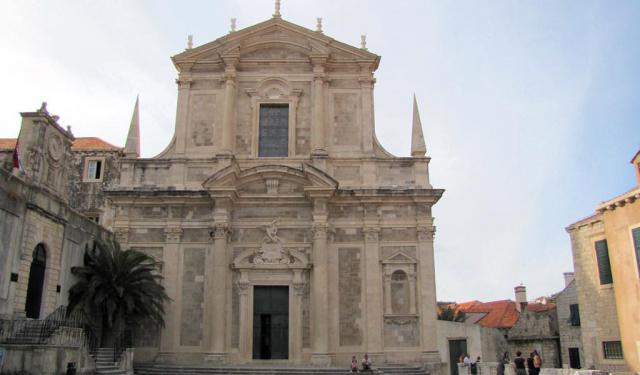
Throughout history, Dubrovnik’s citizens have had plenty of causes to ask God for help. And when they got it, they never forgot to express their gratitude. Oftentimes, it came in the form of newly built churches; hence an array of religious landmarks, some truly magnificent, found in the Old Town, constructed over the centuries.
One such architectural marvel is Saint Saviour's Church,... view more
Tour Duration: 1 Hour(s)
Travel Distance: 0.8 Km or 0.5 Miles
One such architectural marvel is Saint Saviour's Church,... view more
Tour Duration: 1 Hour(s)
Travel Distance: 0.8 Km or 0.5 Miles
Game of Thrones Filming Sites Tour
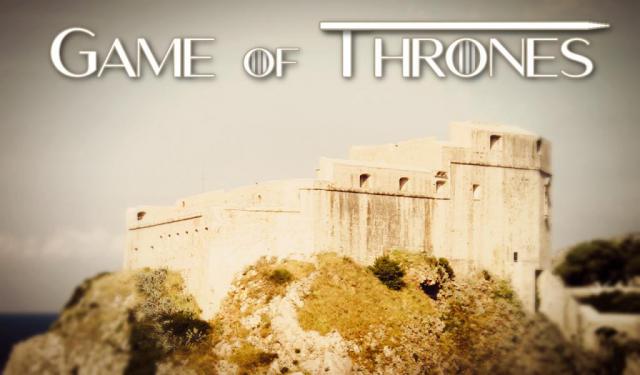
Dubrovnik has a habit of looking like it belongs on a movie set. Terracotta rooftops spill down toward the sea, massive stone walls guard the Old Town, and steep cliffs rise above the glittering Adriatic. It’s the sort of scenery that already feels cinematic—so when the creators of the HBO series Game of Thrones went searching for the perfect stand-in for King’s Landing, Dubrovnik... view more
Tour Duration: 2 Hour(s)
Travel Distance: 2.7 Km or 1.7 Miles
Tour Duration: 2 Hour(s)
Travel Distance: 2.7 Km or 1.7 Miles
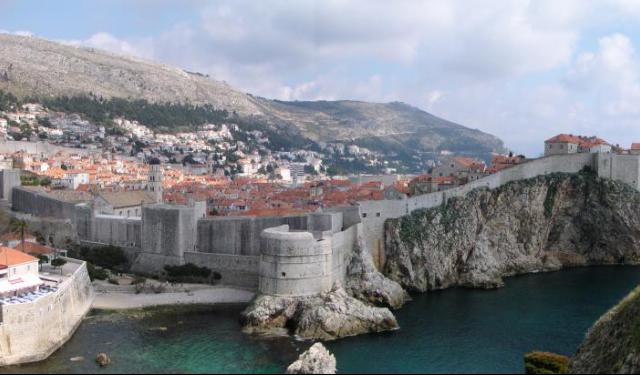
City Walls Walking Tour
If cities could wear armor, Dubrovnik would be dressed head to toe in limestone. Encircling the Old Town like a giant stone belt, the City Walls of Dubrovnik rank among the best-preserved medieval fortifications in Europe. Built and reinforced between the 12th and 17th centuries, these formidable ramparts once shielded the proud maritime Republic of Ragusa from pirates, rival powers, and the... view more
Tour Duration: 2 Hour(s)
Travel Distance: 2.4 Km or 1.5 Miles
Tour Duration: 2 Hour(s)
Travel Distance: 2.4 Km or 1.5 Miles
The Most Popular Cities
/ view all