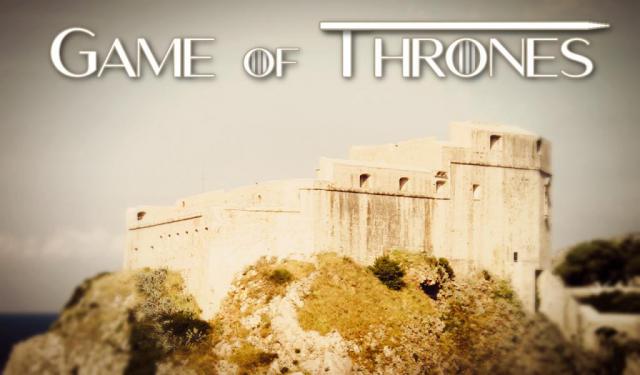


Audio Guide: Game of Thrones Filming Sites Tour (Self Guided), Dubrovnik
Dubrovnik has a habit of looking like it belongs on a movie set. Terracotta rooftops spill down toward the sea, massive stone walls guard the Old Town, and steep cliffs rise above the glittering Adriatic. It’s the sort of scenery that already feels cinematic—so when the creators of the HBO series Game of Thrones went searching for the perfect stand-in for King’s Landing, Dubrovnik practically volunteered. The city’s UNESCO-listed Old Town, wrapped in mighty medieval walls and threaded with narrow limestone streets, turned out to be exactly what the capital of Westeros needed.
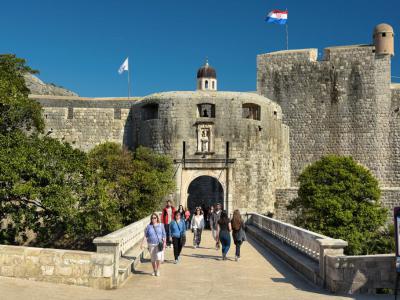
Filming began here in the early 2010s, and before long, Dubrovnik became one of the most recognizable real-world locations in the entire series. Many scenes unfold around the historic center, beginning at Pile Gate. This grand entrance to the Old Town doubled as a gateway to King’s Landing. At the same time, the nearby harbor and surrounding streets provided the setting for busy markets, royal arrivals, and the occasional tense encounter.
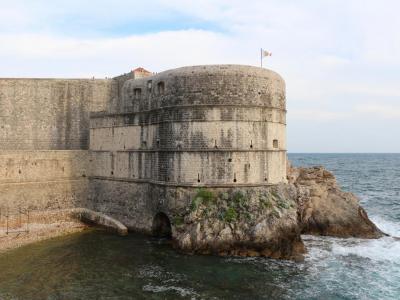
Now, shift your attention to Fort Lovrijenac, standing boldly on a rocky cliff just outside the city walls. In the series, this fortress became the Red Keep—the seat of royal power overlooking Blackwater Bay. Not far away sits Fort Bokar, another defensive stronghold that helped shape the city's on-screen fortifications.
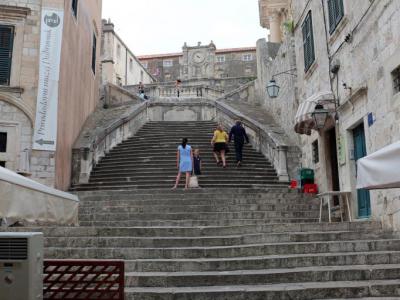
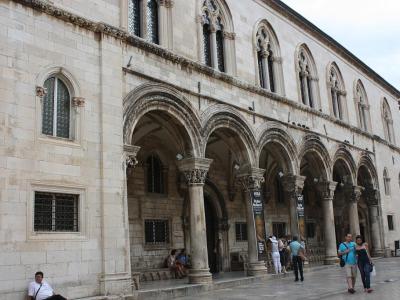
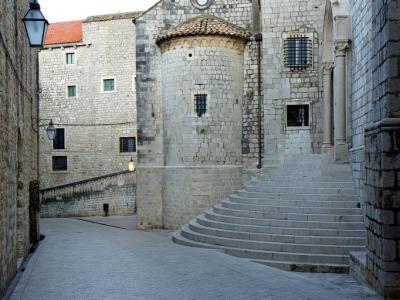
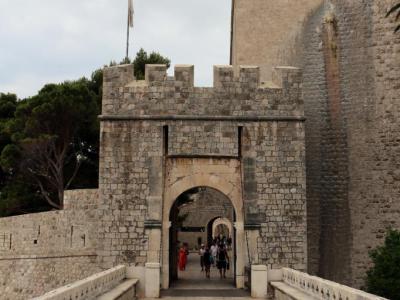
Inside the Old Town, the drama continues. The elegant Rector’s Palace hosted scenes of courtly intrigue, while the grand Jesuit Staircase became unforgettable as the setting for one of the show’s most talked-about moments. Wander along Saint Dominic Street, and you’ll recognize the bustling market atmosphere used for several scenes, while the Gate of Ploče helped portray another entrance to the fictional capital.
Further highlights include Minceta Tower, which appeared as the mysterious House of the Undying in Qarth, and Dubrovnik West Harbour, instantly recognizable as Blackwater Bay during several memorable moments. Nearby, Gradac Park also appeared in scenes overlooking the city.
All of this unfolds beneath the mighty Walls of Dubrovnik, which frame the entire Old Town and helped create the epic scale audiences associate with King’s Landing.
So, if you’ve ever wondered what it feels like to walk through Westeros—this is your chance. Take this self-guided tour around the streets, gates, and fortresses used in the series, and discover how Dubrovnik’s real history quietly stepped in to play one of television’s most famous fictional cities.
Filming began here in the early 2010s, and before long, Dubrovnik became one of the most recognizable real-world locations in the entire series. Many scenes unfold around the historic center, beginning at Pile Gate. This grand entrance to the Old Town doubled as a gateway to King’s Landing. At the same time, the nearby harbor and surrounding streets provided the setting for busy markets, royal arrivals, and the occasional tense encounter.
Now, shift your attention to Fort Lovrijenac, standing boldly on a rocky cliff just outside the city walls. In the series, this fortress became the Red Keep—the seat of royal power overlooking Blackwater Bay. Not far away sits Fort Bokar, another defensive stronghold that helped shape the city's on-screen fortifications.
Inside the Old Town, the drama continues. The elegant Rector’s Palace hosted scenes of courtly intrigue, while the grand Jesuit Staircase became unforgettable as the setting for one of the show’s most talked-about moments. Wander along Saint Dominic Street, and you’ll recognize the bustling market atmosphere used for several scenes, while the Gate of Ploče helped portray another entrance to the fictional capital.
Further highlights include Minceta Tower, which appeared as the mysterious House of the Undying in Qarth, and Dubrovnik West Harbour, instantly recognizable as Blackwater Bay during several memorable moments. Nearby, Gradac Park also appeared in scenes overlooking the city.
All of this unfolds beneath the mighty Walls of Dubrovnik, which frame the entire Old Town and helped create the epic scale audiences associate with King’s Landing.
So, if you’ve ever wondered what it feels like to walk through Westeros—this is your chance. Take this self-guided tour around the streets, gates, and fortresses used in the series, and discover how Dubrovnik’s real history quietly stepped in to play one of television’s most famous fictional cities.
How it works: Download the app "GPSmyCity: Walks in 1K+ Cities" from Apple App Store or Google Play Store to your mobile phone or tablet. The app turns your mobile device into a personal tour guide. For US$14.99 per year, you get access to walking tours in 630+ cities worldwide. In comparison, a guided tour often costs dozens of dollars per person for a single tour. The app works offline, so no data plan is needed when traveling abroad.
Download The GPSmyCity App



Game of Thrones Filming Sites Tour Map
Guide Name: Game of Thrones Filming Sites Tour
Guide Location: Croatia » Dubrovnik (See other walking tours in Dubrovnik)
Guide Type: Self-guided Walking Tour (Sightseeing)
Tour Duration: 2 Hour(s)
Travel Distance: 2.7 Km or 1.7 Miles
Guide Location: Croatia » Dubrovnik (See other walking tours in Dubrovnik)
Guide Type: Self-guided Walking Tour (Sightseeing)
Tour Duration: 2 Hour(s)
Travel Distance: 2.7 Km or 1.7 Miles
Sights Featured in This Walk
1) Pile Gate (must see)
5) Rector's Palace (must see)
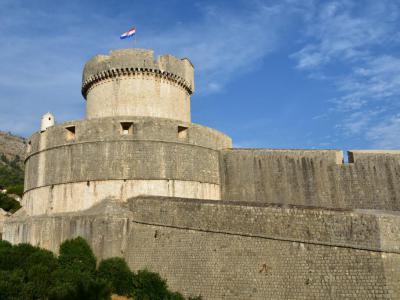
8) Minceta Tower (must see)
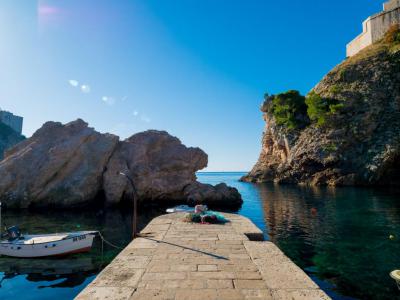
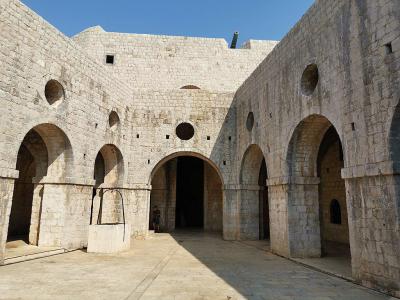
10) Fort Lovrijenac (must see)
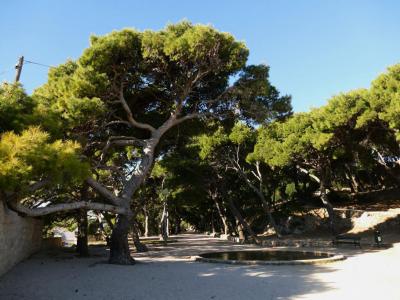
Walking Tours in Dubrovnik, Croatia

Create Your Own Walk in Dubrovnik
Creating your own self-guided walk in Dubrovnik is easy and fun. Choose the city attractions that you want to see and a walk route map will be created just for you. You can even set your hotel as the start point of the walk.
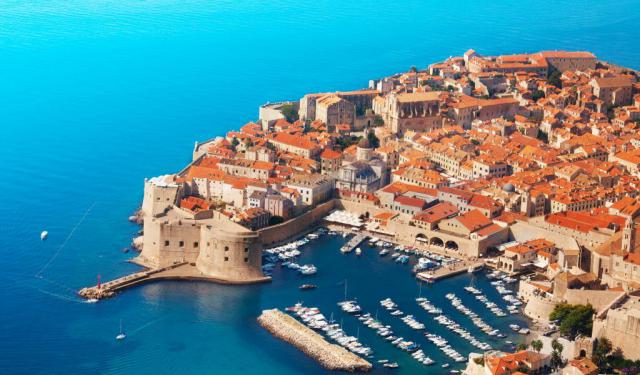
Dubrovnik Introduction Walking Tour
Dubrovnik—sitting on a rocky stretch of coast in southern Croatia—is a place where medieval walls still wrap around daily life, cafés spill onto polished stone streets, and the bright blue Adriatic glitters just beyond the rooftops. Because of its remarkable architecture, Dubrovnik was added to the UNESCO World Heritage list in 1979. Today, the city has no shortage of visitors who come here... view more
Tour Duration: 2 Hour(s)
Travel Distance: 1.8 Km or 1.1 Miles
Tour Duration: 2 Hour(s)
Travel Distance: 1.8 Km or 1.1 Miles
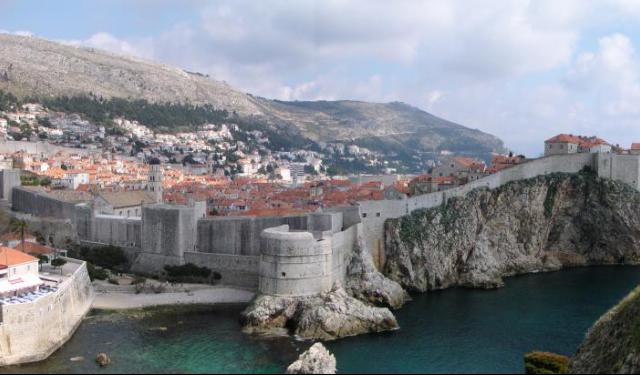
City Walls Walking Tour
If cities could wear armor, Dubrovnik would be dressed head to toe in limestone. Encircling the Old Town like a giant stone belt, the City Walls of Dubrovnik rank among the best-preserved medieval fortifications in Europe. Built and reinforced between the 12th and 17th centuries, these formidable ramparts once shielded the proud maritime Republic of Ragusa from pirates, rival powers, and the... view more
Tour Duration: 2 Hour(s)
Travel Distance: 2.4 Km or 1.5 Miles
Tour Duration: 2 Hour(s)
Travel Distance: 2.4 Km or 1.5 Miles
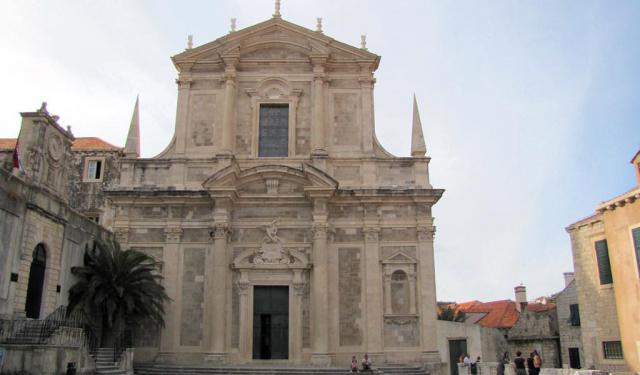
Historical Churches
Throughout history, Dubrovnik’s citizens have had plenty of causes to ask God for help. And when they got it, they never forgot to express their gratitude. Oftentimes, it came in the form of newly built churches; hence an array of religious landmarks, some truly magnificent, found in the Old Town, constructed over the centuries.
One such architectural marvel is Saint Saviour's Church,... view more
Tour Duration: 1 Hour(s)
Travel Distance: 0.8 Km or 0.5 Miles
One such architectural marvel is Saint Saviour's Church,... view more
Tour Duration: 1 Hour(s)
Travel Distance: 0.8 Km or 0.5 Miles
The Most Popular Cities
/ view all