


Famous Squares and Streets Walking Tour (Self Guided), Edinburgh
Being in Edinburgh, it is only natural to be curious about the avenues, boulevards, and streets leading to (or stemming from) the city's picturesque squares. There, you can find a copious amount of historic and religious sites, fashion stores, classy restaurants, and marketplaces, not to mention some hidden gems, exploring which is well worth the time spent.
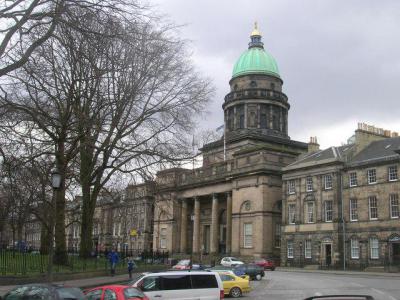
One of Edinburgh's most prominent squares, located in the New Town area, is Charlotte Square. This elegant space is home to Georgian architecture and hosts the annual Edinburgh International Book Festival, making it a cultural hub.
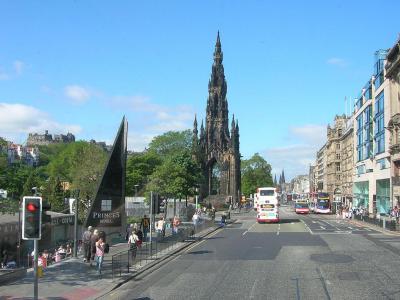
Princes Street, on the other hand, is the main shopping street in Edinburgh. It offers stunning views of the Edinburgh Castle and the Princes Street Gardens. Tourists and locals alike flock here regularly for high-end shopping and beautiful vistas.
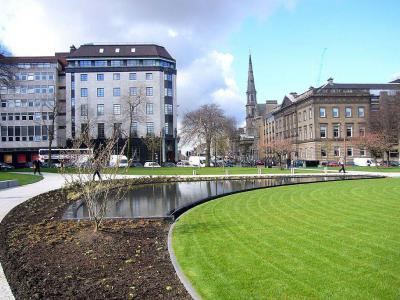
Saint Andrew Square is another charming spot, known for its vibrant atmosphere and surrounding restaurants. It's a popular gathering place for events and festivals, including the Christmas market.
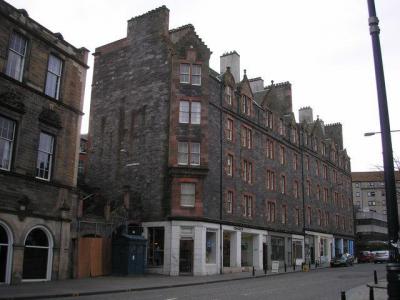
South Bridge and Vaults add a touch of mystery to the city. These historic streets are lined with arches and tunnels that once served as vaults and secret passages. Today, they house various shops, pubs, and tour attractions, offering visitors a glimpse into Edinburgh's underground history.
Cowgate Street has a rich cultural history and is famous for its nightlife. It accommodates numerous bars, clubs, and music venues, making it a lively spot for those seeking entertainment.
Chambers Street is home to the National Museum of Scotland, a must-visit for history and culture enthusiasts. The street also features a mix of architectural styles, adding to its unique character.
Finally, George Square, located near the University of Edinburgh, is known for its academic and intellectual atmosphere. The square hosts various academic events and is surrounded by beautiful historic buildings.
Edinburgh's famous squares and streets offer a diverse range of experiences, from cultural enrichment to shopping and entertainment. So, whenever you're in Edinburgh, be sure to explore these iconic locations to fully immerse yourself in the city's heritage and modern charm.
One of Edinburgh's most prominent squares, located in the New Town area, is Charlotte Square. This elegant space is home to Georgian architecture and hosts the annual Edinburgh International Book Festival, making it a cultural hub.
Princes Street, on the other hand, is the main shopping street in Edinburgh. It offers stunning views of the Edinburgh Castle and the Princes Street Gardens. Tourists and locals alike flock here regularly for high-end shopping and beautiful vistas.
Saint Andrew Square is another charming spot, known for its vibrant atmosphere and surrounding restaurants. It's a popular gathering place for events and festivals, including the Christmas market.
South Bridge and Vaults add a touch of mystery to the city. These historic streets are lined with arches and tunnels that once served as vaults and secret passages. Today, they house various shops, pubs, and tour attractions, offering visitors a glimpse into Edinburgh's underground history.
Cowgate Street has a rich cultural history and is famous for its nightlife. It accommodates numerous bars, clubs, and music venues, making it a lively spot for those seeking entertainment.
Chambers Street is home to the National Museum of Scotland, a must-visit for history and culture enthusiasts. The street also features a mix of architectural styles, adding to its unique character.
Finally, George Square, located near the University of Edinburgh, is known for its academic and intellectual atmosphere. The square hosts various academic events and is surrounded by beautiful historic buildings.
Edinburgh's famous squares and streets offer a diverse range of experiences, from cultural enrichment to shopping and entertainment. So, whenever you're in Edinburgh, be sure to explore these iconic locations to fully immerse yourself in the city's heritage and modern charm.
How it works: Download the app "GPSmyCity: Walks in 1K+ Cities" from Apple App Store or Google Play Store to your mobile phone or tablet. The app turns your mobile device into a personal tour guide. For US$14.99 per year (with a 3-day free trial), you get access to walking tours in 630+ cities worldwide for an entire year. In comparison, a guided tour often costs dozens of dollars per person for a single tour. The app works offline, so no data plan is needed when traveling abroad.
Download The GPSmyCity App



Famous Squares and Streets Walking Tour Map
Guide Name: Famous Squares and Streets Walking Tour
Guide Location: Scotland » Edinburgh (See other walking tours in Edinburgh)
Guide Type: Self-guided Walking Tour (Sightseeing)
Tour Duration: 2 Hour(s)
Travel Distance: 2.9 Km or 1.8 Miles
Guide Location: Scotland » Edinburgh (See other walking tours in Edinburgh)
Guide Type: Self-guided Walking Tour (Sightseeing)
Tour Duration: 2 Hour(s)
Travel Distance: 2.9 Km or 1.8 Miles
Sights Featured in This Walk



Walking Tours in Edinburgh, Scotland

Create Your Own Walk in Edinburgh
Creating your own self-guided walk in Edinburgh is easy and fun. Choose the city attractions that you want to see and a walk route map will be created just for you. You can even set your hotel as the start point of the walk.
Edinburgh Pub Crawl
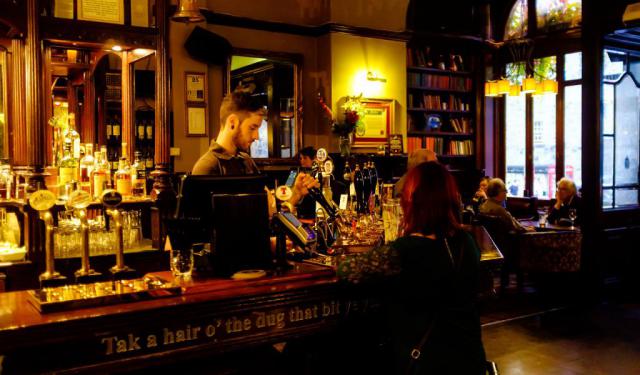
Edinburgh is rich in pubs, both old and new, spoiling their patrons with the best in town drinks and food. Although most traditional pubs in the city are laid back, with a quiet and relaxing atmosphere, some have dance floors and double as nightclubs. This self-guided adventure takes you to several such spots, each with its own story to tell.
Our journey begins at the World's End Pub, a... view more
Tour Duration: 1 Hour(s)
Travel Distance: 1.5 Km or 0.9 Miles
Our journey begins at the World's End Pub, a... view more
Tour Duration: 1 Hour(s)
Travel Distance: 1.5 Km or 0.9 Miles

Literary Landmarks Tour
For centuries, Edinburgh has been home to numerous writers. The likes of Robert Burns, Robert Louis Stevenson, and JK Rowling, just to name a few, have given pride to this city. Fortunately, the tradition doesn't seem to die out any time soon, as Edinburgh keeps producing more and more authors and literary heroes in whose footsteps people still wish to tread.
Naturally, there is a wealth... view more
Tour Duration: 1 Hour(s)
Travel Distance: 2.9 Km or 1.8 Miles
Naturally, there is a wealth... view more
Tour Duration: 1 Hour(s)
Travel Distance: 2.9 Km or 1.8 Miles

Edinburgh Introduction Walking Tour
If you like cities with a split personality, Edinburgh is definitely one such, featuring a striking mix of medieval and Georgian architecture. Indeed, here medieval grit meets Enlightenment wit, and every cobbled incline has a story to tell-whether your legs are ready for it or not. Perched (or more like wedged) across volcanic hills, the city has been Scotland’s capital since the 15th century... view more
Tour Duration: 2 Hour(s)
Travel Distance: 3.4 Km or 2.1 Miles
Tour Duration: 2 Hour(s)
Travel Distance: 3.4 Km or 2.1 Miles

Royal Mile Walking Tour
The Royal Mile, a steep thoroughfare in the heart of Edinburgh, has served as the city’s backbone since the medieval period. Carved along a volcanic ridge called Castle Rock, this spine of the Old Town slopes down from the mighty Edinburgh Castle at one end to the Holyroodhouse Palace and the weathered ruins of Holyrood Abbey at the other. The distance is almost exactly one Scots mile (hence the... view more
Tour Duration: 2 Hour(s)
Travel Distance: 1.6 Km or 1 Miles
Tour Duration: 2 Hour(s)
Travel Distance: 1.6 Km or 1 Miles

Old Town Walking Tour
Edinburgh’s Old Town isn’t just old-it’s ancient, smoky, and proud of itself. This is the city’s historic core, where centuries of drama, diplomacy, and architectural ambition come layered in stone, soot, and scandal. From its Celtic roots to Roman incursions and royal power plays, this part of town has seen more plot twists than a binge-worthy period drama.
At the heart of it all lies... view more
Tour Duration: 2 Hour(s)
Travel Distance: 2.5 Km or 1.6 Miles
At the heart of it all lies... view more
Tour Duration: 2 Hour(s)
Travel Distance: 2.5 Km or 1.6 Miles

New Town Walking Tour
Rightly regarded as the historic masterpiece of city planning, the New Town of Edinburgh has been a UNESCO World Heritage Site since 1995. The area forms a significant part of the Scottish capital and is known for its elegant Georgian architecture, abundant shopping opportunities, and many other delights firmly associated with this city.
One of the prominent landmarks in the New Town is... view more
Tour Duration: 2 Hour(s)
Travel Distance: 2.5 Km or 1.6 Miles
One of the prominent landmarks in the New Town is... view more
Tour Duration: 2 Hour(s)
Travel Distance: 2.5 Km or 1.6 Miles
Useful Travel Guides for Planning Your Trip

Scottish Souvenirs: 15 Authentic Scottish Things to Buy in Edinburgh
The popularity of Scotland stretches far beyond its geographical borders, fueled, in large part, by Hollywood's interest in the Scottish theme - Sean Connery (as James Bond), "Braveheart", etc. Indeed, the cultural spectrum of this part of Britain is enormous and comprises great...

Top 12 Pubs On and Around Royal Mile in Edinburgh
Edinburgh is a vibrant city with abundant nightlife and no shortage of places to go after dusk. The Royal Mile alone, in the very heart of Edinburgh, is laden with character spots craving to be discovered by the first time visitors to the city. This is the highlight of some of the most notable bars...

19 Best Pubs in New Town, Edinburgh
A guide to the pubs that make up the area that is called Edinburgh's New Town. A description about what you can expect from each of the locations in the directory. A fantastic directory if you are a tourist or even a...
The Most Popular Cities
/ view all