

Athens Food Walking Tour (Self Guided), Athens
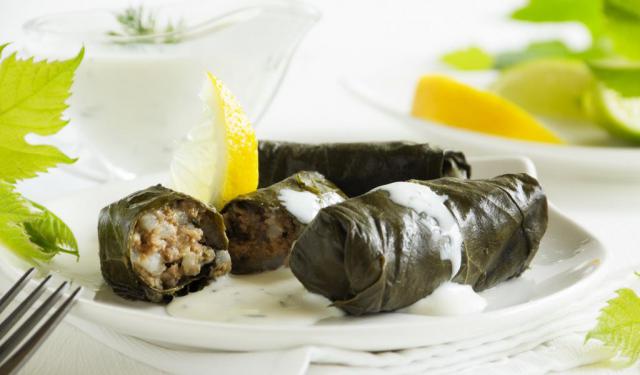
Traditional Greek cuisine is one of the healthiest in the world, and prices in all but the flashiest establishments afford excellent value. The prevalence of vegetable and dairy dishes makes eating out a delight for non-meat eaters. Carefully selected appetizers (tzatzíki, dolmádes, kalamarákia) can constitute a full meal. Greece’s most famous slow-cooked oven dish, however, is probably "moussakás" – successive layers of sliced potatoes, eggplant and minced beef/lamb topped with a generous layer of béchamel sauce and seasoned with nutmeg. Join us on this self-guided walking tour to find some of the best, time-tested eateries in Athens offering something for everyone's tastes and pockets.
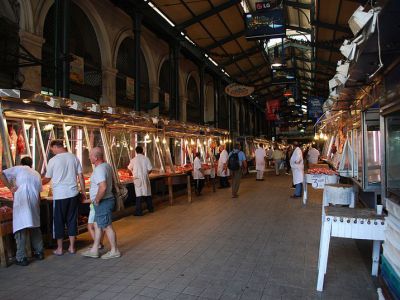
The very traditional Central Market (also called Varvakios) located between the Monastiraki and Omonoia squares is a must-see if you want to explore Greek culture and cuisine. A riot of color, smells and fresh food of all sorts, it also makes for a nice photo tour besides offering a peek inside all the various ingredients available on the capital city’s menus. Great way to start the creative thoughts of a foodie!
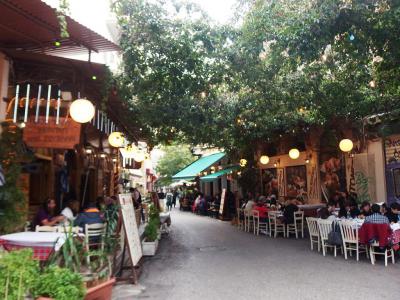
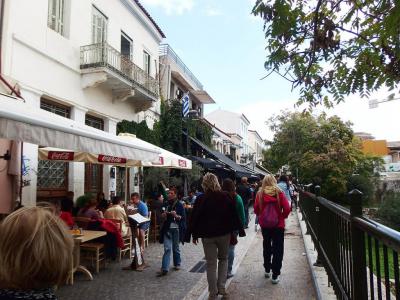
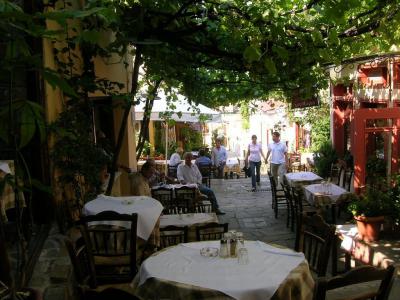
Nearby Evripidou Street is without doubt the most fragrant street of Athens, and the daily crowds gathered there are proof that Greeks love good food and will come from the most remote neighborhoods to choose the spices that enhance the flavors of their cooking. Digging deeper into the Psirri area, the pulsing pubs on Agion Anargyron Street are a great way to continue mingling with locals, especially when you factor in the classic tavernas that punctuate the whole stretch.
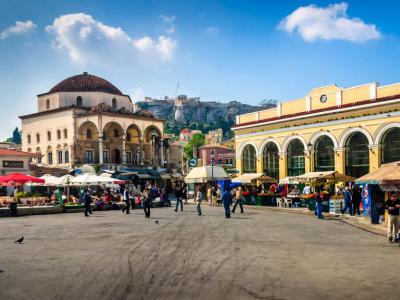
From the lively Monastiraki Square, our route will guide you to many other tantalizing places, equally worth exploring. If you have an adventurous palate and are keen to soak in some breathtaking views in Athens’ Psirri and Plaka neighborhoods, follow this self-guided walk!
The very traditional Central Market (also called Varvakios) located between the Monastiraki and Omonoia squares is a must-see if you want to explore Greek culture and cuisine. A riot of color, smells and fresh food of all sorts, it also makes for a nice photo tour besides offering a peek inside all the various ingredients available on the capital city’s menus. Great way to start the creative thoughts of a foodie!
Nearby Evripidou Street is without doubt the most fragrant street of Athens, and the daily crowds gathered there are proof that Greeks love good food and will come from the most remote neighborhoods to choose the spices that enhance the flavors of their cooking. Digging deeper into the Psirri area, the pulsing pubs on Agion Anargyron Street are a great way to continue mingling with locals, especially when you factor in the classic tavernas that punctuate the whole stretch.
From the lively Monastiraki Square, our route will guide you to many other tantalizing places, equally worth exploring. If you have an adventurous palate and are keen to soak in some breathtaking views in Athens’ Psirri and Plaka neighborhoods, follow this self-guided walk!
How it works: Download the app "GPSmyCity: Walks in 1K+ Cities" from Apple App Store or Google Play Store to your mobile phone or tablet. The app turns your mobile device into a personal tour guide and its built-in GPS navigation functions guide you from one tour stop to next. The app works offline, so no data plan is needed when traveling abroad.
Download The GPSmyCity App



Athens Food Walking Tour Map
Guide Name: Athens Food Walking Tour
Guide Location: Greece » Athens (See other walking tours in Athens)
Guide Type: Self-guided Walking Tour (Sightseeing)
Tour Duration: 1 Hour(s)
Travel Distance: 2.2 Km or 1.4 Miles
Guide Location: Greece » Athens (See other walking tours in Athens)
Guide Type: Self-guided Walking Tour (Sightseeing)
Tour Duration: 1 Hour(s)
Travel Distance: 2.2 Km or 1.4 Miles
Sights Featured in This Walk

4) Monastiraki Square (must see)

Walking Tours in Athens, Greece

Create Your Own Walk in Athens
Creating your own self-guided walk in Athens is easy and fun. Choose the city attractions that you want to see and a walk route map will be created just for you. You can even set your hotel as the start point of the walk.
Walking Around the National Garden
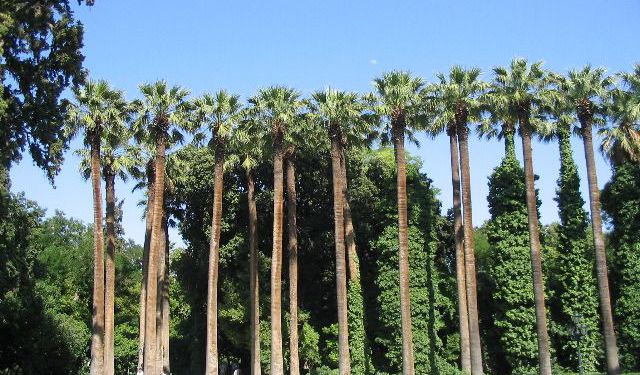
The National Garden is an impressive, historic park in the center of Athens, complete with artificial streams and duck ponds. Formerly known as the Royal Garden, it was commissioned by King Otto’s queen, Amalia, in 1838, reason why it is located directly behind the Old Palace (currently the Greek Parliament building). Not only is it a welcome refuge from the swirl of traffic just outside the... view more
Tour Duration: 2 Hour(s)
Travel Distance: 3.3 Km or 2.1 Miles
Tour Duration: 2 Hour(s)
Travel Distance: 3.3 Km or 2.1 Miles
Walking Tour Around the Legendary Acropolis
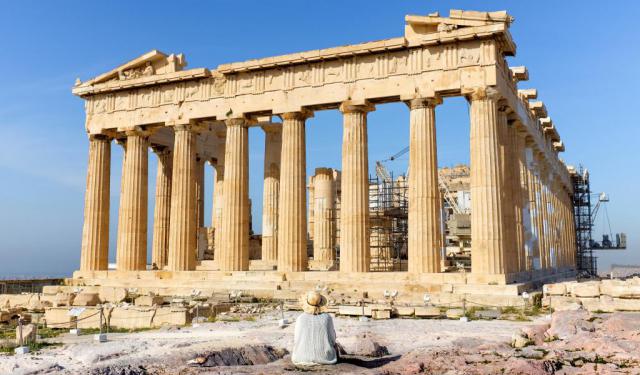
Ah, the Acropolis of Athens-also known as "the sacred rock," because apparently, even rocks can have VIP status. This iconic hill has been home to temples, sanctuaries, and centuries of drama (both the theatrical and the historical kind). The ancient Greeks held this place in such high regard that they built architectural marvels that still dominate the city’s skyline. You can spot the... view more
Tour Duration: 1 Hour(s)
Travel Distance: 1.0 Km or 0.6 Miles
Tour Duration: 1 Hour(s)
Travel Distance: 1.0 Km or 0.6 Miles
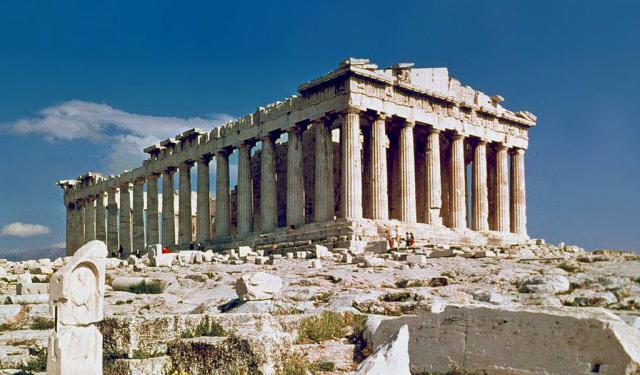
Athens Introduction Walking Tour
Athens, the cradle of Western Civilization and one of Europe's oldest cities, originated between the 4th and the 3rd millennia BC. The story of Athens stems from a mythological contest between the goddess of wisdom and warfare, Athena, and the god of the sea, Poseidon. Both deities vied to become the city's patron. Poseidon's gift of a saltwater spring was deemed impractical,... view more
Tour Duration: 3 Hour(s)
Travel Distance: 4.2 Km or 2.6 Miles
Tour Duration: 3 Hour(s)
Travel Distance: 4.2 Km or 2.6 Miles
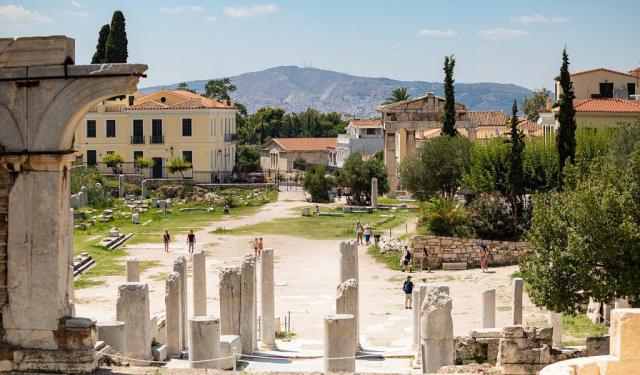
Plaka Attractions Walking Tour
Plaka, the oldest-and in many views, the most photogenic-district of Athens is where history isn’t just studied, it’s lived. Nestled at the foot of the mighty Acropolis, this is the "neighborhood of the Gods"-which sounds dramatic, but when you see it, you’ll understand why.
People have settled here since antiquity, so don’t be surprised if the walls seem to whisper ancient... view more
Tour Duration: 2 Hour(s)
Travel Distance: 3.6 Km or 2.2 Miles
People have settled here since antiquity, so don’t be surprised if the walls seem to whisper ancient... view more
Tour Duration: 2 Hour(s)
Travel Distance: 3.6 Km or 2.2 Miles
Useful Travel Guides for Planning Your Trip

14 Best Cafes in Athens
While in Athens it is immediately noticeable that the local cafe culture thriving. Through this directory you will get a chance to visit very different establishments, ranging from "kafenia", to hip, modern coffee shops and get first hand experience of the diversity of contemporary Greek...
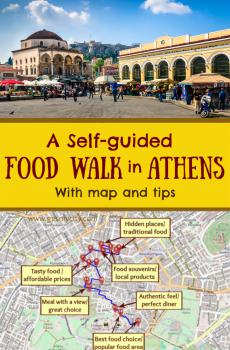
A Self-Guided Food Walk in Athens
Just as many things in Greece, dining in Athens is very much laid-back with the majority of local eateries seeing patrons begin to congregate for dinner only after 8 pm. Eating-wise, the Athenians favor simplicity, leaning to the more casual and not so pricey tavernas where food is plentiful. To...
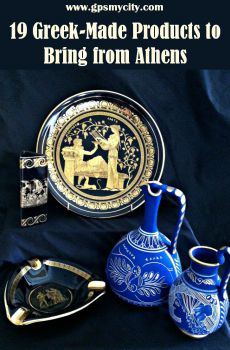
Souvenirs Shopping: 19 Uniquely Greek Products to Bring from Athens
A cradle of European civilization, Greece, in general, and Athens, in particular, have long been - from the days of the Roman Empire up until present - the lure for travelers and history buffs seeking to find and bring home something memorable. Today's Athens (much as its ancient self) offers a...
The Most Popular Cities
/ view all