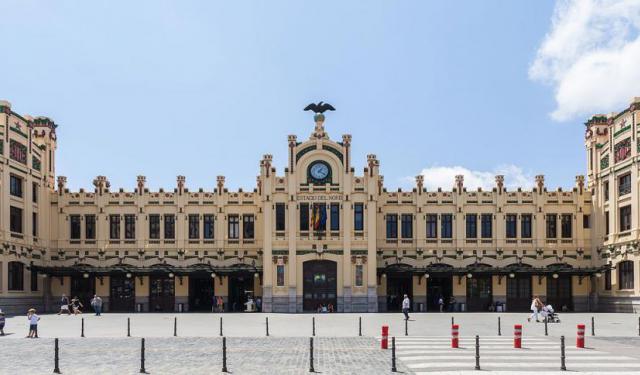


Audio Guide: Valencia Introduction Walking Tour (Self Guided), Valencia
Valencia, Spain’s third-largest city, carries a rich history that stretches back to 138 BC, when it was founded as a Roman colony for battle-tested veterans. Known then as “Valentia”, meaning “valor,” it honored the courage of its first inhabitants. The city was destroyed in 75 BC by Pompey the Great but was rebuilt within a century, eventually becoming home to Visigoths and later the Moors, who transformed the region with new crops and ingenious irrigation systems. Then, in 1238, Aragonese Christians took control, declaring Valencia the capital of their kingdom.
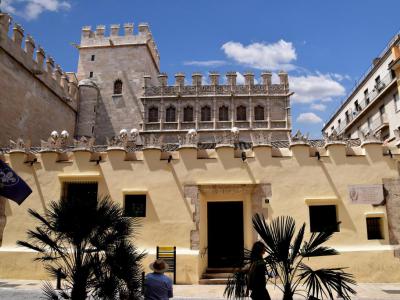
The 15th century marked a true Golden Age. Trade with the Iberian Peninsula, Italy, and the wider Mediterranean fueled immense growth. By the century’s end, Valencia ranked among Europe’s largest cities. A striking reminder of this prosperous era is the magnificent Silk Exchange-a Gothic structure now recognized as a UNESCO World Heritage Site.
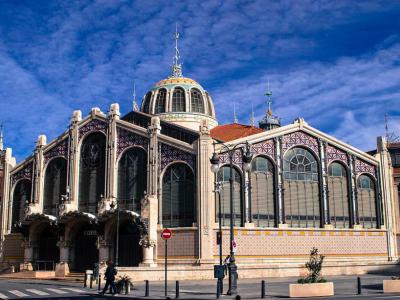
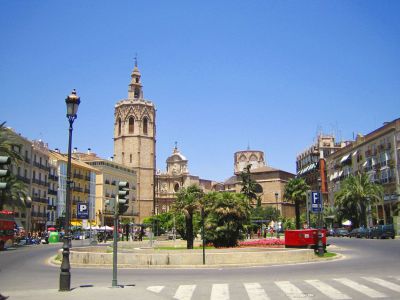
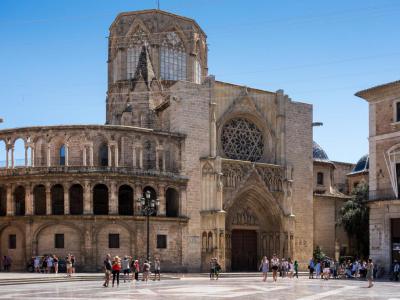
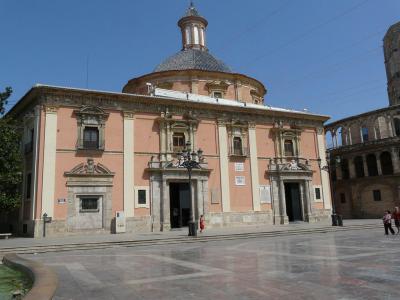
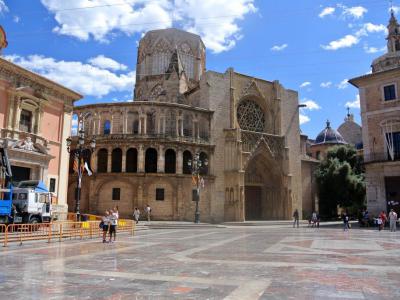
The city’s historic heart is packed with highlights. The Valencia Cathedral houses what many believe to be the Holy Grail, and from the top of the Miguelete Tower, you’ll get sweeping views of the rooftops below. Nearby, Queen’s Plaza and Virgin Square offer lively spots to relax and take in the surrounding architecture. The Central Market, one of the largest in Europe, is a feast for the senses-bursting with local flavors, colors, and aromas.
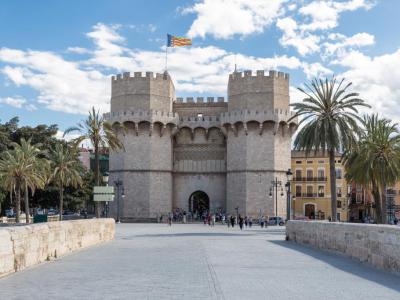
Visitors are often drawn by the city’s fusion of old and new architecture. For a glimpse of medieval Valencia, head to the Serranos Towers, or lose yourself in the maze of narrow lanes where tucked-away churches and small museums tell quieter stories.
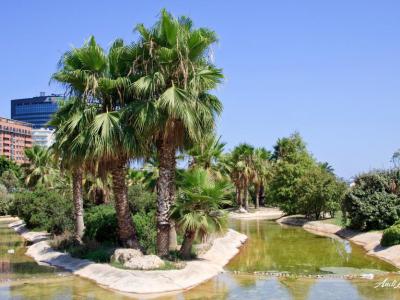
If you need a break, the Turia Garden offers a breath of fresh air. Set in a former riverbed, this expansive park winds through the city like a green ribbon.
Even a short visit to Valencia leaves a lasting impression. To maximize your visit, don your walking shoes and embark on this self-guided tour-an ideal way to experience this remarkable Spanish city, with the GPSmyCity app as your guide.
The 15th century marked a true Golden Age. Trade with the Iberian Peninsula, Italy, and the wider Mediterranean fueled immense growth. By the century’s end, Valencia ranked among Europe’s largest cities. A striking reminder of this prosperous era is the magnificent Silk Exchange-a Gothic structure now recognized as a UNESCO World Heritage Site.
The city’s historic heart is packed with highlights. The Valencia Cathedral houses what many believe to be the Holy Grail, and from the top of the Miguelete Tower, you’ll get sweeping views of the rooftops below. Nearby, Queen’s Plaza and Virgin Square offer lively spots to relax and take in the surrounding architecture. The Central Market, one of the largest in Europe, is a feast for the senses-bursting with local flavors, colors, and aromas.
Visitors are often drawn by the city’s fusion of old and new architecture. For a glimpse of medieval Valencia, head to the Serranos Towers, or lose yourself in the maze of narrow lanes where tucked-away churches and small museums tell quieter stories.
If you need a break, the Turia Garden offers a breath of fresh air. Set in a former riverbed, this expansive park winds through the city like a green ribbon.
Even a short visit to Valencia leaves a lasting impression. To maximize your visit, don your walking shoes and embark on this self-guided tour-an ideal way to experience this remarkable Spanish city, with the GPSmyCity app as your guide.
How it works: Download the app "GPSmyCity: Walks in 1K+ Cities" from Apple App Store or Google Play Store to your mobile phone or tablet. The app turns your mobile device into a personal tour guide and its built-in GPS navigation functions guide you from one tour stop to next. The app works offline, so no data plan is needed when traveling abroad.
Download The GPSmyCity App



Valencia Introduction Walking Tour Map
Guide Name: Valencia Introduction Walking Tour
Guide Location: Spain » Valencia (See other walking tours in Valencia)
Guide Type: Self-guided Walking Tour (Sightseeing)
Tour Duration: 2 Hour(s)
Travel Distance: 3.0 Km or 1.9 Miles
Guide Location: Spain » Valencia (See other walking tours in Valencia)
Guide Type: Self-guided Walking Tour (Sightseeing)
Tour Duration: 2 Hour(s)
Travel Distance: 3.0 Km or 1.9 Miles
Sights Featured in This Walk
Walking Tours in Valencia, Spain

Create Your Own Walk in Valencia
Creating your own self-guided walk in Valencia is easy and fun. Choose the city attractions that you want to see and a walk route map will be created just for you. You can even set your hotel as the start point of the walk.
Contemporary Architecture Walk
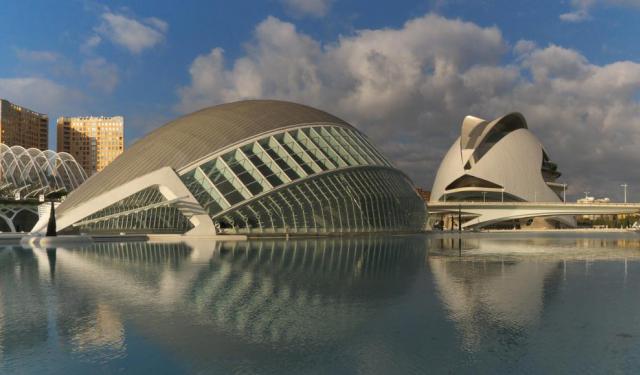
With one foot in the past and the other planted firmly in the future, Valencia manages a balancing act few European cities can pull off. Gothic bell towers, Baroque façades, bustling markets, and centuries-old plazas all share the stage with structures that look as though they were delivered directly from the year 2150. Among the city’s many architectural personalities, contemporary design... view more
Tour Duration: 1 Hour(s)
Travel Distance: 1.4 Km or 0.9 Miles
Tour Duration: 1 Hour(s)
Travel Distance: 1.4 Km or 0.9 Miles
Valencia's Classical Architecture Tour
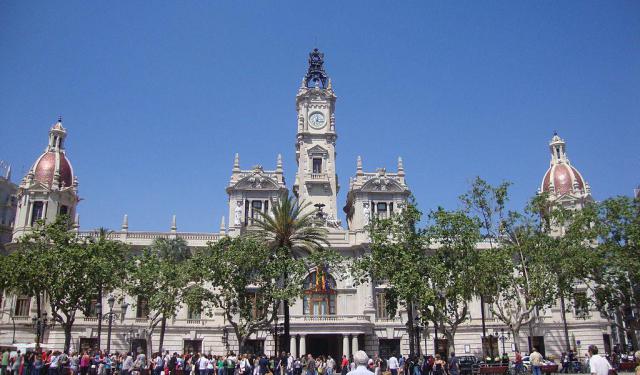
In Valencia, the architecture tells you right away-this city has layers. It's not just a coastal getaway with sunshine and beaches. Beneath the bright skies, “Spain’s Third Capital” reveals a blend of styles both rich and unexpected-at once bold in contrast and delicate in detail. Nowhere is this more evident than in the Old Town, where nearly every corner seems to offer a visual... view more
Tour Duration: 2 Hour(s)
Travel Distance: 3.3 Km or 2.1 Miles
Tour Duration: 2 Hour(s)
Travel Distance: 3.3 Km or 2.1 Miles
Old Town Walking Tour
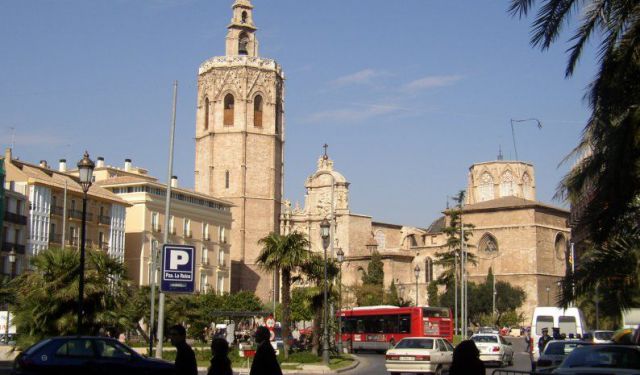
Valencia’s Old Town stands apart from many in Europe for how effortlessly its many layers of history coexist. Beneath modern squares, ancient Roman streets and forum remains lie quietly preserved. The maze-like layout-shaped during the city’s Islamic period-was never swept away after the Christian Reconquest. Instead, it survived and evolved, now lined with Gothic churches and Baroque façades... view more
Tour Duration: 2 Hour(s)
Travel Distance: 3.0 Km or 1.9 Miles
Tour Duration: 2 Hour(s)
Travel Distance: 3.0 Km or 1.9 Miles
The Most Popular Cities
/ view all