

Farquhar Street Walking Tour (Self Guided), George Town
Farquhar Street, a UNESCO World Heritage site since 2008, is a culturally rich thoroughfare in George Town, Malaysia, and home to many interesting historic properties. Let's take a brief journey down this storied street and see what they are.
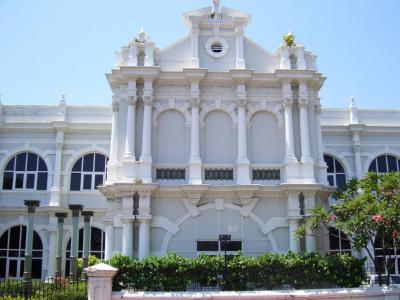
At the outset of Farquhar stands the impressive Supreme Court building, a symbol of justice and governance in Penang. Just a stone's throw away, the Penang Museum and Art Gallery provides visitors with a glimpse into the region's vibrant history and artistic heritage.
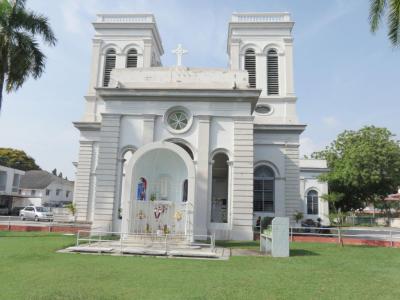
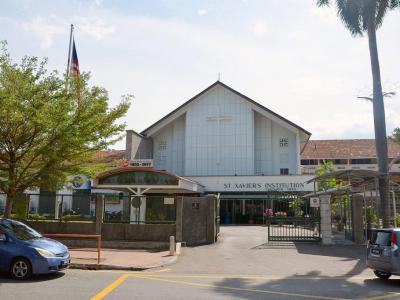
Continuing down the street, you'll encounter the splendid Cathedral of the Assumption, a fine example of Colonial architecture. Nearby, Saint Xavier Institution stands as a testament to the importance of education in Penang's history.
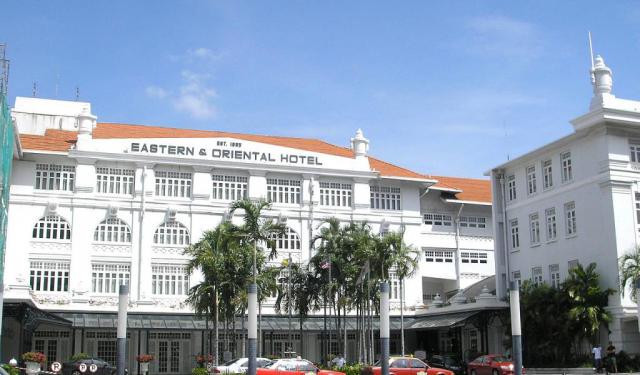
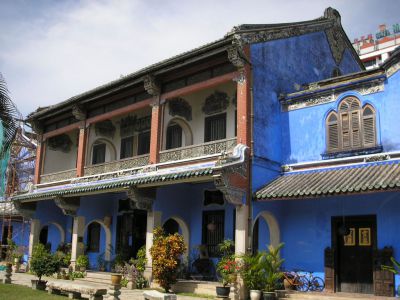
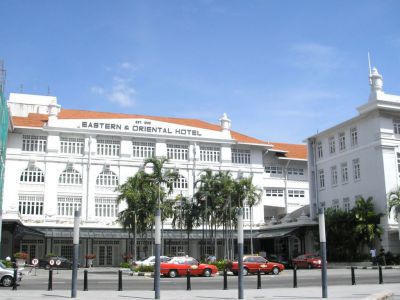
One cannot miss the captivating Cheong Fatt Tze - The Blue Mansion, a beautifully preserved heritage building showcasing the cultural blend of the past. Across the street, the Eastern & Oriental Hotel exudes colonial-era grandeur and luxury.
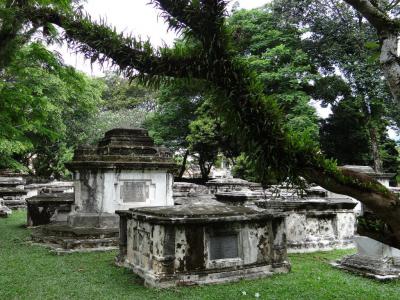
Farquhar Street also houses the historic Protestant Cemetery, a serene resting place for many of the city's early settlers. Further down the road, the 1930s Runnymede is a three-story building that today accommodates a wealth of leisure and entertainment options.
Lastly, the Wawasan Open University Campus represents the city's commitment to modern education and accessibility.
George Town's Farquhar Street is a captivating blend of historical significance and contemporary vibrancy. A chance to explore its landmarks and experience its charm firsthand will enable you to delve into the diverse culture of Penang. Use it!
At the outset of Farquhar stands the impressive Supreme Court building, a symbol of justice and governance in Penang. Just a stone's throw away, the Penang Museum and Art Gallery provides visitors with a glimpse into the region's vibrant history and artistic heritage.
Continuing down the street, you'll encounter the splendid Cathedral of the Assumption, a fine example of Colonial architecture. Nearby, Saint Xavier Institution stands as a testament to the importance of education in Penang's history.
One cannot miss the captivating Cheong Fatt Tze - The Blue Mansion, a beautifully preserved heritage building showcasing the cultural blend of the past. Across the street, the Eastern & Oriental Hotel exudes colonial-era grandeur and luxury.
Farquhar Street also houses the historic Protestant Cemetery, a serene resting place for many of the city's early settlers. Further down the road, the 1930s Runnymede is a three-story building that today accommodates a wealth of leisure and entertainment options.
Lastly, the Wawasan Open University Campus represents the city's commitment to modern education and accessibility.
George Town's Farquhar Street is a captivating blend of historical significance and contemporary vibrancy. A chance to explore its landmarks and experience its charm firsthand will enable you to delve into the diverse culture of Penang. Use it!
How it works: Download the app "GPSmyCity: Walks in 1K+ Cities" from Apple App Store or Google Play Store to your mobile phone or tablet. The app turns your mobile device into a personal tour guide. For US$14.99 per year, you get access to walking tours in 630+ cities worldwide. In comparison, a guided tour often costs dozens of dollars per person for a single tour. The app works offline, so no data plan is needed when traveling abroad.
Download The GPSmyCity App



Farquhar Street Walking Tour Map
Guide Name: Farquhar Street Walking Tour
Guide Location: Malaysia » George Town (See other walking tours in George Town)
Guide Type: Self-guided Walking Tour (Sightseeing)
Tour Duration: 2 Hour(s)
Travel Distance: 2.4 Km or 1.5 Miles
Guide Location: Malaysia » George Town (See other walking tours in George Town)
Guide Type: Self-guided Walking Tour (Sightseeing)
Tour Duration: 2 Hour(s)
Travel Distance: 2.4 Km or 1.5 Miles
Sights Featured in This Walk



Walking Tours in George Town, Malaysia

Create Your Own Walk in George Town
Creating your own self-guided walk in George Town is easy and fun. Choose the city attractions that you want to see and a walk route map will be created just for you. You can even set your hotel as the start point of the walk.
George Town Introduction Walking Tour
Some felt in Malaya that the city of George Town should be renamed Tanjung Penaga ("Cape Penaga"). That was the name of the area where George Town now stands. But the Chinese, British, Muslim, Malay and Indian movers and shakers of the town wisely declined. It might be bad for business.
Captain Francis Light, R. N., came to Tanjung Penaga in 1786. He wanted to set up an entrepôt for... view more
Tour Duration: 2 Hour(s)
Travel Distance: 3.3 Km or 2.1 Miles
Captain Francis Light, R. N., came to Tanjung Penaga in 1786. He wanted to set up an entrepôt for... view more
Tour Duration: 2 Hour(s)
Travel Distance: 3.3 Km or 2.1 Miles
George Town's Historical Religious Buildings
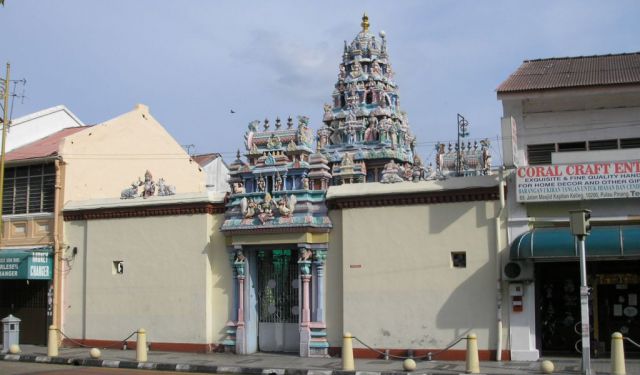
George Town, Malaysia, has much to be proud of when it comes to religious heritage. The city boasts a plethora of wonderful churches, temples, mosques, and other religious sites – each beautifully decorated and with its own unique story. Follow us on this self-guided walk and see some of them up close.
We start at the Acheen Street Mosque. Dating back to the early 19th century, this is one of... view more
Tour Duration: 1 Hour(s)
Travel Distance: 1.8 Km or 1.1 Miles
We start at the Acheen Street Mosque. Dating back to the early 19th century, this is one of... view more
Tour Duration: 1 Hour(s)
Travel Distance: 1.8 Km or 1.1 Miles
The Most Popular Cities
/ view all