

Audio Guide: Following Steps of Jesus Walking Tour (Self Guided), Jerusalem
The story of Jerusalem is inseparable from the final chapter of Jesus’s earthly life. Here, places linked to his teaching, arrest, trial, crucifixion, burial, and resurrection are woven into a dense urban landscape shaped by centuries of faith, conquest, and rebuilding. Many of these landmarks are only minutes apart from one another, yet they point to the scenes that span the Gospels-from public preaching to private prayer, from judgment to hope. Today's Jerusalem is a layered city, where Byzantine churches, Crusader walls, Ottoman streets, and modern quarters all frame locations remembered through Christian tradition.
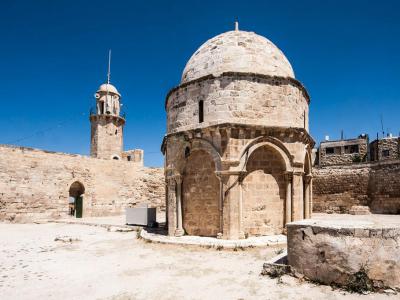
On the Mount of Olives, several key places recall the last days before the Passion of the Christ. The Chapel of the Ascension marks the traditional spot from which Jesus is believed to have ascended into heaven. Nearby, the Church of the Pater Noster is associated with the teaching of the Lord’s Prayer, displayed today in dozens of languages. A short walk downhill brings you to the Dominus Flevit Church, built on the place where Jesus is said to have wept over Jerusalem, anticipating its future destruction.
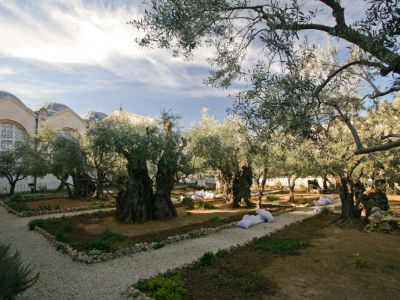
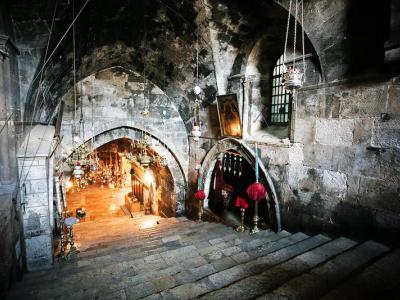
At the foot of the hill lies the Garden of Gethsemane, traditionally identified as the place of Jesus’s arrest, still planted with ancient olive trees. Just across the Kidron Valley is the Tomb of the Virgin Mary, linked to the early Christian beliefs about Mary’s burial.
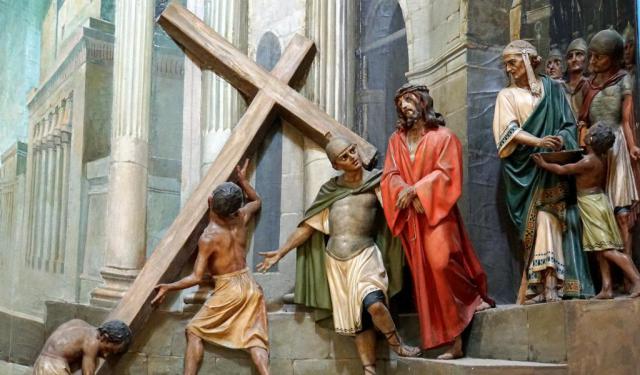
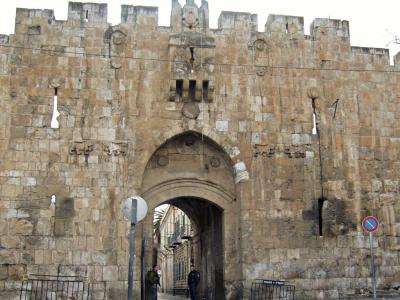
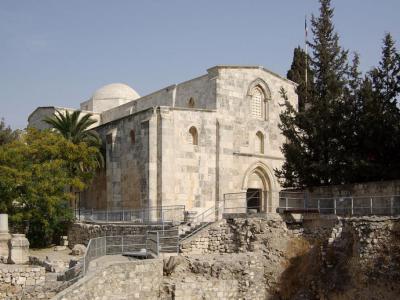
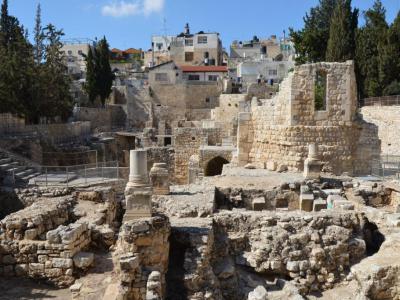
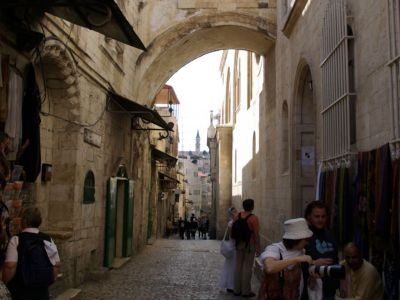
Entering the Old City through the Lions' Gate, the route brings you into the heart of the Passion narrative. Nearby stand the Churches of St. Anne and the adjacent Pools of Bethesda associated with the healing miracles described in the Gospel of John. Further along is the Ecce Homo Arch, traditionally linked to Pontius Pilate’s presentation of Jesus to the crowd. From here begins the Via Dolorosa, or the Way of Sorrow, marking the path Jesus is believed to have endured en route to his crucifixion.
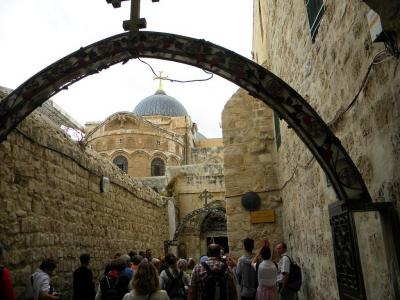
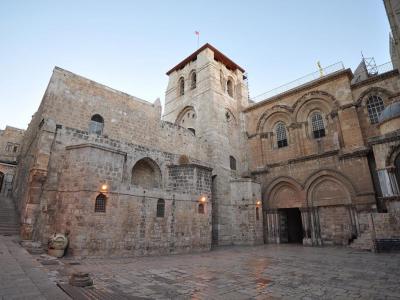
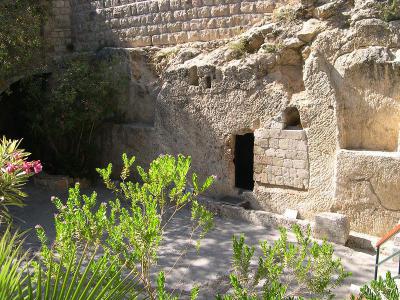
The tour culminates at the Church of the Holy Sepulchre, which encloses both the site of the Crucifixion and Christ's Tomb. Outside the city walls, another tradition points to the Garden Tomb, a quieter site some Christians associate with the burial and resurrection.
Walking these places is by far not about ticking landmarks off a list. It is about moving through a city where belief, history, and memory intersect at every corner. So, take your time. Read what the stones and signboards can tell you. Notice the contrasts-quiet courtyards and crowded lanes, worn thresholds and gleaming lamps-and let Jerusalem narrate to you the story of Jesus in its own rhythm, step by step, stone by stone...
On the Mount of Olives, several key places recall the last days before the Passion of the Christ. The Chapel of the Ascension marks the traditional spot from which Jesus is believed to have ascended into heaven. Nearby, the Church of the Pater Noster is associated with the teaching of the Lord’s Prayer, displayed today in dozens of languages. A short walk downhill brings you to the Dominus Flevit Church, built on the place where Jesus is said to have wept over Jerusalem, anticipating its future destruction.
At the foot of the hill lies the Garden of Gethsemane, traditionally identified as the place of Jesus’s arrest, still planted with ancient olive trees. Just across the Kidron Valley is the Tomb of the Virgin Mary, linked to the early Christian beliefs about Mary’s burial.
Entering the Old City through the Lions' Gate, the route brings you into the heart of the Passion narrative. Nearby stand the Churches of St. Anne and the adjacent Pools of Bethesda associated with the healing miracles described in the Gospel of John. Further along is the Ecce Homo Arch, traditionally linked to Pontius Pilate’s presentation of Jesus to the crowd. From here begins the Via Dolorosa, or the Way of Sorrow, marking the path Jesus is believed to have endured en route to his crucifixion.
The tour culminates at the Church of the Holy Sepulchre, which encloses both the site of the Crucifixion and Christ's Tomb. Outside the city walls, another tradition points to the Garden Tomb, a quieter site some Christians associate with the burial and resurrection.
Walking these places is by far not about ticking landmarks off a list. It is about moving through a city where belief, history, and memory intersect at every corner. So, take your time. Read what the stones and signboards can tell you. Notice the contrasts-quiet courtyards and crowded lanes, worn thresholds and gleaming lamps-and let Jerusalem narrate to you the story of Jesus in its own rhythm, step by step, stone by stone...
How it works: Download the app "GPSmyCity: Walks in 1K+ Cities" from Apple App Store or Google Play Store to your mobile phone or tablet. The app turns your mobile device into a personal tour guide and its built-in GPS navigation functions guide you from one tour stop to next. The app works offline, so no data plan is needed when traveling abroad.
Download The GPSmyCity App



Following Steps of Jesus Walking Tour Map
Guide Name: Following Steps of Jesus Walking Tour
Guide Location: Israel » Jerusalem (See other walking tours in Jerusalem)
Guide Type: Self-guided Walking Tour (Sightseeing)
Tour Duration: 2 Hour(s)
Travel Distance: 3.7 Km or 2.3 Miles
Guide Location: Israel » Jerusalem (See other walking tours in Jerusalem)
Guide Type: Self-guided Walking Tour (Sightseeing)
Tour Duration: 2 Hour(s)
Travel Distance: 3.7 Km or 2.3 Miles
Sights Featured in This Walk


12) Garden Tomb (must see)
Walking Tours in Jerusalem, Israel

Create Your Own Walk in Jerusalem
Creating your own self-guided walk in Jerusalem is easy and fun. Choose the city attractions that you want to see and a walk route map will be created just for you. You can even set your hotel as the start point of the walk.
Jerusalem City Gates Walking Tour
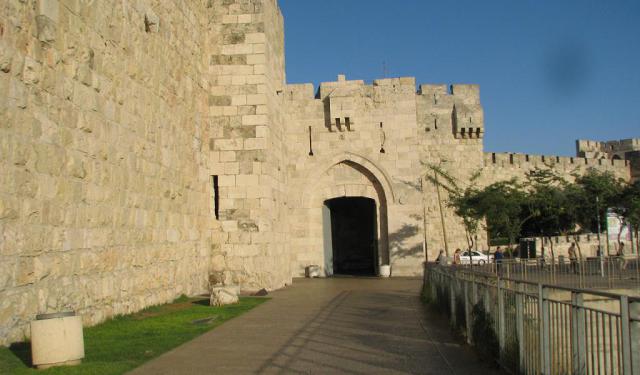
Historians believe that the Old City of Jerusalem probably came into being more than 4,500 years ago. The defensive wall around it features a number of gates built on the order of the Ottoman sultan Suleyman the Magnificent in the first half of the 16th century, each of which is an attraction in its own right. Until as recently as 1870, they were all closed from sunset to sunrise; nowadays, just... view more
Tour Duration: 2 Hour(s)
Travel Distance: 3.7 Km or 2.3 Miles
Tour Duration: 2 Hour(s)
Travel Distance: 3.7 Km or 2.3 Miles
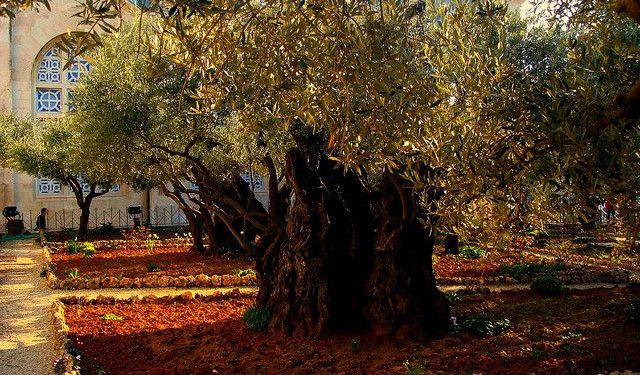
Mount of Olives Walking Tour
Rising along the eastern edge of Jerusalem, the Mount of Olives is a long limestone ridge that offers sweeping views over the Old City while holding an exceptional concentration of religious landmarks. For more than 3,000 years, it has appeared in Jewish, Christian, and later religious traditions, becoming closely associated with prophecy, grief, hope, and renewal. Figures ranging from kings and... view more
Tour Duration: 1 Hour(s)
Travel Distance: 1.7 Km or 1.1 Miles
Tour Duration: 1 Hour(s)
Travel Distance: 1.7 Km or 1.1 Miles
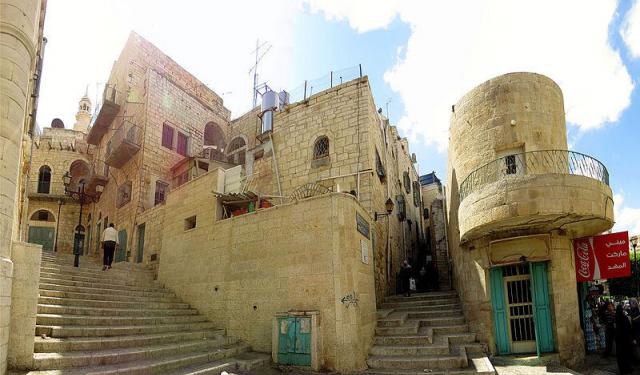
Bethlehem Walking Tour
Just a few kilometers south of Jerusalem, Bethlehem carries a name that echoes across continents. For more than two millennia, it has been known as the birthplace of Jesus Christ - complete with a guiding star, candlelit carols, and a December soundtrack that practically plays on its own. Yet when you arrive, you quickly realize this is not a frozen nativity scene. It’s a living, breathing... view more
Tour Duration: 1 Hour(s)
Travel Distance: 1.5 Km or 0.9 Miles
Tour Duration: 1 Hour(s)
Travel Distance: 1.5 Km or 0.9 Miles
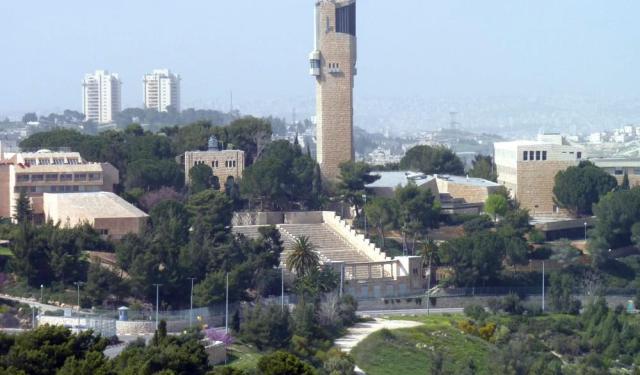
Mount Scopus Walking Tour
Dotted with many sightseeing places, Mount Scopus – translating as the “Observation Mount” from Greek – is a great place to get views over the whole Old City of Jerusalem on a nice day. The mount has been of major strategic importance since Roman times, with forces setting up camp here prior to laying the siege that culminated in the final Roman victory over Jerusalem around 70 AD.... view more
Tour Duration: 1 Hour(s)
Travel Distance: 2.3 Km or 1.4 Miles
Tour Duration: 1 Hour(s)
Travel Distance: 2.3 Km or 1.4 Miles
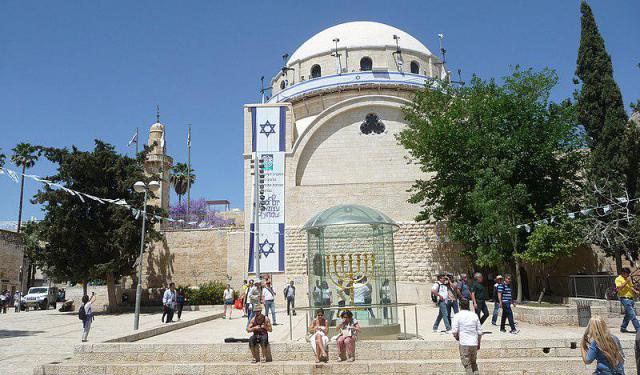
Jewish Quarter Walking Tour
Entirely rebuilt in the 1980s after having been largely destroyed during the 1948 War, the Jewish Quarter is quite distinct from the rest of the Old City. Good signposting, spacious passageways, art galleries and a somewhat less buzzing atmosphere make the area a relaxing place to spend some time.
With its rebuilt residential buildings, some almost consider this area the "New... view more
Tour Duration: 1 Hour(s)
Travel Distance: 1.3 Km or 0.8 Miles
With its rebuilt residential buildings, some almost consider this area the "New... view more
Tour Duration: 1 Hour(s)
Travel Distance: 1.3 Km or 0.8 Miles
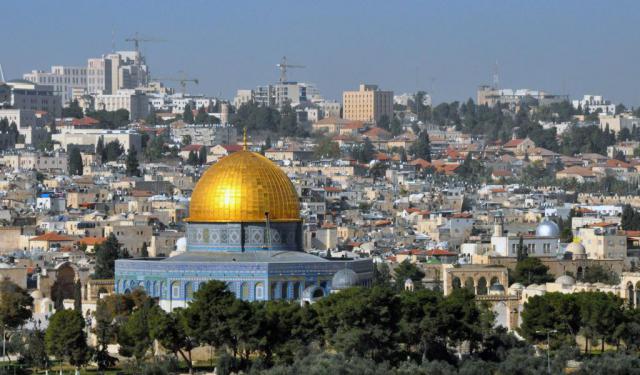
Muslim Quarter & Temple Mount Tour
The largest, most populous and perhaps most chaotic of all Jerusalem’s quarters, the Muslim Quarter is worth exploring for its unique atmosphere. Spending a day here may take you back to a simpler time, but be prepared for many sights and sounds as you pass many vendors, stores and restaurants on your way from site to site.
Some of the city’s most interesting city gates (Damascus and... view more
Tour Duration: 2 Hour(s)
Travel Distance: 2.1 Km or 1.3 Miles
Some of the city’s most interesting city gates (Damascus and... view more
Tour Duration: 2 Hour(s)
Travel Distance: 2.1 Km or 1.3 Miles
Useful Travel Guides for Planning Your Trip
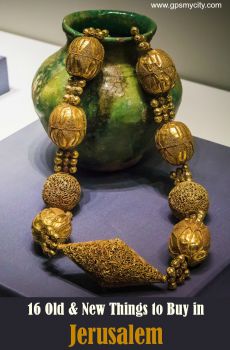
16 Uniquely Israel Things to Buy in Jerusalem
Modern day Jerusalem is a mosaic of neighborhoods, reflecting different historical periods, cultures, and religions. The influx of repatriates in recent years has made the cultural and artisanal scene of the city even more colourful and diverse. To find your way through Jerusalem's intricate...
The Most Popular Cities
/ view all