


Audio Guide: Higashiyama Walking Tour (Self Guided), Kyoto
It'd be fair to say that Kyoto is a theme park for lovers of history, religion, and all things deeply, unmistakably Japanese. If so, Higashiyama Ward, with its long lines, can easily be recognized as its star attraction. Tucked along the city’s eastern edge-hence its poetic name translated as “Eastern Mountain”-this district is where Kyoto flaunts its heritage like a geisha in full regalia. It’s a place where feudal-era Japan isn’t simply remembered but is very much alive and well, sipping tea in a machiya and contemplating cherry blossoms.
Back in the Heian period (between the 8th and 12th centuries), when Kyoto was the imperial capital and the world still ran on scrolls and sandalwood, Higashiyama was already establishing itself as a cultural hotspot. A few centuries later, the area hit its stride during the Muromachi and Edo periods (from 1336 to 1868), blossoming into a religious and artistic haven. Toyotomi Hideyoshi-the warlord, unifier, and part-time city planner-gave the neighborhood a dramatic facelift in the late 16th century, commissioning impressive structures that still earn architectural bragging rights even today.
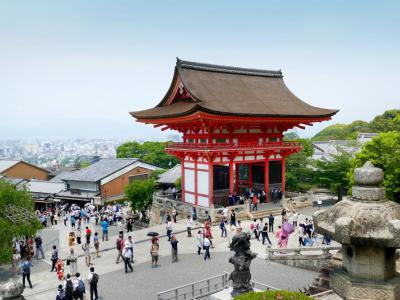
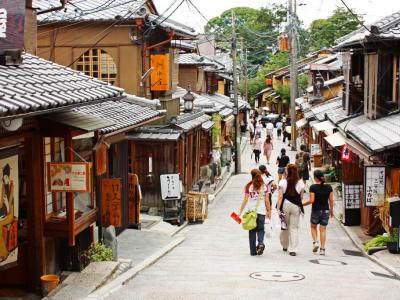
By the 1600s, Higashiyama had firmly established its aesthetic in cozy alleys, slatted wood townhouses, and an eerie ability to make visitors forget what century they’re in. It's like Kyoto's version of a historical time capsule-except you can walk through it while eating matcha ice cream. The district continues to charm with landmarks like Kiyomizu-dera Temple, perched dramatically atop a hillside, and the winding streets of Ninen-zaka and Sannen-zaka, where even the souvenir shops feel timeless.
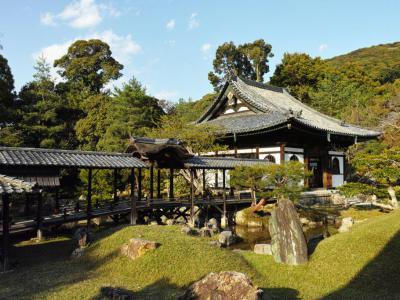
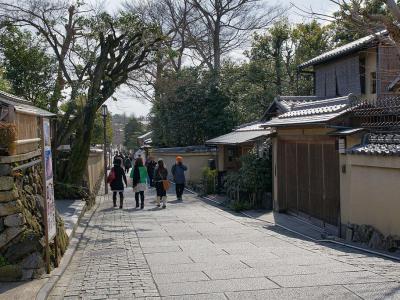
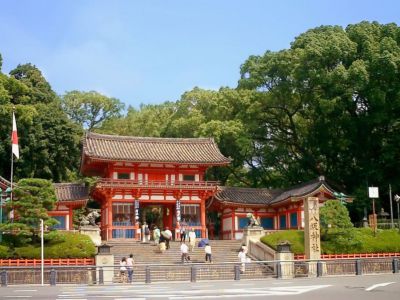
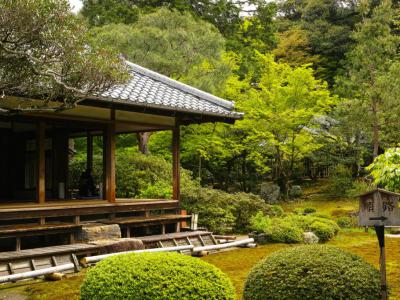
For a deeper spiritual dive, there’s Kodai-ji sanctuary with its Zen gardens, Nene-no-Michi Lane for those seeking quiet teahouse vibes, and big-hitters like Yasaka-jinja Shrine and Chion-in Temple, both equally impressive in ritual and scale. And if you’re craving something more low-key, Shoren-in Temple offers palace architecture and a light show in spring and fall. In Higashiyama, history doesn’t whisper-it chants, dances, and hands you a rice cracker on the way... Enjoy it!
Back in the Heian period (between the 8th and 12th centuries), when Kyoto was the imperial capital and the world still ran on scrolls and sandalwood, Higashiyama was already establishing itself as a cultural hotspot. A few centuries later, the area hit its stride during the Muromachi and Edo periods (from 1336 to 1868), blossoming into a religious and artistic haven. Toyotomi Hideyoshi-the warlord, unifier, and part-time city planner-gave the neighborhood a dramatic facelift in the late 16th century, commissioning impressive structures that still earn architectural bragging rights even today.
By the 1600s, Higashiyama had firmly established its aesthetic in cozy alleys, slatted wood townhouses, and an eerie ability to make visitors forget what century they’re in. It's like Kyoto's version of a historical time capsule-except you can walk through it while eating matcha ice cream. The district continues to charm with landmarks like Kiyomizu-dera Temple, perched dramatically atop a hillside, and the winding streets of Ninen-zaka and Sannen-zaka, where even the souvenir shops feel timeless.
For a deeper spiritual dive, there’s Kodai-ji sanctuary with its Zen gardens, Nene-no-Michi Lane for those seeking quiet teahouse vibes, and big-hitters like Yasaka-jinja Shrine and Chion-in Temple, both equally impressive in ritual and scale. And if you’re craving something more low-key, Shoren-in Temple offers palace architecture and a light show in spring and fall. In Higashiyama, history doesn’t whisper-it chants, dances, and hands you a rice cracker on the way... Enjoy it!
How it works: Download the app "GPSmyCity: Walks in 1K+ Cities" from Apple App Store or Google Play Store to your mobile phone or tablet. The app turns your mobile device into a personal tour guide. For US$14.99 per year, you get access to walking tours in 630+ cities worldwide. In comparison, a guided tour often costs dozens of dollars per person for a single tour. The app works offline, so no data plan is needed when traveling abroad.
Download The GPSmyCity App



Higashiyama Walking Tour Map
Guide Name: Higashiyama Walking Tour
Guide Location: Japan » Kyoto (See other walking tours in Kyoto)
Guide Type: Self-guided Walking Tour (Sightseeing)
Tour Duration: 1 Hour(s)
Travel Distance: 2.6 Km or 1.6 Miles
Guide Location: Japan » Kyoto (See other walking tours in Kyoto)
Guide Type: Self-guided Walking Tour (Sightseeing)
Tour Duration: 1 Hour(s)
Travel Distance: 2.6 Km or 1.6 Miles
Sights Featured in This Walk

Walking Tours in Kyoto, Japan

Create Your Own Walk in Kyoto
Creating your own self-guided walk in Kyoto is easy and fun. Choose the city attractions that you want to see and a walk route map will be created just for you. You can even set your hotel as the start point of the walk.

Walk on Philosopher's Path
Looking for a scenic walk with a side of existential pondering in Kyoto, you're inevitably bound to end up on the Philosopher’s Path. Winding its way for about two kilometers along the leafy canal that carries water from Lake Biwa to the foothills, this picturesque walking trail once served as the thinking route of Nishida Kitaro. Back in the first half of the 20th century, the famed... view more
Tour Duration: 2 Hour(s)
Travel Distance: 2.6 Km or 1.6 Miles
Tour Duration: 2 Hour(s)
Travel Distance: 2.6 Km or 1.6 Miles

Kyoto Shopping and Food Tour
The cultural capital of Japan, Kyoto is just as famous as a shopper’s paradise and, without a doubt, the best place in the country to buy traditional and modern Japanese goods. Souvenirs, food, bargains, and various “one-of-a-kind items” are all up for grabs here.
In addition to its shopping scene, Kyoto boasts a rich culinary heritage, from Michelin-starred restaurants to humble street... view more
Tour Duration: 1 Hour(s)
Travel Distance: 2.0 Km or 1.2 Miles
In addition to its shopping scene, Kyoto boasts a rich culinary heritage, from Michelin-starred restaurants to humble street... view more
Tour Duration: 1 Hour(s)
Travel Distance: 2.0 Km or 1.2 Miles
Imperial Kyoto Walking Tour
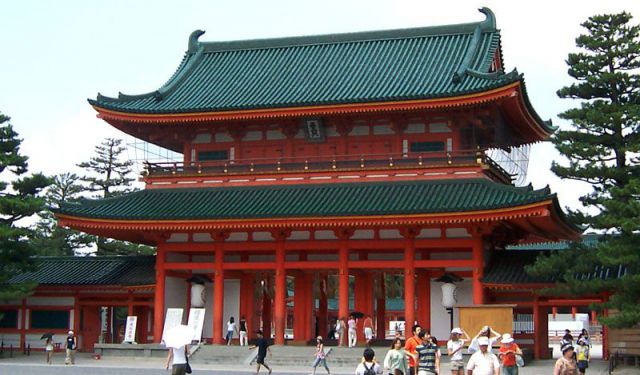
Kyoto served as Japan’s imperial capital for over 1,000 years, from 794 to 1869, beginning with Emperor Kanmu’s relocation of his court to Heian-kyō (which is Kyoto’s former name). Though political power eventually shifted to the shogunate and later to Tokyo, Kyoto remained the cultural and symbolic heart of Japan. Its long association with the imperial court helped shape it into a refined... view more
Tour Duration: 2 Hour(s)
Travel Distance: 4.1 Km or 2.5 Miles
Tour Duration: 2 Hour(s)
Travel Distance: 4.1 Km or 2.5 Miles

Arashiyama and Bamboo Grove Walking Tour
The Arashiyama district of Kyoto is slightly out of the way for tourists, but that means you can enjoy it more comfortably.
Undoubtedly, the most popular attraction here is the iconic Bamboo Grove, a mesmerizing forest of towering bamboo stalks that sway gently in the breeze, creating an ethereal atmosphere. This serene setting is a must-visit for travelers seeking tranquility amidst... view more
Tour Duration: 2 Hour(s)
Travel Distance: 3.4 Km or 2.1 Miles
Undoubtedly, the most popular attraction here is the iconic Bamboo Grove, a mesmerizing forest of towering bamboo stalks that sway gently in the breeze, creating an ethereal atmosphere. This serene setting is a must-visit for travelers seeking tranquility amidst... view more
Tour Duration: 2 Hour(s)
Travel Distance: 3.4 Km or 2.1 Miles
Gion District Walking Tour
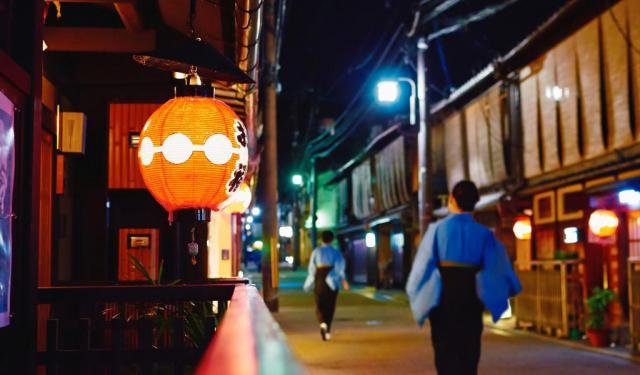
Gion, one of Kyoto’s most captivating districts, is deeply rooted in Japan’s cultural heritage. Located in the Higashiyama (the so-called “Eastern Mountain”) neighborhood, its history dates back to the Sengoku period, when it began as a hospitality area for pilgrims visiting Yasaka Shrine. By the late 18th and early 19th centuries, it had evolved into a renowned entertainment quarter,... view more
Tour Duration: 2 Hour(s)
Travel Distance: 2.8 Km or 1.7 Miles
Tour Duration: 2 Hour(s)
Travel Distance: 2.8 Km or 1.7 Miles
Useful Travel Guides for Planning Your Trip

18 Japanese Products To Bring Home from Kyoto
The old capital of Japan, the city of Kyoto has once again been the talk of the world lately, thanks to the bestselling "Memoirs of a Geisha" book and the namesake Hollywood blockbuster movie. Renowned for its impeccable craftsmanship, Japan has so much to amaze a foreign eye with. Many of...
The Most Popular Cities
/ view all