

Audio Guide: Lisbon Introduction Walking Tour (Self Guided), Lisbon
Lisbon, the capital city of Portugal, is a fascinating blend of history, culture, and breathtaking viewpoints. Its name is believed to have originated from the Phoenician term "Allis Ubbo", which means "safe harbor," reflecting the city's importance as a maritime hub since ancient times. Nestled at Europe's western edge and abundant in architectural styles, Lisbon ranks as the world's 10th oldest city, tracing its roots back to the Phoenician Civilization, which settled in the region approximately three millennia ago.
Over the centuries, the city has been shaped by the Greeks, Romans, Moors, and Portuguese explorers of the Age of Discovery, each leaving their cultural footprint visible today. The 1498 discovery of the sea route to India elevated Lisbon to a major trade hub. The devastating 1755 earthquake, tsunami, and fires reshaped the city, leading to the creation of the modern Baixa district. All these events have left lasting cultural and architectural legacies.
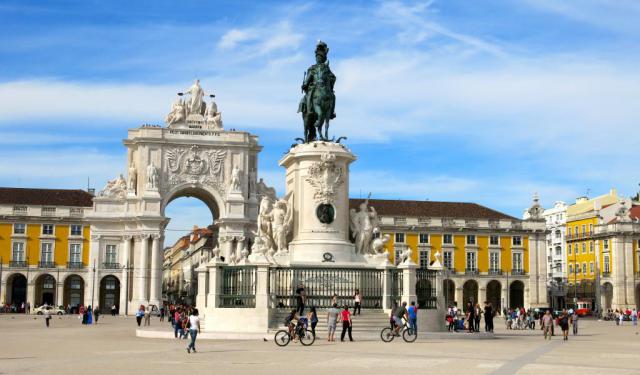
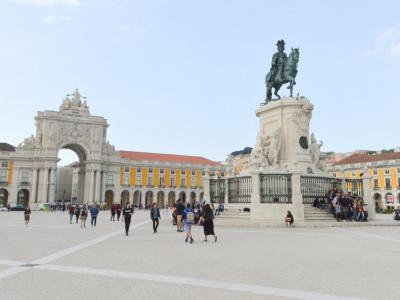
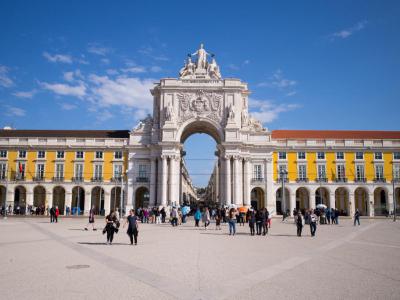
A great starting point to explore Lisbon is Commerce Square, a grand waterfront plaza, that once served as the bustling entry point for goods arriving by sea. From here, walk under the majestic Rua Augusta Arch to enter a lively pedestrian street buzzing with shops and cafés.
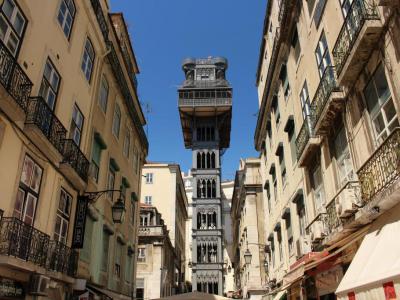
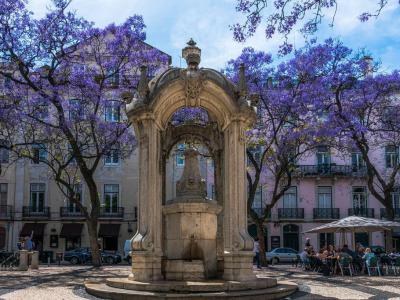
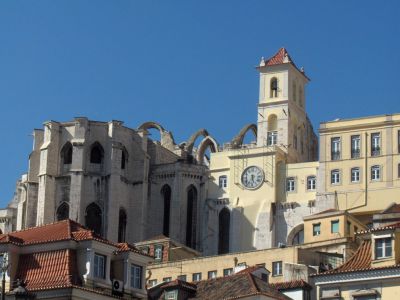
The Santa Justa Lift, a neo-Gothic marvel, connects the lower streets of Baixa with the higher Carmo district, where you can find the elegant Carmo Fountain and Square. Nearby, the Carmo Archaeological Museum, housed in the ruins of a Gothic church, offers a glimpse into Lisbon’s medieval history.
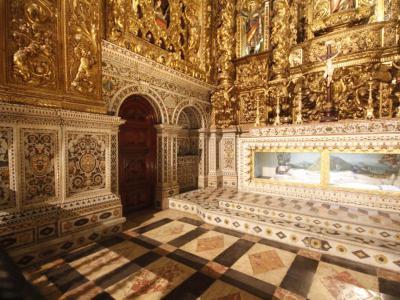
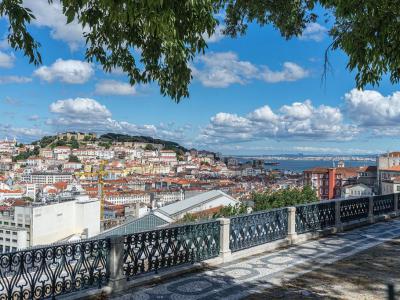
The Church of Saint Roch, one of the oldest Jesuit churches in the world, boasts an interior adorned with baroque splendor. For panoramic views of the city, head to the Sao Pedro Viewpoint, a serene terrace overlooking Lisbon’s iconic red rooftops and Saint George’s Castle looming majestically over the skyline.
To explore Lisbon’s hilly terrain, ride the charming Glória Funicular, which leads to the bustling Liberty Avenue, a boulevard lined with luxury shops and shaded walkways. Nearby, the Restorers Square and Rossio Square are hubs of activity, while Fig Tree Square offers a quieter corner to absorb the city’s rhythm.
Lisbon invites you to lose yourself in its maze of alleys, soak up the vibrant culture, and discover the charm of its timeless landmarks. Start planning your visit today and let this historic city captivate your senses.
Over the centuries, the city has been shaped by the Greeks, Romans, Moors, and Portuguese explorers of the Age of Discovery, each leaving their cultural footprint visible today. The 1498 discovery of the sea route to India elevated Lisbon to a major trade hub. The devastating 1755 earthquake, tsunami, and fires reshaped the city, leading to the creation of the modern Baixa district. All these events have left lasting cultural and architectural legacies.
A great starting point to explore Lisbon is Commerce Square, a grand waterfront plaza, that once served as the bustling entry point for goods arriving by sea. From here, walk under the majestic Rua Augusta Arch to enter a lively pedestrian street buzzing with shops and cafés.
The Santa Justa Lift, a neo-Gothic marvel, connects the lower streets of Baixa with the higher Carmo district, where you can find the elegant Carmo Fountain and Square. Nearby, the Carmo Archaeological Museum, housed in the ruins of a Gothic church, offers a glimpse into Lisbon’s medieval history.
The Church of Saint Roch, one of the oldest Jesuit churches in the world, boasts an interior adorned with baroque splendor. For panoramic views of the city, head to the Sao Pedro Viewpoint, a serene terrace overlooking Lisbon’s iconic red rooftops and Saint George’s Castle looming majestically over the skyline.
To explore Lisbon’s hilly terrain, ride the charming Glória Funicular, which leads to the bustling Liberty Avenue, a boulevard lined with luxury shops and shaded walkways. Nearby, the Restorers Square and Rossio Square are hubs of activity, while Fig Tree Square offers a quieter corner to absorb the city’s rhythm.
Lisbon invites you to lose yourself in its maze of alleys, soak up the vibrant culture, and discover the charm of its timeless landmarks. Start planning your visit today and let this historic city captivate your senses.
How it works: Download the app "GPSmyCity: Walks in 1K+ Cities" from Apple App Store or Google Play Store to your mobile phone or tablet. The app turns your mobile device into a personal tour guide. For US$14.99 per year (with a 3-day free trial), you get access to walking tours in 630+ cities worldwide for an entire year. In comparison, a guided tour often costs dozens of dollars per person for a single tour. The app works offline, so no data plan is needed when traveling abroad.
Download The GPSmyCity App



Lisbon Introduction Walking Tour Map
Guide Name: Lisbon Introduction Walking Tour
Guide Location: Portugal » Lisbon (See other walking tours in Lisbon)
Guide Type: Self-guided Walking Tour (Sightseeing)
Tour Duration: 2 Hour(s)
Travel Distance: 2.4 Km or 1.5 Miles
Guide Location: Portugal » Lisbon (See other walking tours in Lisbon)
Guide Type: Self-guided Walking Tour (Sightseeing)
Tour Duration: 2 Hour(s)
Travel Distance: 2.4 Km or 1.5 Miles
Sights Featured in This Walk

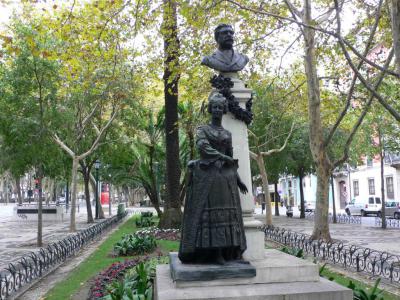
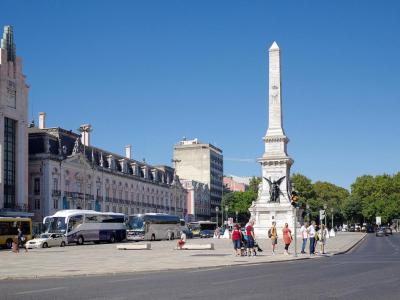
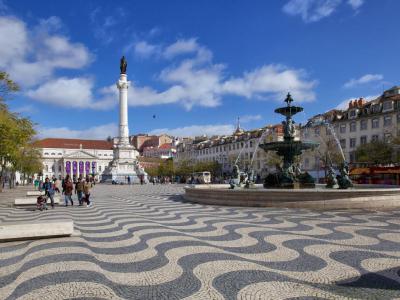

Walking Tours in Lisbon, Portugal

Create Your Own Walk in Lisbon
Creating your own self-guided walk in Lisbon is easy and fun. Choose the city attractions that you want to see and a walk route map will be created just for you. You can even set your hotel as the start point of the walk.
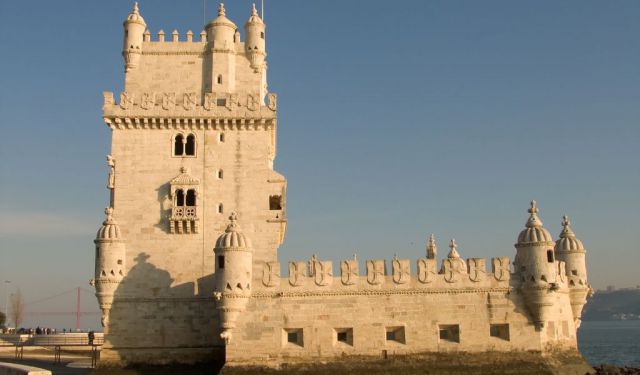
Belem Walking Tour
Also known as Santa Maria de Belem, the district of Belem is one of the most visited in Lisbon. Situated not far from the city center, it lines the Tagus River and is the original location of Lisbon's port – the starting point of the many great voyages of discovery by Portuguese explorers, such as Vasco da Gama – departed from here for India in 1497, and Pedro Alvares Cabral – for... view more
Tour Duration: 2 Hour(s)
Travel Distance: 3.0 Km or 1.9 Miles
Tour Duration: 2 Hour(s)
Travel Distance: 3.0 Km or 1.9 Miles
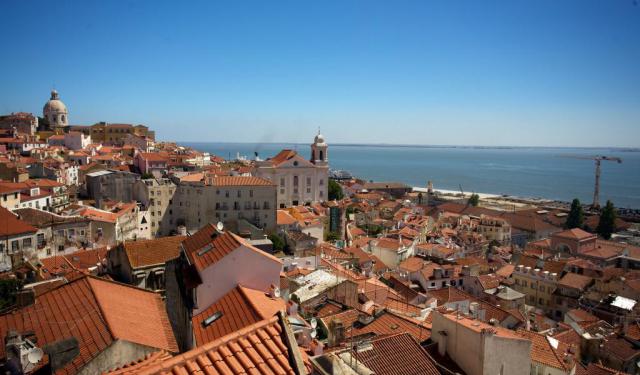
Alfama Walking Tour
Alfama, the oldest district of Lisbon, spreads downhill along the Tagus River. It retains a charmingly labyrinthine layout with narrow alleys and steep streets. Under Islamic rule, this part of the city was increasingly inhabited by fishermen and the poor. The reputation of being a poor area still lives on. The name Alfama derives from the Arabic al-ḥamma, which means "hot fountains"... view more
Tour Duration: 2 Hour(s)
Travel Distance: 3.0 Km or 1.9 Miles
Tour Duration: 2 Hour(s)
Travel Distance: 3.0 Km or 1.9 Miles
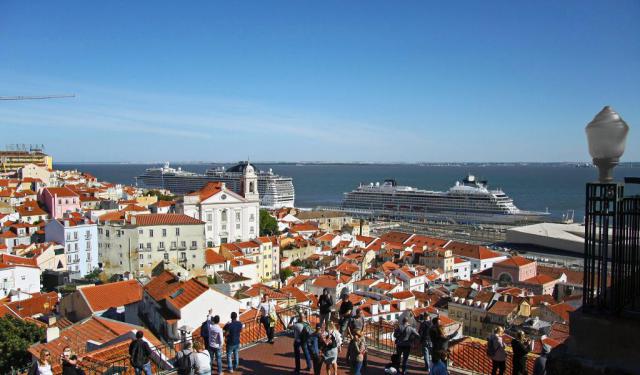
Lisbon Food Tour
Lisbon’s food scene has always been shaped by the city’s position between river, ocean, empire, and neighbourhood life. The Tagus River brought fish, salt, trade, and people; the Atlantic gave the city its long relationship with seafood; and Portugal’s maritime routes introduced ingredients, spices, and eating habits that gradually entered local kitchens.
Cod, although strongly associated... view more
Tour Duration: 1 Hour(s)
Travel Distance: 1.2 Km or 0.7 Miles
Cod, although strongly associated... view more
Tour Duration: 1 Hour(s)
Travel Distance: 1.2 Km or 0.7 Miles
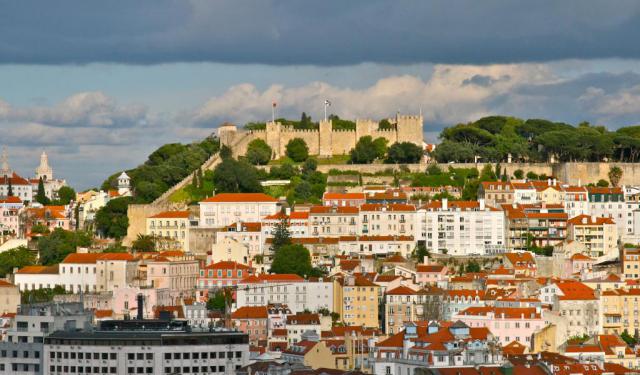
Sao Jorge Castle to Lisbon Cathedral Walking Tour
Spreading on the slope between Saint George's Castle (Castelo de Sao Jorge) and the Tagus River, the oldest neighborhood of the Portuguese capital, Alfama, captivates visitors with its rich cultural heritage and picturesque ambiance. The area is home to numerous historical attractions and as such makes a perfect destination for a classic Lisbon walk!
Perhaps the best starting point for it... view more
Tour Duration: 1 Hour(s)
Travel Distance: 1.1 Km or 0.7 Miles
Perhaps the best starting point for it... view more
Tour Duration: 1 Hour(s)
Travel Distance: 1.1 Km or 0.7 Miles
Useful Travel Guides for Planning Your Trip

17 Uniquely Portuguese Things to Buy in Lisbon
Formerly a major colonial power, Portugal has accumulated great knowledge in craftsmanship. While in Lisbon, you can treat yourself to a vast variety of quality things: wines, ceramics, jewellery, leather goods, books and many more. Most shops in Lisbon open at 9 or 10am, and close in the evening at...

Top 8 Cafes and Restaurants in Lisbon
Experience Lisbon as a local by enjoying typical Portuguese dishes at the best restaurants throughout the city at a price you can afford. Take away the overwhelming pressure of deciding where to eat in a city as dynamic and riveting as Lisbon by allowing this guide to suggest local restaurants with...
The Most Popular Cities
/ view all