

Audio Guide: Castle Island (Slotsholmen) Walking Tour (Self Guided), Copenhagen
Castle Island, sitting outside Copenhagen Harbor, proudly holds the title of the Danish capital’s birthplace. Back in 1167, Bishop Absalon built a small fortress on what was then a cluster of soggy little islets. Unfortunately, the Hanseatic League didn’t think much of the place and destroyed it in 1369. But like any good comeback story, the castle rose from the rubble and became Copenhagen Castle-a royal pad from 1443 onward.
Under King Christian III and his royal successors, this former fortress morphed into something far more bureaucratic: an administrative powerhouse. Over time, the scattered islands merged into one mighty hub of political gravity, earning it the nickname “the Island of Power”.
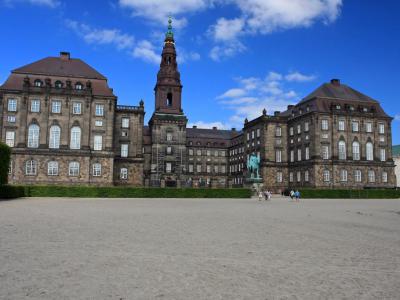
As centuries rolled on, Castle Island got an architectural makeover with a chancellery, an arsenal, and a stock exchange. But alas, Copenhagen Castle got a bit creaky and eventually, in 1731, was razed to make room for the grandiose Christiansborg Palace. The latter, however, managed to burn down twice-yet still came back. Today, Christiansborg is where the Danish Parliament, Supreme Court, and Prime Minister all clock in for work. Democracy, with a hint of royal flair...
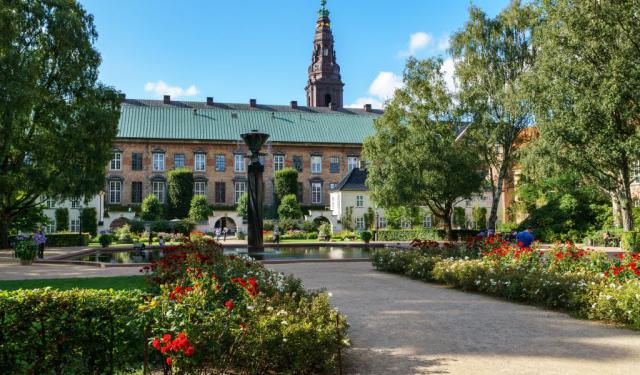
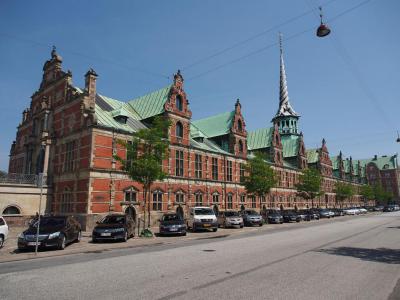
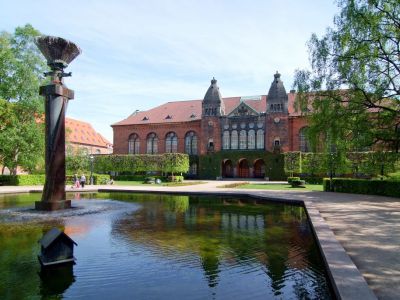
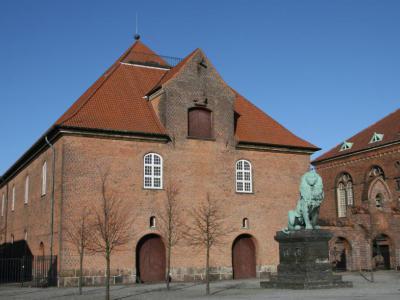
But that's not all! The Old Stock Exchange dazzles with its fairytale spire made of four dragon tails twisted together like a Renaissance cinnamon roll. The Royal Library-complete with its cool, modern sibling, the Black Diamond-caters to bookworms and culture buffs alike. The Danish War Museum gets serious with cannons and chainmail, while Christian IV’s Brewhouse serves up sculptures instead of suds.
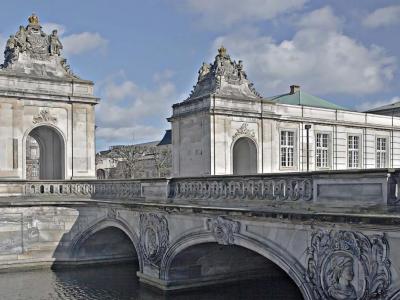
Cross the elegant Marble Bridge, and you'll find Thorvaldsens Museum, where neoclassical sculpture reigns supreme, courtesy of Denmark’s own sculptor Bertel Thorvaldsen.
Today, Castle Island is the perfect place to step back in time-without leaving modern Copenhagen. It’s a one-stop shop for ruins, royalty, and really good photo ops. So, whether you’re a history geek, an architecture enthusiast, or just here for the vibes, Castle Island says: take your time, explore, and maybe-just maybe-feel like a king for a day.
Under King Christian III and his royal successors, this former fortress morphed into something far more bureaucratic: an administrative powerhouse. Over time, the scattered islands merged into one mighty hub of political gravity, earning it the nickname “the Island of Power”.
As centuries rolled on, Castle Island got an architectural makeover with a chancellery, an arsenal, and a stock exchange. But alas, Copenhagen Castle got a bit creaky and eventually, in 1731, was razed to make room for the grandiose Christiansborg Palace. The latter, however, managed to burn down twice-yet still came back. Today, Christiansborg is where the Danish Parliament, Supreme Court, and Prime Minister all clock in for work. Democracy, with a hint of royal flair...
But that's not all! The Old Stock Exchange dazzles with its fairytale spire made of four dragon tails twisted together like a Renaissance cinnamon roll. The Royal Library-complete with its cool, modern sibling, the Black Diamond-caters to bookworms and culture buffs alike. The Danish War Museum gets serious with cannons and chainmail, while Christian IV’s Brewhouse serves up sculptures instead of suds.
Cross the elegant Marble Bridge, and you'll find Thorvaldsens Museum, where neoclassical sculpture reigns supreme, courtesy of Denmark’s own sculptor Bertel Thorvaldsen.
Today, Castle Island is the perfect place to step back in time-without leaving modern Copenhagen. It’s a one-stop shop for ruins, royalty, and really good photo ops. So, whether you’re a history geek, an architecture enthusiast, or just here for the vibes, Castle Island says: take your time, explore, and maybe-just maybe-feel like a king for a day.
How it works: Download the app "GPSmyCity: Walks in 1K+ Cities" from Apple App Store or Google Play Store to your mobile phone or tablet. The app turns your mobile device into a personal tour guide. For US$14.99 per year, you get access to walking tours in 630+ cities worldwide. In comparison, a guided tour often costs dozens of dollars per person for a single tour. The app works offline, so no data plan is needed when traveling abroad.
Download The GPSmyCity App



Castle Island (Slotsholmen) Walking Tour Map
Guide Name: Castle Island (Slotsholmen) Walking Tour
Guide Location: Denmark » Copenhagen (See other walking tours in Copenhagen)
Guide Type: Self-guided Walking Tour (Sightseeing)
Tour Duration: 1 Hour(s)
Travel Distance: 1.6 Km or 1 Miles
Guide Location: Denmark » Copenhagen (See other walking tours in Copenhagen)
Guide Type: Self-guided Walking Tour (Sightseeing)
Tour Duration: 1 Hour(s)
Travel Distance: 1.6 Km or 1 Miles
Sights Featured in This Walk



Walking Tours in Copenhagen, Denmark

Create Your Own Walk in Copenhagen
Creating your own self-guided walk in Copenhagen is easy and fun. Choose the city attractions that you want to see and a walk route map will be created just for you. You can even set your hotel as the start point of the walk.
Latin Quarter Walking Tour
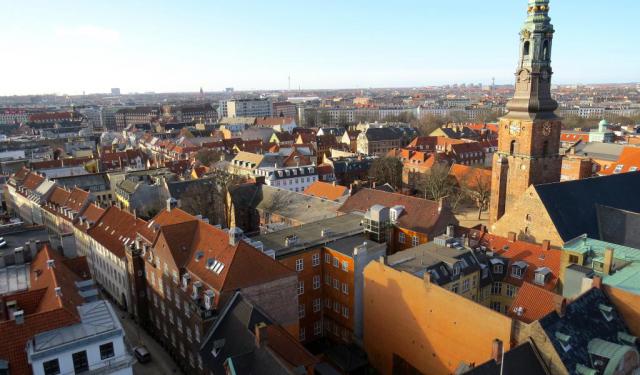
One of the most interesting, young-spirited neighborhoods of Denmark's capital, the Latin Quarter is well known for its hangout spots, alternative shopping, and 18th-century architecture.
Back in the Middle Ages, the area surrounding Our Lady's Square (“Frue Plads” in Danish), right in the heart of it, was considered a “ray of light” in the overall darkness of those times. A... view more
Tour Duration: 1 Hour(s)
Travel Distance: 1.7 Km or 1.1 Miles
Back in the Middle Ages, the area surrounding Our Lady's Square (“Frue Plads” in Danish), right in the heart of it, was considered a “ray of light” in the overall darkness of those times. A... view more
Tour Duration: 1 Hour(s)
Travel Distance: 1.7 Km or 1.1 Miles
Little Mermaid Walking Tour
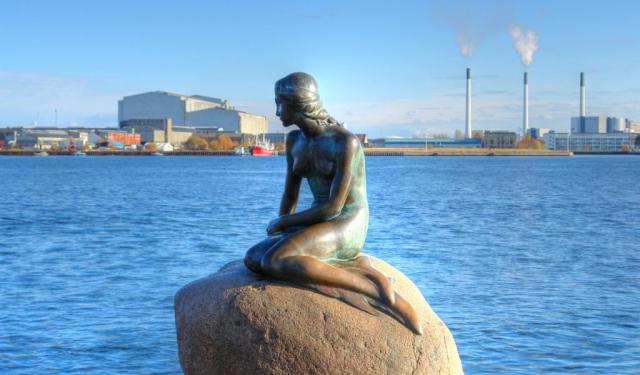
Back in the 18th century, Denmark was in the throes of an economic boom. Constructed during the reign of King Frederick V (hence the name), the district of Frederiksstaden attests to that with its beautiful architecture, measuring up to the projects from the same period in Berlin, Paris, and Vienna. This tour will guide you through the area's broad streets lined by bourgeois houses, mansions,... view more
Tour Duration: 2 Hour(s)
Travel Distance: 2.8 Km or 1.7 Miles
Tour Duration: 2 Hour(s)
Travel Distance: 2.8 Km or 1.7 Miles
Copenhagen Introduction Walking Tour
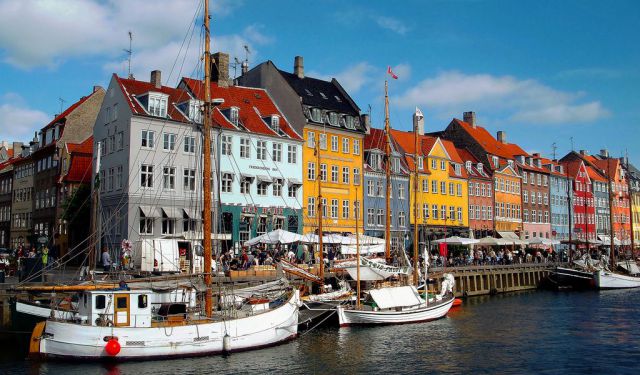
The Danish capital Copenhagen is a fairy tale of a city, full of peculiarities. Its name – derived from the Danish words for merchant ("køpmann") and harbor ("havn") – reflects the city's origin as a place of commerce by the sea. A humble fishing village, established in the 10th century AD, some hundred years later it emerged as a town after Bishop Absalon, recognized... view more
Tour Duration: 2 Hour(s)
Travel Distance: 2.7 Km or 1.7 Miles
Tour Duration: 2 Hour(s)
Travel Distance: 2.7 Km or 1.7 Miles
Hans Christian Andersen's Copenhagen
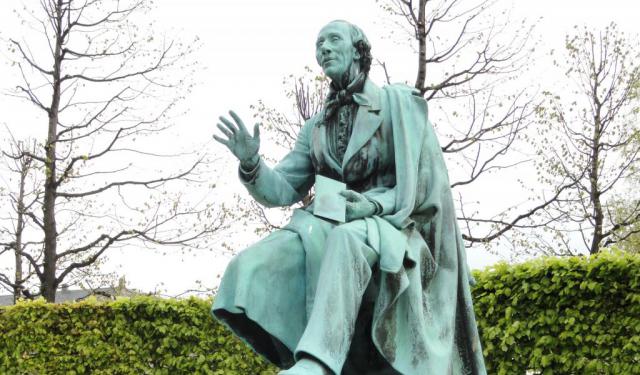
Before Disney glamorized fairy tales, Hans Christian Andersen was the original master of childhood magic. Best known for stories like The Little Mermaid, The Ugly Duckling, The Emperor’s New Clothes, and Thumbelina, Andersen essentially built the foundation of fairy-tale literature-dark undertones and all...
Born in 1805 in Odense, in the middle of the country, Andersen grew up in poverty,... view more
Tour Duration: 2 Hour(s)
Travel Distance: 2.9 Km or 1.8 Miles
Born in 1805 in Odense, in the middle of the country, Andersen grew up in poverty,... view more
Tour Duration: 2 Hour(s)
Travel Distance: 2.9 Km or 1.8 Miles
Useful Travel Guides for Planning Your Trip
Copenhagen Shopping: 16 Distinctively Denmark Things to Buy
Denmark is renowned for simple, industrial and functional design, as well as bohemian and everyday fashion-wear for the individual urban living. The capital Copenhagen, home to Copenhagen Fashion Week twice a year and biannual INDEX: Design to Improve Life - the world’s biggest design awards, is...
The Most Popular Cities
/ view all