

Jerusalem City Gates Walking Tour (Self Guided), Jerusalem
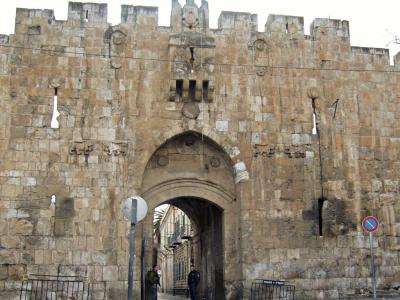
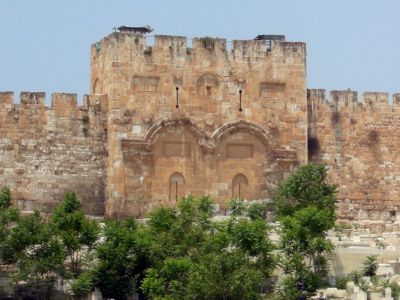
Historians believe that the Old City of Jerusalem probably came into being more than 4,500 years ago. The defensive wall around it features a number of gates built on the order of the Ottoman sultan Suleyman the Magnificent in the first half of the 16th century, each of which is an attraction in its own right. Until as recently as 1870, they were all closed from sunset to sunrise; nowadays, just the section between Lions’ Gate and the Dung Gate is closed to the public.
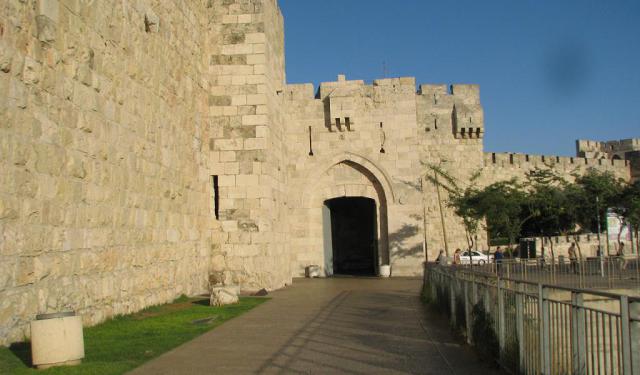
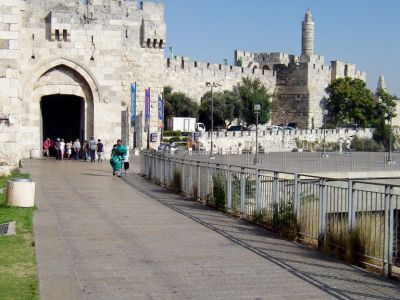
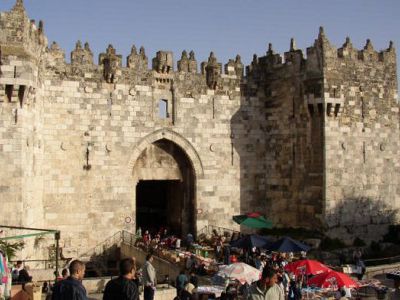
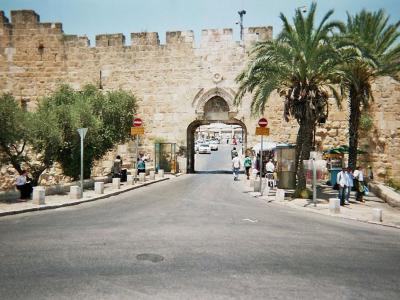
Begin your walk with Jaffa – the busiest of the seven Old City gates, and the main one for both traffic and pedestrians coming from modern West Jerusalem. The old road to the town started here, and today this large gate one is the best place for visitors to access the ramparts and walk along the city walls. After climbing the steps immediately inside and paying admission, the ramparts pass over the New Gate, added in the 1880s to allow pilgrims direct access to the Christian Quarter, and the Damascus Gate – the grandest of all the Old City gates, providing a sort of opening to a microcosm of the Palestinian world with all its flurry of daily activity.
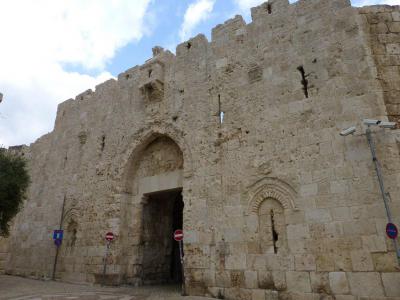
Between the Damascus Gate and the Zion Gate, you’ll find the Christian and Armenian quarters, on the right, and on the left, the Muslim Quarter and then the Jewish Quarter. Occasional vantage points allow you to look out across the Hinnom Valley below to the red rooftops of the early Jewish settlement of Mishkenot Shaananim, while the final stretch affords wonderful views of the Arab village of Silwan.
Our self-guided walking tour will lead you gate to gate, revealing all the mysteries and curiosities along the way. Put on some good shoes, stay hydrated and take photos that will be much different from everyone’s usual travel photos!
Begin your walk with Jaffa – the busiest of the seven Old City gates, and the main one for both traffic and pedestrians coming from modern West Jerusalem. The old road to the town started here, and today this large gate one is the best place for visitors to access the ramparts and walk along the city walls. After climbing the steps immediately inside and paying admission, the ramparts pass over the New Gate, added in the 1880s to allow pilgrims direct access to the Christian Quarter, and the Damascus Gate – the grandest of all the Old City gates, providing a sort of opening to a microcosm of the Palestinian world with all its flurry of daily activity.
Between the Damascus Gate and the Zion Gate, you’ll find the Christian and Armenian quarters, on the right, and on the left, the Muslim Quarter and then the Jewish Quarter. Occasional vantage points allow you to look out across the Hinnom Valley below to the red rooftops of the early Jewish settlement of Mishkenot Shaananim, while the final stretch affords wonderful views of the Arab village of Silwan.
Our self-guided walking tour will lead you gate to gate, revealing all the mysteries and curiosities along the way. Put on some good shoes, stay hydrated and take photos that will be much different from everyone’s usual travel photos!
How it works: Download the app "GPSmyCity: Walks in 1K+ Cities" from Apple App Store or Google Play Store to your mobile phone or tablet. The app turns your mobile device into a personal tour guide and its built-in GPS navigation functions guide you from one tour stop to next. The app works offline, so no data plan is needed when traveling abroad.
Download The GPSmyCity App



Jerusalem City Gates Walking Tour Map
Guide Name: Jerusalem City Gates Walking Tour
Guide Location: Israel » Jerusalem (See other walking tours in Jerusalem)
Guide Type: Self-guided Walking Tour (Sightseeing)
Tour Duration: 2 Hour(s)
Travel Distance: 3.7 Km or 2.3 Miles
Guide Location: Israel » Jerusalem (See other walking tours in Jerusalem)
Guide Type: Self-guided Walking Tour (Sightseeing)
Tour Duration: 2 Hour(s)
Travel Distance: 3.7 Km or 2.3 Miles
Sights Featured in This Walk



Walking Tours in Jerusalem, Israel

Create Your Own Walk in Jerusalem
Creating your own self-guided walk in Jerusalem is easy and fun. Choose the city attractions that you want to see and a walk route map will be created just for you. You can even set your hotel as the start point of the walk.
Muslim Quarter & Temple Mount Tour
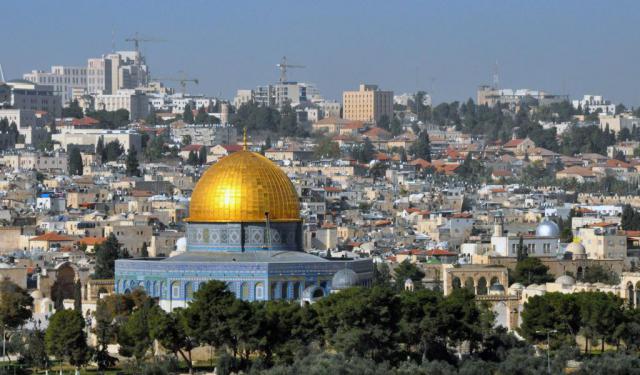
The largest, most populous and perhaps most chaotic of all Jerusalem’s quarters, the Muslim Quarter is worth exploring for its unique atmosphere. Spending a day here may take you back to a simpler time, but be prepared for many sights and sounds as you pass many vendors, stores and restaurants on your way from site to site.
Some of the city’s most interesting city gates (Damascus and... view more
Tour Duration: 2 Hour(s)
Travel Distance: 2.1 Km or 1.3 Miles
Some of the city’s most interesting city gates (Damascus and... view more
Tour Duration: 2 Hour(s)
Travel Distance: 2.1 Km or 1.3 Miles
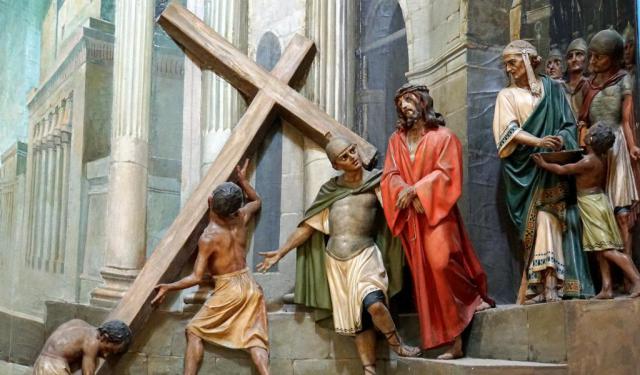
Following Steps of Jesus Walking Tour
The story of Jerusalem is inseparable from the final chapter of Jesus’s earthly life. Here, places linked to his teaching, arrest, trial, crucifixion, burial, and resurrection are woven into a dense urban landscape shaped by centuries of faith, conquest, and rebuilding. Many of these landmarks are only minutes apart from one another, yet they point to the scenes that span the Gospels-from public... view more
Tour Duration: 2 Hour(s)
Travel Distance: 3.7 Km or 2.3 Miles
Tour Duration: 2 Hour(s)
Travel Distance: 3.7 Km or 2.3 Miles
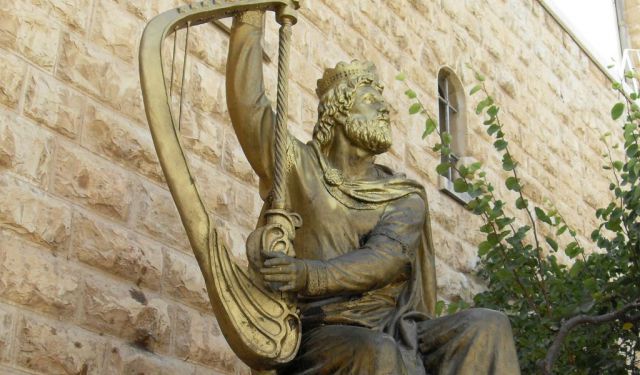
Mount Zion Walking Tour
For those interested in religion and history, Mount Zion offers several unique sights that are situated in close proximity to each other. An important place for Christians, Jews as well as Muslims, it holds important constructions dating from the 20th century as well as a compound built by the Crusaders that marks the spot of both King David’s tomb and the Room of the Last Supper. How... view more
Tour Duration: 1 Hour(s)
Travel Distance: 1.0 Km or 0.6 Miles
Tour Duration: 1 Hour(s)
Travel Distance: 1.0 Km or 0.6 Miles
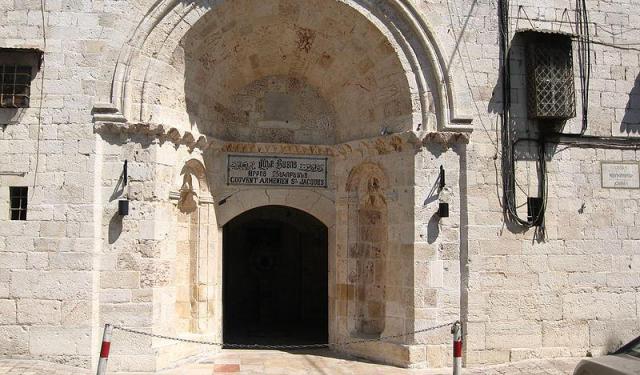
Armenian Quarter Walking Tour
Smaller and quieter than the Old City's other three quarters, the Armenian quarter contains a series of winding cobblestoned streets and alleyways teeming with people, shops, coffee stands, ceramic workshops and hookah bars. A city in miniature with distinct language, alphabet and culture, it has been in place since the 4th century, when Armenia adopted Christianity as a national religion.
... view more
Tour Duration: 1 Hour(s)
Travel Distance: 1.2 Km or 0.7 Miles
... view more
Tour Duration: 1 Hour(s)
Travel Distance: 1.2 Km or 0.7 Miles
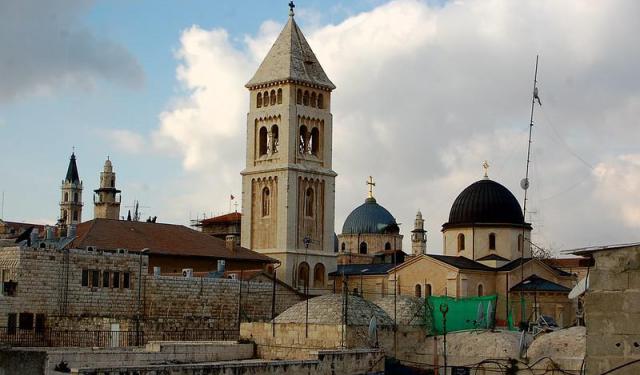
Christian Quarter Walking Tour
One of the epicenters of worldwide Christianity, the Christian Quarter is the 2nd-largest of Jerusalem’s four ancient quarters. A fascinating place to stroll through, it covers the Old City’s northwestern part, just beyond Jaffa Gate – the traditional pilgrim’s entrance to Jerusalem and a prime destination for most visitors.
With its tangle of broad streets and winding, narrow alleys,... view more
Tour Duration: 1 Hour(s)
Travel Distance: 1.1 Km or 0.7 Miles
With its tangle of broad streets and winding, narrow alleys,... view more
Tour Duration: 1 Hour(s)
Travel Distance: 1.1 Km or 0.7 Miles
Jewish Quarter Walking Tour
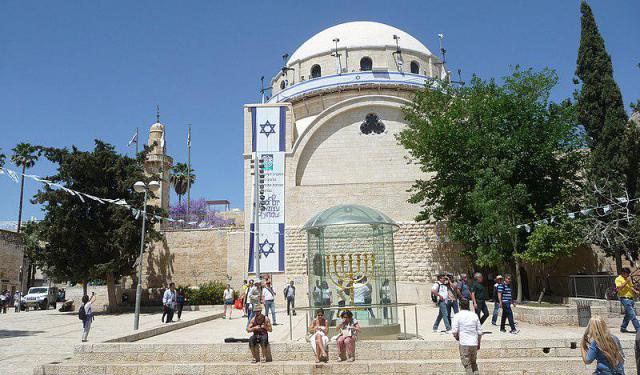
Entirely rebuilt in the 1980s after having been largely destroyed during the 1948 War, the Jewish Quarter is quite distinct from the rest of the Old City. Good signposting, spacious passageways, art galleries and a somewhat less buzzing atmosphere make the area a relaxing place to spend some time.
With its rebuilt residential buildings, some almost consider this area the "New... view more
Tour Duration: 1 Hour(s)
Travel Distance: 1.3 Km or 0.8 Miles
With its rebuilt residential buildings, some almost consider this area the "New... view more
Tour Duration: 1 Hour(s)
Travel Distance: 1.3 Km or 0.8 Miles
Useful Travel Guides for Planning Your Trip
16 Uniquely Israel Things to Buy in Jerusalem
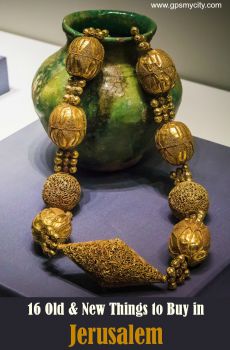
Modern day Jerusalem is a mosaic of neighborhoods, reflecting different historical periods, cultures, and religions. The influx of repatriates in recent years has made the cultural and artisanal scene of the city even more colourful and diverse. To find your way through Jerusalem's intricate...
The Most Popular Cities
/ view all