


Cambridge Introduction Walking Tour (Self Guided), Cambridge
Set along the banks of the River Cam in one of the picturesque eastern shires of England, Cambridge is a place that exudes an air of academic excellence and historical charm. For those not particularly well-versed in the annals of English history, Cambridge holds a prominent spot as one of the country's most esteemed academic hubs. The University of Cambridge consistently ranks among the world's top universities.
This idyllic town has evolved from humble origins back in Roman times. The Anglo-Saxons settled the area by the 5th century AD, establishing a village called "Granta Brycge," which means "Bridge over the River Granta." Later, the name evolved into "Cambridge," meaning a passage or ford.
The town's strategic location along trade routes across the fenlands contributed to its growth, which was further enhanced by the Vikings' arrival in the late 9th century. The Norman era brought William the Conqueror's castle on Castle Hill in 1068. During Henry I's reign, the city received its first charter.
Cambridge University, founded in 1209, became a sanctuary for scholars fleeing persecution from Oxford. Subsequently, new colleges like Gonville Hall, Trinity Hall, Corpus Christi, and Clare arose. The construction of King's College Chapel, a symbol of Cambridge, commenced in 1446.
During the English Civil War, Cambridge played a significant role as the headquarters of the Parliamentarian military force. Oliver Cromwell, educated at local Sidney Sussex College, took control in 1643.
The 19th century brought rapid expansion to Cambridge due to the arrival of the railway in 1845, which continued through the mid-20th century. During World War II, Cambridge played a vital role in defending Britain's east coast, serving as a military center and an evacuation center for Londoners.
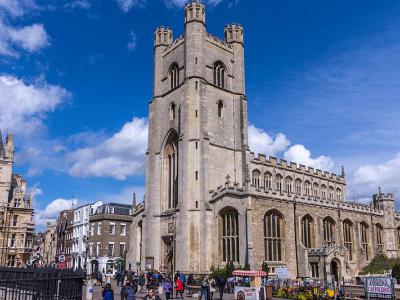
While the University and affiliated colleges make up the bulk of Cambridge sights, the town boasts a wealth of ecclesiastical treasures too, including the magnificent Great Saint Mary's Church, a towering edifice that has graced the skyline for over 400 years.
Intriguingly, Cambridge also plays host to modern marvels such as the Corpus Clock.
For those with a penchant for the sciences, the Sedgwick Museum of Earth Sciences offers a captivating journey through geological time, while art enthusiasts will find solace in the Fitzwilliam Museum.
Today, Cambridge remains a beacon of learning, culture, and history, welcoming visitors from around the world to explore its rich heritage and academic legacy. Come and discover the allure of this historic town for yourself on this self-guided walk – a journey both intellectually and culturally enriching!
This idyllic town has evolved from humble origins back in Roman times. The Anglo-Saxons settled the area by the 5th century AD, establishing a village called "Granta Brycge," which means "Bridge over the River Granta." Later, the name evolved into "Cambridge," meaning a passage or ford.
The town's strategic location along trade routes across the fenlands contributed to its growth, which was further enhanced by the Vikings' arrival in the late 9th century. The Norman era brought William the Conqueror's castle on Castle Hill in 1068. During Henry I's reign, the city received its first charter.
Cambridge University, founded in 1209, became a sanctuary for scholars fleeing persecution from Oxford. Subsequently, new colleges like Gonville Hall, Trinity Hall, Corpus Christi, and Clare arose. The construction of King's College Chapel, a symbol of Cambridge, commenced in 1446.
During the English Civil War, Cambridge played a significant role as the headquarters of the Parliamentarian military force. Oliver Cromwell, educated at local Sidney Sussex College, took control in 1643.
The 19th century brought rapid expansion to Cambridge due to the arrival of the railway in 1845, which continued through the mid-20th century. During World War II, Cambridge played a vital role in defending Britain's east coast, serving as a military center and an evacuation center for Londoners.
While the University and affiliated colleges make up the bulk of Cambridge sights, the town boasts a wealth of ecclesiastical treasures too, including the magnificent Great Saint Mary's Church, a towering edifice that has graced the skyline for over 400 years.
Intriguingly, Cambridge also plays host to modern marvels such as the Corpus Clock.
For those with a penchant for the sciences, the Sedgwick Museum of Earth Sciences offers a captivating journey through geological time, while art enthusiasts will find solace in the Fitzwilliam Museum.
Today, Cambridge remains a beacon of learning, culture, and history, welcoming visitors from around the world to explore its rich heritage and academic legacy. Come and discover the allure of this historic town for yourself on this self-guided walk – a journey both intellectually and culturally enriching!
How it works: Download the app "GPSmyCity: Walks in 1K+ Cities" from Apple App Store or Google Play Store to your mobile phone or tablet. The app turns your mobile device into a personal tour guide. For US$14.99 per year (with a 3-day free trial), you get access to walking tours in 630+ cities worldwide for an entire year. In comparison, a guided tour often costs dozens of dollars per person for a single tour. The app works offline, so no data plan is needed when traveling abroad.
Download The GPSmyCity App



Cambridge Introduction Walking Tour Map
Guide Name: Cambridge Introduction Walking Tour
Guide Location: England » Cambridge (See other walking tours in Cambridge)
Guide Type: Self-guided Walking Tour (Sightseeing)
Tour Duration: 2 Hour(s)
Travel Distance: 1.8 Km or 1.1 Miles
Guide Location: England » Cambridge (See other walking tours in Cambridge)
Guide Type: Self-guided Walking Tour (Sightseeing)
Tour Duration: 2 Hour(s)
Travel Distance: 1.8 Km or 1.1 Miles
Sights Featured in This Walk

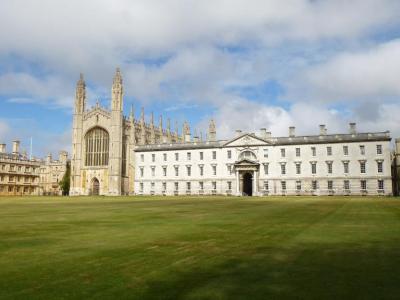
4) King's College (must see)
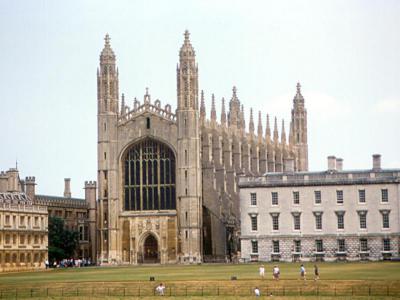
5) King's College Chapel (must see)
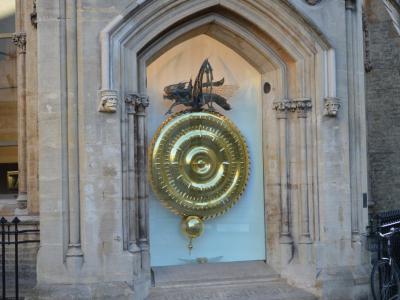
6) Corpus Clock (must see)

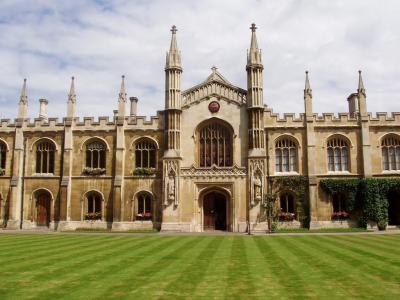
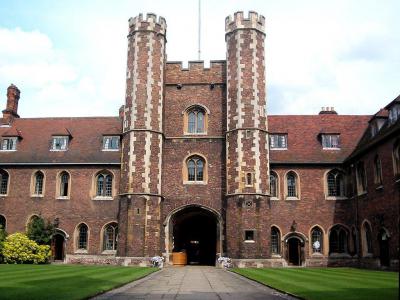


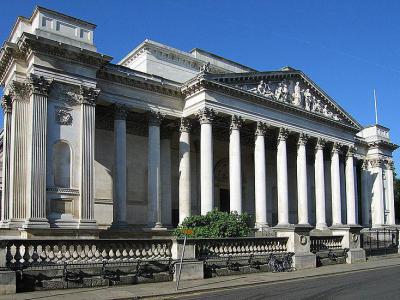
12) Fitzwilliam Museum (must see)
Walking Tours in Cambridge, England

Create Your Own Walk in Cambridge
Creating your own self-guided walk in Cambridge is easy and fun. Choose the city attractions that you want to see and a walk route map will be created just for you. You can even set your hotel as the start point of the walk.

Colleges of Cambridge University
The University of Cambridge, England's second oldest learning institution, has made Cambridge famous worldwide. The collegiate university is made up of 31 self-governing and independent colleges whose grounds, apart from having been blessed with world-renowned alumni, are also beautifully decorated with lush lawns and terrific Gothic architecture.
Each of these colleges has its unique... view more
Tour Duration: 1 Hour(s)
Travel Distance: 1.1 Km or 0.7 Miles
Each of these colleges has its unique... view more
Tour Duration: 1 Hour(s)
Travel Distance: 1.1 Km or 0.7 Miles

Historical Religious Buildings
Renowned for its academic excellence, Cambridge is also steeped in religious history. It has quite a few churches dating back hundreds of years, some even predating the Anglican Church itself. These historical sanctuaries have stood the test of time and today offer a glimpse into the city's religious and architectural heritage.
Great Saint Mary's Church, a stunning example of English... view more
Tour Duration: 1 Hour(s)
Travel Distance: 1.3 Km or 0.8 Miles
Great Saint Mary's Church, a stunning example of English... view more
Tour Duration: 1 Hour(s)
Travel Distance: 1.3 Km or 0.8 Miles
The Most Popular Cities
/ view all