

Audio Guide: Red Light District Walking Tour (Self Guided), Amsterdam
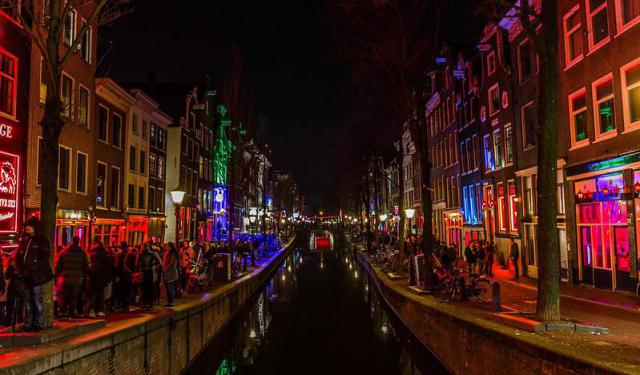
For centuries, Amsterdam’s Red Light District has been a source of endless intrigue. Its heart and the most historic section, De Wallen, is a fascinating blend of medieval charm and modern-day notoriety. Here, you’ll find timeworn canal houses leaning at curious angles, narrow cobblestone alleys lined with old bars, cozy shops, and a sprinkling of late-night establishments. And of course, the district’s defining feature: the glowing red windows where scantily clad women represent the city’s long-legalized tradition of sex work.
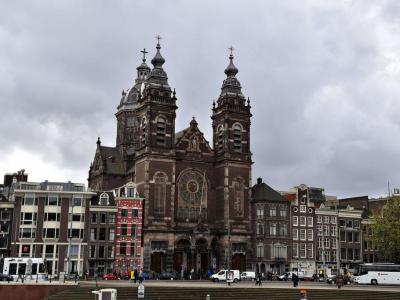
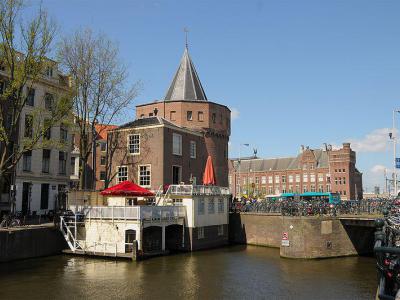
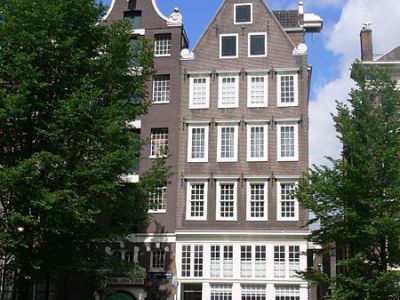
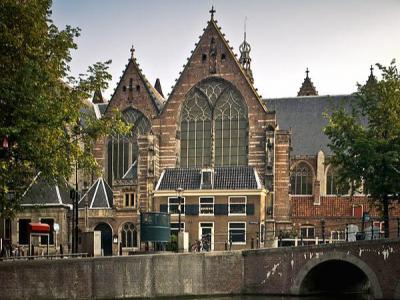
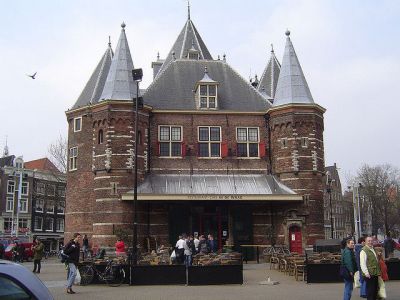
But this neighborhood is much more than its reputation. Beyond the iconic red lights and the infamous sex shops, peep shows, and cannabis cafés, you’ll encounter historic gems and cultural landmarks. The Old Church-Amsterdam’s oldest church, dating back to the early 14th century-stands as a stunning Gothic masterpiece, now home to a remarkable collection of contemporary art. The Weeping Tower, once part of the city’s defensive walls, whispers tales of Amsterdam’s maritime history. Museums like Our Lord in the Attic, hidden within a 17th-century canal house, reveal the city’s deep religious and cultural layers.
Historically, the Red Light District owes its colorful reputation to Amsterdam’s maritime past. In the Middle Ages, sailors arriving after long voyages found a place that catered to their earthly pleasures-a mixture of inns, taverns, and brothels. Over time, this area near the harbor became synonymous with vice and revelry. By the 15th and 16th centuries, local authorities, true to their pragmatic Dutch nature, had largely accepted prostitution as a fixture of city life, regulating it rather than attempting to eliminate it outright. This continued for centuries, and eventually, the trade became fully legalized, adding a new layer of transparency and safety to an age-old profession.
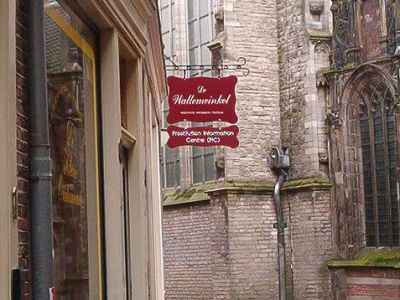
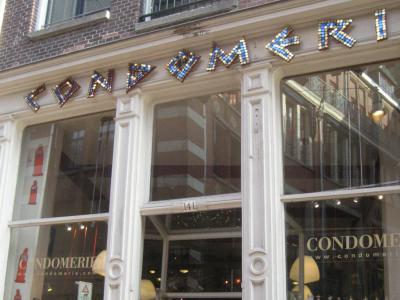
Today, visitors to the Red Light District can learn about its layered past and present in places like the Prostitution Information Center, which educates the public about the industry and defends the rights of those working within it. Meanwhile, the Erotic Museum offers a curated look at the district’s colorful history, while the nearby Condomerie adds a touch of humor and practicality with its inventive displays of condoms.
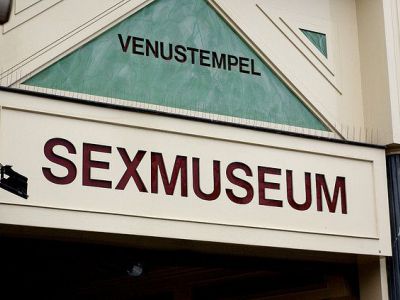
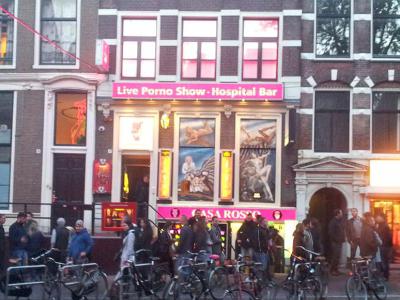
For a closer look, step into the Sex Museum-a one-of-a-kind institution that chronicles the evolution of prostitution and offers insights into the life of a window worker. And if you’re curious about the more theatrical side of the Red Light District, venues like Casa Rosso present upscale erotic performances, complete with velvet seats and a carefully staged ambiance.
If you’re ready to experience the city’s most famous-and often misunderstood-neighborhood, take our self-guided walk through the Red Light District. This neighborhood is truly one of a kind.
But this neighborhood is much more than its reputation. Beyond the iconic red lights and the infamous sex shops, peep shows, and cannabis cafés, you’ll encounter historic gems and cultural landmarks. The Old Church-Amsterdam’s oldest church, dating back to the early 14th century-stands as a stunning Gothic masterpiece, now home to a remarkable collection of contemporary art. The Weeping Tower, once part of the city’s defensive walls, whispers tales of Amsterdam’s maritime history. Museums like Our Lord in the Attic, hidden within a 17th-century canal house, reveal the city’s deep religious and cultural layers.
Historically, the Red Light District owes its colorful reputation to Amsterdam’s maritime past. In the Middle Ages, sailors arriving after long voyages found a place that catered to their earthly pleasures-a mixture of inns, taverns, and brothels. Over time, this area near the harbor became synonymous with vice and revelry. By the 15th and 16th centuries, local authorities, true to their pragmatic Dutch nature, had largely accepted prostitution as a fixture of city life, regulating it rather than attempting to eliminate it outright. This continued for centuries, and eventually, the trade became fully legalized, adding a new layer of transparency and safety to an age-old profession.
Today, visitors to the Red Light District can learn about its layered past and present in places like the Prostitution Information Center, which educates the public about the industry and defends the rights of those working within it. Meanwhile, the Erotic Museum offers a curated look at the district’s colorful history, while the nearby Condomerie adds a touch of humor and practicality with its inventive displays of condoms.
For a closer look, step into the Sex Museum-a one-of-a-kind institution that chronicles the evolution of prostitution and offers insights into the life of a window worker. And if you’re curious about the more theatrical side of the Red Light District, venues like Casa Rosso present upscale erotic performances, complete with velvet seats and a carefully staged ambiance.
If you’re ready to experience the city’s most famous-and often misunderstood-neighborhood, take our self-guided walk through the Red Light District. This neighborhood is truly one of a kind.
How it works: Download the app "GPSmyCity: Walks in 1K+ Cities" from Apple App Store or Google Play Store to your mobile phone or tablet. The app turns your mobile device into a personal tour guide and its built-in GPS navigation functions guide you from one tour stop to next. The app works offline, so no data plan is needed when traveling abroad.
Download The GPSmyCity App



Red Light District Walking Tour Map
Guide Name: Red Light District Walking Tour
Guide Location: Netherlands » Amsterdam (See other walking tours in Amsterdam)
Guide Type: Self-guided Walking Tour (Sightseeing)
Tour Duration: 1 Hour(s)
Travel Distance: 1.8 Km or 1.1 Miles
Guide Location: Netherlands » Amsterdam (See other walking tours in Amsterdam)
Guide Type: Self-guided Walking Tour (Sightseeing)
Tour Duration: 1 Hour(s)
Travel Distance: 1.8 Km or 1.1 Miles
Sights Featured in This Walk

Walking Tours in Amsterdam, Netherlands

Create Your Own Walk in Amsterdam
Creating your own self-guided walk in Amsterdam is easy and fun. Choose the city attractions that you want to see and a walk route map will be created just for you. You can even set your hotel as the start point of the walk.

Amsterdam Cheese Tasting Tour
Cheese has long been woven into the cultural and culinary fabric of the Netherlands, and Amsterdam offers a particularly vivid glimpse into this tradition. Dutch cheesemaking dates back centuries, with records of organized cheese markets appearing as early as the Middle Ages. Farmers in regions such as North Holland and Friesland developed techniques for producing durable, flavorful cheeses—most... view more
Tour Duration: 1 Hour(s)
Travel Distance: 1.6 Km or 1 Miles
Tour Duration: 1 Hour(s)
Travel Distance: 1.6 Km or 1 Miles
Amsterdam's Historical Churches Walking Tour
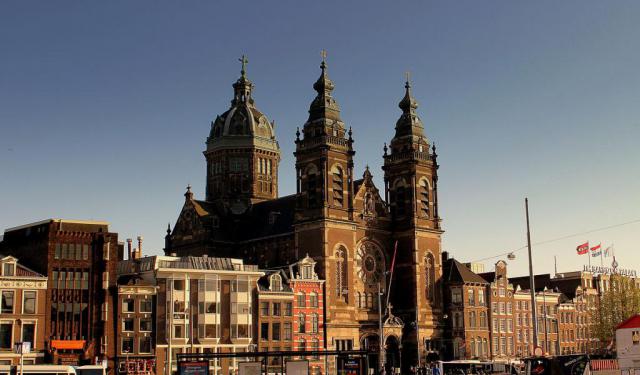
The history of Amsterdam is deeply intertwined with its religious heritage. The city is home to several historical churches, each with its own unique charm and significance. These religious sites serve as both spiritual centers and architectural treasures that provide insight into the city's past.
Our walk starts in the Central Station area and leads you to visit the eight most prominent... view more
Tour Duration: 2 Hour(s)
Travel Distance: 3.8 Km or 2.4 Miles
Our walk starts in the Central Station area and leads you to visit the eight most prominent... view more
Tour Duration: 2 Hour(s)
Travel Distance: 3.8 Km or 2.4 Miles
Amsterdam Food Tour
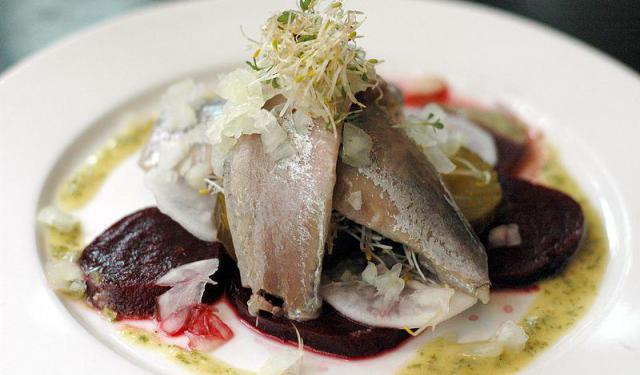
Amsterdam eats the way it lives: compact, historic, and full of personality. For centuries, ships arrived here loaded with spices, sugar, cocoa, and ideas from faraway places. In a city that has always been in trade with the world, the food scene reflects that on every corner. Nowadays, as you wander along canals, bridges, and lively streets, you’ll notice that Amsterdam takes its food... view more
Tour Duration: 1 Hour(s)
Travel Distance: 1.8 Km or 1.1 Miles
Tour Duration: 1 Hour(s)
Travel Distance: 1.8 Km or 1.1 Miles
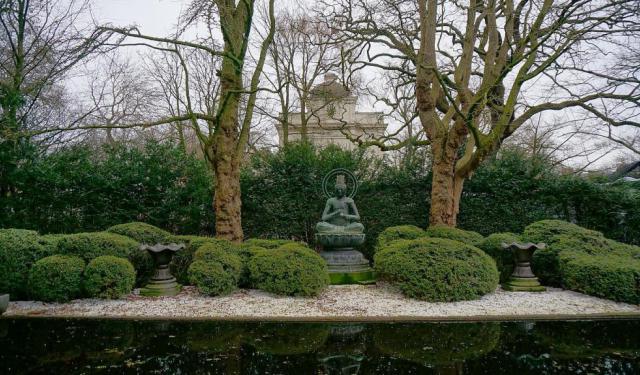
Plantage Walking Tour
Amsterdam's Plantage neighborhood has been throughout the centuries a place of rest and entertainment. Beside its impressive 19th-century architecture, there is the historic Royal Zoo, and close-by is the verdantly exotic Hortus Botanicus. Follow this self-guided walk to explore one of the greenest neighborhoods in Amsterdam – a lovely place to stroll and laze.
Tour Duration: 1 Hour(s)
Travel Distance: 1.7 Km or 1.1 Miles
Tour Duration: 1 Hour(s)
Travel Distance: 1.7 Km or 1.1 Miles
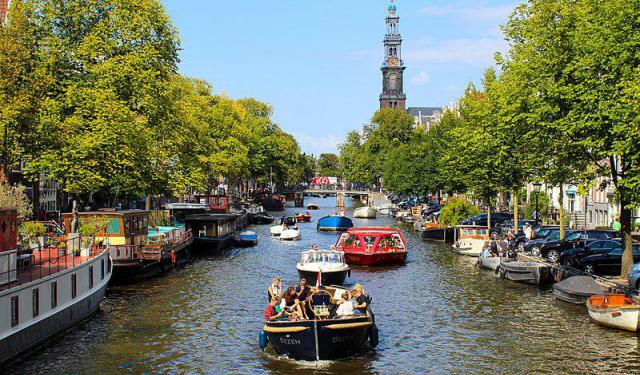
Western Canal Belt Walking Tour
The Western Canal Belt is Amsterdam at its most iconic-picture-perfect and brimming with history. Part of the city’s famed Canal Ring, a UNESCO World Heritage Site, it’s a neighborhood that marries beauty and function.
Back in the 17th century, the three major canals-the Gentlemen’s Canal, the Emperor’s Canal, and the Prince’s Canal-were masterfully designed to loop around the... view more
Tour Duration: 2 Hour(s)
Travel Distance: 2.6 Km or 1.6 Miles
Back in the 17th century, the three major canals-the Gentlemen’s Canal, the Emperor’s Canal, and the Prince’s Canal-were masterfully designed to loop around the... view more
Tour Duration: 2 Hour(s)
Travel Distance: 2.6 Km or 1.6 Miles
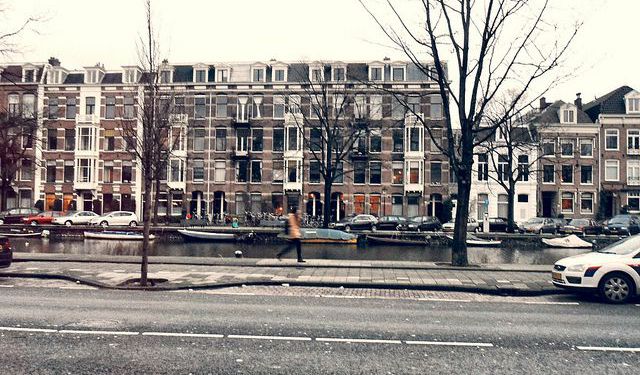
Museum Quarter Walking Tour
The Museum Quarter (Museumkwartier) of Amsterdam gets its name from the major museums located in Museum Square therein, namely: the Rijksmuseum, the Stedelijk Museum and the Van Gogh Museum. In fact, it is the construction of the former that boosted the development of the whole neighborhood. Other than museums, the area is also home to the world-famous IAmsterdam letters, as well as exclusive... view more
Tour Duration: 1 Hour(s)
Travel Distance: 0.7 Km or 0.4 Miles
Tour Duration: 1 Hour(s)
Travel Distance: 0.7 Km or 0.4 Miles
Useful Travel Guides for Planning Your Trip

Top 7 Dutch Cheeses to Try in Amsterdam
Don't mind things turning a bit "cheesy" when in Holland. After all, this small country is renowned for its cheese manufacturing and successfully competes, in terms of cheese exports, with such economic giants as the United States and Germany. Amsterdam alone and its vicinities are...
Souvenir Shopping in Amsterdam: 20 Dutch Things To Buy
Tulips, red lights, weed... Other than these, there are plenty of good things to remember Amsterdam by. What's more, you can take home some of them quite legally. Look here to see what to buy in Amsterdam and...

12 Traditional Dutch Foods You Must Try in Amsterdam
Cool climate, closeness to sea, and sense of adventure have made the Dutch what they are – skillful farmers, industrious seafarers and, generally, people with the taste for life and good hearty meal, whether it comes from the sea they live by or the land they set their feet on. All of this has...

Dutch Sweets and Pastries
Known primarily for their cheeses, the Dutch have proven just as passionate about their sweets and pastries, many of which have come about as a result of the centuries of colonial past that had infused Holland with Oriental flavors and ingredients. Blended with their own dairy-rich European...

Bars of De Pijp, Amsterdam
Sitting to the south of the Centrum (city centre) De Pijp area of Amsterdam is a fascinating mixture of trendy urbanites, students, immigrants and Amsterdammers. De Pijp has a long history as the Bohemian part of town, which is reflected in the different cafés of the area. There truly is something...
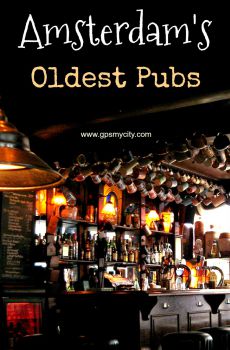
The Oldest and Historic Pubs of Amsterdam
Amsterdam is a stunningly beautiful city, steeped in history, with hidden treasures and fascinating tales practically around every corner. Like all marvelous cities, Amsterdam has its share of dining and drinking establishments from the modern to the ancient. This guide will assist you in exploring...
The Most Popular Cities
/ view all