


Historical Buildings Walking Tour (Self Guided), Melbourne
Melbourne's architecture is a rich cocktail of styles ranging from those practiced in the early years of European settlement of Australia to the more modern ones. Among the historical buildings particularly noticeable here are those from the Victorian era, forming an essential part of the city's heritage.
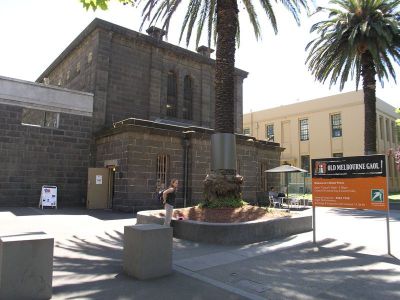
The Old Melbourne Gaol once served as a prison, from 1842 to 1929, and is infamous for housing some of Australia's most notorious criminals like bushranger Ned Kelly.
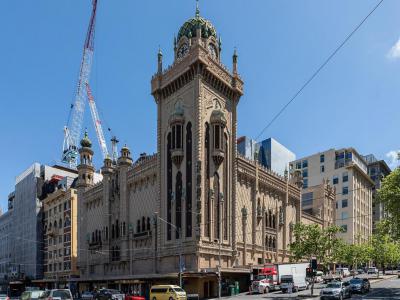
The Forum Theatre, a stunning example of the Moorish Revival style, has been a cultural hub since its opening in 1929. Having hosted a wide range of shows, from cinema to live music, this is a cherished part of Melbourne's entertainment history.
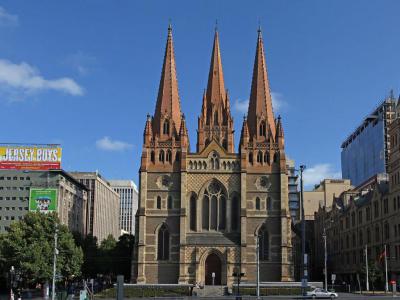
On the other hand, Saint Paul's Cathedral, a Neo-Gothic marvel of the Anglican Church, completed in 1891, is a spiritual and visual treasure in the heart of the city.
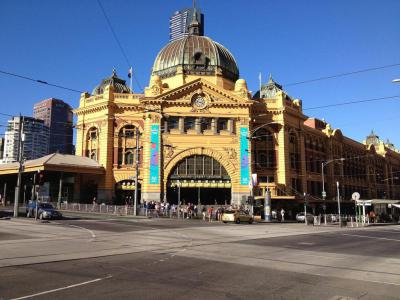
Another iconic symbol of Melbourne is Flinders Street Station, dating back to 1854. Its distinct yellow facade and bustling train platforms have made it a central meeting point for generations of Melburnians.
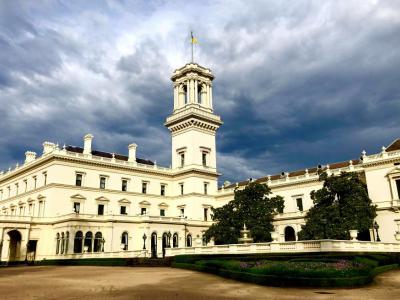
Meanwhile, the architectural grandeur of Government House, the official residence of the Governor of Victoria since the late 19th century, makes it a picturesque landmark in its own right.
Victoria Barracks, a former military base from the 1850s, once played a vital role in Australia's national defense. Its heritage-listed buildings continue to stand as a testament to the country's military history.
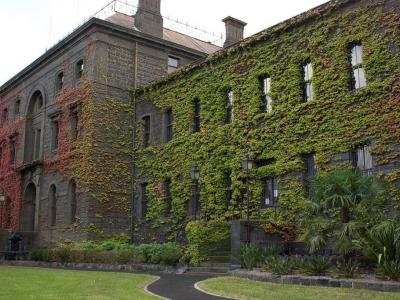
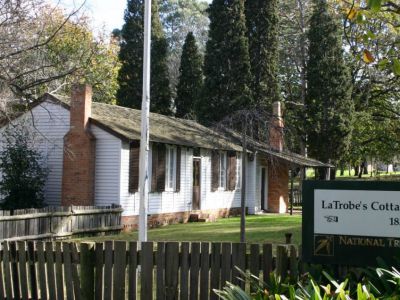
The solemn structure of Melbourne Grammar School, founded in 1858, reflects the enduring commitment to education in Melbourne, while the quaint La Trobe's Cottage, formerly home to Victoria's first Lieutenant-Governor, provides a glimpse into early colonial life in the city.
All these notable locations allow the curious and history enthusiasts alike a glimpse into Melbourne's storied past. If you wish to delve deeper into it and get a perfect backdrop for your own historical journey through this incredible city, take our self-guided walking tour!
The Old Melbourne Gaol once served as a prison, from 1842 to 1929, and is infamous for housing some of Australia's most notorious criminals like bushranger Ned Kelly.
The Forum Theatre, a stunning example of the Moorish Revival style, has been a cultural hub since its opening in 1929. Having hosted a wide range of shows, from cinema to live music, this is a cherished part of Melbourne's entertainment history.
On the other hand, Saint Paul's Cathedral, a Neo-Gothic marvel of the Anglican Church, completed in 1891, is a spiritual and visual treasure in the heart of the city.
Another iconic symbol of Melbourne is Flinders Street Station, dating back to 1854. Its distinct yellow facade and bustling train platforms have made it a central meeting point for generations of Melburnians.
Meanwhile, the architectural grandeur of Government House, the official residence of the Governor of Victoria since the late 19th century, makes it a picturesque landmark in its own right.
Victoria Barracks, a former military base from the 1850s, once played a vital role in Australia's national defense. Its heritage-listed buildings continue to stand as a testament to the country's military history.
The solemn structure of Melbourne Grammar School, founded in 1858, reflects the enduring commitment to education in Melbourne, while the quaint La Trobe's Cottage, formerly home to Victoria's first Lieutenant-Governor, provides a glimpse into early colonial life in the city.
All these notable locations allow the curious and history enthusiasts alike a glimpse into Melbourne's storied past. If you wish to delve deeper into it and get a perfect backdrop for your own historical journey through this incredible city, take our self-guided walking tour!
How it works: Download the app "GPSmyCity: Walks in 1K+ Cities" from Apple App Store or Google Play Store to your mobile phone or tablet. The app turns your mobile device into a personal tour guide. For US$14.99 per year (with a 3-day free trial), you get access to walking tours in 630+ cities worldwide for an entire year. In comparison, a guided tour often costs dozens of dollars per person for a single tour. The app works offline, so no data plan is needed when traveling abroad.
Download The GPSmyCity App



Historical Buildings Walking Tour Map
Guide Name: Historical Buildings Walking Tour
Guide Location: Australia » Melbourne (See other walking tours in Melbourne)
Guide Type: Self-guided Walking Tour (Sightseeing)
Tour Duration: 2 Hour(s)
Travel Distance: 4.1 Km or 2.5 Miles
Guide Location: Australia » Melbourne (See other walking tours in Melbourne)
Guide Type: Self-guided Walking Tour (Sightseeing)
Tour Duration: 2 Hour(s)
Travel Distance: 4.1 Km or 2.5 Miles
Sights Featured in This Walk

Walking Tours in Melbourne, Australia

Create Your Own Walk in Melbourne
Creating your own self-guided walk in Melbourne is easy and fun. Choose the city attractions that you want to see and a walk route map will be created just for you. You can even set your hotel as the start point of the walk.

St. Kilda District Walking Tour
A cosmopolitan seaside suburb of Melbourne overlooking Port Phillip Bay, Saint Kilda District is a charming and culturally rich neighborhood graced with a blend of historical landmarks and contemporary attractions.
One of its prominent sites is the Saint Kilda Town Hall, an imposing municipal building that serves as a hub for various community events and gatherings.
Eildon Mansion, another... view more
Tour Duration: 2 Hour(s)
Travel Distance: 3.5 Km or 2.2 Miles
One of its prominent sites is the Saint Kilda Town Hall, an imposing municipal building that serves as a hub for various community events and gatherings.
Eildon Mansion, another... view more
Tour Duration: 2 Hour(s)
Travel Distance: 3.5 Km or 2.2 Miles

Melbourne Food Tour
Relatively small compared to the likes of New York City and London, Melbourne consistently punches above its weight as a food destination. Built on successive waves of European and Southeast Asian migration, a love of culinary innovation, and a strong sentiment that eating out counts as a hobby, the city offers a dining scene that feels both approachable and globally attuned. These days, you’ll... view more
Tour Duration: 1 Hour(s)
Travel Distance: 2.2 Km or 1.4 Miles
Tour Duration: 1 Hour(s)
Travel Distance: 2.2 Km or 1.4 Miles

Laneways and Arcades Walking Tour
Melbourne’s laneways and arcades form a defining part of the city’s urban identity. With more than forty of them weaving through the Central Business District, they are the city’s unofficial alternate transport system, allowing visitors to wander half the downtown without ever stepping onto a main street.
Many of these passages began life in the Victorian era during Melbourne’s rapid... view more
Tour Duration: 1 Hour(s)
Travel Distance: 1.6 Km or 1 Miles
Many of these passages began life in the Victorian era during Melbourne’s rapid... view more
Tour Duration: 1 Hour(s)
Travel Distance: 1.6 Km or 1 Miles

Melbourne Introduction Walking Tour
Melbourne likes to present itself as a city of cool cafés and clever ideas, but its story reaches far deeper than flat whites and laneways. Long before colonial maps appeared, the lands around Port Phillip Bay belonged to the indigenous Kulin Nation, including the Wurundjeri people, who shaped the region with sophisticated social systems, spiritual connections to country, and land-care practices... view more
Tour Duration: 2 Hour(s)
Travel Distance: 3.5 Km or 2.2 Miles
Tour Duration: 2 Hour(s)
Travel Distance: 3.5 Km or 2.2 Miles
Useful Travel Guides for Planning Your Trip

Chocolate Indulgence Tour of Melbourne
Melbourne has a reputation for cafés and fine restaurants, and lately a chocolate fever has taken over the city. This tour takes you through the alleyways and arcades of the city center whilst stopping at selected chocolate indulgence points. Take your senses on a unique experience through six of...
The Most Popular Cities
/ view all