

Audio Guide: Buenos Aires Introduction Walking Tour (Self Guided), Buenos Aires
Buenos Aires, the capital of Argentina, has a history marked by exploration, colonial rivalry, mass immigration, and political change. Its name derives from the Spanish dedication “Our Lady Saint Mary of the Good Air,” a title of the Virgin Mary venerated by sailors from Sardinia. The phrase “Buen Aire” originally referred to the clean, favorable winds near a sanctuary in the city of Cagliari in Italy, and Spanish navigators carried this devotion across the Atlantic.
The first attempt to establish a city occurred in 1536, when Spanish conquistador Pedro de Mendoza founded Our Lady Saint Mary of the Good Air near what is now the San Telmo neighborhood. Conflict with the local Querandí people, limited resources, and harsh conditions soon led to the settlement’s abandonment. A lasting settlement finally emerged in 1580, when conquistador Juan de Garay founded the “City of the Most Holy Trinity and Port of Santa María of the Good Air.” Though modest at first, this second Buenos Aires occupied a strategic position within the Viceroyalty of Peru. By the 17th and 18th centuries, cattle ranching and port commerce integrated the region into Atlantic trade networks.
A transformative moment arrived in 1776, when Spain created the Viceroyalty of the River Plate with Buenos Aires as its capital. The city grew rapidly, and the successful defense against two British invasions in 1806–1807 strengthened local identity. The May Revolution of 1810 removed the Spanish viceroy and set Argentina on the path to independence, achieved in 1816.
Throughout the 19th century, Buenos Aires became both a political battleground and a symbol of modernity. After decades of conflict between centralists and federalists, it became Argentina’s federal capital in 1880. A massive wave of immigration from Italy, Spain, Eastern Europe, and the Middle East transformed it into a cosmopolitan metropolis filled with cafés, theaters, wide boulevards, and vibrant intellectual life.
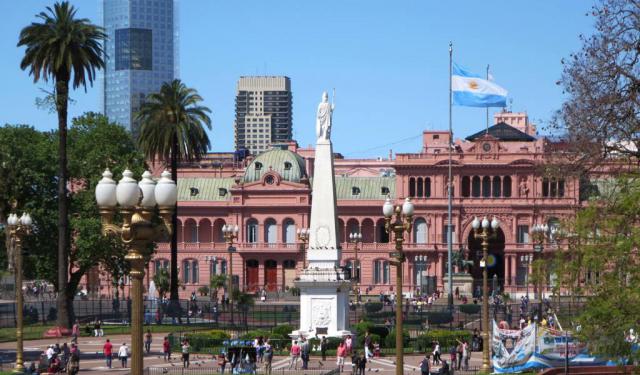
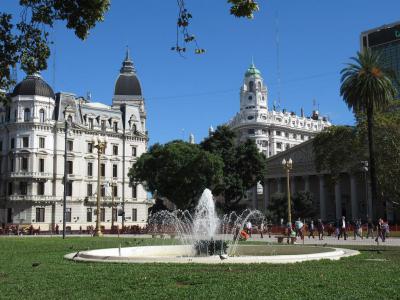
This influx of European communities left a lasting mark on the city’s architecture. Italian and French academic styles shaped grand public buildings and private residences alike, while Art Nouveau and Art Deco flourished in neighborhoods such as Recoleta and Congreso. Many streets evoke the atmosphere of Paris, Madrid, or Turin, reflecting the aspirations of a young nation eager to align itself with European cultural prestige. Walking through Buenos Aires today reveals an eclectic blend of Beaux-Arts palaces, ornate domes, neoclassical facades, and early modernist experiments-an urban tapestry woven from centuries of global influence.
Now that you know the story behind the city’s streets, it’s time to explore them for yourself. Lace up your walking shoes, follow the route ahead, and let Buenos Aires reveal its history-one plaza, palace, and shaded boulevard at a time.
The first attempt to establish a city occurred in 1536, when Spanish conquistador Pedro de Mendoza founded Our Lady Saint Mary of the Good Air near what is now the San Telmo neighborhood. Conflict with the local Querandí people, limited resources, and harsh conditions soon led to the settlement’s abandonment. A lasting settlement finally emerged in 1580, when conquistador Juan de Garay founded the “City of the Most Holy Trinity and Port of Santa María of the Good Air.” Though modest at first, this second Buenos Aires occupied a strategic position within the Viceroyalty of Peru. By the 17th and 18th centuries, cattle ranching and port commerce integrated the region into Atlantic trade networks.
A transformative moment arrived in 1776, when Spain created the Viceroyalty of the River Plate with Buenos Aires as its capital. The city grew rapidly, and the successful defense against two British invasions in 1806–1807 strengthened local identity. The May Revolution of 1810 removed the Spanish viceroy and set Argentina on the path to independence, achieved in 1816.
Throughout the 19th century, Buenos Aires became both a political battleground and a symbol of modernity. After decades of conflict between centralists and federalists, it became Argentina’s federal capital in 1880. A massive wave of immigration from Italy, Spain, Eastern Europe, and the Middle East transformed it into a cosmopolitan metropolis filled with cafés, theaters, wide boulevards, and vibrant intellectual life.
This influx of European communities left a lasting mark on the city’s architecture. Italian and French academic styles shaped grand public buildings and private residences alike, while Art Nouveau and Art Deco flourished in neighborhoods such as Recoleta and Congreso. Many streets evoke the atmosphere of Paris, Madrid, or Turin, reflecting the aspirations of a young nation eager to align itself with European cultural prestige. Walking through Buenos Aires today reveals an eclectic blend of Beaux-Arts palaces, ornate domes, neoclassical facades, and early modernist experiments-an urban tapestry woven from centuries of global influence.
Now that you know the story behind the city’s streets, it’s time to explore them for yourself. Lace up your walking shoes, follow the route ahead, and let Buenos Aires reveal its history-one plaza, palace, and shaded boulevard at a time.
How it works: Download the app "GPSmyCity: Walks in 1K+ Cities" from Apple App Store or Google Play Store to your mobile phone or tablet. The app turns your mobile device into a personal tour guide and its built-in GPS navigation functions guide you from one tour stop to next. The app works offline, so no data plan is needed when traveling abroad.
Download The GPSmyCity App



Buenos Aires Introduction Walking Tour Map
Guide Name: Buenos Aires Introduction Walking Tour
Guide Location: Argentina » Buenos Aires (See other walking tours in Buenos Aires)
Guide Type: Self-guided Walking Tour (Sightseeing)
Tour Duration: 2 Hour(s)
Travel Distance: 4.7 Km or 2.9 Miles
Guide Location: Argentina » Buenos Aires (See other walking tours in Buenos Aires)
Guide Type: Self-guided Walking Tour (Sightseeing)
Tour Duration: 2 Hour(s)
Travel Distance: 4.7 Km or 2.9 Miles
Sights Featured in This Walk
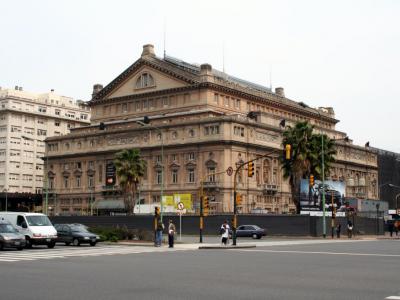
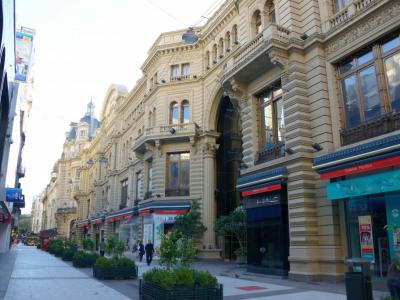
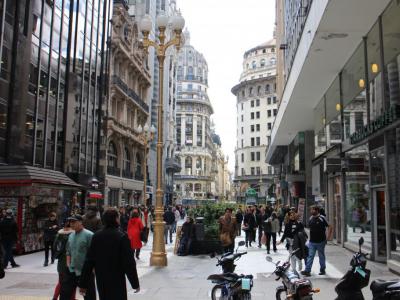
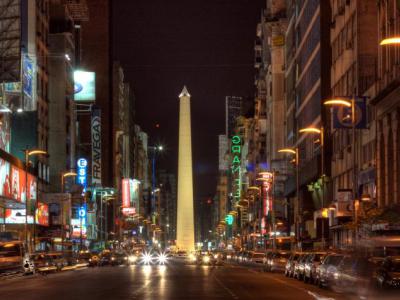
Walking Tours in Buenos Aires, Argentina

Create Your Own Walk in Buenos Aires
Creating your own self-guided walk in Buenos Aires is easy and fun. Choose the city attractions that you want to see and a walk route map will be created just for you. You can even set your hotel as the start point of the walk.
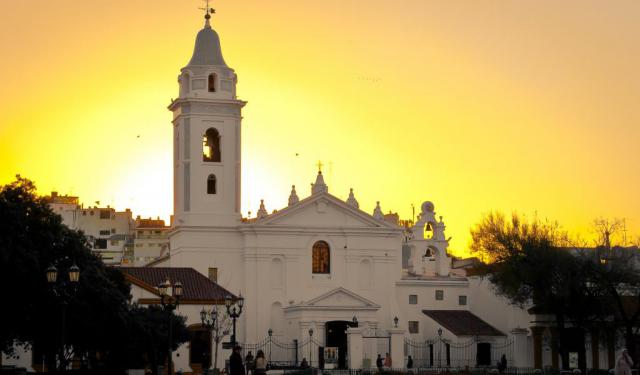
Recoleta Neighborhood Walking Tour
Imagine being so eye-catching that a whole city benefits. The Recoleta neighbourhood may well have been one of the reasons Buenos Aires earned its early-1900s nickname, “the Paris of South America.”
Recoleta’s name is literal history: it comes from the Recollect Fathers, a branch within the Franciscan tradition whose convent gave the area its early identity. In the early 1700s, these... view more
Tour Duration: 2 Hour(s)
Travel Distance: 3.4 Km or 2.1 Miles
Recoleta’s name is literal history: it comes from the Recollect Fathers, a branch within the Franciscan tradition whose convent gave the area its early identity. In the early 1700s, these... view more
Tour Duration: 2 Hour(s)
Travel Distance: 3.4 Km or 2.1 Miles
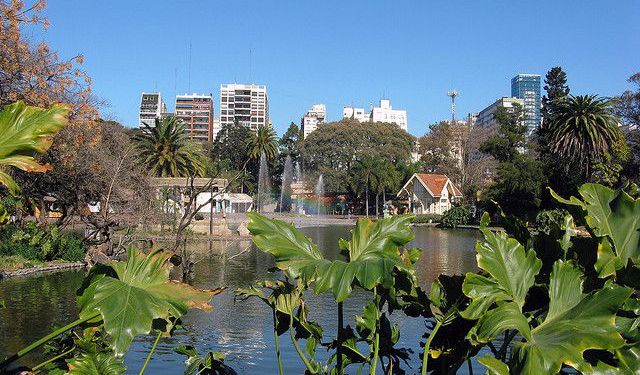
Palermo Area Walking Tour
Palermo is the largest neighborhood in Buenos Aires and one of its most historically layered areas, evolving from rural outskirts into a defining part of the city’s cultural life. The name “Palermo” dates to the early colonial period. One widely accepted explanation links it to a Franciscan monastery dedicated to Saint Benedict of Palermo, a Sicilian saint of African descent whose image was... view more
Tour Duration: 2 Hour(s)
Travel Distance: 3.5 Km or 2.2 Miles
Tour Duration: 2 Hour(s)
Travel Distance: 3.5 Km or 2.2 Miles
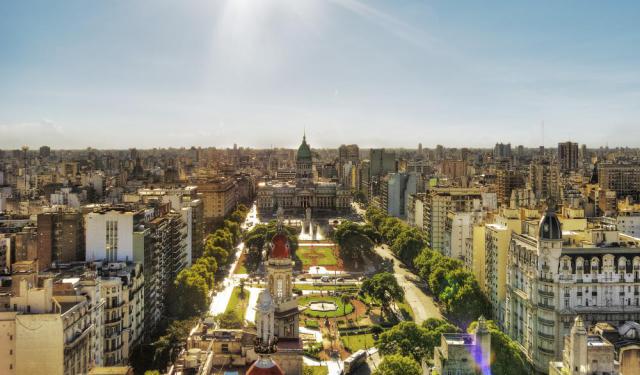
May Avenue Walking Tour
May Avenue is one of Buenos Aires’ most emblematic boulevards, a grand east–west axis that reflects the city’s political, cultural, and architectural evolution. Its name honors the May Revolution of 1810, when residents of Buenos Aires removed the Spanish viceroy and initiated the process that ultimately led to Argentina’s independence.
Plans for a monumental boulevard connecting the... view more
Tour Duration: 2 Hour(s)
Travel Distance: 2.3 Km or 1.4 Miles
Plans for a monumental boulevard connecting the... view more
Tour Duration: 2 Hour(s)
Travel Distance: 2.3 Km or 1.4 Miles
Useful Travel Guides for Planning Your Trip
Top 5 Bars in San Telmo, Buenos Aires
With its cobbled streets, colonial era buildings and vibrant music and art scene, San Telmo is a great place to soak up the eclectic nature of Buenos Aires’ nightlife. The area boasts dozens of bars and cafes, with some of the city’s oldest lying next to the more modern. Indeed, San Telmo...
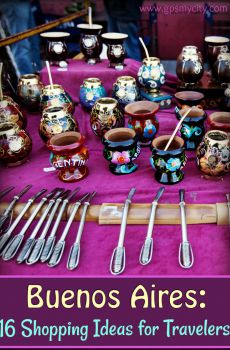
Buenos Aires: 16 Shopping Ideas for Travelers
Other than a cool place to be and a dream destination for many adventure-minded folk, Buenos Aires is a great culture hub where one can experience first-hand all that Argentina has to offer - great football, terrific wine, killer steaks, and much much more. This guide is to help you steer yourself...
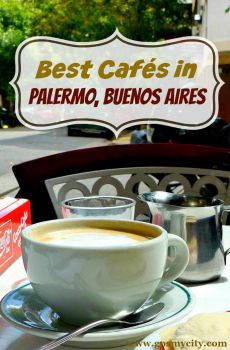
Top 7 Cafes in Palermo, Buenos Aires
The word "Palermo", believe it or not, may refer not just to Sicily, Italy, but also to Buenos Aires, Argentina. Indeed, this neighborhood (barrio) is largest in the city and is trendy and bohemian, renowned for its boutique shopping, cafes, restaurants, bars, and nightclubs. Oftentimes,...

Popular Palermo Restaurants, Buenos Aires
Although many visitors tend to think that Argentina is a meat and potatoes country, the rich cultural heritage from Italy, Spain, Portugal, and other European countries provide a veritable smorgasboard of dining options. Palermo is the barrio in Buenos Aires often referred to as 'The Restaurant...
The Most Popular Cities
/ view all