

Audio Guide: Beatles London Walking Tour (Self Guided), London
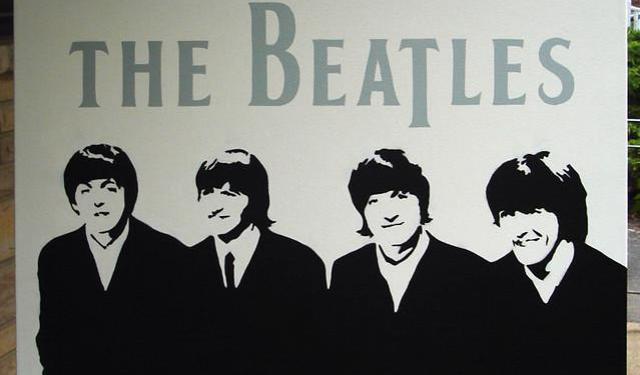
The Beatles, often hailed as one of the most influential bands in music history, began their journey in Liverpool in 1960, but it was in London that they truly became global icons. While Liverpool gave them their start, the British capital became their professional playground during the peak of Beatlemania. From recording sessions and business deals to public performances and personal milestones, London shaped much of the Beatles' legacy.
The Fab Four-John Lennon, Paul McCartney, George Harrison, and Ringo Starr-moved to London in the early 1960s as their fame skyrocketed. Here, they recorded most of their groundbreaking albums-Sgt. Pepper, Revolver, The White Album-at Abbey Road Studios, forever tying the band to that now-iconic zebra crossing. The band also used Trident Recording Studios, which boasted more advanced equipment at the time. Their label, Apple Corps, was headquartered at 3 Savile Row, where their final live performance took place on the rooftop in 1969, creating a scene of both chaos and music history.
London also played host to some of the band’s defining cultural moments. The term “Beatlemania” was born after their explosive performance at the London Palladium in 1963. Their business affairs were managed from the NEMS offices, under Brian Epstein’s guidance, while nightlife venues like the Bag O’Nails became regular haunts-Paul even met his future wife, Linda Eastman, there. Beyond their careers, London was the backdrop for personal chapters too: Paul wrote “Yesterday” while staying at 57 Wimpole Street, and he later married Linda at Marylebone Register Office. Meanwhile, 34 Montagu Square saw Lennon, McCartney, and Yoko Ono passing through, and was even the site of a notorious police raid.
Other notable sites include the short-lived Apple Boutique at 94 Baker Street, the film-famous Marylebone Station from A Hard Day’s Night movie, and 1 Soho Square-home of Paul McCartney’s post-Beatles company, MPL Communications. Today, fans can continue their pilgrimage at the London Beatles Store, a nostalgic tribute to the band’s enduring appeal.
Though The Beatles disbanded in 1970, London remains a living museum of their meteoric rise. From the studios to the stage, the love stories to the late-night jams, the city witnessed-and helped shape-the transformation of four lads from Liverpool into worldwide legends.
The Fab Four-John Lennon, Paul McCartney, George Harrison, and Ringo Starr-moved to London in the early 1960s as their fame skyrocketed. Here, they recorded most of their groundbreaking albums-Sgt. Pepper, Revolver, The White Album-at Abbey Road Studios, forever tying the band to that now-iconic zebra crossing. The band also used Trident Recording Studios, which boasted more advanced equipment at the time. Their label, Apple Corps, was headquartered at 3 Savile Row, where their final live performance took place on the rooftop in 1969, creating a scene of both chaos and music history.
London also played host to some of the band’s defining cultural moments. The term “Beatlemania” was born after their explosive performance at the London Palladium in 1963. Their business affairs were managed from the NEMS offices, under Brian Epstein’s guidance, while nightlife venues like the Bag O’Nails became regular haunts-Paul even met his future wife, Linda Eastman, there. Beyond their careers, London was the backdrop for personal chapters too: Paul wrote “Yesterday” while staying at 57 Wimpole Street, and he later married Linda at Marylebone Register Office. Meanwhile, 34 Montagu Square saw Lennon, McCartney, and Yoko Ono passing through, and was even the site of a notorious police raid.
Other notable sites include the short-lived Apple Boutique at 94 Baker Street, the film-famous Marylebone Station from A Hard Day’s Night movie, and 1 Soho Square-home of Paul McCartney’s post-Beatles company, MPL Communications. Today, fans can continue their pilgrimage at the London Beatles Store, a nostalgic tribute to the band’s enduring appeal.
Though The Beatles disbanded in 1970, London remains a living museum of their meteoric rise. From the studios to the stage, the love stories to the late-night jams, the city witnessed-and helped shape-the transformation of four lads from Liverpool into worldwide legends.
How it works: Download the app "GPSmyCity: Walks in 1K+ Cities" from Apple App Store or Google Play Store to your mobile phone or tablet. The app turns your mobile device into a personal tour guide and its built-in GPS navigation functions guide you from one tour stop to next. The app works offline, so no data plan is needed when traveling abroad.
Download The GPSmyCity App



Beatles London Walking Tour Map
Guide Name: Beatles London Walking Tour
Guide Location: England » London (See other walking tours in London)
Guide Type: Self-guided Walking Tour (Sightseeing)
Tour Duration: 3 Hour(s)
Travel Distance: 4.8 Km or 3 Miles
Guide Location: England » London (See other walking tours in London)
Guide Type: Self-guided Walking Tour (Sightseeing)
Tour Duration: 3 Hour(s)
Travel Distance: 4.8 Km or 3 Miles
Sights Featured in This Walk


Walking Tours in London, England

Create Your Own Walk in London
Creating your own self-guided walk in London is easy and fun. Choose the city attractions that you want to see and a walk route map will be created just for you. You can even set your hotel as the start point of the walk.
Covent Garden Walking Tour
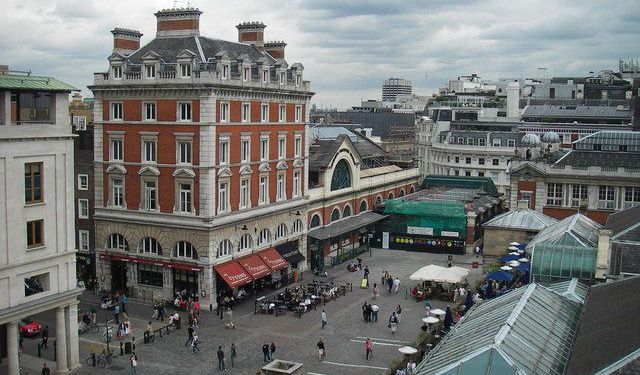
A shopping and entertainment hub on the eastern fringes of London's West End, Covent Garden is a district historically associated with the former fruit-and-vegetable market – currently a shopping spot popular with locals and tourists alike.
Once a slum area, today the north of the district is given over to independent shops centered on Neal's Yard and Seven Dials. Both places offer... view more
Tour Duration: 2 Hour(s)
Travel Distance: 3.0 Km or 1.9 Miles
Once a slum area, today the north of the district is given over to independent shops centered on Neal's Yard and Seven Dials. Both places offer... view more
Tour Duration: 2 Hour(s)
Travel Distance: 3.0 Km or 1.9 Miles
South Bank Walking Tour
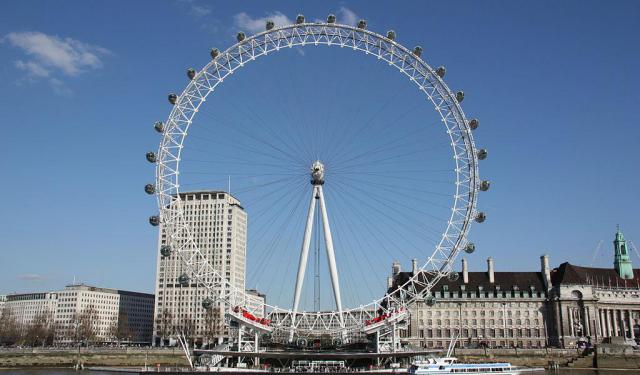
London’s South Bank, stretching along the southern side of the River Thames, roughly between Westminster Bridge and Tower Bridge, is one of the most interesting and liveliest parts of the British capital. Here, London’s old soul and modern edge shake hands... and then probably go grab a pint together. Famous for its arts, culture, food, and scenic riverside walks, the area has a long and... view more
Tour Duration: 3 Hour(s)
Travel Distance: 4.8 Km or 3 Miles
Tour Duration: 3 Hour(s)
Travel Distance: 4.8 Km or 3 Miles
City of London Walking Tour
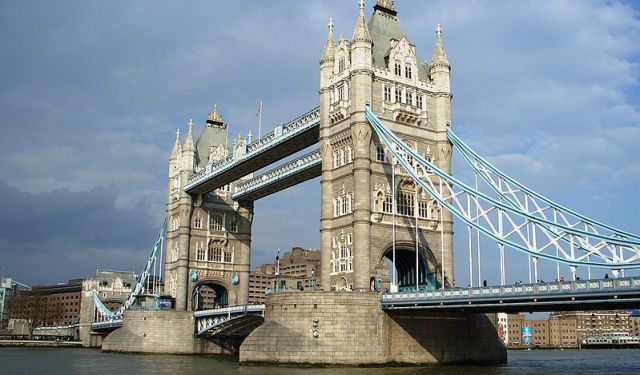
The City of London, often referred to simply as the City (with the capital C), is the historic and financial core of the British capital. Despite being just over one square mile in area (for which reason it is also lovingly dubbed the Square Mile), it holds immense importance as the original site of Londinium, the Roman settlement founded circa 43 AD. Over the centuries, this small patch of land... view more
Tour Duration: 3 Hour(s)
Travel Distance: 4.6 Km or 2.9 Miles
Tour Duration: 3 Hour(s)
Travel Distance: 4.6 Km or 2.9 Miles
Shakespeare's London Walking Tour
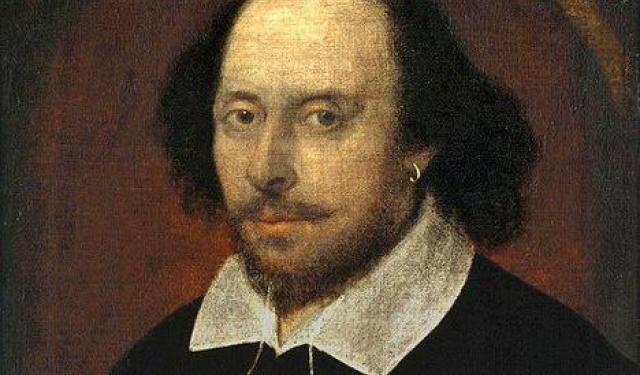
You might know him as “the Bard,” but to England, William Shakespeare is practically the patron saint of poetic plot twists. Born in 1564 in Stratford-upon-Avon to John Shakespeare, a glove maker and town official, and Mary Arden from a prosperous farming family, young William started life with ink in his veins and Latin on his mind. Grammar school likely gave him his first taste of rhetoric.... view more
Tour Duration: 3 Hour(s)
Travel Distance: 4.7 Km or 2.9 Miles
Tour Duration: 3 Hour(s)
Travel Distance: 4.7 Km or 2.9 Miles

London's Historic Pubs Walk
If there’s any more iconic symbol for London than Big Ben or the London Eye, then it must be the traditional English pub. And London sure is full of them, dating from pre-Victorian times to just about five minutes ago.
With so much history surrounding London there is no shortage of historic pubs to choose from. Whether you fancy half-timbered, rambling watering holes or small but perfectly... view more
Tour Duration: 3 Hour(s)
Travel Distance: 5.6 Km or 3.5 Miles
With so much history surrounding London there is no shortage of historic pubs to choose from. Whether you fancy half-timbered, rambling watering holes or small but perfectly... view more
Tour Duration: 3 Hour(s)
Travel Distance: 5.6 Km or 3.5 Miles
Harry Potter Walking Tour II
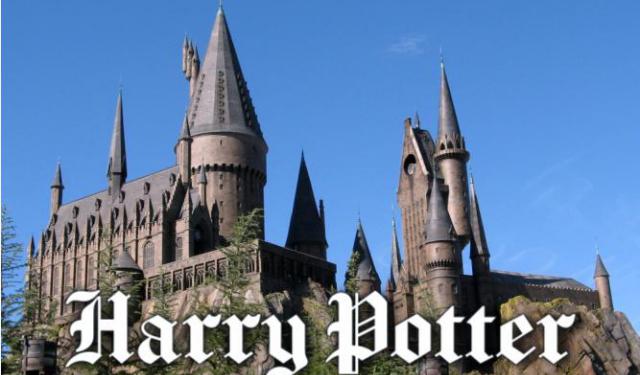
The Harry Potter movies and London go together like Butterbeer and a cold winter night at Hogsmeade. While much of the magical world was brought to life with computer-generated images and studio sets, quite a few iconic scenes were filmed right in the heart of the British capital, transforming ordinary city spots into wizarding landmarks. Here's a look at six more London locations where the... view more
Tour Duration: 2 Hour(s)
Travel Distance: 4.1 Km or 2.5 Miles
Tour Duration: 2 Hour(s)
Travel Distance: 4.1 Km or 2.5 Miles
Useful Travel Guides for Planning Your Trip
London Souvenirs: 18 Distinctively British Products for Travelers
Most visitors to London consider shopping as part of their must-do London experience. From street markets to Victorian arcades to snobbish Sloane Square to busy Oxford Street, there are a host of shops selling items which typically represent this vibrant city. Whether you are shopping for souvenirs...
The Most Popular Cities
/ view all