

Audio Guide: Lower Town Walking Tour (Self Guided), Zagreb
Zagreb’s Lower Town forms one of the two main districts in the historic heart of the Croatian capital, alongside the Upper Town. As its name suggests, it lies below the older hilltop settlements of Gradec and Kaptol. While those medieval centers developed organically on elevated ground, the Lower Town is the more modern of the two, shaped through deliberate urban planning during the late 19th and early 20th centuries as Zagreb expanded southward onto the plains.
Its emergence is closely tied to the modernization of the city during the period of the Habsburg Empire. As Zagreb grew in administrative and cultural importance, particularly within the Kingdom of Croatia-Slavonia, the need for a more organized and spacious district became clear.
Development accelerated after the 1860s, when city authorities began transforming open fields and former defensive zones into a structured urban grid. This marked a shift from medieval constraints to a modern European layout, influenced by Vienna and Budapest. Wide streets replaced irregular pathways, and new building regulations introduced uniform façades and aligned blocks, giving the Lower Town its cohesive appearance.
At the heart of this transformation is the Green Horseshoe, an ambitious sequence of parks and squares conceived by Croatian urbanist Milan Lenuci. Designed in a U-shaped layout, it links key cultural and civic institutions, including theatres, museums, and government buildings.
Architecturally, the Lower Town presents a cohesive display of late 19th- and early 20th-century styles, dominated by Austro-Hungarian influences and Secessionist design. Sweeping boulevards lined with elegant buildings, stately squares, and green parks create a refined urban landscape.
By the early 20th century, the Lower Town had fully established itself as Zagreb’s modern counterpart to the medieval Upper Town.
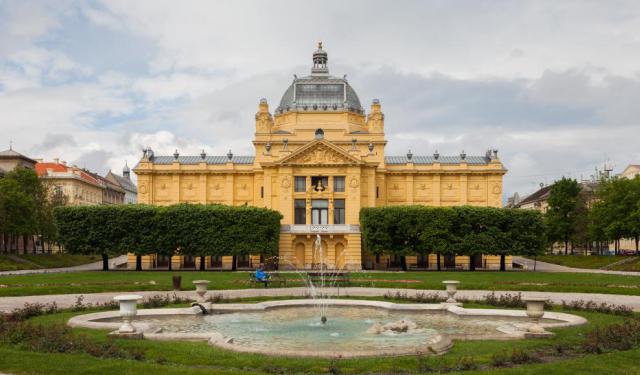
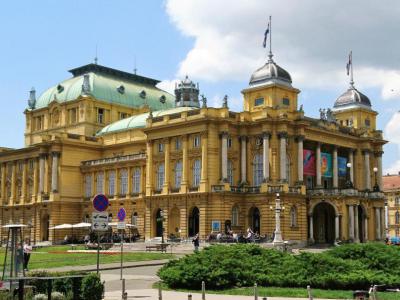
Walking through Zagreb’s Lower Town, you’ll move along wide, orderly streets lined with historic façades in pastel tones and decorative styles. Parks and squares unfold in sequence, from King Tomislav Square near the Art Pavilion to the tree-lined Nikola Šubić Zrinski Square. Nearby, the Croatian National Theater anchors one of the city’s cultural focal points. Trams glide through the avenues, while cafés spill onto sidewalks, balancing calm green spaces with lively urban corners.
The Lower Town is where Zagreb draws a line between past and future—and then invites you to walk it.
Its emergence is closely tied to the modernization of the city during the period of the Habsburg Empire. As Zagreb grew in administrative and cultural importance, particularly within the Kingdom of Croatia-Slavonia, the need for a more organized and spacious district became clear.
Development accelerated after the 1860s, when city authorities began transforming open fields and former defensive zones into a structured urban grid. This marked a shift from medieval constraints to a modern European layout, influenced by Vienna and Budapest. Wide streets replaced irregular pathways, and new building regulations introduced uniform façades and aligned blocks, giving the Lower Town its cohesive appearance.
At the heart of this transformation is the Green Horseshoe, an ambitious sequence of parks and squares conceived by Croatian urbanist Milan Lenuci. Designed in a U-shaped layout, it links key cultural and civic institutions, including theatres, museums, and government buildings.
Architecturally, the Lower Town presents a cohesive display of late 19th- and early 20th-century styles, dominated by Austro-Hungarian influences and Secessionist design. Sweeping boulevards lined with elegant buildings, stately squares, and green parks create a refined urban landscape.
By the early 20th century, the Lower Town had fully established itself as Zagreb’s modern counterpart to the medieval Upper Town.
Walking through Zagreb’s Lower Town, you’ll move along wide, orderly streets lined with historic façades in pastel tones and decorative styles. Parks and squares unfold in sequence, from King Tomislav Square near the Art Pavilion to the tree-lined Nikola Šubić Zrinski Square. Nearby, the Croatian National Theater anchors one of the city’s cultural focal points. Trams glide through the avenues, while cafés spill onto sidewalks, balancing calm green spaces with lively urban corners.
The Lower Town is where Zagreb draws a line between past and future—and then invites you to walk it.
How it works: Download the app "GPSmyCity: Walks in 1K+ Cities" from Apple App Store or Google Play Store to your mobile phone or tablet. The app turns your mobile device into a personal tour guide. For US$14.99 per year (with a 3-day free trial), you get access to walking tours in 630+ cities worldwide for an entire year. In comparison, a guided tour often costs dozens of dollars per person for a single tour. The app works offline, so no data plan is needed when traveling abroad.
Download The GPSmyCity App



Lower Town Walking Tour Map
Guide Name: Lower Town Walking Tour
Guide Location: Croatia » Zagreb (See other walking tours in Zagreb)
Guide Type: Self-guided Walking Tour (Sightseeing)
Tour Duration: 2 Hour(s)
Travel Distance: 2.5 Km or 1.6 Miles
Guide Location: Croatia » Zagreb (See other walking tours in Zagreb)
Guide Type: Self-guided Walking Tour (Sightseeing)
Tour Duration: 2 Hour(s)
Travel Distance: 2.5 Km or 1.6 Miles
Sights Featured in This Walk



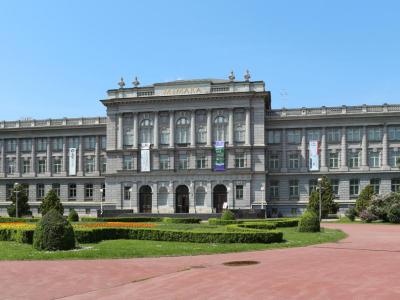
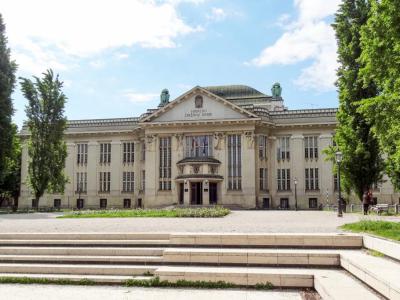
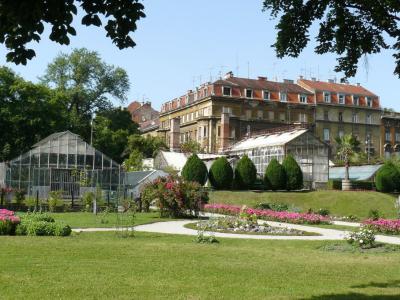
Walking Tours in Zagreb, Croatia

Create Your Own Walk in Zagreb
Creating your own self-guided walk in Zagreb is easy and fun. Choose the city attractions that you want to see and a walk route map will be created just for you. You can even set your hotel as the start point of the walk.
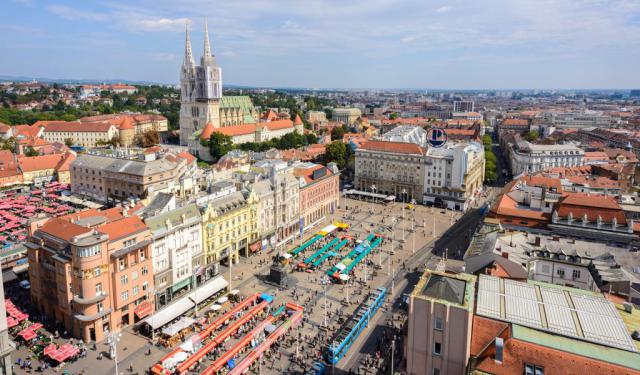
Upper Town Walking Tour
Zagreb’s Upper Town forms the historic core of the city, rising on a hill above the modern lower districts. The name reflects its elevated position, distinguishing it from Lower Town, which developed later on the plains below. The wider area, however, has much older roots: nearby stood Andautonia, a Roman settlement that points to early habitation in the region. The name “Zagreb” itself... view more
Tour Duration: 1 Hour(s)
Travel Distance: 1.8 Km or 1.1 Miles
Tour Duration: 1 Hour(s)
Travel Distance: 1.8 Km or 1.1 Miles
The Most Popular Cities
/ view all