

Audio Guide: Monte-Carlo Introduction Walking Tour (Self Guided), Monte-Carlo
Prince Charles III of Monaco declared in 1860s “A new town will rise here, surrounded by gardens and light.” His words became the blueprint for what the world now knows as Monte-Carlo - the glittering heart of the Principality of Monaco.
Monte-Carlo is internationally recognised for its glamorous casino culture, luxury hotels, and high-profile events. Its name, meaning “Mount Charles” in Italian, honours Prince Charles III, who oversaw its ambitious transformation in the 19th century. Perched on a rocky slope overlooking the Mediterranean, the site had long been admired for its natural appeal, even before development shaped its modern image.
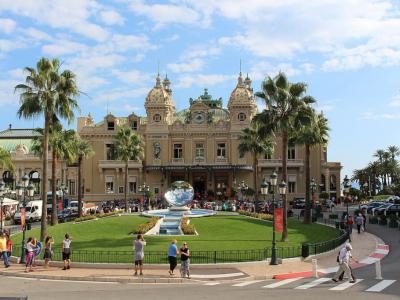
Monaco’s fortunes shifted dramatically in the mid-1800s, after the loss of territory - when two of its cities, Menton and Roquebrune, declared independence - lefting the state facing a major financial crisis. To revive the economy, the principality turned to tourism and gaming. A first casino opened in 1856, but success arrived only when entrepreneur François Blanc stepped in. Granted a monopoly, he relocated the establishment to the future Monte-Carlo plateau and, in 1863, the district officially adopted its new name in tribute to the ruling prince. The casino and the adjacent Grand Hotel - today’s Hotel of Paris - soon became magnets for Europe’s aristocracy, and rail access in the 1860s accelerated growth.
Fueled by casino revenue, Monaco abolished income tax in 1869 and built its reputation as a haven of luxury and leisure. Monte-Carlo continued to flourish with elegant gardens, cultural venues, and seaside attractions. The arrival of the Monaco Grand Prix in 1929, one of the most famous motor racing events, added an exhilarating dimension, projecting its fame to every corner of the world.
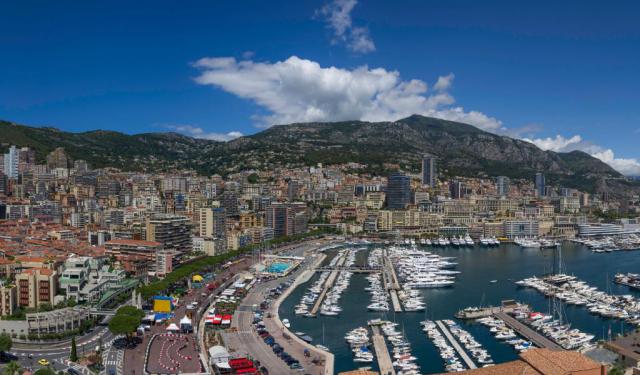
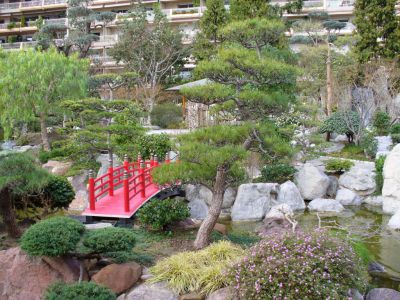
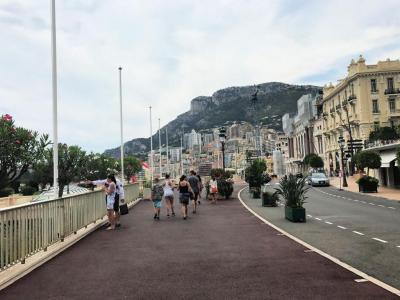
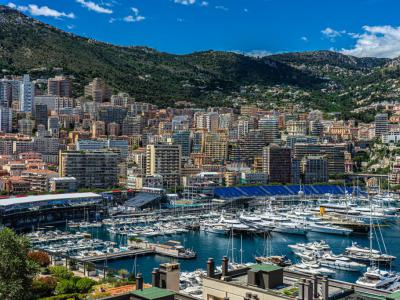
Visitors today can feel that legacy while exploring the city centre. Visitors wandering through Monte-Carlo’s centre will find more than casinos and high-end hotels. Monte Carlo Avenue offers an elegant promenade lined with designer boutiques and stylish cafés. Nearby, the Japanese Garden provides a calm contrast to the city’s glitz, with ponds, stone bridges, and carefully shaped greenery. Further along the coast, Monte-Carlo Harbor draws attention with its shimmering water and superyachts set against steep hillsides and seawalls.
More than a century after Charles III imagined a new town, Monte-Carlo still shines with gardens, light, and the spirit of bold reinvention. Now, it’s your turn to step into the vision - and walk through a district where fortunes changed and glamour took root.
Monte-Carlo is internationally recognised for its glamorous casino culture, luxury hotels, and high-profile events. Its name, meaning “Mount Charles” in Italian, honours Prince Charles III, who oversaw its ambitious transformation in the 19th century. Perched on a rocky slope overlooking the Mediterranean, the site had long been admired for its natural appeal, even before development shaped its modern image.
Monaco’s fortunes shifted dramatically in the mid-1800s, after the loss of territory - when two of its cities, Menton and Roquebrune, declared independence - lefting the state facing a major financial crisis. To revive the economy, the principality turned to tourism and gaming. A first casino opened in 1856, but success arrived only when entrepreneur François Blanc stepped in. Granted a monopoly, he relocated the establishment to the future Monte-Carlo plateau and, in 1863, the district officially adopted its new name in tribute to the ruling prince. The casino and the adjacent Grand Hotel - today’s Hotel of Paris - soon became magnets for Europe’s aristocracy, and rail access in the 1860s accelerated growth.
Fueled by casino revenue, Monaco abolished income tax in 1869 and built its reputation as a haven of luxury and leisure. Monte-Carlo continued to flourish with elegant gardens, cultural venues, and seaside attractions. The arrival of the Monaco Grand Prix in 1929, one of the most famous motor racing events, added an exhilarating dimension, projecting its fame to every corner of the world.
Visitors today can feel that legacy while exploring the city centre. Visitors wandering through Monte-Carlo’s centre will find more than casinos and high-end hotels. Monte Carlo Avenue offers an elegant promenade lined with designer boutiques and stylish cafés. Nearby, the Japanese Garden provides a calm contrast to the city’s glitz, with ponds, stone bridges, and carefully shaped greenery. Further along the coast, Monte-Carlo Harbor draws attention with its shimmering water and superyachts set against steep hillsides and seawalls.
More than a century after Charles III imagined a new town, Monte-Carlo still shines with gardens, light, and the spirit of bold reinvention. Now, it’s your turn to step into the vision - and walk through a district where fortunes changed and glamour took root.
How it works: Download the app "GPSmyCity: Walks in 1K+ Cities" from Apple App Store or Google Play Store to your mobile phone or tablet. The app turns your mobile device into a personal tour guide. For US$14.99 per year, you get access to walking tours in 630+ cities worldwide. In comparison, a guided tour often costs dozens of dollars per person for a single tour. The app works offline, so no data plan is needed when traveling abroad.
Download The GPSmyCity App



Monte-Carlo Introduction Walking Tour Map
Guide Name: Monte-Carlo Introduction Walking Tour
Guide Location: Monaco » Monte-Carlo (See other walking tours in Monte-Carlo)
Guide Type: Self-guided Walking Tour (Sightseeing)
Tour Duration: 2 Hour(s)
Travel Distance: 3.4 Km or 2.1 Miles
Guide Location: Monaco » Monte-Carlo (See other walking tours in Monte-Carlo)
Guide Type: Self-guided Walking Tour (Sightseeing)
Tour Duration: 2 Hour(s)
Travel Distance: 3.4 Km or 2.1 Miles
Sights Featured in This Walk
Walking Tours in Monte-Carlo, Monaco

Create Your Own Walk in Monte-Carlo
Creating your own self-guided walk in Monte-Carlo is easy and fun. Choose the city attractions that you want to see and a walk route map will be created just for you. You can even set your hotel as the start point of the walk.
Historical Buildings Walk
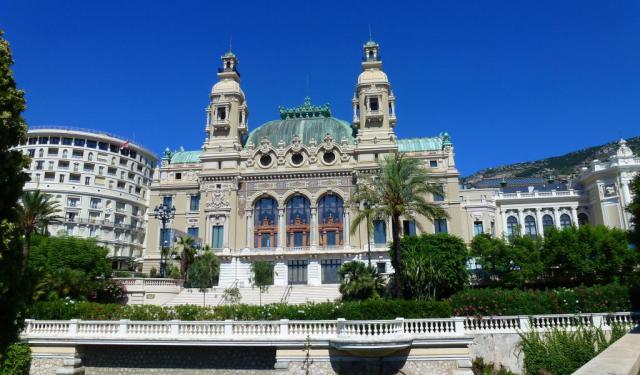
Monaco – the world’s second smallest state – is also one of the world’s richest. The latter fact definitely shows in the historic buildings – famous casinos, opera house, hotels and opulent palaces – found in the central ward Monte-Carlo, displaying a range of architectural styles quite wide for a small country like this.
The geography of Monaco, featuring sharp hills and narrow... view more
Tour Duration: 1 Hour(s)
Travel Distance: 1.2 Km or 0.7 Miles
The geography of Monaco, featuring sharp hills and narrow... view more
Tour Duration: 1 Hour(s)
Travel Distance: 1.2 Km or 0.7 Miles
The Most Popular Cities
/ view all