


Montjuic Walking Tour (Self Guided), Barcelona
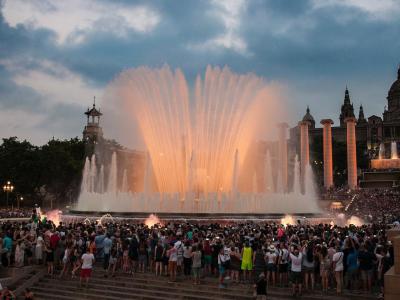
Montjuic is a hill in Barcelona which offers a variety of great attractions of historic, cultural, and architectural value. Here, you can watch a spectacular water show at the Magic Fountain of Montjuic, visit the place where matadors faced the bulls in the past, and explore the ancient Montjuic Castle with its breathtaking views.
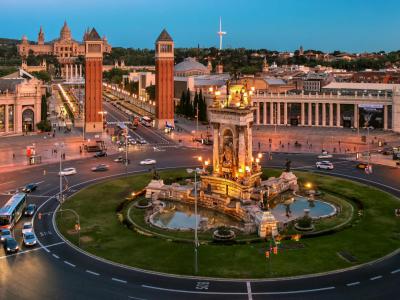
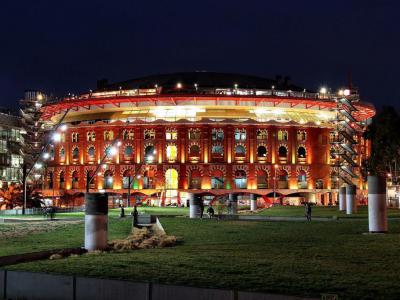
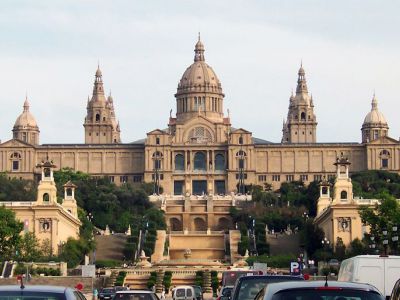
A convenient start point, Placa d'Espanya is the second largest square in Spain and will lead you to most other attractions in the area: from the old bullring of Las Arenas de Barcelona (now a shopping center after Catalonia’s abolition of bullfighting in 2012) to the elegantly sparse Barcelona Pavilion, to the Magic Fountain of Montjuic and neighbouring National Art Museum of Catalonia – one of the city’s most beautiful buildings, whose huge collection, as well as views from the top, are simply magical.
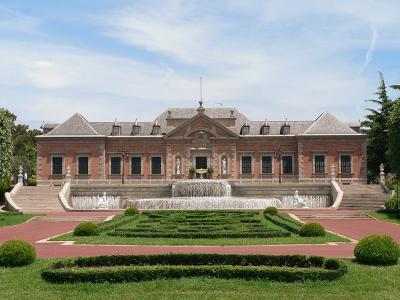
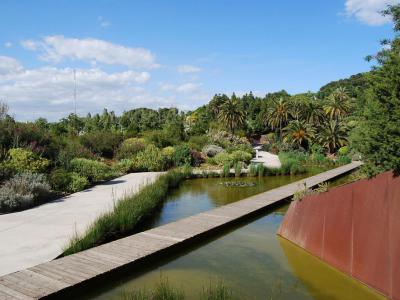
These alone make Montjuic an excellent place to visit, but you can carry on with a French-style royal palace and gardens (Albeniz Palace – only open at weekends!), the Olympics Stadium and associated museum, followed by the Botanical Garden, which is ideal for a short walk and to learn a bit about Mediterranean flora.
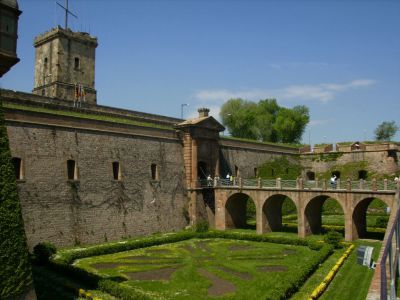
Standing atop the hill, the Montjuic Castle offers splendid views over the city, the port and the whole surrounding area, as well as lots of fascinating information on historic aspects via numerous electronic presentations of the castle itself and the personalities involved.
Discover the best spots of Montjuic with this self-guided walking tour today!
A convenient start point, Placa d'Espanya is the second largest square in Spain and will lead you to most other attractions in the area: from the old bullring of Las Arenas de Barcelona (now a shopping center after Catalonia’s abolition of bullfighting in 2012) to the elegantly sparse Barcelona Pavilion, to the Magic Fountain of Montjuic and neighbouring National Art Museum of Catalonia – one of the city’s most beautiful buildings, whose huge collection, as well as views from the top, are simply magical.
These alone make Montjuic an excellent place to visit, but you can carry on with a French-style royal palace and gardens (Albeniz Palace – only open at weekends!), the Olympics Stadium and associated museum, followed by the Botanical Garden, which is ideal for a short walk and to learn a bit about Mediterranean flora.
Standing atop the hill, the Montjuic Castle offers splendid views over the city, the port and the whole surrounding area, as well as lots of fascinating information on historic aspects via numerous electronic presentations of the castle itself and the personalities involved.
Discover the best spots of Montjuic with this self-guided walking tour today!
How it works: Download the app "GPSmyCity: Walks in 1K+ Cities" from Apple App Store or Google Play Store to your mobile phone or tablet. The app turns your mobile device into a personal tour guide and its built-in GPS navigation functions guide you from one tour stop to next. The app works offline, so no data plan is needed when traveling abroad.
Download The GPSmyCity App



Montjuic Walking Tour Map
Guide Name: Montjuic Walking Tour
Guide Location: Spain » Barcelona (See other walking tours in Barcelona)
Guide Type: Self-guided Walking Tour (Sightseeing)
Tour Duration: 3 Hour(s)
Travel Distance: 5.0 Km or 3.1 Miles
Guide Location: Spain » Barcelona (See other walking tours in Barcelona)
Guide Type: Self-guided Walking Tour (Sightseeing)
Tour Duration: 3 Hour(s)
Travel Distance: 5.0 Km or 3.1 Miles
Sights Featured in This Walk



Walking Tours in Barcelona, Spain

Create Your Own Walk in Barcelona
Creating your own self-guided walk in Barcelona is easy and fun. Choose the city attractions that you want to see and a walk route map will be created just for you. You can even set your hotel as the start point of the walk.

Barcelona Introduction Walking Tour
According to legend, Barcelona was founded by the mythological Greek hero Hercules on one of his expeditions, when a storm hit his boats. The first eight boats managed to escape without damage, but the ninth was lost at sea. Hercules found his lost friends some days later on the coast, all safe and sound. The boat's crew, taken by the beauty of the coastal landscape, decided to stay. On that... view more
Tour Duration: 3 Hour(s)
Travel Distance: 5.7 Km or 3.5 Miles
Tour Duration: 3 Hour(s)
Travel Distance: 5.7 Km or 3.5 Miles

Antoni Gaudí's Masterpieces Walking Tour
Antoni Gaudi, a seminal figure in the Catalan Modernism movement, is one of the top architects of the 20th century. The unique technique and use of natural forms in his works stand out from the pack and have left an indelible mark on the face of Barcelona.
Our journey through Gaudi's Barcelona begins at the Güell Palace, by far the most budget-friendly of his projects. Located near La... view more
Tour Duration: 2 Hour(s)
Travel Distance: 4.6 Km or 2.9 Miles
Our journey through Gaudi's Barcelona begins at the Güell Palace, by far the most budget-friendly of his projects. Located near La... view more
Tour Duration: 2 Hour(s)
Travel Distance: 4.6 Km or 2.9 Miles

Gothic Quarter Walking Tour
A walk through the Gothic Quarter – Barcelona’s oldest part, dating from the Roman era – is like a journey through time. The typical Roman grid plan is still visible in the quarter's layout. Only a few roads are open for car traffic, so there is little in the way of enjoying the narrow, atmospheric streets filled with high-quality architecture, numerous boutiques, and coffee shops.... view more
Tour Duration: 2 Hour(s)
Travel Distance: 1.8 Km or 1.1 Miles
Tour Duration: 2 Hour(s)
Travel Distance: 1.8 Km or 1.1 Miles

Barcelona Food Tasting Walking Tour
No one should visit Barcelona without making an attempt to get acquainted with some of Spain’s best food – Catalan food. An abundance of fresh fish and superb meat, a plethora of great vegetables, plus local inventiveness, have produced a very diverse, distinctive and delicious cuisine, including the famous (and trendy) tapas dishes.
Follow this self-guided walk to treat your taste buds in... view more
Tour Duration: 2 Hour(s)
Travel Distance: 2.9 Km or 1.8 Miles
Follow this self-guided walk to treat your taste buds in... view more
Tour Duration: 2 Hour(s)
Travel Distance: 2.9 Km or 1.8 Miles

La Rambla Walking Tour
One of the main streets in central Barcelona, La Rambla is popular with tourists and locals alike. Connecting the city’s old port with Plaça de Catalunya, it is filled with cultural and historic landmarks, as well as many terraces, restaurants, shops and street artists. Spanish poet, Federico García Lorca once said it was “the only street in the world which I wish never ended.”
Start... view more
Tour Duration: 1 Hour(s)
Travel Distance: 2.3 Km or 1.4 Miles
Start... view more
Tour Duration: 1 Hour(s)
Travel Distance: 2.3 Km or 1.4 Miles

Barcelona Shopping Walk
A long-time prime cultural destination, Barcelona is also en route to becoming one of Europe's top shopping spots. Each new day, fashionable designer stores, from well-known international brands to local start-ups, are filling the city streets. If you're a fan of shopping, you're in for a treat when visiting this beautiful city. Here are some of the most popular shopping locations... view more
Tour Duration: 2 Hour(s)
Travel Distance: 3.4 Km or 2.1 Miles
Tour Duration: 2 Hour(s)
Travel Distance: 3.4 Km or 2.1 Miles
Useful Travel Guides for Planning Your Trip

Top 10 Spanish Foods and Drinks to Try in Barcelona
In the countries like Spain, food is a national heritage and cultural attraction in its own right. The latter is even more true of Catalonia in general and Barcelona in particular. Presented here are the 10 staples of Catalan food tradition, missing which would be a gastronomical...

Barcelona Souvenir Shopping: 17 Uniquely Spanish Things to Buy
Spain, in general, and Barcelona, in particular, are a treasure trove of all things exciting. Set your foot in Barcelona and you'll be spoiled for the choice of things worth trying and taking home. Before your head starts spinning, check this guide out to put yourself in the right...
The Most Popular Cities
/ view all