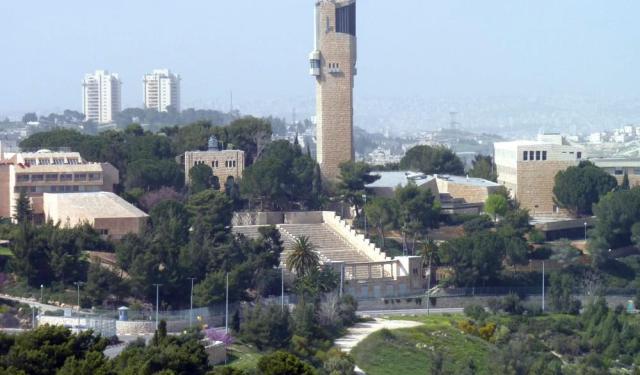


Mount Scopus Walking Tour (Self Guided), Jerusalem
Dotted with many sightseeing places, Mount Scopus – translating as the “Observation Mount” from Greek – is a great place to get views over the whole Old City of Jerusalem on a nice day. The mount has been of major strategic importance since Roman times, with forces setting up camp here prior to laying the siege that culminated in the final Roman victory over Jerusalem around 70 AD. Likewise, the Crusaders camped on the mount in 1099 just before taking the city from the Fatimid Caliphate, as did the British after taking it in 1917 from the Ottoman Empire.
The best time to visit is evening, when the sunset will be just in front of you with a magnificent city-view. Passing through the War Cemetery, you’ll reach the sought-after Hebrew University campus with its botanical garden and amphitheater, the latter affording magnificent views over the Judaean Desert as far as the Mountains of Moab. Elsewhere, the top of Mount Scopus gives a good panoramic view over the Mount of Olives, as well as the ramparts and fortified gates of the Old City, with the Dome of the Rock clearly visible.
Make sure to also check the Augusta Victoria compound with a hospital (East Jerusalem’s largest) and a beautiful church. Those who are fit can climb up the many stairs of the tower and look as far as the Dead Sea.
Follow our self-guided walking tour to have a great time in this magical place!
The best time to visit is evening, when the sunset will be just in front of you with a magnificent city-view. Passing through the War Cemetery, you’ll reach the sought-after Hebrew University campus with its botanical garden and amphitheater, the latter affording magnificent views over the Judaean Desert as far as the Mountains of Moab. Elsewhere, the top of Mount Scopus gives a good panoramic view over the Mount of Olives, as well as the ramparts and fortified gates of the Old City, with the Dome of the Rock clearly visible.
Make sure to also check the Augusta Victoria compound with a hospital (East Jerusalem’s largest) and a beautiful church. Those who are fit can climb up the many stairs of the tower and look as far as the Dead Sea.
Follow our self-guided walking tour to have a great time in this magical place!
How it works: Download the app "GPSmyCity: Walks in 1K+ Cities" from Apple App Store or Google Play Store to your mobile phone or tablet. The app turns your mobile device into a personal tour guide and its built-in GPS navigation functions guide you from one tour stop to next. The app works offline, so no data plan is needed when traveling abroad.
Download The GPSmyCity App



Mount Scopus Walking Tour Map
Guide Name: Mount Scopus Walking Tour
Guide Location: Israel » Jerusalem (See other walking tours in Jerusalem)
Guide Type: Self-guided Walking Tour (Sightseeing)
Tour Duration: 1 Hour(s)
Travel Distance: 2.3 Km or 1.4 Miles
Guide Location: Israel » Jerusalem (See other walking tours in Jerusalem)
Guide Type: Self-guided Walking Tour (Sightseeing)
Tour Duration: 1 Hour(s)
Travel Distance: 2.3 Km or 1.4 Miles
Sights Featured in This Walk


Walking Tours in Jerusalem, Israel

Create Your Own Walk in Jerusalem
Creating your own self-guided walk in Jerusalem is easy and fun. Choose the city attractions that you want to see and a walk route map will be created just for you. You can even set your hotel as the start point of the walk.
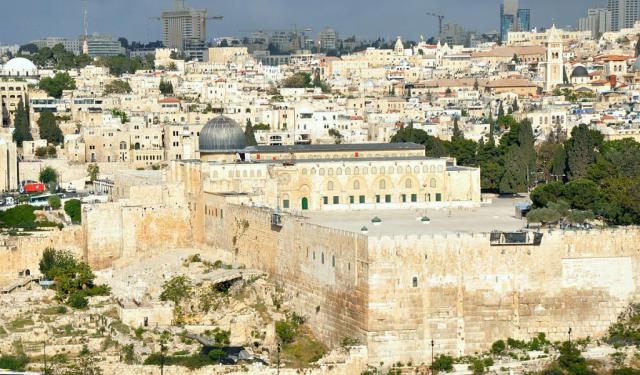
Jerusalem Old City Walking Tour
Jerusalem has been around long enough to see empires rise, fall, and try again. This is one of the world’s oldest continuously inhabited cities, shaped by faith, power, and a long rhythm of destruction followed by rebuilding. Archaeology traces settlement on the site of today's Jerusalem back to the Bronze Age, when it was just a modest Canaanite stronghold.
The city’s name tells a... view more
Tour Duration: 3 Hour(s)
Travel Distance: 5.0 Km or 3.1 Miles
The city’s name tells a... view more
Tour Duration: 3 Hour(s)
Travel Distance: 5.0 Km or 3.1 Miles
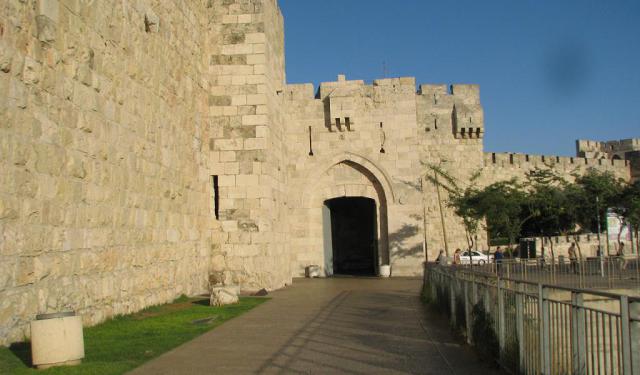
Jerusalem City Gates Walking Tour
Historians believe that the Old City of Jerusalem probably came into being more than 4,500 years ago. The defensive wall around it features a number of gates built on the order of the Ottoman sultan Suleyman the Magnificent in the first half of the 16th century, each of which is an attraction in its own right. Until as recently as 1870, they were all closed from sunset to sunrise; nowadays, just... view more
Tour Duration: 2 Hour(s)
Travel Distance: 3.7 Km or 2.3 Miles
Tour Duration: 2 Hour(s)
Travel Distance: 3.7 Km or 2.3 Miles
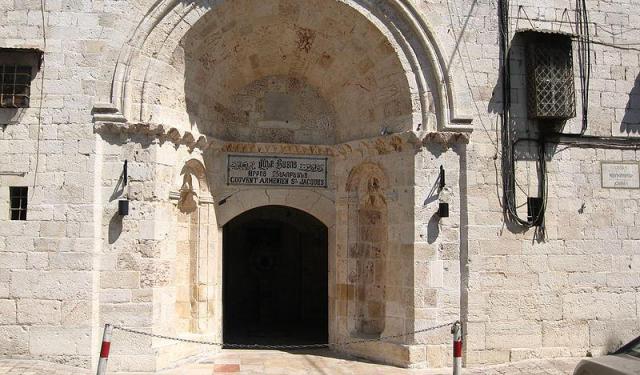
Armenian Quarter Walking Tour
Smaller and quieter than the Old City's other three quarters, the Armenian quarter contains a series of winding cobblestoned streets and alleyways teeming with people, shops, coffee stands, ceramic workshops and hookah bars. A city in miniature with distinct language, alphabet and culture, it has been in place since the 4th century, when Armenia adopted Christianity as a national religion.
... view more
Tour Duration: 1 Hour(s)
Travel Distance: 1.2 Km or 0.7 Miles
... view more
Tour Duration: 1 Hour(s)
Travel Distance: 1.2 Km or 0.7 Miles
Bethlehem Walking Tour
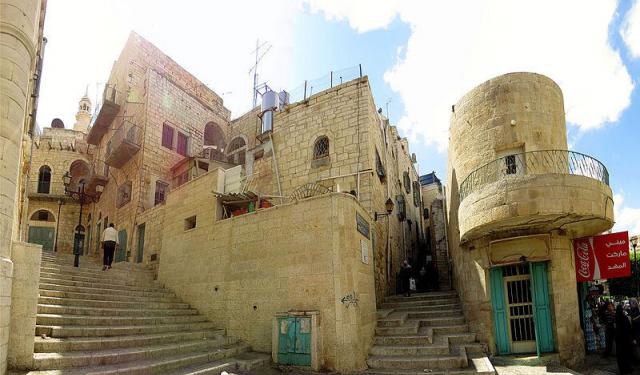
Just a few kilometers south of Jerusalem, Bethlehem carries a name that echoes across continents. For more than two millennia, it has been known as the birthplace of Jesus Christ - complete with a guiding star, candlelit carols, and a December soundtrack that practically plays on its own. Yet when you arrive, you quickly realize this is not a frozen nativity scene. It’s a living, breathing... view more
Tour Duration: 1 Hour(s)
Travel Distance: 1.5 Km or 0.9 Miles
Tour Duration: 1 Hour(s)
Travel Distance: 1.5 Km or 0.9 Miles
Jewish Quarter Walking Tour
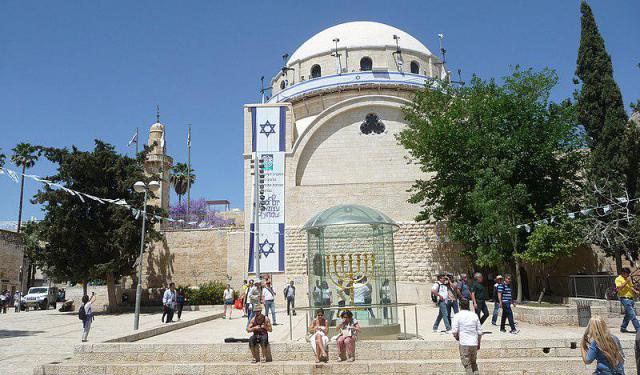
Entirely rebuilt in the 1980s after having been largely destroyed during the 1948 War, the Jewish Quarter is quite distinct from the rest of the Old City. Good signposting, spacious passageways, art galleries and a somewhat less buzzing atmosphere make the area a relaxing place to spend some time.
With its rebuilt residential buildings, some almost consider this area the "New... view more
Tour Duration: 1 Hour(s)
Travel Distance: 1.3 Km or 0.8 Miles
With its rebuilt residential buildings, some almost consider this area the "New... view more
Tour Duration: 1 Hour(s)
Travel Distance: 1.3 Km or 0.8 Miles
Christian Quarter Walking Tour
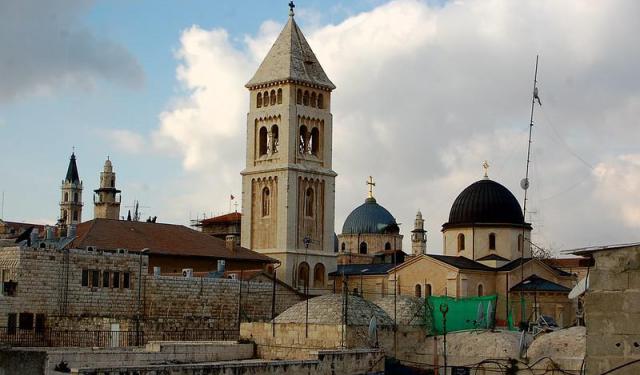
One of the epicenters of worldwide Christianity, the Christian Quarter is the 2nd-largest of Jerusalem’s four ancient quarters. A fascinating place to stroll through, it covers the Old City’s northwestern part, just beyond Jaffa Gate – the traditional pilgrim’s entrance to Jerusalem and a prime destination for most visitors.
With its tangle of broad streets and winding, narrow alleys,... view more
Tour Duration: 1 Hour(s)
Travel Distance: 1.1 Km or 0.7 Miles
With its tangle of broad streets and winding, narrow alleys,... view more
Tour Duration: 1 Hour(s)
Travel Distance: 1.1 Km or 0.7 Miles
Useful Travel Guides for Planning Your Trip
16 Uniquely Israel Things to Buy in Jerusalem
Modern day Jerusalem is a mosaic of neighborhoods, reflecting different historical periods, cultures, and religions. The influx of repatriates in recent years has made the cultural and artisanal scene of the city even more colourful and diverse. To find your way through Jerusalem's intricate...
The Most Popular Cities
/ view all