
Museum Island Walking Tour (Self Guided), Berlin
One of Berlin’s most visited attractions, the Museum Island ("Museumsinsel") complex was established by order of King Frederick William IV of Prussia in 1841 and houses several world-famous museums kept in close vicinity of each other. The island itself is spectacular for a walk, with wonderful architecture, statues, gardens and trees, so enjoy the atmosphere and make at least a day out of it!
Before embarking on your journey, note that while the entry fee for each separate museum is reasonable, spending on a 3-day pass which allows access to all (excluding the DDR Museum) would be wise. Situated at the island’s northern tip – one of the city’s most photographed places – Bode-Museum is a good place to purchase such a pass and has wonderful things to see, including a very fine collection of Byzantine art. With opulent staircases and a nice, refined café/shop, the whole glorious building will put you in the right frame of mind before hitting other destinations.
Major highlights along the way include the Pergamon and Neues museums, which display some of the most spectacular objects from the ancient world. Discover why some Viking swords were more deadly than others, decipher the code embossed on a golden hat that reveals a Bronze Age wizard, gaze at the stunning bust of Egyptian queen Nefertiti, or admire the facade of an 8th-century castle from present-day Jordan.
Also located on the Island is the magnificent 19th-century Berlin Cathedral, a main work of Historicist architecture of the Kaiserzeit, or German Emperor Era, whose end came in 1918, when the Kaiser abdicated.
Having all these wonderful places together makes Museum Island the one cultural site in Berlin you cannot miss, so follow our self-guided walking tour make the most of your time.
Before embarking on your journey, note that while the entry fee for each separate museum is reasonable, spending on a 3-day pass which allows access to all (excluding the DDR Museum) would be wise. Situated at the island’s northern tip – one of the city’s most photographed places – Bode-Museum is a good place to purchase such a pass and has wonderful things to see, including a very fine collection of Byzantine art. With opulent staircases and a nice, refined café/shop, the whole glorious building will put you in the right frame of mind before hitting other destinations.
Major highlights along the way include the Pergamon and Neues museums, which display some of the most spectacular objects from the ancient world. Discover why some Viking swords were more deadly than others, decipher the code embossed on a golden hat that reveals a Bronze Age wizard, gaze at the stunning bust of Egyptian queen Nefertiti, or admire the facade of an 8th-century castle from present-day Jordan.
Also located on the Island is the magnificent 19th-century Berlin Cathedral, a main work of Historicist architecture of the Kaiserzeit, or German Emperor Era, whose end came in 1918, when the Kaiser abdicated.
Having all these wonderful places together makes Museum Island the one cultural site in Berlin you cannot miss, so follow our self-guided walking tour make the most of your time.
How it works: Download the app "GPSmyCity: Walks in 1K+ Cities" from Apple App Store or Google Play Store to your mobile phone or tablet. The app turns your mobile device into a personal tour guide and its built-in GPS navigation functions guide you from one tour stop to next. The app works offline, so no data plan is needed when traveling abroad.
Download The GPSmyCity App



Museum Island Walking Tour Map
Guide Name: Museum Island Walking Tour
Guide Location: Germany » Berlin (See other walking tours in Berlin)
Guide Type: Self-guided Walking Tour (Sightseeing)
# of Attractions: 7
Tour Duration: 1 Hour(s)
Travel Distance: 1.2 Km or 0.7 Miles
Author: derek
Sight(s) Featured in This Guide:
Guide Location: Germany » Berlin (See other walking tours in Berlin)
Guide Type: Self-guided Walking Tour (Sightseeing)
# of Attractions: 7
Tour Duration: 1 Hour(s)
Travel Distance: 1.2 Km or 0.7 Miles
Author: derek
Sight(s) Featured in This Guide:
- Bode-Museum
- Pergamon Museum
- Neues Museum (New Museum)
- Altes Museum (Old Museum)
- Alte Nationalgalerie (Old National Gallery)
- DDR Museum
- Berliner Dom (Berlin Cathedral)
1) Bode-Museum
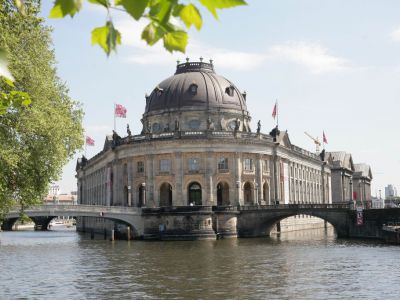
Perched at Museum Island's northern tip, the Bode stands tall, a beacon of elegance with its grand columns and majestic double dome, embraced by the Spree River on two sides. While there's much to enjoy in the architecture, scale and layout at a glance, it has an equally impressive interior, with elegant stairs, lofty ceilings, and classical features that create the perfect backdrop for museum exploration.
The sculpture collection housed here ranks among the largest in existence, spanning from the early Middle Ages to the late 18th century, with a diverse array representing most European countries. Highlights include glazed terracotta figures from the Italian Renaissance and a handful of remarkable works by Tilman Riemenschneider that truly steal the show. Rarely can you encounter such exquisite wooden sculptures in one place, but this museum is an exception!
If Byzantine art tickles your fancy, you're in for a treat. There are over 150 works dating from the 3rd to the 15th centuries, while the coin cabinet displays a vast and valuable collection of Byzantine coins and medals. There's also an intriguing section showcasing iconic art from Orthodox Christian churches in Greece, the Balkans, Russia, and North Africa.
Feeling weary or in need of a coffee-and-cake break during your visit? Look no further than the charming café, offering scenic views of the magnificent Baroque-style foyer. And, for those looking to take a piece of the experience home, the restaurant's back section houses a book and gift shop brimming with many nice items.
Tips:
While bags must be checked in, you're welcome to snap away with your camera and capture all the memories you desir. And for an efficient and cost-effective adventure on Museum Island, consider grabbing the 3-day Museum Pass – it pays for itself and lets you breeze through the other museums on the island.
The sculpture collection housed here ranks among the largest in existence, spanning from the early Middle Ages to the late 18th century, with a diverse array representing most European countries. Highlights include glazed terracotta figures from the Italian Renaissance and a handful of remarkable works by Tilman Riemenschneider that truly steal the show. Rarely can you encounter such exquisite wooden sculptures in one place, but this museum is an exception!
If Byzantine art tickles your fancy, you're in for a treat. There are over 150 works dating from the 3rd to the 15th centuries, while the coin cabinet displays a vast and valuable collection of Byzantine coins and medals. There's also an intriguing section showcasing iconic art from Orthodox Christian churches in Greece, the Balkans, Russia, and North Africa.
Feeling weary or in need of a coffee-and-cake break during your visit? Look no further than the charming café, offering scenic views of the magnificent Baroque-style foyer. And, for those looking to take a piece of the experience home, the restaurant's back section houses a book and gift shop brimming with many nice items.
Tips:
While bags must be checked in, you're welcome to snap away with your camera and capture all the memories you desir. And for an efficient and cost-effective adventure on Museum Island, consider grabbing the 3-day Museum Pass – it pays for itself and lets you breeze through the other museums on the island.
2) Pergamon Museum (must see)
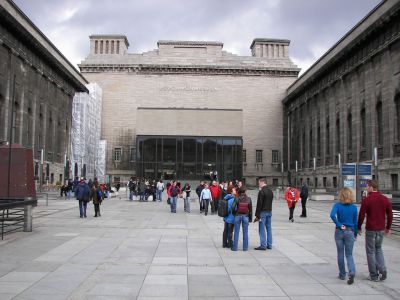
Famous for its skillful reconstruction of fragments from ancient civilizations, including its prized possession – the colossal Pergamon Zeus Altar dating back to the 2nd century BC, this museum proudly houses one of Europe's most comprehensive collections of antiquities, with many full-scale architectural marvels on display. While a massive expansion and renovation project is in the works, set to conclude by 2026, parts of the exhibition will remain accessible to the public throughout the transformation. Even so, it's an immense place, and conquering it all in a single visit is a heroic feat in itself!
The museum's riches are divided into three main thematic sections, with the crown jewel being the Classical Antiquities Collection: a deep dive into the Greco-Roman era, showcasing remarkable artifacts such as the entire Gate of Miletus and, of course, the aforementioned Pergamon Altar. There's also the Islamic Art Museum and the Ancient Near East Museum, where visitors can admire the facade of an 8th-century castle from present-day Jordan, the Ishtar Gate (a masterpiece worth the price of admission on its own), and the Babylonian Processional Way, accompanied by some of humanity's oldest written documents, exquisite paintings, ceramics, wonderful ancient carpets, and intricate window frames, among other gems.
The museum offers a plethora of other cool sights, special rooms, and fantastic photo opportunities that can captivate even those with a passing interest in antiquities. And if you're up for a jaw-dropping experience, make sure to visit the Pergamon Panorama, located in a separate building just a short 5-minute stroll away. The best part? It's included in your ticket price and offers a multi-level view of the astonishing Pergamon Altar that must be seen to be believed!
Tips:
Save yourself the hassle and purchase your tickets online, as with a designated time slot, you can skip the line. Plus, they offer free audio guides in various languages to expertly navigate you through the myriad of treasures inside.
The museum's riches are divided into three main thematic sections, with the crown jewel being the Classical Antiquities Collection: a deep dive into the Greco-Roman era, showcasing remarkable artifacts such as the entire Gate of Miletus and, of course, the aforementioned Pergamon Altar. There's also the Islamic Art Museum and the Ancient Near East Museum, where visitors can admire the facade of an 8th-century castle from present-day Jordan, the Ishtar Gate (a masterpiece worth the price of admission on its own), and the Babylonian Processional Way, accompanied by some of humanity's oldest written documents, exquisite paintings, ceramics, wonderful ancient carpets, and intricate window frames, among other gems.
The museum offers a plethora of other cool sights, special rooms, and fantastic photo opportunities that can captivate even those with a passing interest in antiquities. And if you're up for a jaw-dropping experience, make sure to visit the Pergamon Panorama, located in a separate building just a short 5-minute stroll away. The best part? It's included in your ticket price and offers a multi-level view of the astonishing Pergamon Altar that must be seen to be believed!
Tips:
Save yourself the hassle and purchase your tickets online, as with a designated time slot, you can skip the line. Plus, they offer free audio guides in various languages to expertly navigate you through the myriad of treasures inside.
3) Neues Museum (New Museum) (must see)
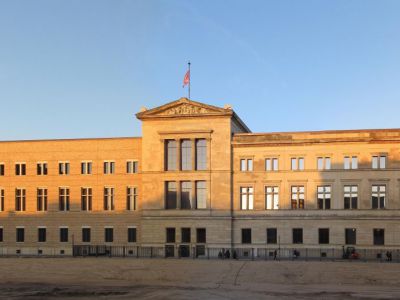
This delightful section of the Museum Island ensemble made its grand return in 2009 and is well worth an extensive exploration. Spread across four floors, it houses an unparalleled collection of Berlin's archaeological wonders, spanning the globe and various prehistoric epochs, as well as treasures from ancient cultures like the Greeks, Romans, Nubians, and most notably, ancient Egyptians.
Although pride of place here goes to the stunning bust of Egyptian queen Nefertiti – and you so need to see her gracefully sculpted head from every possible angle – there's a trove of other marvels waiting to be discovered. As you venture into the next room, you'll encounter one of the more intriguing displays, with precious papyrus scrolls appearing at the touch of a button. Also, be sure to peruse the information cards scattered throughout many rooms, detailing the current state of the artifacts in comparison to their pre-World War II condition. On this second floor, you'll also find additional Egyptian art, and on the first floor, a temple and a courtyard.
Take time to linger over the well-curated and well-explained Bronze and Iron Age exhibits, showcasing an array of weapons, tools, pottery, and other relics, along with the photos and diagrams of the excavations where they were unearthed. Among the most fascinating displays is the recently acquired Golden Hat, an enigmatic piece of Bronze Age ceremonial headgear, one of several found in Northern Europe (apparently, whoever held the power that accompanied it could predict eclipses and celestial phenomena). Other highlights include the astonishingly lifelike Berlin Green Head, mummies and sarcophagi, a magnificent collection from the ancient city of Troy, 19th-century wall paintings depicting scenes from Nordic mythology, and blue faience funerary objects shaped like animals.
Tips:
Arrive as early as possible to beat the crowds, and consider purchasing a Berlin Card or a three-day museum pass to make the most of your visit, as there is much to see. It's advisable to start this particular journey from the top and work your way down, either with the aid of an audio guide or as part of a guided tour.
Although pride of place here goes to the stunning bust of Egyptian queen Nefertiti – and you so need to see her gracefully sculpted head from every possible angle – there's a trove of other marvels waiting to be discovered. As you venture into the next room, you'll encounter one of the more intriguing displays, with precious papyrus scrolls appearing at the touch of a button. Also, be sure to peruse the information cards scattered throughout many rooms, detailing the current state of the artifacts in comparison to their pre-World War II condition. On this second floor, you'll also find additional Egyptian art, and on the first floor, a temple and a courtyard.
Take time to linger over the well-curated and well-explained Bronze and Iron Age exhibits, showcasing an array of weapons, tools, pottery, and other relics, along with the photos and diagrams of the excavations where they were unearthed. Among the most fascinating displays is the recently acquired Golden Hat, an enigmatic piece of Bronze Age ceremonial headgear, one of several found in Northern Europe (apparently, whoever held the power that accompanied it could predict eclipses and celestial phenomena). Other highlights include the astonishingly lifelike Berlin Green Head, mummies and sarcophagi, a magnificent collection from the ancient city of Troy, 19th-century wall paintings depicting scenes from Nordic mythology, and blue faience funerary objects shaped like animals.
Tips:
Arrive as early as possible to beat the crowds, and consider purchasing a Berlin Card or a three-day museum pass to make the most of your visit, as there is much to see. It's advisable to start this particular journey from the top and work your way down, either with the aid of an audio guide or as part of a guided tour.
4) Altes Museum (Old Museum)
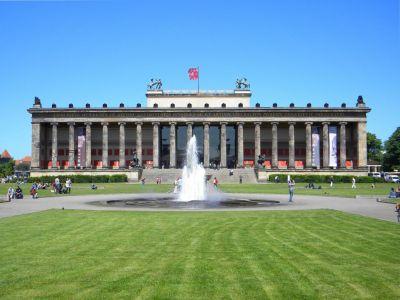
Constructed in 1830 to house the art collection of the Prussian Royal family, the Old Museum is widely regarded as the Neo-Classical masterpiece and one of the world's most stunning examples of its kind. Serving as Prussia's first museum purpose-built for such a role, its strategic location right by the riverside offers ample photo opportunities, with people often gathering on the front lawn for relaxation.
Given its status as a globally renowned museum of antiquities, expectations run high. These expectations are largely met, as the collection from archaic Greece is nothing short of impressive, featuring major masterpieces, exquisite vases, and well-crafted statues. Among the highlights are statues of Greek deities showcased in the central rotunda, as well as notable pieces like the bronze Praying Boy, the Berlin Goddess, and sculptures portraying athletes frozen in motion. The section dedicated to Greek colonies in southern Italy displays larger and more elaborate pottery compared to the vases and kraters of mainland Greece.
On the first floor, you'll find the Etruscan artifacts, primarily focusing on grave goods and reliefs – a nice glimpse into that mysterious civilization. However, the better part of this floor is the Roman section, particularly the intricately carved sarcophagi and grand statues. There’s also an extensive collection of portraits from the Imperial age, including busts of historical figures like Caesar and Cleopatra.
What sets the Altes Museum apart is the impeccable preservation of its collection, complemented by ample information on the pieces and the respective historical periods they represent.
Tip:
Keep an eye out for occasional temporary exhibits held on the second floor!
Given its status as a globally renowned museum of antiquities, expectations run high. These expectations are largely met, as the collection from archaic Greece is nothing short of impressive, featuring major masterpieces, exquisite vases, and well-crafted statues. Among the highlights are statues of Greek deities showcased in the central rotunda, as well as notable pieces like the bronze Praying Boy, the Berlin Goddess, and sculptures portraying athletes frozen in motion. The section dedicated to Greek colonies in southern Italy displays larger and more elaborate pottery compared to the vases and kraters of mainland Greece.
On the first floor, you'll find the Etruscan artifacts, primarily focusing on grave goods and reliefs – a nice glimpse into that mysterious civilization. However, the better part of this floor is the Roman section, particularly the intricately carved sarcophagi and grand statues. There’s also an extensive collection of portraits from the Imperial age, including busts of historical figures like Caesar and Cleopatra.
What sets the Altes Museum apart is the impeccable preservation of its collection, complemented by ample information on the pieces and the respective historical periods they represent.
Tip:
Keep an eye out for occasional temporary exhibits held on the second floor!

5) Alte Nationalgalerie (Old National Gallery)
The Old National Gallery houses a remarkable collection of paintings and sculptures spanning the 18th, 19th, and early-20th centuries, encompassing various artistic movements such as Neoclassicism, Romanticism, Biedermeier, Impressionism, and early Modernism. Nestled on Museum Island, a UNESCO World Heritage Site, this grand edifice, first unveiled in 1876, leaves a lasting impression with its palatial design, further accentuated by the equestrian statue of Friedrich Wilhelm IV at the main entrance.
A standout feature here is the German Romantic school, with an impressive array of works by Caspar David Friedrich, including the iconic "Monk by the Sea", alongside other significant pieces. What adds value to this collection is the inclusion of many lesser-known artists' (mostly small) paintings, collectively providing a comprehensive picture of the era.
For admirers of Impressionism, a central room on the ground floor showcases works by several prominent French painters, including pieces by Manet, Monet, Pissarro, and Renoir. There is, of course, German art in this genre as well, with a substantial representation of Max Liebermann. Beyond that, you'll encounter art that, if not world-class spectacular, certainly stands at a high level of quality.
Why You Should Visit:
Good navigation and the space is designed to be open and welcoming, allowing visitors to get up close to the artwork.
Tip:
Be sure to use the free headsets – they offer valuable insights into German painting and enhance your understanding of the collection.
A standout feature here is the German Romantic school, with an impressive array of works by Caspar David Friedrich, including the iconic "Monk by the Sea", alongside other significant pieces. What adds value to this collection is the inclusion of many lesser-known artists' (mostly small) paintings, collectively providing a comprehensive picture of the era.
For admirers of Impressionism, a central room on the ground floor showcases works by several prominent French painters, including pieces by Manet, Monet, Pissarro, and Renoir. There is, of course, German art in this genre as well, with a substantial representation of Max Liebermann. Beyond that, you'll encounter art that, if not world-class spectacular, certainly stands at a high level of quality.
Why You Should Visit:
Good navigation and the space is designed to be open and welcoming, allowing visitors to get up close to the artwork.
Tip:
Be sure to use the free headsets – they offer valuable insights into German painting and enhance your understanding of the collection.
6) DDR Museum
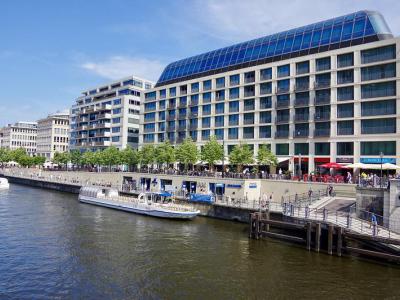
This small interactive museum offers a vivid portrayal of life in the former German Democratic Republic (DDR), commonly known as East Germany; an insight into the culture of a people living under strict communist rule, evoking a sense of nostalgia for a bygone way of life. Situated in the former government district of the DDR, along the banks of the River Spree, it lies opposite the Berlin Cathedral.
Dr. Stephan Wolle, the museum's director, established this institution to delve into the cultural aspects of the four decades of German communism, with the aim of dispelling stereotypes and clichés from the minds of its visitors. The exhibits are thoughtfully curated to objectively present facts while subjectively documenting personal experiences.
The permanent exhibition is divided into 16 sections, each focusing on a facet of life in East Germany, including housing, work, leisure, fashion, and culture (pay particular attention to DDR design in a "house" filled with authentic DDR items). Additionally, visitors can gain a real-time understanding of the pervasive surveillance by the infamous secret police (the Stasi), experience life in the typical prefabricated communist housing known as Plattenbau, and even take a virtual ride in the iconic Trabant – a primitive two-stroke engine car with a 16-year waiting list, which was the only car the average East German citizen could own.
Tips:
Consider combining with the Stasimuseum, located on the former grounds of the DDR Ministry for State Security, to gain a deeper understanding of the bizarre aspects of life in East Germany. For souvenir junkies, a stop at the nearby AMPELMANN store is a must!
Dr. Stephan Wolle, the museum's director, established this institution to delve into the cultural aspects of the four decades of German communism, with the aim of dispelling stereotypes and clichés from the minds of its visitors. The exhibits are thoughtfully curated to objectively present facts while subjectively documenting personal experiences.
The permanent exhibition is divided into 16 sections, each focusing on a facet of life in East Germany, including housing, work, leisure, fashion, and culture (pay particular attention to DDR design in a "house" filled with authentic DDR items). Additionally, visitors can gain a real-time understanding of the pervasive surveillance by the infamous secret police (the Stasi), experience life in the typical prefabricated communist housing known as Plattenbau, and even take a virtual ride in the iconic Trabant – a primitive two-stroke engine car with a 16-year waiting list, which was the only car the average East German citizen could own.
Tips:
Consider combining with the Stasimuseum, located on the former grounds of the DDR Ministry for State Security, to gain a deeper understanding of the bizarre aspects of life in East Germany. For souvenir junkies, a stop at the nearby AMPELMANN store is a must!
7) Berliner Dom (Berlin Cathedral) (must see)
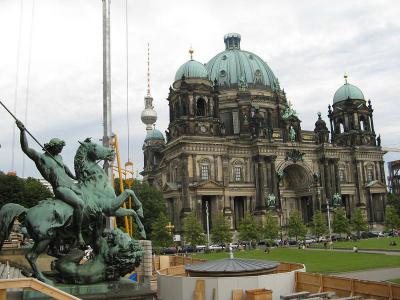
Despite its name, the Berlin Cathedral has never functioned as a true "cathedral" in the conventional sense because Berlin itself has never served as the seat of a Catholic bishop. The site has hosted a church since 1536, but the colossal Neo-Baroque iteration we see today dates back to 1905, earning its distinction as the largest 20th-century Protestant church in Germany. With dimensions of 114 meters in length, 73 in width, and a towering height of 116 meters, it dwarfed any previous structure in Berlin and was regarded as a Protestant counterpart to Saint Peter's Basilica in Vatican City. The entire construction cost of 11.5 million marks was covered by King Wilhelm II.
Until 1918, the royal Hohenzollerns worshipped within these grand walls, marking the end of that era when Wilhelm II abdicated and departed Berlin for Holland. Fast forward to the aftermath of the World War II chaos, and the massive dome found itself in dire need of a makeover, a task that didn't wrap up until 1982. Then, to put the cherry on top, the interior received its finishing touches in 1993, emerging as a true gem known for its magnificent organ, exceptional acoustics, priceless artworks, and transcendent ambiance.
Ascending to the dome provides a rewarding vista, and the journey is facilitated by a roomy stairwell, plenty of landings decked out with vintage snapshots and models, and even a few seating areas for those who like to take it easy. Meanwhile, down in the crypt, you'll find 94 sarcophagi of Prussian royals – it's like a history nerd's dream come true, and you can practically hear them whispering their secrets.
Tips:
Consider investing in the audio guide for a nominal fee, providing a wealth of fascinating information, or opt for a printed guide at a modest cost. During the summer, a generous open lawn with a fountain across the street offers an ideal setting for a picnic.
Until 1918, the royal Hohenzollerns worshipped within these grand walls, marking the end of that era when Wilhelm II abdicated and departed Berlin for Holland. Fast forward to the aftermath of the World War II chaos, and the massive dome found itself in dire need of a makeover, a task that didn't wrap up until 1982. Then, to put the cherry on top, the interior received its finishing touches in 1993, emerging as a true gem known for its magnificent organ, exceptional acoustics, priceless artworks, and transcendent ambiance.
Ascending to the dome provides a rewarding vista, and the journey is facilitated by a roomy stairwell, plenty of landings decked out with vintage snapshots and models, and even a few seating areas for those who like to take it easy. Meanwhile, down in the crypt, you'll find 94 sarcophagi of Prussian royals – it's like a history nerd's dream come true, and you can practically hear them whispering their secrets.
Tips:
Consider investing in the audio guide for a nominal fee, providing a wealth of fascinating information, or opt for a printed guide at a modest cost. During the summer, a generous open lawn with a fountain across the street offers an ideal setting for a picnic.
Walking Tours in Berlin, Germany

Create Your Own Walk in Berlin
Creating your own self-guided walk in Berlin is easy and fun. Choose the city attractions that you want to see and a walk route map will be created just for you. You can even set your hotel as the start point of the walk.

Third Reich Walking Tour
The “Third Reich” and “Nazi Germany” are the common English names for Germany between 1933 and 1945, when it was a totalitarian state led by Adolf Hitler and the National Socialist German Workers’ Party. For any visitor to Berlin, the Nazi surrender that ended World War II is still a point of interest, but matching locations to those moments of history can be a challenge. On this special... view more
Tour Duration: 2 Hour(s)
Travel Distance: 4.0 Km or 2.5 Miles
Tour Duration: 2 Hour(s)
Travel Distance: 4.0 Km or 2.5 Miles

Berlin Food Walking Tour
While Berlin may not be considered a typical foodie destination yet, recent years saw a growing number of decent places to eat, serving both German and international cuisine. At some point, the city has even earned itself the title of a vegetarian capital of the world, contrary to what one may have expected. Amid all this renaissance in creativity and culture, coupled with the influx of the... view more
Tour Duration: 1 Hour(s)
Travel Distance: 1.4 Km or 0.9 Miles
Tour Duration: 1 Hour(s)
Travel Distance: 1.4 Km or 0.9 Miles

Berlin Introduction Walking Tour
Known for its turbulent past, today's German capital is a global city for international affairs, creative industries, popular media and diverse cultural tourism. The first written records of settlements in the area of present-day Berlin date from the late 12th century, when the region came under German rule as part of the Margraviate of Brandenburg, founded by Albert the Bear in 1157. Berlin... view more
Tour Duration: 2 Hour(s)
Travel Distance: 4.0 Km or 2.5 Miles
Tour Duration: 2 Hour(s)
Travel Distance: 4.0 Km or 2.5 Miles

Tiergarten Walking Tour
Known for the huge park of the same name, which once was a royal hunting ground, the central district of Tiergarten (German for “Animal Garden”) is home to the Berlin Zoo, the Victory Column with its winged statue and the lively, lakeside Café am Neuen See.
Begin your exploration at Postdamer Platz, the historic central square of Berlin, once regarded in the same way as Piccadilly Circus... view more
Tour Duration: 2 Hour(s)
Travel Distance: 3.4 Km or 2.1 Miles
Begin your exploration at Postdamer Platz, the historic central square of Berlin, once regarded in the same way as Piccadilly Circus... view more
Tour Duration: 2 Hour(s)
Travel Distance: 3.4 Km or 2.1 Miles

Alexanderplatz Walking Tour
One of Berlin’s cosmopolitan hearts, Alexanderplatz (or Alexander Square) is a true hive of activity. There is always something going on here: Christmas markets, Easter fairs, buskers, performances, Oktoberfest, and the list is countless. Easily accessible, with lots of transport connections and all manner of drink and food outlets, it’s a great place to hang around, take photos, and enjoy... view more
Tour Duration: 1 Hour(s)
Travel Distance: 1.6 Km or 1 Miles
Tour Duration: 1 Hour(s)
Travel Distance: 1.6 Km or 1 Miles
Useful Travel Guides for Planning Your Trip

Best Cafes in Kreuzberg, Berlin
Traditionally, you may expect the cafes around Kottbusser Tor and throughout Kreuzberg to be dominated by ethnic Turks, particularly men, in rooms that do much to resemble the cafes of Istanbul.
More recently, however, the ethnically Turkish and Arab communities that have typically inhabited...

Berlin Mementos: 18 Souvenir Shopping Ideas for Travelers
Too many people and for very different reasons strove to set their foot in Berlin over the course of the 20th century. Today, the city proves just as luring a destination for numerous travelers who want to come and enjoy themselves in this fascinating European capital and, perhaps, bring home...

A Self-Guided Food Walk in Berlin
Repeatedly scarred throughout its long and often depressing past, today's Berlin has made a comeback as a major bohemian hub which lures artists and creatively-minded folk from all over the globe in their droves. It may well not be considered a typical foodie destination yet, but in recent...

Best Food in Kreuzberg, Berlin
Kreuzberg is known for having great cheap, street food, particularly of the Middle Eastern variety. On almost every corner you can find a kebab or falafel shop, although the trick is knowing which to choose! While you can typically get a good, tasty wrap for €2.50-4, the quality, quantity and...

Best Cafés and Coffee Houses of Berlin
Cafes have a certain refinery and elegance that pubs lack; there is a mellowness that is rarely found in bars and clubs, and an ease and tranquillity that is not to be found in restaurants with their steaming kitchens, heavy plates, clattering cutlery, constant complaints and corrections and,...

Best Bars in Kreuzberg, Berlin
Kreuzberg and "Kreuzkölln" - the area where Kreuzberg and Neukölln meet, mostly along the canal in east Kreuzberg and north of Sonnenallée in Neukölln - has a constantly and rapidly evolving bar culture that makes it one of the trendiest alternative evening and nightlife spots in...
The Most Popular Cities
/ view all