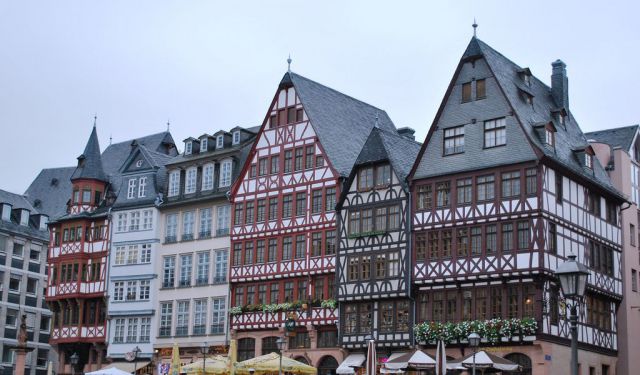


Audio Guide: Frankfurt's Old Town Walking Tour (Self Guided), Frankfurt
The German city of Frankfurt, also known as Frankfurt am Main, has a long and complex history, spanning more than a thousand years. The Romans established a military camp called "Nida" in the area that is now Frankfurt, on the northern bank of the River Main, in the 1st century AD.
The town itself was founded by the Franks, a Germanic tribe, in the 9th century. Its name comes from the Old High German "Franconofurd," which means "ford of the Franks" and refers to the shallow place on the river that the Franks used for crossing on foot.
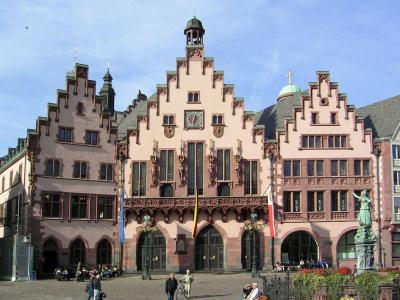
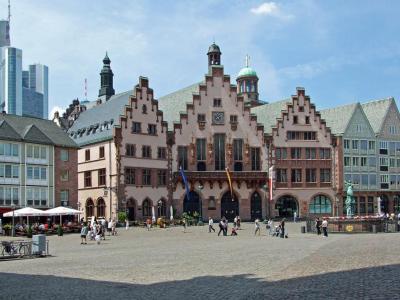
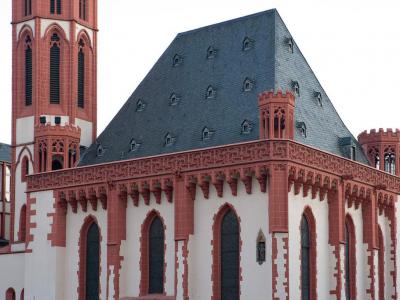
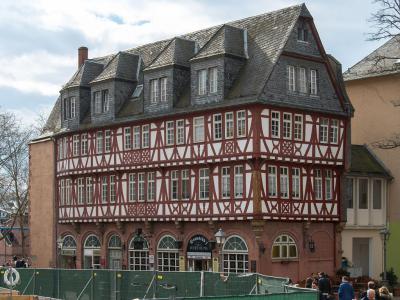
Frankfurt grew rapidly in the Middle Ages, becoming a free city-state and an important center for trade and commerce. It was granted a charter, in the 12th century, to hold its own markets and fairs. A remnant from the medieval period that is still in place is Römerberg, a public square and popular spot, home to the iconic Römer, Frankfurt's city hall.
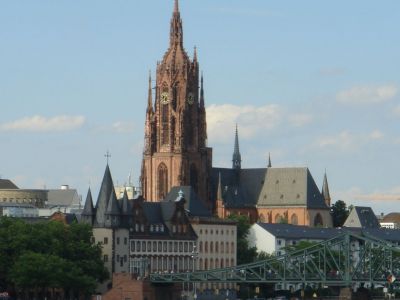
In the 16th century, the city had the world's first stock exchange established and the Frankfurt Cathedral (also known as Cathedral of St. Bartholomew) became a coronation site for all the kings and emperors of the Holy Roman Empire ever since.
A humorous proverb goes "All roads lead to Rome, but all alleys lead to Frankfurt." It probably harks back to the days of the Holy Roman Empire, reflecting the idea of Frankfurt being an important transportation hub, and its narrow, winding streets - an important part of the city's charm.
In the 16th and 17th centuries, Frankfurt was a center of the Reformation and the Enlightenment, and in the 18th century, enjoyed rich cultural and intellectual life. Johann Wolfgang von Goethe was born, lived, and worked here. His birthplace house is now a museum.
During World War II, Frankfurt was heavily bombed and suffered extensive damage, but was rebuilt after the war and has since become a thriving modern metropolis. The Main Tower, a 56-storey skyscraper, is a post-war addition to the landscape which offers a tremendous panorama of the city and the surrounding area from its observation deck.
“The real Frankfurt is hidden in the alleys of the Old Town,” they say, suggesting that the Old Town is the best place to experience the true spirit of Frankfurt and its history. You are welcome to put this proverb to a test and explore the many attractions of the Old Town of Frankfurt yourself on this self-guided walking tour.
The town itself was founded by the Franks, a Germanic tribe, in the 9th century. Its name comes from the Old High German "Franconofurd," which means "ford of the Franks" and refers to the shallow place on the river that the Franks used for crossing on foot.
Frankfurt grew rapidly in the Middle Ages, becoming a free city-state and an important center for trade and commerce. It was granted a charter, in the 12th century, to hold its own markets and fairs. A remnant from the medieval period that is still in place is Römerberg, a public square and popular spot, home to the iconic Römer, Frankfurt's city hall.
In the 16th century, the city had the world's first stock exchange established and the Frankfurt Cathedral (also known as Cathedral of St. Bartholomew) became a coronation site for all the kings and emperors of the Holy Roman Empire ever since.
A humorous proverb goes "All roads lead to Rome, but all alleys lead to Frankfurt." It probably harks back to the days of the Holy Roman Empire, reflecting the idea of Frankfurt being an important transportation hub, and its narrow, winding streets - an important part of the city's charm.
In the 16th and 17th centuries, Frankfurt was a center of the Reformation and the Enlightenment, and in the 18th century, enjoyed rich cultural and intellectual life. Johann Wolfgang von Goethe was born, lived, and worked here. His birthplace house is now a museum.
During World War II, Frankfurt was heavily bombed and suffered extensive damage, but was rebuilt after the war and has since become a thriving modern metropolis. The Main Tower, a 56-storey skyscraper, is a post-war addition to the landscape which offers a tremendous panorama of the city and the surrounding area from its observation deck.
“The real Frankfurt is hidden in the alleys of the Old Town,” they say, suggesting that the Old Town is the best place to experience the true spirit of Frankfurt and its history. You are welcome to put this proverb to a test and explore the many attractions of the Old Town of Frankfurt yourself on this self-guided walking tour.
How it works: Download the app "GPSmyCity: Walks in 1K+ Cities" from Apple App Store or Google Play Store to your mobile phone or tablet. The app turns your mobile device into a personal tour guide and its built-in GPS navigation functions guide you from one tour stop to next. The app works offline, so no data plan is needed when traveling abroad.
Download The GPSmyCity App



Frankfurt's Old Town Walking Tour Map
Guide Name: Frankfurt's Old Town Walking Tour
Guide Location: Germany » Frankfurt (See other walking tours in Frankfurt)
Guide Type: Self-guided Walking Tour (Sightseeing)
Tour Duration: 2 Hours
Travel Distance: 3.2 Km or 2 Miles
Tour Best Suited For: First-time visit
Guide Location: Germany » Frankfurt (See other walking tours in Frankfurt)
Guide Type: Self-guided Walking Tour (Sightseeing)
Tour Duration: 2 Hours
Travel Distance: 3.2 Km or 2 Miles
Tour Best Suited For: First-time visit
Sights Featured in This Walk
2) Römer (City Hall) (must see)
3) Römerberg (Square) (must see)

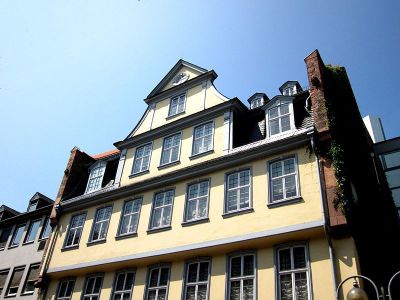
9) Goethe-Haus (must see)

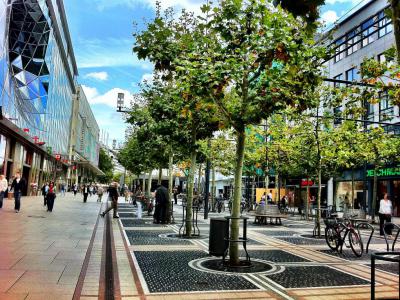
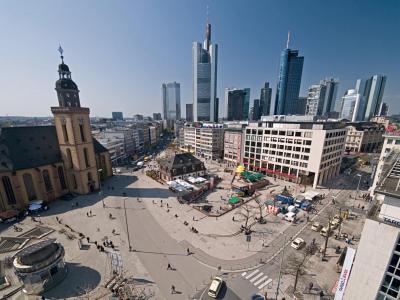
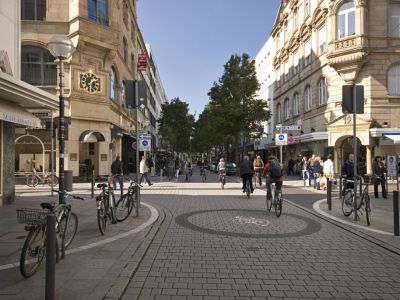
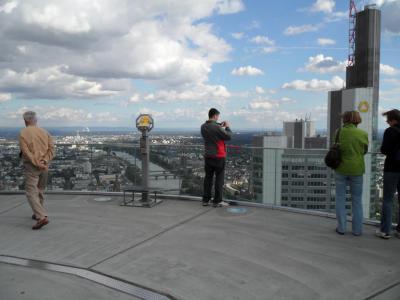
14) Main Tower (must see)
Walking Tours in Frankfurt, Germany

Create Your Own Walk in Frankfurt
Creating your own self-guided walk in Frankfurt is easy and fun. Choose the city attractions that you want to see and a walk route map will be created just for you. You can even set your hotel as the start point of the walk.
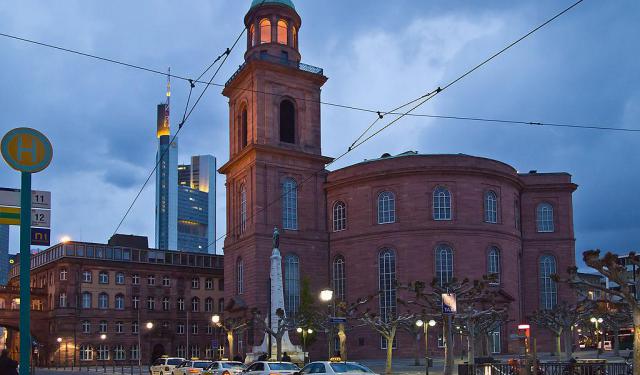
Historical Churches Walking Tour
Today Frankfurt is a predominantly secular city, but it still has a significant Christian presence.
The history of Christianity in Frankfurt dates back to the Middle Ages when, as a free city-state, it became an essential segment of the Holy Roman Empire. As the city grew, so did its Christian community. Several important churches appeared during that period, including the Old Nicholas Church... view more
Tour Duration: 1 Hour
Travel Distance: 2 Km or 1.2 Miles
The history of Christianity in Frankfurt dates back to the Middle Ages when, as a free city-state, it became an essential segment of the Holy Roman Empire. As the city grew, so did its Christian community. Several important churches appeared during that period, including the Old Nicholas Church... view more
Tour Duration: 1 Hour
Travel Distance: 2 Km or 1.2 Miles
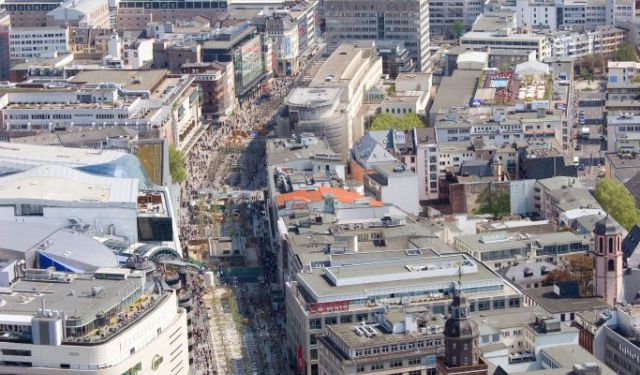
Shopping Streets
Frankfurt may well be an international business center in the first place, but not everything, by far, revolves here around finance. The city can also provide a top shopping experience for those seeking to invest in international and best German designer merchandise.
"Frankfurt is a shopping paradise - if you're a bird!" they say. This is a humorous way of saying that Frankfurt... view more
Tour Duration: 1 Hour
Travel Distance: 2.1 Km or 1.3 Miles
"Frankfurt is a shopping paradise - if you're a bird!" they say. This is a humorous way of saying that Frankfurt... view more
Tour Duration: 1 Hour
Travel Distance: 2.1 Km or 1.3 Miles
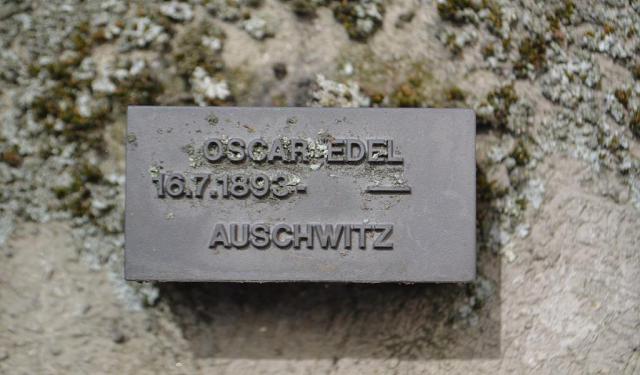
Jewish History Walking Tour
The history of Jews in Frankfurt dates back almost 900 years, which is more than in any other German city. Attesting to this fact alone is one of the oldest Jewish cemeteries in Europe, the Old Jewish Cemetery of Frankfurt, first recorded in the 12th century.
At some point, the city was even referred to as "Jerusalem of the West", highlighting its importance as a center of Jewish life... view more
Tour Duration: 1 Hour
Travel Distance: 2.4 Km or 1.5 Miles
At some point, the city was even referred to as "Jerusalem of the West", highlighting its importance as a center of Jewish life... view more
Tour Duration: 1 Hour
Travel Distance: 2.4 Km or 1.5 Miles
Useful Travel Guides for Planning Your Trip

Frankfurt's Best Authentic Restaurants
Frankfurt is a dynamic and popular city located right in the center of western Europe. More than 10,000 people move to Frankfurt every year; over the past decades, it has become a highly international city -- about half of all children born here had non-German parents. Being the main hub for the...
15 Distinctively German Things to Buy in Frankfurt
Home to the European currency (ECB) and namesake sausages, Frankfurt is undoubtedly one of, if not "the", most known destination in Germany. For this there are quite a few reasons. Listed here are some of the things behind those reasons, which now can be picked up as...
The Most Popular Cities
/ view all