

Audio Guide: Osaka Introduction Walking Tour (Self Guided), Osaka
Osaka is Japan’s third-largest city and the country’s second-largest metropolitan area-but its story starts long before population rankings mattered. Archaeology places people here more than 2,000 years ago, which means this isn’t a city that appeared overnight. It grew steadily, helped along by geography.
Sitting between Osaka Bay and the Yodo River, it was perfectly positioned to move goods between inland Japan and the Seto Inland Sea. Trade arrived early, stayed busy, and never really left. In ancient times, the area was known as Naniwa, and for a while it even hosted the imperial court-proof that Osaka has been important for far longer than its modern skyline suggests...
The name “Osaka” usually translates as “large hill” or “great slope,” referring to higher ground rising above what were once marshy lowlands. From around the third century, that solid ground drew people in: nobles, farmers, fishermen, artisans-anyone whose livelihood depended on access to water and movement. What followed was a city shaped less by armies and more by transactions.
By the Edo period (the early 1600s), Osaka had earned the nickname “the nation’s kitchen.” Rice flowed through its warehouses, prices were set here, and merchants-not samurai-set the tone. The result was a city known for practicality, tight-knit neighborhoods, and a no-nonsense approach to daily life.
Still, Osaka’s influence wasn’t limited to just economics. It also played a major role in shaping Japanese culture and architecture. Shrine styles, such as Sumiyoshi-zukuri, originated here before spreading elsewhere. Landmarks still carry these historical layers.
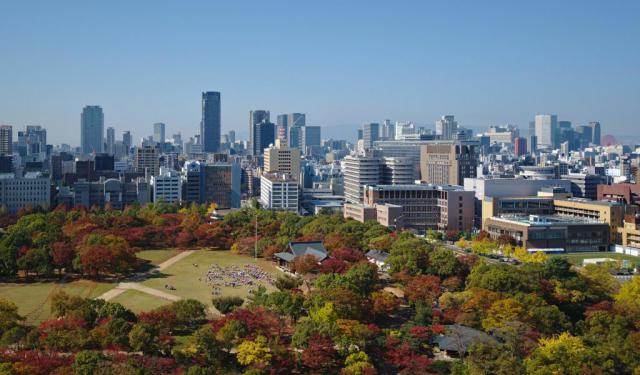
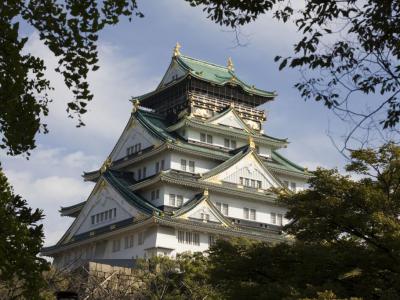
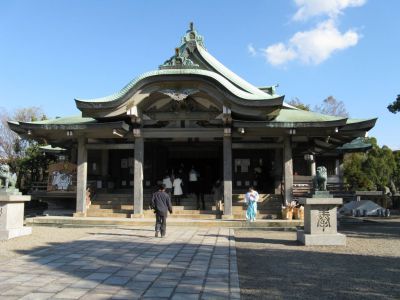
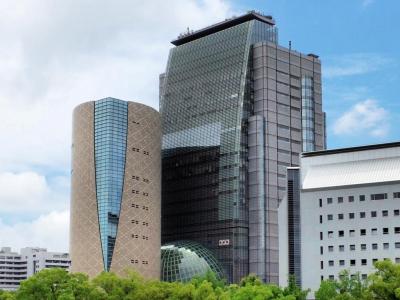
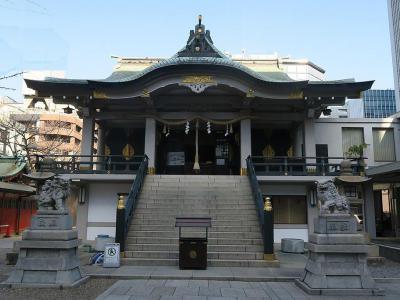
Osaka Castle, built in the late 16th century by Toyotomi Hideyoshi, remains the city’s most recognizable symbol of power and ambition. Nearby, Hokoku Shrine keeps Hideyoshi’s memory firmly in place. For a wider view, the Osaka Museum of History walks you through the city’s evolution, from ancient Naniwa to today’s dense urban landscape. Religious life continues quietly at places like Namba Shrine, surrounded by the steady hum of the modern city.
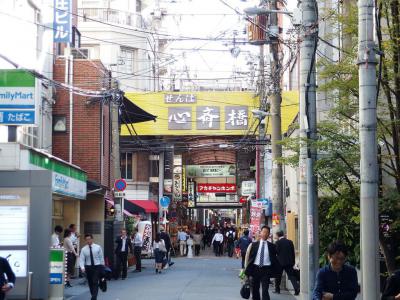
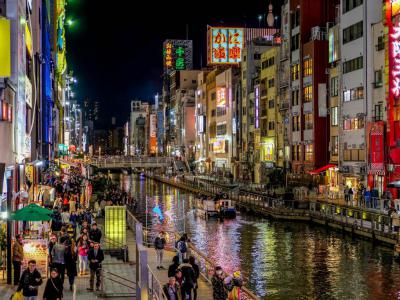
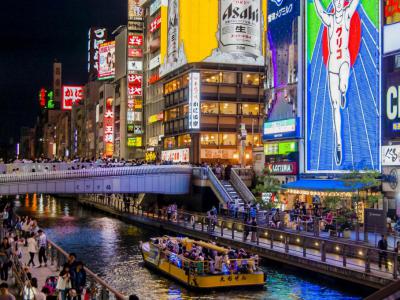
After World War II, Osaka rebuilt quickly and turned its focus toward industry and technology, becoming home to major global companies. Today, the city’s energy is felt most clearly at street level. Shinsaibashi Shopping Street carries on centuries of retail tradition, while Dotonbori leans into food, neon, and late nights, with Ebisu Bridge acting as its unofficial front row.
To really understand Osaka, don’t stand back-move through it. Walk the streets, follow short distances, and let old and new collide naturally. This is a city that explains itself as you go, in close encounters, one block at a time...
Sitting between Osaka Bay and the Yodo River, it was perfectly positioned to move goods between inland Japan and the Seto Inland Sea. Trade arrived early, stayed busy, and never really left. In ancient times, the area was known as Naniwa, and for a while it even hosted the imperial court-proof that Osaka has been important for far longer than its modern skyline suggests...
The name “Osaka” usually translates as “large hill” or “great slope,” referring to higher ground rising above what were once marshy lowlands. From around the third century, that solid ground drew people in: nobles, farmers, fishermen, artisans-anyone whose livelihood depended on access to water and movement. What followed was a city shaped less by armies and more by transactions.
By the Edo period (the early 1600s), Osaka had earned the nickname “the nation’s kitchen.” Rice flowed through its warehouses, prices were set here, and merchants-not samurai-set the tone. The result was a city known for practicality, tight-knit neighborhoods, and a no-nonsense approach to daily life.
Still, Osaka’s influence wasn’t limited to just economics. It also played a major role in shaping Japanese culture and architecture. Shrine styles, such as Sumiyoshi-zukuri, originated here before spreading elsewhere. Landmarks still carry these historical layers.
Osaka Castle, built in the late 16th century by Toyotomi Hideyoshi, remains the city’s most recognizable symbol of power and ambition. Nearby, Hokoku Shrine keeps Hideyoshi’s memory firmly in place. For a wider view, the Osaka Museum of History walks you through the city’s evolution, from ancient Naniwa to today’s dense urban landscape. Religious life continues quietly at places like Namba Shrine, surrounded by the steady hum of the modern city.
After World War II, Osaka rebuilt quickly and turned its focus toward industry and technology, becoming home to major global companies. Today, the city’s energy is felt most clearly at street level. Shinsaibashi Shopping Street carries on centuries of retail tradition, while Dotonbori leans into food, neon, and late nights, with Ebisu Bridge acting as its unofficial front row.
To really understand Osaka, don’t stand back-move through it. Walk the streets, follow short distances, and let old and new collide naturally. This is a city that explains itself as you go, in close encounters, one block at a time...
How it works: Download the app "GPSmyCity: Walks in 1K+ Cities" from Apple App Store or Google Play Store to your mobile phone or tablet. The app turns your mobile device into a personal tour guide and its built-in GPS navigation functions guide you from one tour stop to next. The app works offline, so no data plan is needed when traveling abroad.
Download The GPSmyCity App



Osaka Introduction Walking Tour Map
Guide Name: Osaka Introduction Walking Tour
Guide Location: Japan » Osaka (See other walking tours in Osaka)
Guide Type: Self-guided Walking Tour (Sightseeing)
Tour Duration: 2 Hour(s)
Travel Distance: 4.9 Km or 3 Miles
Guide Location: Japan » Osaka (See other walking tours in Osaka)
Guide Type: Self-guided Walking Tour (Sightseeing)
Tour Duration: 2 Hour(s)
Travel Distance: 4.9 Km or 3 Miles
Sights Featured in This Walk
1) Osaka Castle (must see)
Walking Tours in Osaka, Japan

Create Your Own Walk in Osaka
Creating your own self-guided walk in Osaka is easy and fun. Choose the city attractions that you want to see and a walk route map will be created just for you. You can even set your hotel as the start point of the walk.
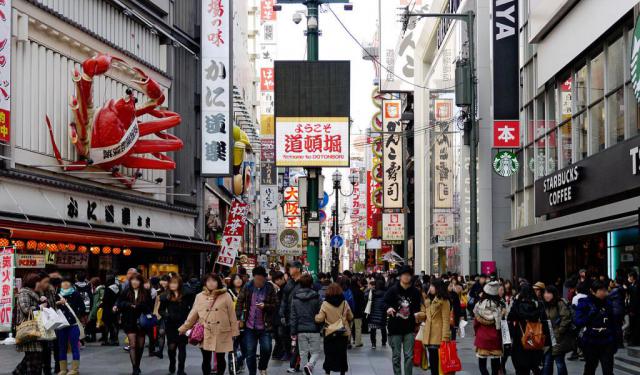
Osaka Shopping and Dining Walking Tour
As well as being an exciting Western-style city full of cool entertainment and cultural attractions, Osaka is a great place for shopping. The appealing range of shopping venues here includes covered arcades, malls, thoroughfares, and more. Let's take a closer look at some of these locations.
Shinsaibashi Shopping Street is a bustling retail district renowned for its upscale stores and... view more
Tour Duration: 1 Hour(s)
Travel Distance: 2.2 Km or 1.4 Miles
Shinsaibashi Shopping Street is a bustling retail district renowned for its upscale stores and... view more
Tour Duration: 1 Hour(s)
Travel Distance: 2.2 Km or 1.4 Miles
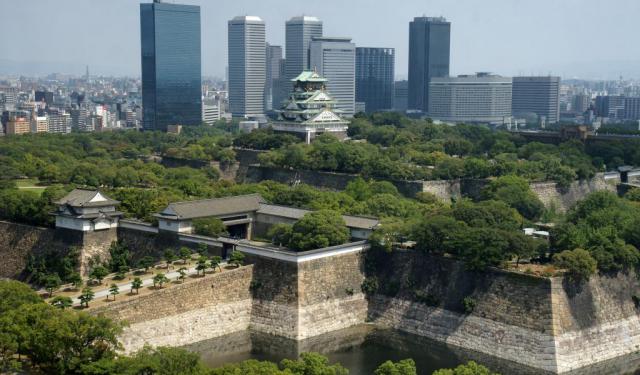
Osaka Castle Park Walking Tour
Osaka Castle Park looks, at first glance, like a generous patch of green dropped neatly into the middle of the city. Nearly two square kilometers of lawns, paths, and sports fields stretch along the south bank of the Okawa River, giving Osaka a place to breathe. But don’t let the joggers and picnic blankets fool you-this ground has been busy shaping history for more than five centuries.
Long... view more
Tour Duration: 1 Hour(s)
Travel Distance: 2.9 Km or 1.8 Miles
Long... view more
Tour Duration: 1 Hour(s)
Travel Distance: 2.9 Km or 1.8 Miles
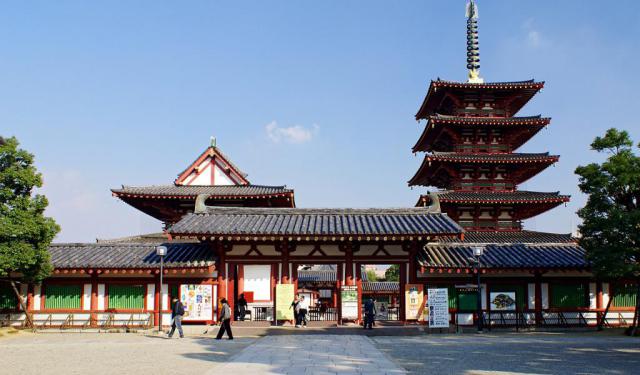
Tennoji Shrines and Temples Walking Tour
Osaka is Japan’s third largest city. It is therefore not at all surprising to find within its boundaries many religious sites. Tennoji, a district of Osaka steeped in cultural and historical significance, is particularly rich in terms of beautiful temples and shrines.
Ikukunitama Shrine, nestled amidst the city's clamor, is a dedication to the deity Ikukunitama-no-mikoto, offering... view more
Tour Duration: 2 Hour(s)
Travel Distance: 3.5 Km or 2.2 Miles
Ikukunitama Shrine, nestled amidst the city's clamor, is a dedication to the deity Ikukunitama-no-mikoto, offering... view more
Tour Duration: 2 Hour(s)
Travel Distance: 3.5 Km or 2.2 Miles
The Most Popular Cities
/ view all