

Statues and Sculptures Walk (Self Guided), Ottawa
As a cultural city, Ottawa abounds in monuments and statues of various sorts. In fact, there are so many of them that the locals, accustomed to their presence, jokingly claim they hardly notice them at all. Still, these artistic creations serve as visual storytellers, sharing tales of courage, peacekeeping, and commemoration.
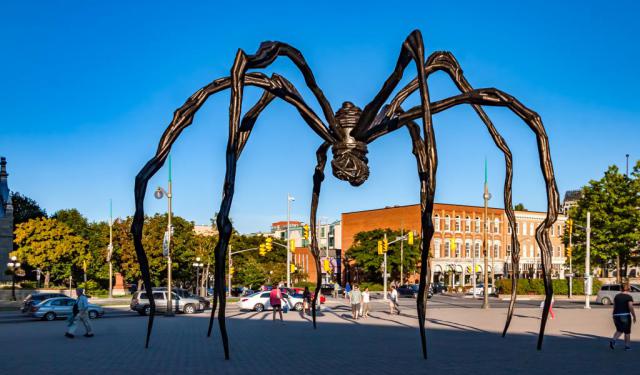
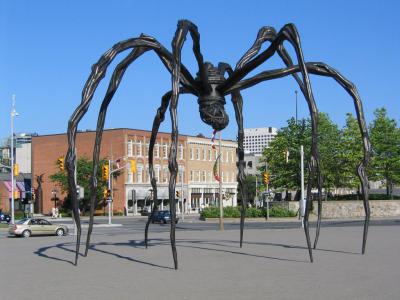
The Maman Statue, a prominent sculpture located outside the National Gallery of Canada, is a colossal bronze spider. Created by renowned artist Louise Bourgeois, it symbolizes the intricate and often complex nature of human relationships, both maternal and otherwise. Its imposing presence evokes intrigue and contemplation.
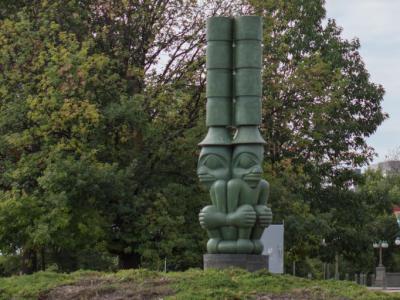
Nearby, you can encounter the Three Watchmen, a striking trio of bronze statues standing guard outside the National Gallery of Canada. These Indigenous figures, created by artist Noel Lloyd Pinay, serve as keepers of ancestral knowledge and cultural heritage, reminding us of the Indigenous peoples' enduring connection to the land.
Moving towards the heart of the city, the Peacekeeping Monument stands as a tribute to Canada's commitment to global peacekeeping efforts. Its depiction of a peacekeeper, cast in bronze, reflects Canada's dedication to conflict resolution and humanitarian missions around the world.
On a lighter note, the Dancing Bear Sculpture in Confederation Park captures the spirit of whimsy and playfulness. This charming bronze bear, frozen mid-dance, invites visitors to celebrate the joy of life and the importance of leisure.
The Valiants Memorial, located near Parliament Hill, pays homage to Canada's military heroes. This collection of statues immortalizes key figures from Canadian military history, underscoring the nation's dedication to defending freedom and justice.
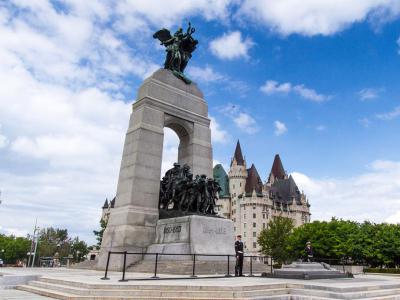
Perhaps the most solemn and revered of Ottawa's monuments is the National War Memorial, an iconic cenotaph situated in Confederation Square. It stands as a somber tribute to the Canadian soldiers who sacrificed their lives in the service of their country during various conflicts.
Lastly, the War of 1812 Monument, near Parliament Hill, commemorates a pivotal moment in Canadian history. This striking artwork features bronze figures and evocative symbols, representing the struggles and triumphs of that era.
As the city's guest, you may certainly want to embark on a hunt for the soul of Ottawa and explore its diverse collection of statues and sculptures. As you do so, take a moment to reflect on the stories they tell and the values they represent. These artistic expressions will deepen your understanding of Canada's eventful past and help you connect with the colorful present of the country's capital.
The Maman Statue, a prominent sculpture located outside the National Gallery of Canada, is a colossal bronze spider. Created by renowned artist Louise Bourgeois, it symbolizes the intricate and often complex nature of human relationships, both maternal and otherwise. Its imposing presence evokes intrigue and contemplation.
Nearby, you can encounter the Three Watchmen, a striking trio of bronze statues standing guard outside the National Gallery of Canada. These Indigenous figures, created by artist Noel Lloyd Pinay, serve as keepers of ancestral knowledge and cultural heritage, reminding us of the Indigenous peoples' enduring connection to the land.
Moving towards the heart of the city, the Peacekeeping Monument stands as a tribute to Canada's commitment to global peacekeeping efforts. Its depiction of a peacekeeper, cast in bronze, reflects Canada's dedication to conflict resolution and humanitarian missions around the world.
On a lighter note, the Dancing Bear Sculpture in Confederation Park captures the spirit of whimsy and playfulness. This charming bronze bear, frozen mid-dance, invites visitors to celebrate the joy of life and the importance of leisure.
The Valiants Memorial, located near Parliament Hill, pays homage to Canada's military heroes. This collection of statues immortalizes key figures from Canadian military history, underscoring the nation's dedication to defending freedom and justice.
Perhaps the most solemn and revered of Ottawa's monuments is the National War Memorial, an iconic cenotaph situated in Confederation Square. It stands as a somber tribute to the Canadian soldiers who sacrificed their lives in the service of their country during various conflicts.
Lastly, the War of 1812 Monument, near Parliament Hill, commemorates a pivotal moment in Canadian history. This striking artwork features bronze figures and evocative symbols, representing the struggles and triumphs of that era.
As the city's guest, you may certainly want to embark on a hunt for the soul of Ottawa and explore its diverse collection of statues and sculptures. As you do so, take a moment to reflect on the stories they tell and the values they represent. These artistic expressions will deepen your understanding of Canada's eventful past and help you connect with the colorful present of the country's capital.
How it works: Download the app "GPSmyCity: Walks in 1K+ Cities" from Apple App Store or Google Play Store to your mobile phone or tablet. The app turns your mobile device into a personal tour guide and its built-in GPS navigation functions guide you from one tour stop to next. The app works offline, so no data plan is needed when traveling abroad.
Download The GPSmyCity App



Statues and Sculptures Walk Map
Guide Name: Statues and Sculptures Walk
Guide Location: Canada » Ottawa (See other walking tours in Ottawa)
Guide Type: Self-guided Walking Tour (Sightseeing)
Tour Duration: 1 Hour(s)
Travel Distance: 1.4 Km or 0.9 Miles
Guide Location: Canada » Ottawa (See other walking tours in Ottawa)
Guide Type: Self-guided Walking Tour (Sightseeing)
Tour Duration: 1 Hour(s)
Travel Distance: 1.4 Km or 0.9 Miles
Sights Featured in This Walk



Walking Tours in Ottawa, Canada

Create Your Own Walk in Ottawa
Creating your own self-guided walk in Ottawa is easy and fun. Choose the city attractions that you want to see and a walk route map will be created just for you. You can even set your hotel as the start point of the walk.
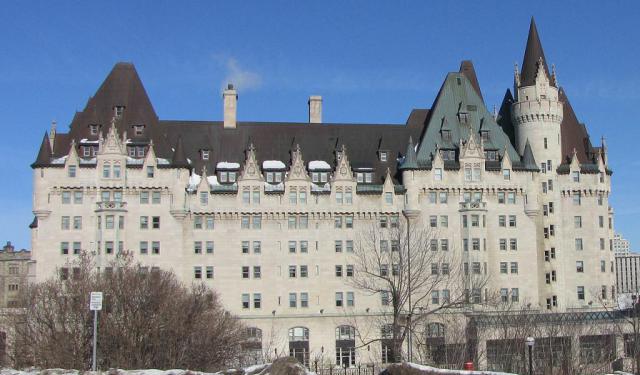
Historical Buildings Walking Tour
The architecture of Ottawa – formalistic and functional, for the most part – is marked by the city's role as the national capital of Canada. As such, it represents a mix of styles, varying considerably based on the era of construction of any particular object, and reflects the nation's heritage and political significance.
Centermost among these structures is the Parliament... view more
Tour Duration: 1 Hour(s)
Travel Distance: 1.9 Km or 1.2 Miles
Centermost among these structures is the Parliament... view more
Tour Duration: 1 Hour(s)
Travel Distance: 1.9 Km or 1.2 Miles
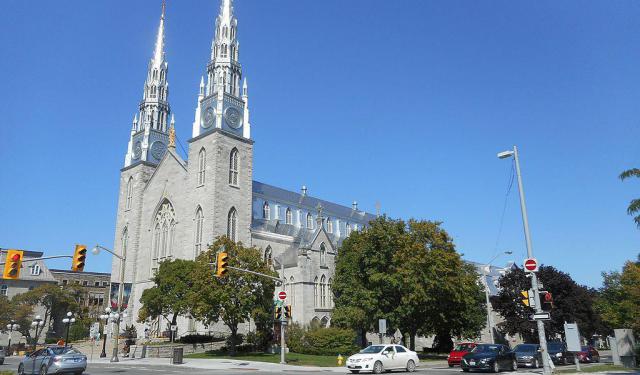
Ottawa's Historical Churches Walking Tour
The city of Ottawa has a number of notable religious sites fit to spark interest in both ardent believers and those keen on ecclesiastical architecture. With most of the churches located in the downtown area or nearby, one can visit these locations without trouble.
The Notre Dame Cathedral Basilica, a splendid Gothic Revival masterpiece, is a centerpiece of Ottawa's spiritual landscape.... view more
Tour Duration: 2 Hour(s)
Travel Distance: 3.2 Km or 2 Miles
The Notre Dame Cathedral Basilica, a splendid Gothic Revival masterpiece, is a centerpiece of Ottawa's spiritual landscape.... view more
Tour Duration: 2 Hour(s)
Travel Distance: 3.2 Km or 2 Miles
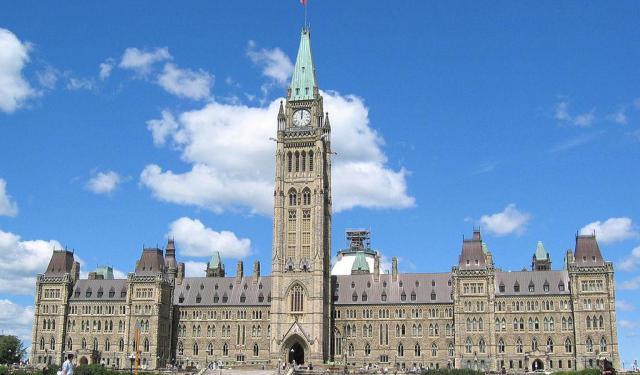
Ottawa Introduction Walking Tour
Perched on the banks of the Ottawa River, the Canadian capital has story that began long before Parliament’s iconic Gothic towers pierced the skyline. For thousands of years, this land was home to the Algonquin Anishinaabe people, whose traditional territory stretched along the river’s length. The word “Ottawa” itself comes from adawe, meaning “to trade,” a nod to the waterway’s... view more
Tour Duration: 2 Hour(s)
Travel Distance: 2.8 Km or 1.7 Miles
Tour Duration: 2 Hour(s)
Travel Distance: 2.8 Km or 1.7 Miles
The Most Popular Cities
/ view all