

Audio Guide: Le Marais Walking Tour (Self Guided), Paris
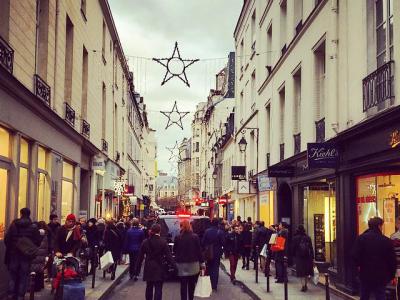
Once a bourgeois area and still a major center of the Paris Jewish community, the Le Marais district is one of the hippest neighborhoods in the city. Boasting a wealth of narrow medieval streets, unique boutiques, and quirky establishments, it represents an eclectic blend of historical sites and the bustling energy of today.
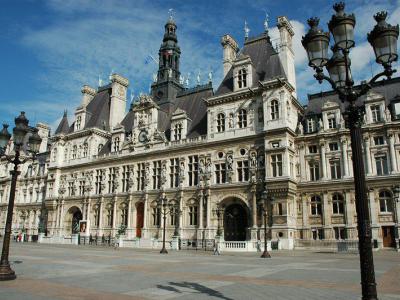
Start your acquaintance with the area at Paris's City Hall – a rather ostentatious seat of the municipal government and a beacon of architectural grandeur since the Renaissance period. Pay particular attention to announcements for art & history exhibits, because they are excellent and free.
Further along the way, the Hotel de Sens, one of the few medieval residences left in the capital, is right out in the open for you to see. Beautifully restored, this building with the garden in front, turrets, and formidable stone walls, transports visitors back to the Middle Ages. Look out for the cannonball embedded in its eastern wall – one of Paris's quirky oddities from the French Revolution.
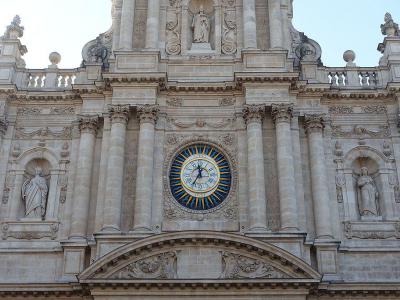
Another gem is Saint Paul's and Saint Louis's Church, showcasing the Jesuit style's influence on the Paris religious architecture with its ornate façade and rich interior.
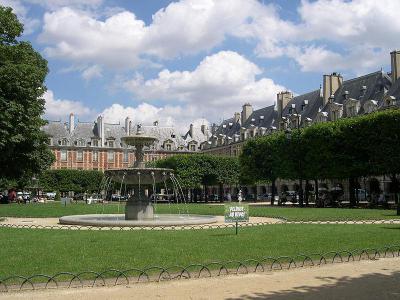
A must-visit location is Vosges Square, the oldest planned and arguably most beautiful square in the city, whose lawns and greenery complement the red brick facades and symmetrical design that have long captivated the eyes of the beholders. Being here, don't forget Victor Hugo, whose house museum stands on the corner and pays homage to one of France’s literary giants, housing an extensive collection of his personal belongings and writings.
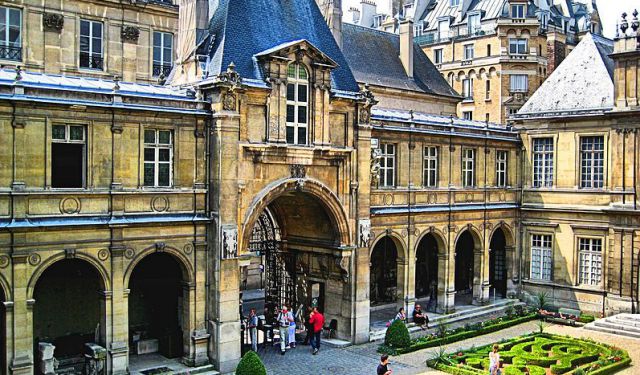
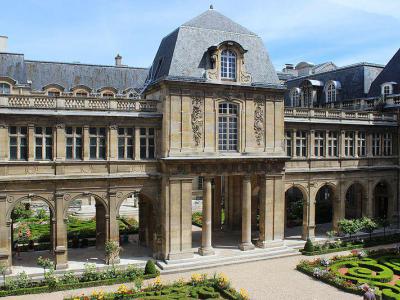
Perpetually busy Bourgeoisie Franks Street, known for its chic boutiques and vibrant atmosphere, is ideal for those looking to delve into Parisian fashion and lifestyle. Meanwhile, the Carnavalet Museum offers a deep dive into the history of Paris itself, narrating the city's evolution from ancient times to the present day.
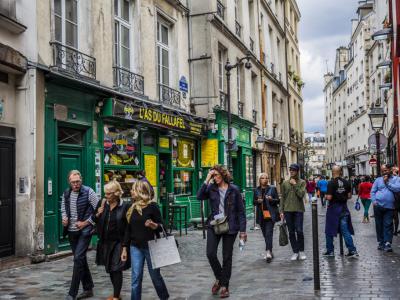
Also good for shopping and a taste of Jewish culture is Rosebushes Street, lined with traditional Jewish bakeries, delis, and boutiques.
To truly experience the essence of Paris, a stroll through Le Marais is indispensable. Anyone who is a history buff, a shopping enthusiast, or simply in search of Paris's storied past and dynamic present, Le Marais awaits with open arms. Follow this self-guided walk to explore its streets, discover its secrets, and let yourself be charmed by a district that epitomizes the heart and soul of Paris!
Start your acquaintance with the area at Paris's City Hall – a rather ostentatious seat of the municipal government and a beacon of architectural grandeur since the Renaissance period. Pay particular attention to announcements for art & history exhibits, because they are excellent and free.
Further along the way, the Hotel de Sens, one of the few medieval residences left in the capital, is right out in the open for you to see. Beautifully restored, this building with the garden in front, turrets, and formidable stone walls, transports visitors back to the Middle Ages. Look out for the cannonball embedded in its eastern wall – one of Paris's quirky oddities from the French Revolution.
Another gem is Saint Paul's and Saint Louis's Church, showcasing the Jesuit style's influence on the Paris religious architecture with its ornate façade and rich interior.
A must-visit location is Vosges Square, the oldest planned and arguably most beautiful square in the city, whose lawns and greenery complement the red brick facades and symmetrical design that have long captivated the eyes of the beholders. Being here, don't forget Victor Hugo, whose house museum stands on the corner and pays homage to one of France’s literary giants, housing an extensive collection of his personal belongings and writings.
Perpetually busy Bourgeoisie Franks Street, known for its chic boutiques and vibrant atmosphere, is ideal for those looking to delve into Parisian fashion and lifestyle. Meanwhile, the Carnavalet Museum offers a deep dive into the history of Paris itself, narrating the city's evolution from ancient times to the present day.
Also good for shopping and a taste of Jewish culture is Rosebushes Street, lined with traditional Jewish bakeries, delis, and boutiques.
To truly experience the essence of Paris, a stroll through Le Marais is indispensable. Anyone who is a history buff, a shopping enthusiast, or simply in search of Paris's storied past and dynamic present, Le Marais awaits with open arms. Follow this self-guided walk to explore its streets, discover its secrets, and let yourself be charmed by a district that epitomizes the heart and soul of Paris!
How it works: Download the app "GPSmyCity: Walks in 1K+ Cities" from Apple App Store or Google Play Store to your mobile phone or tablet. The app turns your mobile device into a personal tour guide and its built-in GPS navigation functions guide you from one tour stop to next. The app works offline, so no data plan is needed when traveling abroad.
Download The GPSmyCity App



Le Marais Walking Tour Map
Guide Name: Le Marais Walking Tour
Guide Location: France » Paris (See other walking tours in Paris)
Guide Type: Self-guided Walking Tour (Sightseeing)
Tour Duration: 1 Hour(s)
Travel Distance: 2.4 Km or 1.5 Miles
Guide Location: France » Paris (See other walking tours in Paris)
Guide Type: Self-guided Walking Tour (Sightseeing)
Tour Duration: 1 Hour(s)
Travel Distance: 2.4 Km or 1.5 Miles
Sights Featured in This Walk


Walking Tours in Paris, France

Create Your Own Walk in Paris
Creating your own self-guided walk in Paris is easy and fun. Choose the city attractions that you want to see and a walk route map will be created just for you. You can even set your hotel as the start point of the walk.

Montmartre Walking Tour
Originally known as "Mons Martis" or the "Mount of Mars," Montmartre is a renowned Parisian neighborhood, celebrated for its historical and cultural significance. This picturesque district is a canvas of landmarks, each narrating a unique story.
Apart from its iconic sites, the area's charm lies in the atmosphere that embodies the Parisian spirit. Historically,... view more
Tour Duration: 2 Hour(s)
Travel Distance: 2.7 Km or 1.7 Miles
Apart from its iconic sites, the area's charm lies in the atmosphere that embodies the Parisian spirit. Historically,... view more
Tour Duration: 2 Hour(s)
Travel Distance: 2.7 Km or 1.7 Miles

Paris Introduction Walking Tour II
As you continue your acquaintance with Paris driven by its timeless allure, the city's heart reveals itself with an array of places capturing its profound history and artistic legacy. The evolution of Paris is visible on the banks of the river Seine, the linking thread winding its way through the capital as if keeping a watchful eye on its architectural marvels.
The second part of our... view more
Tour Duration: 2 Hour(s)
Travel Distance: 4.4 Km or 2.7 Miles
The second part of our... view more
Tour Duration: 2 Hour(s)
Travel Distance: 4.4 Km or 2.7 Miles
Champs-Elysees Walking Tour
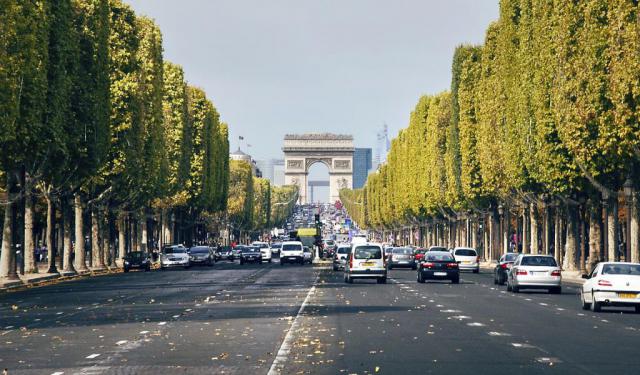
On this self-guided walk you will witness the grandeur of the 8th arrondissement of the French capital – one of its busiest and chic neighborhoods, thanks to the presence of Avenue des Champs-Elysées, Arc de Triomphe, and Place de la Concorde.
Your best plan would be to start with the Triumphal Arch and walk up to its viewing area for great sights down the Champs-Élysées – a lovely... view more
Tour Duration: 2 Hour(s)
Travel Distance: 4.7 Km or 2.9 Miles
Your best plan would be to start with the Triumphal Arch and walk up to its viewing area for great sights down the Champs-Élysées – a lovely... view more
Tour Duration: 2 Hour(s)
Travel Distance: 4.7 Km or 2.9 Miles
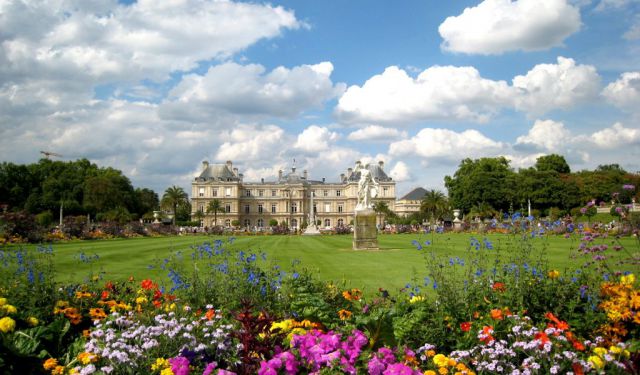
St-Germain-des-Pres Walking Tour
This self-guided walk takes you to explore the 6th arrondissement, covering the quarter of St-Germain-des-Prés, the riverside districts and the areas nearby the Luxembourg Garden. It is one of the most expensive districts of Paris, home to posh boutiques, eateries and iconic cafes once favored by philosophers and legendary writers, the likes of Hemingway and Camus. The area is likewise renowned... view more
Tour Duration: 2 Hour(s)
Travel Distance: 2.8 Km or 1.7 Miles
Tour Duration: 2 Hour(s)
Travel Distance: 2.8 Km or 1.7 Miles
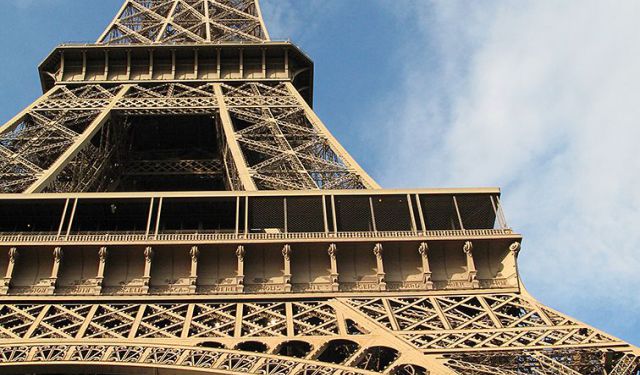
Eiffel Tower Walking Tour
The 7th administrative district of Paris, a beacon of affluence and prestige, hosts an elite residential community and numerous national institutions of France, government offices, and diplomatic missions. This historical neighborhood is famed for its quintessentially Parisian architecture, vibrant cafés, restaurants, and gourmet shops that attract food enthusiasts from around the world.
... view more
Tour Duration: 2 Hour(s)
Travel Distance: 4.6 Km or 2.9 Miles
... view more
Tour Duration: 2 Hour(s)
Travel Distance: 4.6 Km or 2.9 Miles

Souvenirs Shopping Walk
Being one of the world's premier shopping destinations, the French capital attracts thousands of shopaholics every year. Even those who hate shopping, enjoy doing it here. Renowned for its luxury and sophistication, Paris is a great place for finding unique and elegant souvenirs to cherish. Here are some must-visit places for souvenir shopping in the City of Light.
Lafayette Galleries... view more
Tour Duration: 2 Hour(s)
Travel Distance: 5.0 Km or 3.1 Miles
Lafayette Galleries... view more
Tour Duration: 2 Hour(s)
Travel Distance: 5.0 Km or 3.1 Miles
Useful Travel Guides for Planning Your Trip
10 Unusual Things to Do in Paris, France
If you've visited Paris, you've probably seen the Eiffel Tower, Notre Dame, and Versailles. You probably whizzed through some world-class art, ate delicious food in restaurants with English menus, and bought crepes from a street cart. However, Paris has a lot of things to do that...

Top 16 Vegetarian Restaurants in Paris
The French have great respect for the fresh, organic produce yet France isn’t famous for its vegetarian cooking. Hence it’s a good idea for vegetarian visitors to Paris to come prepared in advance. This guide shows you places around the city which serve vegetarian food, complete with the...
8 Best Food Markets in Paris for Authentic French Produce
The image of Parisians that you may have in your head as strolling through a colourful market with a basket on their arm, chatting to vendors and picking up fresh produce, is quite accurate. Most Parisians do visit local markets at least once a week to stock up on the freshest fruit, vegetables,...

14 Places for Tasting Best French Desserts in Paris
If you have a sweet tooth and it wishes to "eat your way" through Paris, this guide will show you how! Featured here are some of the most famous and prominent dessert spots in the French capital, where you can grab something sweet to enjoy. With 20 listed recommendations, you should be...
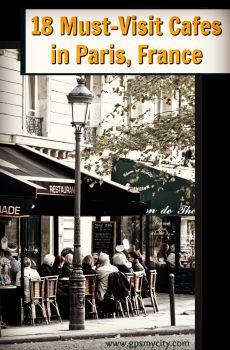
13 Must-Visit Cafes in Paris, France
Paris is home to thousands of cafes; there is a café on practically every street corner you turn, in every square you stumble across, on every boulevard you stroll along. The age-old Parisian tradition of sitting around at rickety tables and shooting back espressos is a fundamental part of everyday...
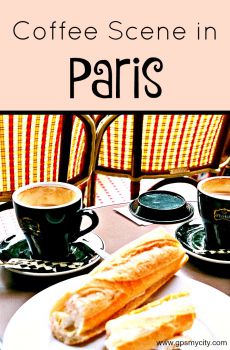
8 Must Try Cafes in Paris
Discovering the best coffee and cafes in Paris can be difficult. The city is filled to the brim with brasseries and cafes, but very few offer the Anglophone standard of a good cup of coffee. This is a guide to inform tourists and Parisians alike of the new and somewhat established cafes in Paris...
The Most Popular Cities
/ view all