

Hiroshima Peace Memorial Tour (Self Guided), Hiroshima
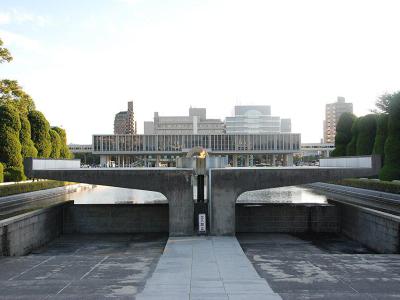
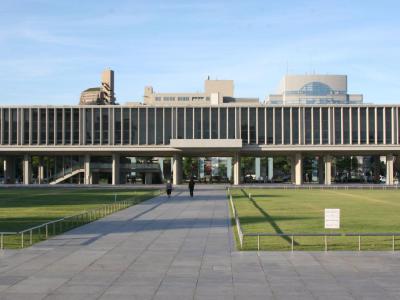
Hiroshima Peace Memorial Park stands as a solemn testament to one of the darkest chapters in human history. This park is a haunting reminder of the catastrophic impact of nuclear warfare during World War II. Its grounds, marked by heart-wrenching attractions, bear witness to the immense suffering and loss that occurred on August 6, 1945.
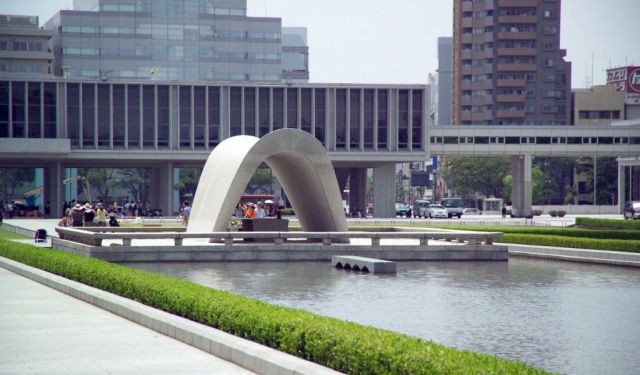
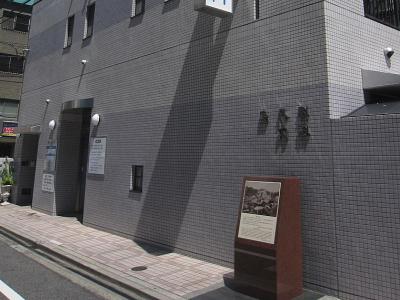
Within this place of sorrow, the attractions etch the memories of that fateful day. The foremost of them, Ground Zero, is a chilling marker that designates the exact point where the atomic bomb's detonation unleashed unprecedented destruction.
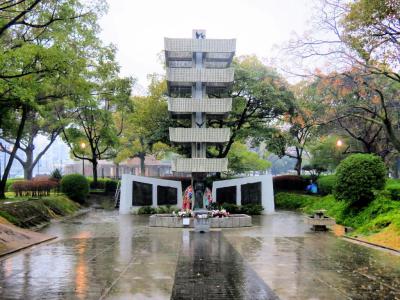
Memorial Tower to the Mobilized Students pays tribute to the young souls who were coerced into wartime labor and met a tragic fate, forever bound to a war of not their choosing.
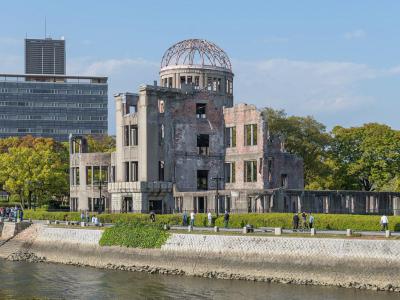
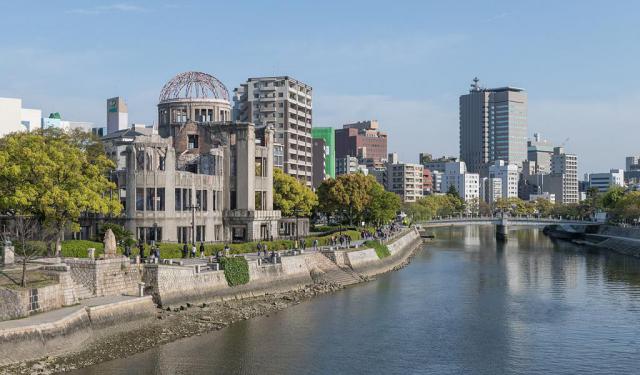
The iconic Atomic Bomb Dome is what remains of the Hiroshima Prefectural Industrial Promotion Hall. Its eerie silhouette has been preserved in a ravaged state as an indelible sign of resilience among ruins.
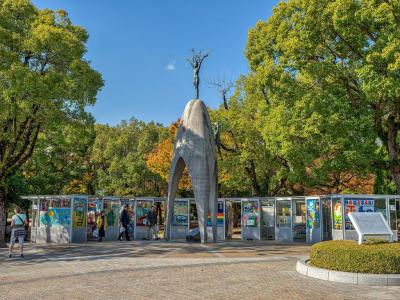
Amidst the shadows, a statue of a young girl named Sadako Sasaki clings to a paper crane, symbolizing yearning for a world without suffering. Known as the Children's Peace Monument, this is a touching tribute to the innocent lives forever altered.
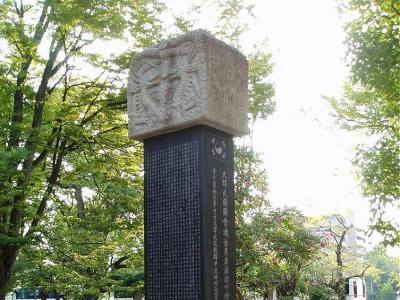
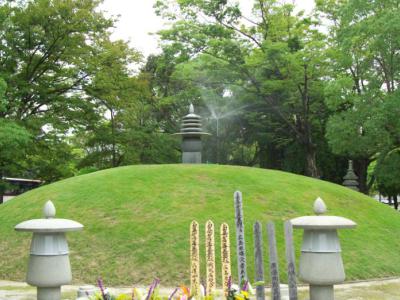
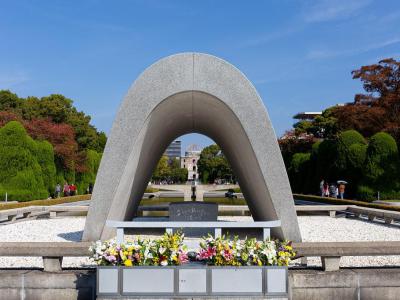
A silent acknowledgment of the countless lives lost in the engulfing inferno, regardless of nationality, is the Cenotaph for Korean Victims. Beneath the Atomic Bomb Memorial Burial Mound rest the remains of nameless souls. Their stories are lost, but they found solace in this hallowed ground.
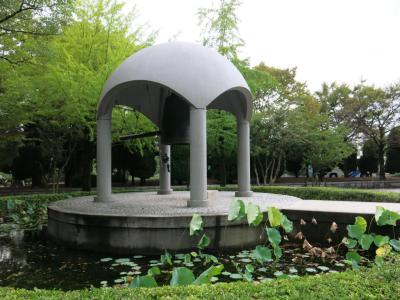
Echoes of grief resound through the Peace Bells rung by visitors to the park, while the flickering Flame of Peace stands as a fragile beacon of hope.
Hiroshima Peace Memorial Park serves as an enduring tribute to the unfathomable suffering that transpired within its boundaries, a place of somber reflection where history's wounds are both remembered and healed. As we contemplate the past, let us also heed the call to action it presents - an urgent reminder to work tirelessly for a world that renounces the destructive power of nuclear weapons and embraces the path of dialogue, cooperation, and lasting peace.
Within this place of sorrow, the attractions etch the memories of that fateful day. The foremost of them, Ground Zero, is a chilling marker that designates the exact point where the atomic bomb's detonation unleashed unprecedented destruction.
Memorial Tower to the Mobilized Students pays tribute to the young souls who were coerced into wartime labor and met a tragic fate, forever bound to a war of not their choosing.
The iconic Atomic Bomb Dome is what remains of the Hiroshima Prefectural Industrial Promotion Hall. Its eerie silhouette has been preserved in a ravaged state as an indelible sign of resilience among ruins.
Amidst the shadows, a statue of a young girl named Sadako Sasaki clings to a paper crane, symbolizing yearning for a world without suffering. Known as the Children's Peace Monument, this is a touching tribute to the innocent lives forever altered.
A silent acknowledgment of the countless lives lost in the engulfing inferno, regardless of nationality, is the Cenotaph for Korean Victims. Beneath the Atomic Bomb Memorial Burial Mound rest the remains of nameless souls. Their stories are lost, but they found solace in this hallowed ground.
Echoes of grief resound through the Peace Bells rung by visitors to the park, while the flickering Flame of Peace stands as a fragile beacon of hope.
Hiroshima Peace Memorial Park serves as an enduring tribute to the unfathomable suffering that transpired within its boundaries, a place of somber reflection where history's wounds are both remembered and healed. As we contemplate the past, let us also heed the call to action it presents - an urgent reminder to work tirelessly for a world that renounces the destructive power of nuclear weapons and embraces the path of dialogue, cooperation, and lasting peace.
How it works: Download the app "GPSmyCity: Walks in 1K+ Cities" from Apple App Store or Google Play Store to your mobile phone or tablet. The app turns your mobile device into a personal tour guide and its built-in GPS navigation functions guide you from one tour stop to next. The app works offline, so no data plan is needed when traveling abroad.
Download The GPSmyCity App



Hiroshima Peace Memorial Tour Map
Guide Name: Hiroshima Peace Memorial Tour
Guide Location: Japan » Hiroshima (See other walking tours in Hiroshima)
Guide Type: Self-guided Walking Tour (Sightseeing)
Tour Duration: 1 Hour(s)
Travel Distance: 1.2 Km or 0.7 Miles
Guide Location: Japan » Hiroshima (See other walking tours in Hiroshima)
Guide Type: Self-guided Walking Tour (Sightseeing)
Tour Duration: 1 Hour(s)
Travel Distance: 1.2 Km or 0.7 Miles
Sights Featured in This Walk
3) Atomic Bomb Dome (must see)
Walking Tours in Hiroshima, Japan

Create Your Own Walk in Hiroshima
Creating your own self-guided walk in Hiroshima is easy and fun. Choose the city attractions that you want to see and a walk route map will be created just for you. You can even set your hotel as the start point of the walk.
Hiroshima Introduction Walking Tour
Tucked away within the contours of Japan's southwestern expanse, the green and picturesque city of Hiroshima emerges as a profound testament to history's arc and an unwavering beacon of hope for a world united in harmony.
Composed of two kanji characters: "hiro", which means "wide" or "broad," and "shima", which means "island," the... view more
Tour Duration: 2 Hour(s)
Travel Distance: 3.8 Km or 2.4 Miles
Composed of two kanji characters: "hiro", which means "wide" or "broad," and "shima", which means "island," the... view more
Tour Duration: 2 Hour(s)
Travel Distance: 3.8 Km or 2.4 Miles
The Most Popular Cities
/ view all