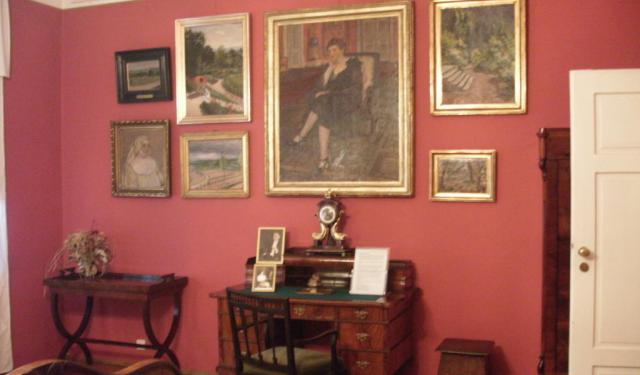


Historical House Museums Tour (Self Guided), Krakow
Well-preserved historical buildings can often tell the stories of their city more vividly than any history book. Krakow, the old capital and cultural center of Poland, for many years, has been the home of many important Poles. Today, their former residences have been converted into house museums where visitors can learn about their inhabitants and see what life was like in the past.
One such back-in-time property is Hipolit House, a beautifully preserved 19th-century townhouse. Serving as a window into the life of Krakow's bourgeoisie during that time, it showcases exquisite period interiors, furnishings, and decorative arts.
Another interesting museum is the Jan Matejko House, dedicated to the renowned Polish painter Jan Matejko. This former residence is where the artist created some of his most famous paintings.
The Wyspiański Museum, housed in the Szołaysky House, celebrates the works of Stanisław Wyspiański, a multifaceted artist and one of Poland's most significant figures from the turn of the 20th century. The museum is filled with his paintings, stained glass designs, and other creations, offering insight into his creative genius.
For those interested in Józef Mehoffer, the Józef Mehoffer House is a true delight. This museum showcases the life and works of the Symbolist painter, stained glass artist, and decorative arts designer. It provides a unique chance to admire his exceptional talent and contribution to the realm of arts.
Last but not least, the Emeryk Hutten-Czapski Museum is a treasure trove of Polish and European art. Housed in a splendid townhouse, it boasts an impressive collection of paintings, sculptures, and decorative objects. It's a place where history and art converge in a splendid display.
So, whenever you're in Krakow, don't miss the chance to explore these fascinating locations. Each one offers a unique perspective on the city's history and artistic legacy, making them essential stops for anyone willing to appreciate the cultural richness of Krakow.
One such back-in-time property is Hipolit House, a beautifully preserved 19th-century townhouse. Serving as a window into the life of Krakow's bourgeoisie during that time, it showcases exquisite period interiors, furnishings, and decorative arts.
Another interesting museum is the Jan Matejko House, dedicated to the renowned Polish painter Jan Matejko. This former residence is where the artist created some of his most famous paintings.
The Wyspiański Museum, housed in the Szołaysky House, celebrates the works of Stanisław Wyspiański, a multifaceted artist and one of Poland's most significant figures from the turn of the 20th century. The museum is filled with his paintings, stained glass designs, and other creations, offering insight into his creative genius.
For those interested in Józef Mehoffer, the Józef Mehoffer House is a true delight. This museum showcases the life and works of the Symbolist painter, stained glass artist, and decorative arts designer. It provides a unique chance to admire his exceptional talent and contribution to the realm of arts.
Last but not least, the Emeryk Hutten-Czapski Museum is a treasure trove of Polish and European art. Housed in a splendid townhouse, it boasts an impressive collection of paintings, sculptures, and decorative objects. It's a place where history and art converge in a splendid display.
So, whenever you're in Krakow, don't miss the chance to explore these fascinating locations. Each one offers a unique perspective on the city's history and artistic legacy, making them essential stops for anyone willing to appreciate the cultural richness of Krakow.
How it works: Download the app "GPSmyCity: Walks in 1K+ Cities" from Apple App Store or Google Play Store to your mobile phone or tablet. The app turns your mobile device into a personal tour guide. For US$14.99 per year (with a 3-day free trial), you get access to walking tours in 630+ cities worldwide for an entire year. In comparison, a guided tour often costs dozens of dollars per person for a single tour. The app works offline, so no data plan is needed when traveling abroad.
Download The GPSmyCity App



Historical House Museums Tour Map
Guide Name: Historical House Museums Tour
Guide Location: Poland » Krakow (See other walking tours in Krakow)
Guide Type: Self-guided Walking Tour (Sightseeing)
Tour Duration: 1 Hour(s)
Travel Distance: 2.0 Km or 1.2 Miles
Guide Location: Poland » Krakow (See other walking tours in Krakow)
Guide Type: Self-guided Walking Tour (Sightseeing)
Tour Duration: 1 Hour(s)
Travel Distance: 2.0 Km or 1.2 Miles
Sights Featured in This Walk


Walking Tours in Krakow, Poland

Create Your Own Walk in Krakow
Creating your own self-guided walk in Krakow is easy and fun. Choose the city attractions that you want to see and a walk route map will be created just for you. You can even set your hotel as the start point of the walk.
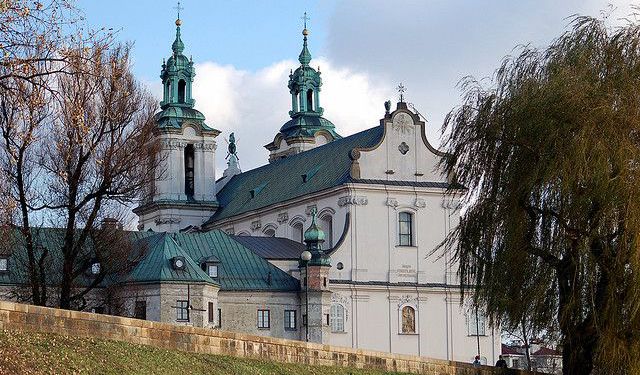
Historical Churches Walking Tour
Krakow, the center of religious life in Poland, was once considered “the Northern Rome” for its multitude of churches. Alongside the new temples continuing to appear in the city today, these remarkable sanctuaries, holding deep historical and cultural significance, still remain the most attractive and interesting to look at.
By far the most iconic of these is the Basilica of Saint Mary. A... view more
Tour Duration: 1 Hour(s)
Travel Distance: 2.2 Km or 1.4 Miles
By far the most iconic of these is the Basilica of Saint Mary. A... view more
Tour Duration: 1 Hour(s)
Travel Distance: 2.2 Km or 1.4 Miles
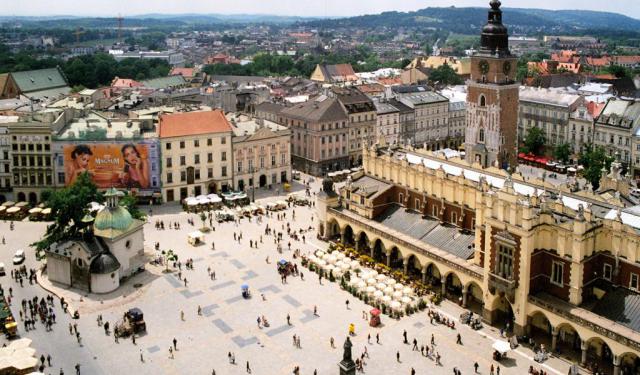
Krakow Introduction Walking Tour
“Kraków has shaped me more than any other place on Earth.” These words from Pope John Paul II brought the city into the global limelight.
The city's name is traditionally linked to Krak, or Krakus, a legendary ruler said to have founded the city after defeating a dragon beneath Wawel Hill. Though the tale is mythological, the name itself derives from this early Slavic personal name,... view more
Tour Duration: 2 Hour(s)
Travel Distance: 3.3 Km or 2.1 Miles
The city's name is traditionally linked to Krak, or Krakus, a legendary ruler said to have founded the city after defeating a dragon beneath Wawel Hill. Though the tale is mythological, the name itself derives from this early Slavic personal name,... view more
Tour Duration: 2 Hour(s)
Travel Distance: 3.3 Km or 2.1 Miles
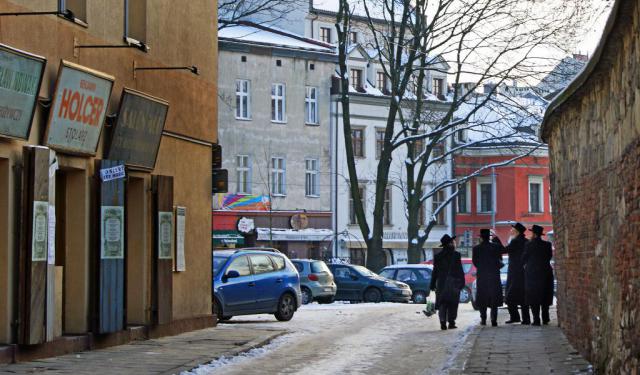
Jewish Heritage Tour in Krakow
The history of Kraków’s Jewish community stands among the most significant chapters of Jewish life in Central Europe. Jews first settled in Kraków in the 13th century, drawn by the city’s expanding trade networks and by greater tolerance compared to other European regions. Early Jewish residents lived mainly around what is today the Old Town and enjoyed a degree of royal protection. However,... view more
Tour Duration: 2 Hour(s)
Travel Distance: 3.0 Km or 1.9 Miles
Tour Duration: 2 Hour(s)
Travel Distance: 3.0 Km or 1.9 Miles
The Most Popular Cities
/ view all