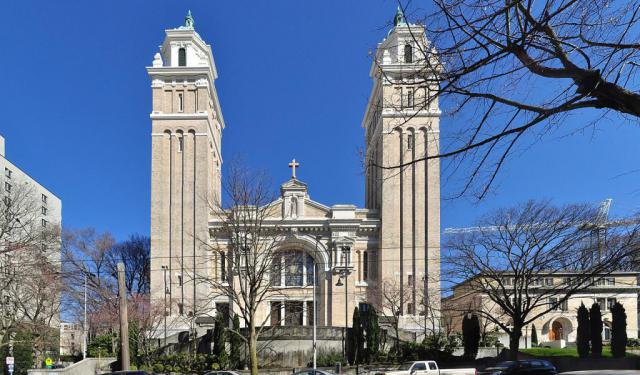


Historical Religious Buildings Tour (Self Guided), Seattle
Seattle, Washington, boasts a wealth of religious sites of various denominations – together reflecting the city's diverse spiritual heritage. Besides being purely centers of faith, these buildings are an important part of the city's historical heritage, some of them standing as architectural marvels, each with its unique story.
Trinity Parish Church, founded in 1865, is Seattle's oldest Episcopal congregation. Nestled in the heart of downtown, this Gothic Revival temple provides a peaceful oasis amid the city's clamor.
Saint James Cathedral, a grand Roman Catholic church, is a magnificent example of Renaissance architecture. Consecrated in 1907, it serves as the seat of the Archbishop of Seattle and continues to be a spiritual anchor for the local Catholic community.
Saint Nicholas Russian Orthodox Cathedral, with its distinctive onion domes, reflects Seattle's diverse religious landscape. This Orthodox jewel, consecrated in 1937, welcomes worshipers from various backgrounds.
The First African Methodist Episcopal Church, founded in 1886, holds a unique place in Seattle's history as one of the city's oldest Black congregations. Its vibrant community and rich heritage are integral to Seattle's cultural tapestry.
Temple de Hirsch Sinai, a historic Jewish synagogue, stands as a testament to the city's Jewish community's endurance and contributions. Established in 1889, it plays a vital role in promoting interfaith dialogue and understanding.
Immaculate Conception Church, built in 1904, showcases stunning Romanesque Revival architecture and serves as a significant hub for the Catholic faithful in Seattle.
As you explore these sacred sites, consider engaging with the communities they serve, attending services, or participating in events to foster greater understanding and appreciation for the diverse religious heritage of Seattle. Whether you seek spiritual enrichment or a deeper connection with the city's history, these historical houses of worship offer a welcoming embrace to all who enter their hallowed doors.
Trinity Parish Church, founded in 1865, is Seattle's oldest Episcopal congregation. Nestled in the heart of downtown, this Gothic Revival temple provides a peaceful oasis amid the city's clamor.
Saint James Cathedral, a grand Roman Catholic church, is a magnificent example of Renaissance architecture. Consecrated in 1907, it serves as the seat of the Archbishop of Seattle and continues to be a spiritual anchor for the local Catholic community.
Saint Nicholas Russian Orthodox Cathedral, with its distinctive onion domes, reflects Seattle's diverse religious landscape. This Orthodox jewel, consecrated in 1937, welcomes worshipers from various backgrounds.
The First African Methodist Episcopal Church, founded in 1886, holds a unique place in Seattle's history as one of the city's oldest Black congregations. Its vibrant community and rich heritage are integral to Seattle's cultural tapestry.
Temple de Hirsch Sinai, a historic Jewish synagogue, stands as a testament to the city's Jewish community's endurance and contributions. Established in 1889, it plays a vital role in promoting interfaith dialogue and understanding.
Immaculate Conception Church, built in 1904, showcases stunning Romanesque Revival architecture and serves as a significant hub for the Catholic faithful in Seattle.
As you explore these sacred sites, consider engaging with the communities they serve, attending services, or participating in events to foster greater understanding and appreciation for the diverse religious heritage of Seattle. Whether you seek spiritual enrichment or a deeper connection with the city's history, these historical houses of worship offer a welcoming embrace to all who enter their hallowed doors.
How it works: Download the app "GPSmyCity: Walks in 1K+ Cities" from Apple App Store or Google Play Store to your mobile phone or tablet. The app turns your mobile device into a personal tour guide and its built-in GPS navigation functions guide you from one tour stop to next. The app works offline, so no data plan is needed when traveling abroad.
Download The GPSmyCity App



Historical Religious Buildings Tour Map
Guide Name: Historical Religious Buildings Tour
Guide Location: USA » Seattle (See other walking tours in Seattle)
Guide Type: Self-guided Walking Tour (Sightseeing)
Tour Duration: 2 Hour(s)
Travel Distance: 3.1 Km or 1.9 Miles
Guide Location: USA » Seattle (See other walking tours in Seattle)
Guide Type: Self-guided Walking Tour (Sightseeing)
Tour Duration: 2 Hour(s)
Travel Distance: 3.1 Km or 1.9 Miles
Sights Featured in This Walk


Walking Tours in Seattle, Washington

Create Your Own Walk in Seattle
Creating your own self-guided walk in Seattle is easy and fun. Choose the city attractions that you want to see and a walk route map will be created just for you. You can even set your hotel as the start point of the walk.
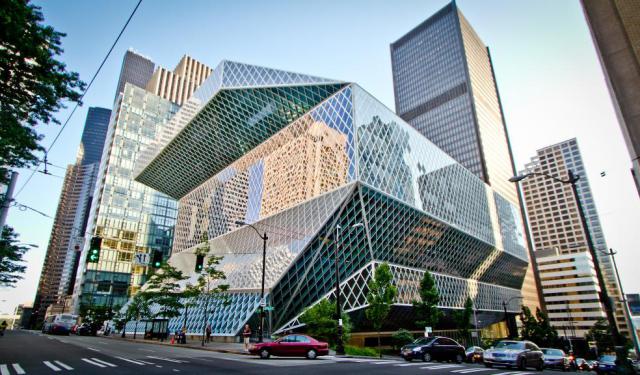
Seattle Architecture Walking Tour
In terms of towering skyscrapers abuzz with commerce, upscale shopping & dining, and splendid theaters, Downtown Seattle resembles many American cities. At the same time, it is also unexpectedly pleasant with hills, outdoor sculptures, and peek-a-boo views of Elliot Bay's sparkling water. Still, the diverse architectural landscape of the city is distinctive primarily for its landmark... view more
Tour Duration: 2 Hour(s)
Travel Distance: 2.1 Km or 1.3 Miles
Tour Duration: 2 Hour(s)
Travel Distance: 2.1 Km or 1.3 Miles
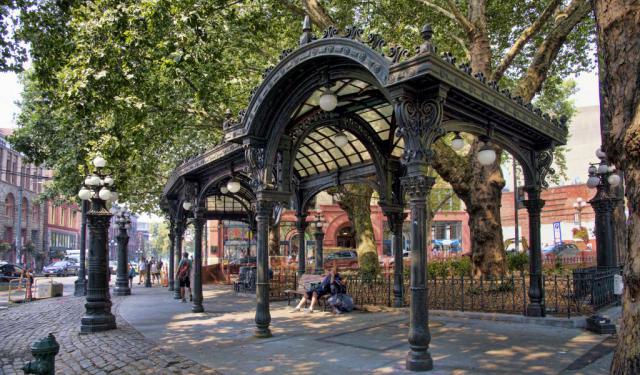
Pioneer Square District Walking Tour
Pioneer Square is the district where Seattle first took shape in the mid-19th century, and its streets still reflect the cycles of ambition, disaster, and renewal that defined the city’s early years. After rapid growth fueled by trade, railroads, and the Gold Rush, the neighborhood suffered decline before a determined preservation effort in the mid-20th century gave it a second life. Today,... view more
Tour Duration: 1 Hour(s)
Travel Distance: 1.2 Km or 0.7 Miles
Tour Duration: 1 Hour(s)
Travel Distance: 1.2 Km or 0.7 Miles
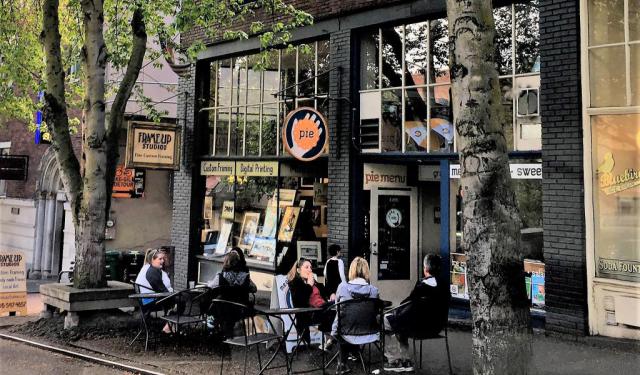
Fremont Neighborhood Walking Tour
Fremont is a vibrant neighborhood in Seattle, renowned for its quirky and artistic character. Among other things, this famous district is home to some of Seattle's most beloved and controversial sculptures.
One of its most iconic landmarks is the Fremont Troll, a massive sculpture of a troll lurking underneath the Aurora Bridge.
At the height of its counterculture days, Fremont renamed... view more
Tour Duration: 2 Hour(s)
Travel Distance: 3.3 Km or 2.1 Miles
One of its most iconic landmarks is the Fremont Troll, a massive sculpture of a troll lurking underneath the Aurora Bridge.
At the height of its counterculture days, Fremont renamed... view more
Tour Duration: 2 Hour(s)
Travel Distance: 3.3 Km or 2.1 Miles
Seattle Center Walking Tour
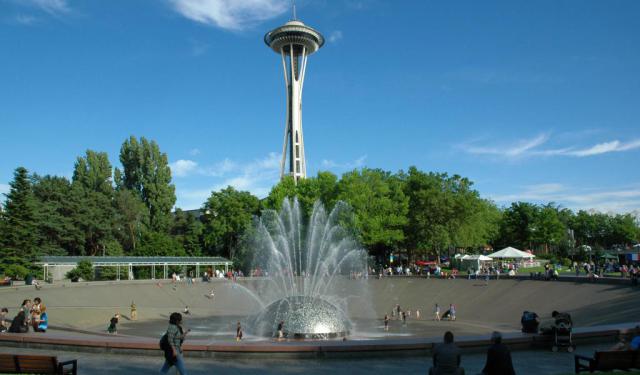
Seattle Center occupies a site with a layered history that predates its modern landmarks. Before becoming a cultural campus, the area just north of downtown Seattle was a mix of low-rise neighborhoods, industrial uses, and civic facilities. In the early 20th century, it was already associated with public life through venues such as the city’s original Civic Auditorium and nearby sports... view more
Tour Duration: 1 Hour(s)
Travel Distance: 1.1 Km or 0.7 Miles
Tour Duration: 1 Hour(s)
Travel Distance: 1.1 Km or 0.7 Miles
Belltown Neighborhood Walking Tour
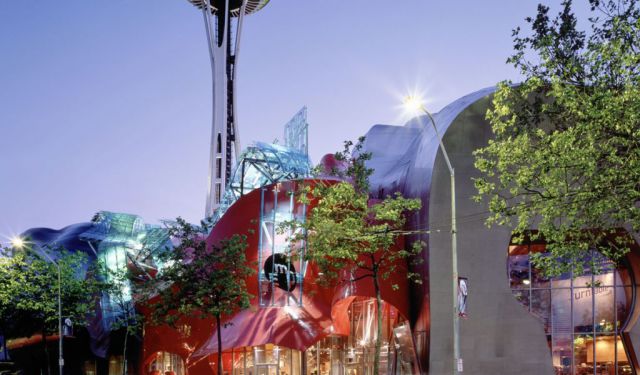
Belltown is one of Seattle’s most energetic neighborhoods, sitting between two of the city’s best-known landmarks—Space Needle and Pike Place Market—and stretching toward the waters of Elliott Bay and the wider Puget Sound. This lively district blends culture and counterculture, cosmopolitan dining and creative expression. For visitors exploring Seattle on foot, Belltown offers an inviting... view more
Tour Duration: 1 Hour(s)
Travel Distance: 2.2 Km or 1.4 Miles
Tour Duration: 1 Hour(s)
Travel Distance: 2.2 Km or 1.4 Miles
Seattle Introduction Walking Tour
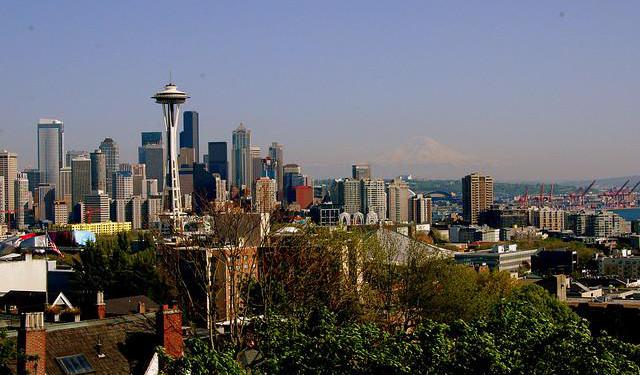
Overlooking Puget Sound's Elliott Bay on the West Coast of the United States, the port city of Seattle is renowned for its surrounding waters, mountains, evergreen forests, and thousands of acres of parkland. The largest metropolitan area in today's Washington State had been inhabited by Native Americans for at least 4,000 years prior to the European pioneers. The first European to set... view more
Tour Duration: 2 Hour(s)
Travel Distance: 4.3 Km or 2.7 Miles
Tour Duration: 2 Hour(s)
Travel Distance: 4.3 Km or 2.7 Miles
Useful Travel Guides for Planning Your Trip

14 Distinctively Seattle Things to Buy as Souvenirs
With the penchant for coffee they have in Seattle, no wonder they go sleepless. Other than that, the Emerald City is renowned for quite a few "distinctively Seattle" things that make it stand out from the crowd of other major urban U.S. destinations. Here are some tips as to which they are...
Best Coffee Shops in Seattle
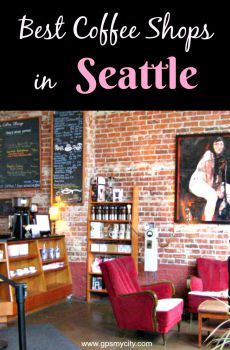
Explore Seattle’s top coffee shops to get a real sense of the eclectic and culturally diverse caffeine buzzed city. Whether you desire a chic downtown coffee café with lots of windows and swanky décor or a dark coffee shop with mix-matched furniture, strong espresso, free wireless and lots of...
The Most Popular Cities
/ view all