

Historical Churches Walking Tour (Self Guided), Oslo
Oslo's religious landscape, particularly within the Christian tradition, is a captivating tapestry interwoven with history, faith, and architectural elegance. The city boasts a collection of historical churches reflecting the evolution of local Christian communities. Diverse in their designs, these sacred sites offer a glimpse into the deep-rooted religious traditions that have shaped Oslo over the centuries.
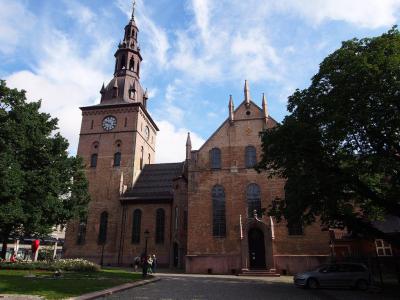
Oslo Cathedral (Oslo Domkirke), the city's main temple, represents the Church of Norway and is a striking example of Baroque architecture. The history of this religious site dates back to the 12th century, while the current building appeared some 500 years later.
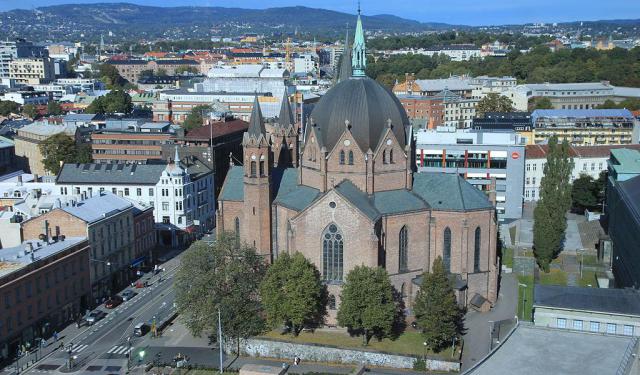
Trinity Church (Trefoldighetskirken): This Gothic Revival beauty of the Lutheran denomination stands proudly with its Medieval temple-inspired design and was completed in the 1850s.
Similar to it in terms of Neo-Gothic appearance, Saint Olav's Roman Catholic Cathedral is the principal Catholic church in Oslo. Its presence is a testament to the enduring Catholic community in the city.
The Maria Bebudelses Orthodox Church represents the Orthodox Christian faith. Its somewhat quirky façade adds a unique touch to the city's ecclesiastical scene.
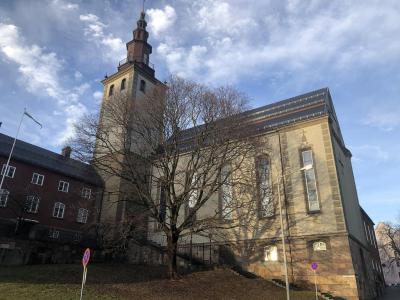
The Saint James Cultural Church (Kulturkirken Jakob), originally built as a Lutheran sanctuary, today serves as a vibrant cultural center. Its diverse events and activities make it a hub for artistic and spiritual expression.
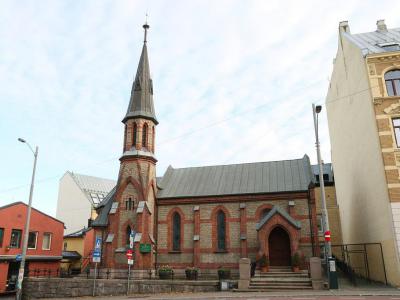
Further reflecting the city's cosmopolitan character is the quaint Anglican Saint Edmund's Church. Its simple yet charming design invites people from various backgrounds to share in its spiritual warmth.
In turn, the Swedish Margaret Church (Svenska Margaretakyrkan) serves as a spiritual home for the Church of Sweden community of Oslo. This building showcases a blend of Scandinavian and Gothic architectural styles.
Visiting these historical churches is not just an exploration of faith and history but also a chance to experience the diverse heritage of Oslo and, perhaps, understand its soul. If you wish to learn more about the religious life of the beautiful Norwegian capital, take this self-guided walking tour.
Oslo Cathedral (Oslo Domkirke), the city's main temple, represents the Church of Norway and is a striking example of Baroque architecture. The history of this religious site dates back to the 12th century, while the current building appeared some 500 years later.
Trinity Church (Trefoldighetskirken): This Gothic Revival beauty of the Lutheran denomination stands proudly with its Medieval temple-inspired design and was completed in the 1850s.
Similar to it in terms of Neo-Gothic appearance, Saint Olav's Roman Catholic Cathedral is the principal Catholic church in Oslo. Its presence is a testament to the enduring Catholic community in the city.
The Maria Bebudelses Orthodox Church represents the Orthodox Christian faith. Its somewhat quirky façade adds a unique touch to the city's ecclesiastical scene.
The Saint James Cultural Church (Kulturkirken Jakob), originally built as a Lutheran sanctuary, today serves as a vibrant cultural center. Its diverse events and activities make it a hub for artistic and spiritual expression.
Further reflecting the city's cosmopolitan character is the quaint Anglican Saint Edmund's Church. Its simple yet charming design invites people from various backgrounds to share in its spiritual warmth.
In turn, the Swedish Margaret Church (Svenska Margaretakyrkan) serves as a spiritual home for the Church of Sweden community of Oslo. This building showcases a blend of Scandinavian and Gothic architectural styles.
Visiting these historical churches is not just an exploration of faith and history but also a chance to experience the diverse heritage of Oslo and, perhaps, understand its soul. If you wish to learn more about the religious life of the beautiful Norwegian capital, take this self-guided walking tour.
How it works: Download the app "GPSmyCity: Walks in 1K+ Cities" from Apple App Store or Google Play Store to your mobile phone or tablet. The app turns your mobile device into a personal tour guide and its built-in GPS navigation functions guide you from one tour stop to next. The app works offline, so no data plan is needed when traveling abroad.
Download The GPSmyCity App



Historical Churches Walking Tour Map
Guide Name: Historical Churches Walking Tour
Guide Location: Norway » Oslo (See other walking tours in Oslo)
Guide Type: Self-guided Walking Tour (Sightseeing)
Tour Duration: 1 Hour(s)
Travel Distance: 1.2 Km or 0.7 Miles
Guide Location: Norway » Oslo (See other walking tours in Oslo)
Guide Type: Self-guided Walking Tour (Sightseeing)
Tour Duration: 1 Hour(s)
Travel Distance: 1.2 Km or 0.7 Miles
Sights Featured in This Walk
Walking Tours in Oslo, Norway

Create Your Own Walk in Oslo
Creating your own self-guided walk in Oslo is easy and fun. Choose the city attractions that you want to see and a walk route map will be created just for you. You can even set your hotel as the start point of the walk.
Grunerlokka Walking Tour
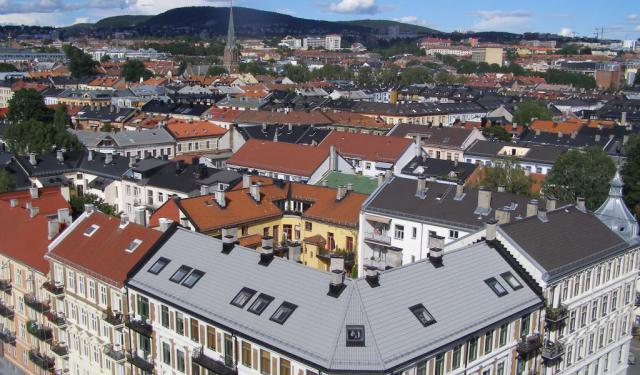
Once a gritty, working-class corner of Oslo, Grunerlokka has undergone the classic glow-up-trading in factory soot for flat whites and vegan tacos. Named after Friedrich Gruner, a 17th-century city official who probably never imagined his name would one day grace a district with more tattoo parlors than churches, this neighborhood has turned from industrial to the capital’s cool kid on the block... view more
Tour Duration: 1 Hour(s)
Travel Distance: 2.5 Km or 1.6 Miles
Tour Duration: 1 Hour(s)
Travel Distance: 2.5 Km or 1.6 Miles
Old Oslo Walking Tour
The historic Old Town of Oslo is the oldest part of the city which dates back to the days of medieval Norway. This urban area emerged around the year 1000 and became the capital of Norway's dominion (within the Dano-Norwegian Realm) around 1300. The Old Town district continued to be known as Oslo, while the whole city was called Christiania, until 1925.
One of its prominent landmarks is... view more
Tour Duration: 1 Hour(s)
Travel Distance: 1.4 Km or 0.9 Miles
One of its prominent landmarks is... view more
Tour Duration: 1 Hour(s)
Travel Distance: 1.4 Km or 0.9 Miles
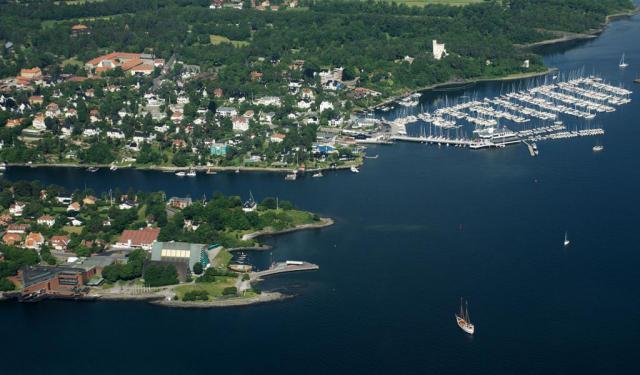
Museum District (Bygdoy) Walking Tour
Oslo's Museum District, located on the Bygdoy Peninsula, is home to some of the most visited museums in the city. Repositories of precious artifacts from Norway’s history, these remarkable institutions collectively represent a treasure trove for those keen on exploring this northerly nation's past.
One of the standout attractions here is the Fram Museum, showcasing the incredible... view more
Tour Duration: 2 Hour(s)
Travel Distance: 3.1 Km or 1.9 Miles
One of the standout attractions here is the Fram Museum, showcasing the incredible... view more
Tour Duration: 2 Hour(s)
Travel Distance: 3.1 Km or 1.9 Miles
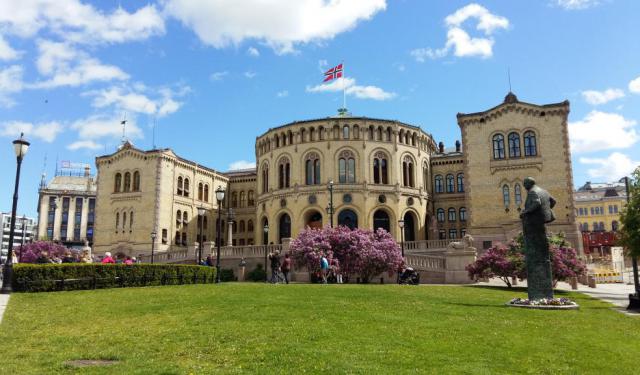
Oslo Introduction Walking Tour
Originally a Viking village, Norway's capital city has a long and multifaceted history that begins long before its establishment as a trading hub of Ánslo in 1040 AD. Archaeological findings suggest the presence of a Christian settlement in the area predating the year 1000.
Throughout the Middle Ages, Oslo's significance varied under the rule of Danish and Norwegian kings. Around... view more
Tour Duration: 2 Hour(s)
Travel Distance: 4.1 Km or 2.5 Miles
Throughout the Middle Ages, Oslo's significance varied under the rule of Danish and Norwegian kings. Around... view more
Tour Duration: 2 Hour(s)
Travel Distance: 4.1 Km or 2.5 Miles
Useful Travel Guides for Planning Your Trip

Traveler's Choice: 15 Norwegian Gifts from Oslo
The Norwegians are strict about gift making and believe that each gift must be equaled with a return one. For this reason, public holidays and birthdays are a very serious business in Norway, with everyone making and receiving gifts. In the spirit of this tradition, you might want to treat your dear...
The Most Popular Cities
/ view all