


Antwerp's Historical Churches Tour (Self Guided), Antwerp
Antwerp, a city steeped in history and culture, boasts an array of historical churches that stand as testaments to its past.
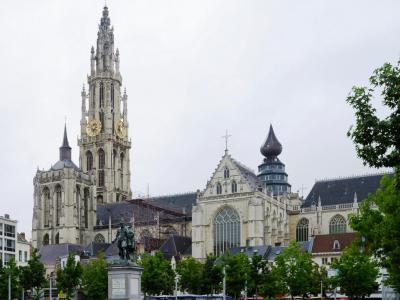
Reigning supreme among them is the Cathedral of Our Lady, a stunning 14th-century Gothic masterpiece. Its towering spire dominates the city skyline and houses invaluable artworks by renowned artists such as Peter Paul Rubens, Otto van Veen, Jacob de Backer, and Marten de Vos.
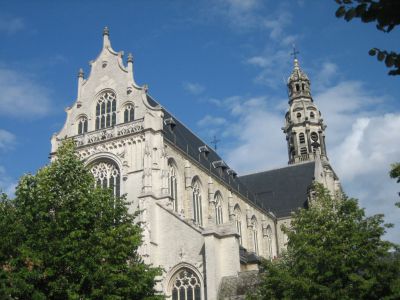
Saint Paul's Church, another architectural gem, showcases a mix of Gothic and Baroque splendor with its elaborate facade and ornate interior. This church, constructed from the 16th to the 17th centuries, is renowned for its magnificent marble sculptures and intricate stone- and woodcarvings.
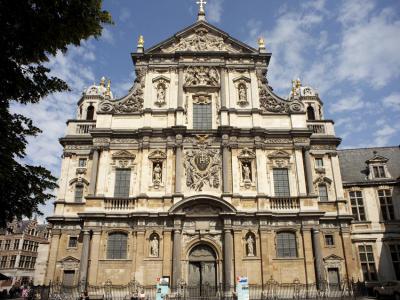
The Church of Carolus Borromeus, a striking example of Baroque, is dedicated to the Jesuit saint Charles Borromeo. Its lavish interior features stunning frescoes and elaborate gilded decorations, offering visitors a glimpse into the grandeur of the Counter-Reformation era.
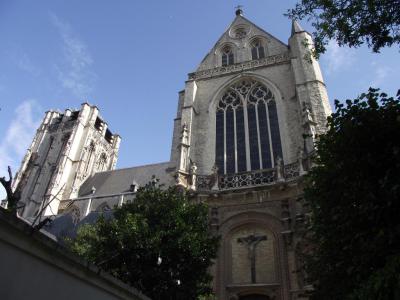
Saint James' Church, with its imposing bell tower and elegant facade, is a prominent landmark in Antwerp. Dating back to the 17th century, this church combines elements of Gothic and Baroque styles, making it a fascinating architectural marvel.
To feel the spirit of antiquity, head to the Beguinage of Antwerp. This tranquil 13th-century sanctuary, nestled within the bustling city, provides a glimpse into Antwerp's medieval past. A UNESCO World Heritage Site, it features charming cobblestone streets lined with picturesque cottages and a serene courtyard, offering visitors a peaceful retreat from the urban hustle.
Saint Andrew's Church, although less grandiose in scale, holds historical significance as one of Antwerp's oldest parishes, established in the 16th century. Its simple yet elegant design reflects the city's enduring religious heritage and serves as a reminder of its rich cultural legacy.
Exploring Antwerp's historical churches is an opportunity to appreciate the artistry, architecture, and spirituality that have shaped this vibrant city. So, take this self-guided walk to immerse yourself in the beauty and history of these sacred landmarks and discover the soul of Antwerp.
Reigning supreme among them is the Cathedral of Our Lady, a stunning 14th-century Gothic masterpiece. Its towering spire dominates the city skyline and houses invaluable artworks by renowned artists such as Peter Paul Rubens, Otto van Veen, Jacob de Backer, and Marten de Vos.
Saint Paul's Church, another architectural gem, showcases a mix of Gothic and Baroque splendor with its elaborate facade and ornate interior. This church, constructed from the 16th to the 17th centuries, is renowned for its magnificent marble sculptures and intricate stone- and woodcarvings.
The Church of Carolus Borromeus, a striking example of Baroque, is dedicated to the Jesuit saint Charles Borromeo. Its lavish interior features stunning frescoes and elaborate gilded decorations, offering visitors a glimpse into the grandeur of the Counter-Reformation era.
Saint James' Church, with its imposing bell tower and elegant facade, is a prominent landmark in Antwerp. Dating back to the 17th century, this church combines elements of Gothic and Baroque styles, making it a fascinating architectural marvel.
To feel the spirit of antiquity, head to the Beguinage of Antwerp. This tranquil 13th-century sanctuary, nestled within the bustling city, provides a glimpse into Antwerp's medieval past. A UNESCO World Heritage Site, it features charming cobblestone streets lined with picturesque cottages and a serene courtyard, offering visitors a peaceful retreat from the urban hustle.
Saint Andrew's Church, although less grandiose in scale, holds historical significance as one of Antwerp's oldest parishes, established in the 16th century. Its simple yet elegant design reflects the city's enduring religious heritage and serves as a reminder of its rich cultural legacy.
Exploring Antwerp's historical churches is an opportunity to appreciate the artistry, architecture, and spirituality that have shaped this vibrant city. So, take this self-guided walk to immerse yourself in the beauty and history of these sacred landmarks and discover the soul of Antwerp.
How it works: Download the app "GPSmyCity: Walks in 1K+ Cities" from Apple App Store or Google Play Store to your mobile phone or tablet. The app turns your mobile device into a personal tour guide and its built-in GPS navigation functions guide you from one tour stop to next. The app works offline, so no data plan is needed when traveling abroad.
Download The GPSmyCity App



Antwerp's Historical Churches Tour Map
Guide Name: Antwerp's Historical Churches Tour
Guide Location: Belgium » Antwerp (See other walking tours in Antwerp)
Guide Type: Self-guided Walking Tour (Sightseeing)
Tour Duration: 2 Hour(s)
Travel Distance: 3.6 Km or 2.2 Miles
Guide Location: Belgium » Antwerp (See other walking tours in Antwerp)
Guide Type: Self-guided Walking Tour (Sightseeing)
Tour Duration: 2 Hour(s)
Travel Distance: 3.6 Km or 2.2 Miles
Sights Featured in This Walk


Walking Tours in Antwerp, Belgium

Create Your Own Walk in Antwerp
Creating your own self-guided walk in Antwerp is easy and fun. Choose the city attractions that you want to see and a walk route map will be created just for you. You can even set your hotel as the start point of the walk.

Antwerp Introduction Walking Tour
While living in Antwerp, painter Peter Paul Rubens established a large workshop that supplied paintings to patrons across Europe. It was here that he created the powerful compositions that came to define the Baroque style.
Antwerp's origins date back to the early Middle Ages, when a small settlement developed around a fortified outpost controlling access to the Scheldt River. By the 10th... view more
Tour Duration: 2 Hour(s)
Travel Distance: 3.5 Km or 2.2 Miles
Antwerp's origins date back to the early Middle Ages, when a small settlement developed around a fortified outpost controlling access to the Scheldt River. By the 10th... view more
Tour Duration: 2 Hour(s)
Travel Distance: 3.5 Km or 2.2 Miles

Antwerp Historic Center Walk
Antwerp is a bustling metropolis, replete with modern entertainment, yet it is the centuries-old city center that fuels tourists' interest the most. Indeed, downtown Antwerp is steeped in history. So much so, in fact, that to see all that it has to offer, you'll need way more than one day.
Here history awaits you practically round every corner – seen in the ancient building-fronts... view more
Tour Duration: 2 Hour(s)
Travel Distance: 3.9 Km or 2.4 Miles
Here history awaits you practically round every corner – seen in the ancient building-fronts... view more
Tour Duration: 2 Hour(s)
Travel Distance: 3.9 Km or 2.4 Miles
The Most Popular Cities
/ view all