

Spanish Steps to Trevi Fountain (Self Guided), Rome
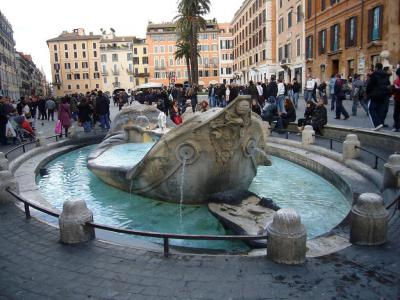
An established tourist mecca, today's Rome is hardly imaginable without two of its much loved attractions – the Spanish Steps and the Trevi Fountain. Magnets for tourists as they are, these two sights are connected to a number of other, not less worthy of attention locations, such as the Fountain of the Longboat or Piazza Colonna and its centerpiece, the Column of Marcus Aurelius, to mention but a few.
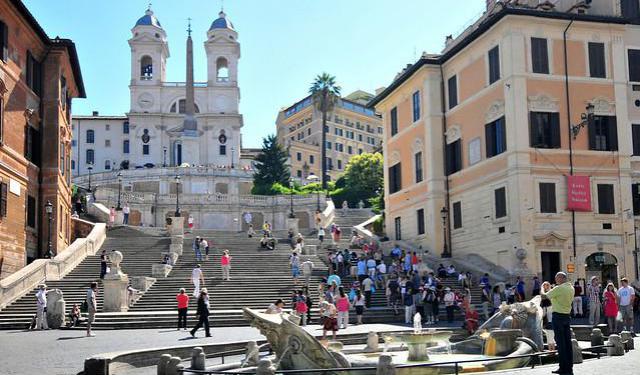
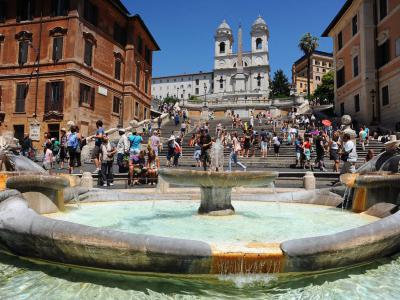
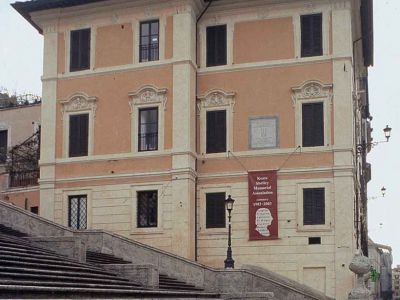
The time-honored tradition of decorating the Spanish Steps with hundreds of flowering azalea plants dates back to nearly a century ago. Stop by the fountain at the base, walk half-way up the steps and look down; go to the top and marvel at the view down the steps and over the City. This then leads you to Piazza di Espagna and its surrounding attractions, including the Keats-Shelley Memorial House and the Giorgio de Chirico House Museum, which showcases real pieces of a very talented life.
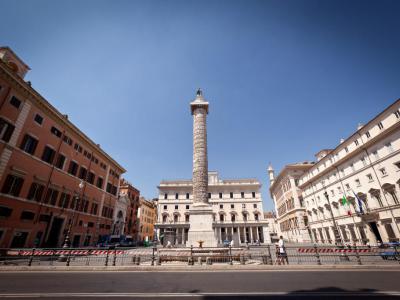
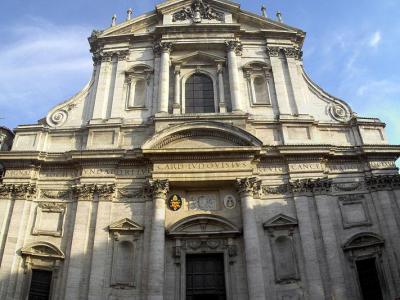
The beautiful, rectangular Piazza Colonna is itself surrounded by several imposing buildings, in addition to the obligatory column and fountain. Take the time to look at the column’s carvings, then continue with one of Rome’s most amazing churches, dedicated to St. Ignatius of Loyola – a marvel in terms of over-the-top baroque interiors.
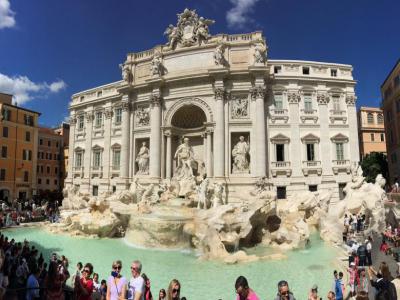
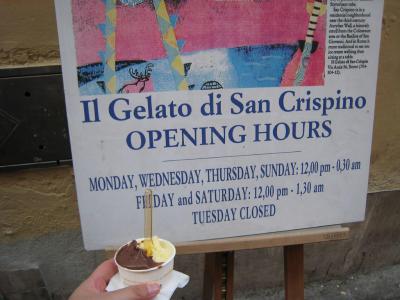
Save the Trevi Fountains for last, as they are best seen towards the evening when the foot traffic dies down. Beautiful beyond anything you can imagine, one would not mind turning into a fish and living in the fountains forever! Instead, you could pick a flavor from the nearby Gelato di San Crispino and call it a day.
For a great day out in this fabulous area, pick a day with nice weather and follow our self-guided walking tour.
Getting to Sight #1. The first tour stop (Spanish Steps) can be reached by Bus 119, 160, 61, 63, 913; also 40 Express and 116 electric bus, Train: FL5, R, RV, Metro: line A
The time-honored tradition of decorating the Spanish Steps with hundreds of flowering azalea plants dates back to nearly a century ago. Stop by the fountain at the base, walk half-way up the steps and look down; go to the top and marvel at the view down the steps and over the City. This then leads you to Piazza di Espagna and its surrounding attractions, including the Keats-Shelley Memorial House and the Giorgio de Chirico House Museum, which showcases real pieces of a very talented life.
The beautiful, rectangular Piazza Colonna is itself surrounded by several imposing buildings, in addition to the obligatory column and fountain. Take the time to look at the column’s carvings, then continue with one of Rome’s most amazing churches, dedicated to St. Ignatius of Loyola – a marvel in terms of over-the-top baroque interiors.
Save the Trevi Fountains for last, as they are best seen towards the evening when the foot traffic dies down. Beautiful beyond anything you can imagine, one would not mind turning into a fish and living in the fountains forever! Instead, you could pick a flavor from the nearby Gelato di San Crispino and call it a day.
For a great day out in this fabulous area, pick a day with nice weather and follow our self-guided walking tour.
Getting to Sight #1. The first tour stop (Spanish Steps) can be reached by Bus 119, 160, 61, 63, 913; also 40 Express and 116 electric bus, Train: FL5, R, RV, Metro: line A
How it works: Download the app "GPSmyCity: Walks in 1K+ Cities" from Apple App Store or Google Play Store to your mobile phone or tablet. The app turns your mobile device into a personal tour guide. For US$14.99 per year (with a 3-day free trial), you get access to walking tours in 630+ cities worldwide for an entire year. In comparison, a guided tour often costs dozens of dollars per person for a single tour. The app works offline, so no data plan is needed when traveling abroad.
Download The GPSmyCity App



Spanish Steps to Trevi Fountain Map
Guide Name: Spanish Steps to Trevi Fountain
Guide Location: Italy » Rome (See other walking tours in Rome)
Guide Type: Self-guided Walking Tour (Sightseeing)
Tour Duration: 1 Hour(s)
Travel Distance: 2.0 Km or 1.2 Miles
Guide Location: Italy » Rome (See other walking tours in Rome)
Guide Type: Self-guided Walking Tour (Sightseeing)
Tour Duration: 1 Hour(s)
Travel Distance: 2.0 Km or 1.2 Miles
Sights Featured in This Walk

Walking Tours in Rome, Italy

Create Your Own Walk in Rome
Creating your own self-guided walk in Rome is easy and fun. Choose the city attractions that you want to see and a walk route map will be created just for you. You can even set your hotel as the start point of the walk.
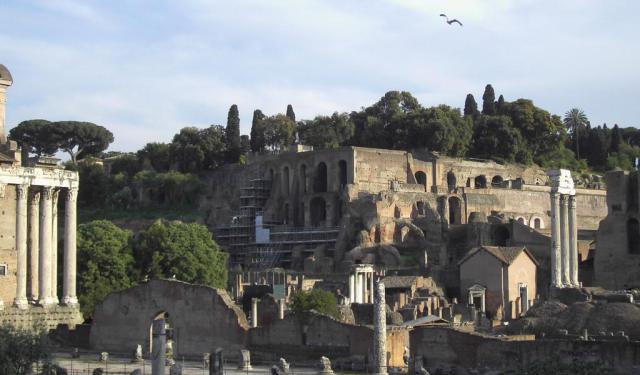
Palatine Hill Walking Tour
Palatine Hill - one of Rome’s legendary Seven Hills - is the most ancient part of the city. According to mythology (and a fair bit of archaeology backing it up), this is where the whole Roman saga began to unfold in the year 753 BC when young Romulus pointed dramatically at the hill and probably thought to himself: “Yes, this is the spot.” And just like that, a city that would eventually... view more
Tour Duration: 2 Hour(s)
Travel Distance: 2.6 Km or 1.6 Miles
Tour Duration: 2 Hour(s)
Travel Distance: 2.6 Km or 1.6 Miles
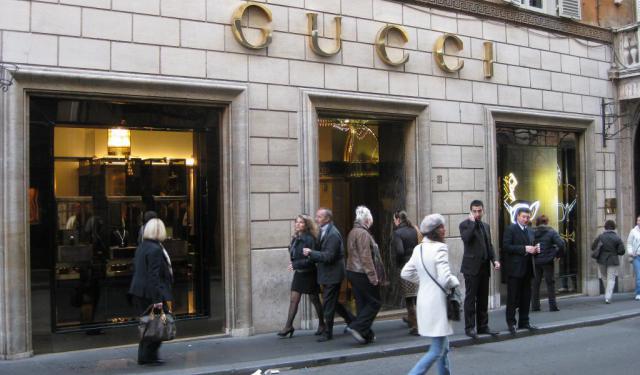
Rome Shopping Streets Walking Tour
Loved by tourists for its busy fashionable streets and significant baroque icons, the so-called ‘Tridente’ is one of the Eternal City's most lusted-after areas, formed by Via dei Condotti, Via Borgognona, Via Frattina and the adjacent Via del Corso. It is perhaps the most high-end destination for Roman shopping, with a concentration of renowned jewelers and important Italian/international... view more
Tour Duration: 2 Hour(s)
Travel Distance: 2.9 Km or 1.8 Miles
Tour Duration: 2 Hour(s)
Travel Distance: 2.9 Km or 1.8 Miles
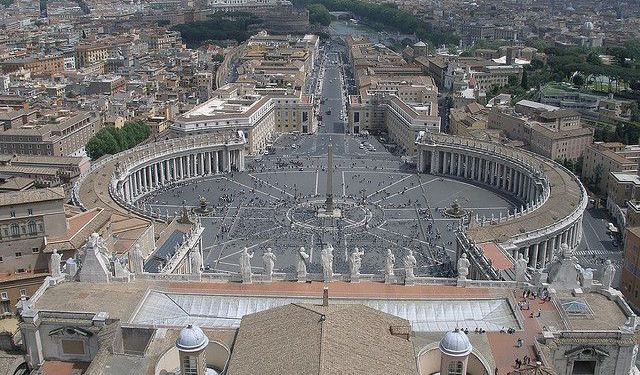
Vatican Walking Tour
Consisting of a walled enclave within the city of Rome, the Vatican is the world’s smallest sovereign state, as well as a symbol (and headquarters) of the Roman Catholic faith. Although only 44 hectares in surface, one is amazed by the vastness of this place and the sheer size of everything. When gazing around in all directions, you realize how much can be achieved by people working in faith for... view more
Tour Duration: 2 Hour(s)
Travel Distance: 3.4 Km or 2.1 Miles
Tour Duration: 2 Hour(s)
Travel Distance: 3.4 Km or 2.1 Miles
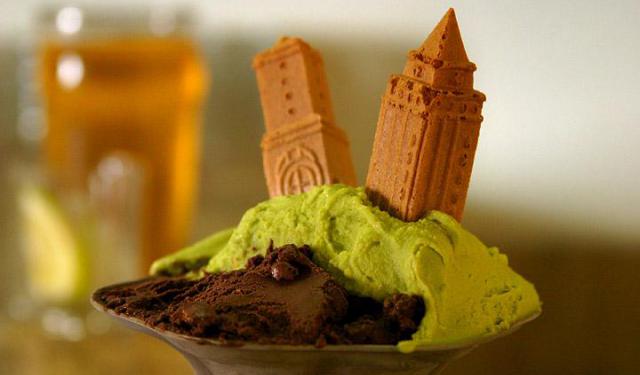
Food Tasting Walking Tour
Whether it’s a long lunch or a stop-off for an ice cream on an evening stroll, eating in Rome is a very social activity. Culinary traditions run deep here, and it may well be one of Italy’s most pleasurable cities in which to eat. Deli shops, prosciutterias, pizzerias, fornos (bakeries) and caffès are also very popular and offer a great alternative to a restaurant meal.
On this... view more
Tour Duration: 2 Hour(s)
Travel Distance: 2.5 Km or 1.6 Miles
On this... view more
Tour Duration: 2 Hour(s)
Travel Distance: 2.5 Km or 1.6 Miles

Seven Pilgrim Churches of Rome Walking Tour
Rome has long played host to pilgrims-after all, it's home to the Pope, the Catholic Curia, and a treasure trove of relics linked to apostles, saints, and martyrs. Back in the day, the Via Francigena provided a straight shot for the faithful traveling from England to Rome. Upon arrival, it was tradition to visit the tombs of Saints Peter and Paul. When a Jubilee rolled around, the spiritual... view more
Tour Duration: 6 Hour(s)
Travel Distance: 17.4 Km or 10.8 Miles
Tour Duration: 6 Hour(s)
Travel Distance: 17.4 Km or 10.8 Miles
Trastevere Walking Tour
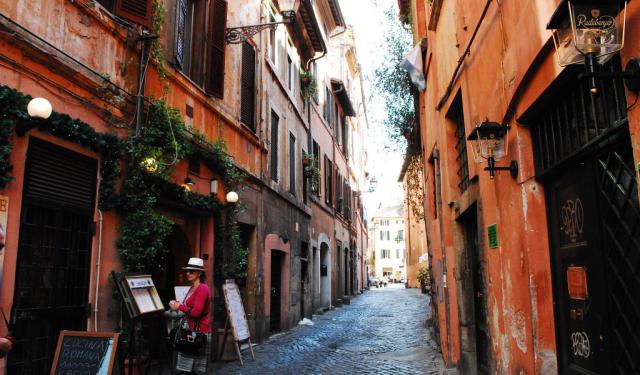
Heading down from the Vatican along the River Tiber, one is bound to find yet another city hidden within the city – Trastevere. This name translates literally to "across the Tiber". Indeed, crossing the picturesque Ponte Sisto (Sisto Bridge) to the west bank, you will find yourself in a charming neighborhood with a distinct character that sets it apart from any other part of Rome.
... view more
Tour Duration: 2 Hour(s)
Travel Distance: 3.0 Km or 1.9 Miles
... view more
Tour Duration: 2 Hour(s)
Travel Distance: 3.0 Km or 1.9 Miles
Useful Travel Guides for Planning Your Trip
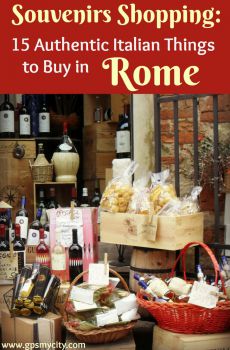
Souvenirs Shopping: 15 Authentic Italian Things To Buy in Rome
Rome is the Eternal City and, as such, the list of gift options available here is countless. Whether it's something edible, drinkable, wearable or pleasing to the eye that you want - you will find it all here in abundance. However, if time or budget is the factor, perhaps you might want to...
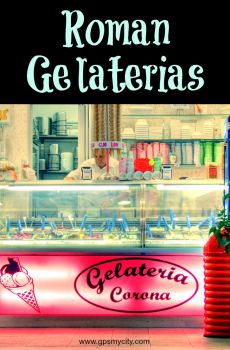
17 Best Gelaterias in Rome Italy
For ice cream lovers and dabblers this guide is a treasure chest of Rome’s best gelato shops. There are gelaterias everywhere. Many visitors to Rome only have a few days to explore the city. You owe it to yourself to make the most of your time and find the gelato locals eat. Often the authentic...
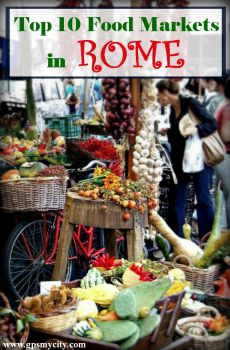
10 Best Food Markets in Rome Italy
Of all the things Italy is most famous for (cars, music, fashion, movies, etc.), food is, undoubtedly, top of the list. Rome may well not be the whole Italy, but no Italy is whole without Rome... And the Romans, much as all their fellow-Italians, like it "fresco", hence the abundance of...
The Most Popular Cities
/ view all