

Audio Guide: Rome Introduction Walking Tour II (Self Guided), Rome
Rome, the Eternal City, carries a legacy shaped by centuries of resilience, transformation, and cultural flourishing. The fall of the Roman Empire in 476 AD marked the end of an era, plunging Western Europe into the dark Middle Ages. Yet, even amid the disarray, Rome endured as a beacon of unity, largely due to its status as the center of Catholicism. The papacy wielded spiritual influence, offering a sense of continuity and cohesion to a fragmented world. This religious foundation would later serve as the catalyst for Rome’s breathtaking rebirth during the Renaissance and Baroque periods.
The Renaissance, born in Italy, found Rome embracing its ancient roots while pushing the boundaries of creativity in art, architecture, and religion. The Catholic Church became a significant patron of this cultural awakening, commissioning masterpieces that blended faith with innovation. The Baroque era then took this artistic revival to soaring heights, filling the city with dramatic, elaborate designs that reflected both divine inspiration and human ingenuity.
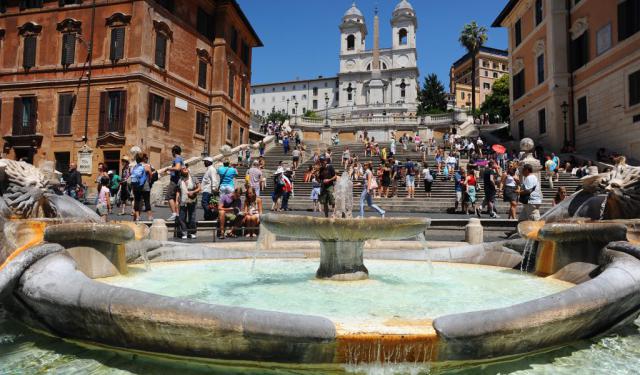
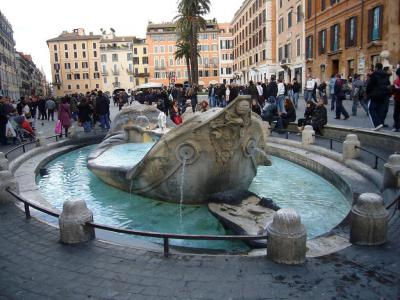
Exploring Rome today is like walking through a living museum, where each corner tells a story. Begin your journey at the Spanish Steps, a symbol of Baroque splendor, featuring at its foot the Spanish Square with the charming Longboat Fountain, shaped like a sinking vessel. Wander to Column Square, home to the Marcus Aurelius Column, an impressive monument to the ancient Roman emperor's victories.
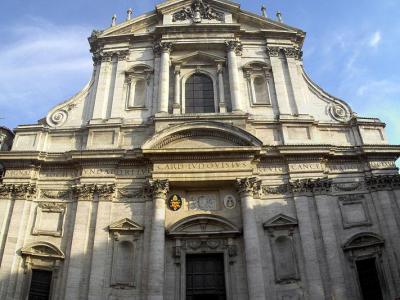
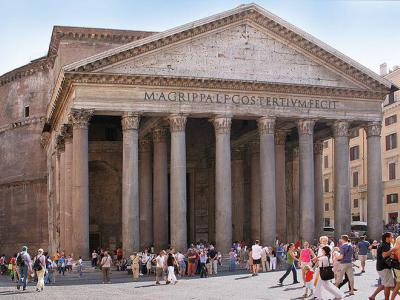
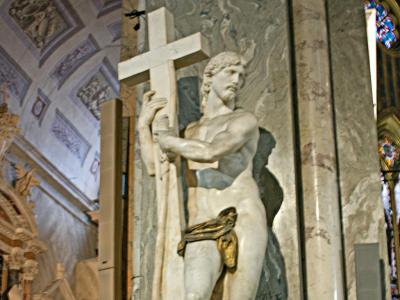
The spiritual heart of the city beats in its churches, such as the Church of Saint Ignatius of Loyola, where Baroque frescoes create an illusion of a vaulted heaven, and the Basilica of Santa Maria above Minerva, one of Rome's few Gothic churches adorned with the likes of Michelangelo’s "Christ the Redeemer" sculpture. The Pantheon, with its stunning dome and oculus, is a timeless testament to Roman engineering and the city’s enduring dedication to its gods and saints.
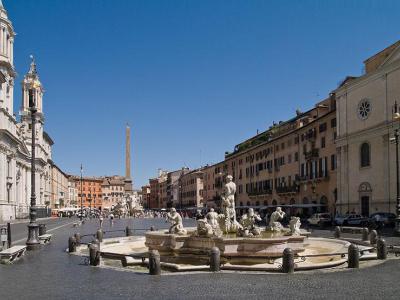
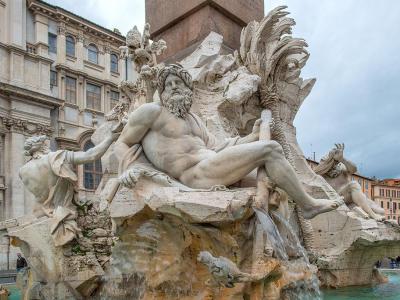
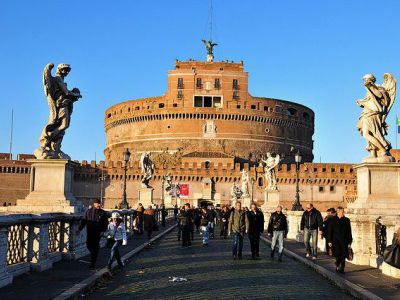
In Navona Square, the Four Rivers Fountain, designed by Gian Lorenzo Bernini, captures the grandeur of Rome’s Baroque period. Meanwhile, the National Museum of Saint Angel's Castle, a fortress-turned-museum, offers breathtaking views and rich historical insights.
Rome is not just a city to visit; it’s an experience that unfolds layer by layer. Whether you’re an art enthusiast, history buff, or spiritual seeker, Rome invites you to immerse yourself in its timeless beauty. Pack your curiosity and explore this extraordinary tapestry of history, culture, and faith on our self-guided introductory walk part II.
The Renaissance, born in Italy, found Rome embracing its ancient roots while pushing the boundaries of creativity in art, architecture, and religion. The Catholic Church became a significant patron of this cultural awakening, commissioning masterpieces that blended faith with innovation. The Baroque era then took this artistic revival to soaring heights, filling the city with dramatic, elaborate designs that reflected both divine inspiration and human ingenuity.
Exploring Rome today is like walking through a living museum, where each corner tells a story. Begin your journey at the Spanish Steps, a symbol of Baroque splendor, featuring at its foot the Spanish Square with the charming Longboat Fountain, shaped like a sinking vessel. Wander to Column Square, home to the Marcus Aurelius Column, an impressive monument to the ancient Roman emperor's victories.
The spiritual heart of the city beats in its churches, such as the Church of Saint Ignatius of Loyola, where Baroque frescoes create an illusion of a vaulted heaven, and the Basilica of Santa Maria above Minerva, one of Rome's few Gothic churches adorned with the likes of Michelangelo’s "Christ the Redeemer" sculpture. The Pantheon, with its stunning dome and oculus, is a timeless testament to Roman engineering and the city’s enduring dedication to its gods and saints.
In Navona Square, the Four Rivers Fountain, designed by Gian Lorenzo Bernini, captures the grandeur of Rome’s Baroque period. Meanwhile, the National Museum of Saint Angel's Castle, a fortress-turned-museum, offers breathtaking views and rich historical insights.
Rome is not just a city to visit; it’s an experience that unfolds layer by layer. Whether you’re an art enthusiast, history buff, or spiritual seeker, Rome invites you to immerse yourself in its timeless beauty. Pack your curiosity and explore this extraordinary tapestry of history, culture, and faith on our self-guided introductory walk part II.
How it works: Download the app "GPSmyCity: Walks in 1K+ Cities" from Apple App Store or Google Play Store to your mobile phone or tablet. The app turns your mobile device into a personal tour guide and its built-in GPS navigation functions guide you from one tour stop to next. The app works offline, so no data plan is needed when traveling abroad.
Download The GPSmyCity App



Rome Introduction Walking Tour II Map
Guide Name: Rome Introduction Walking Tour II
Guide Location: Italy » Rome (See other walking tours in Rome)
Guide Type: Self-guided Walking Tour (Sightseeing)
Tour Duration: 2 Hour(s)
Travel Distance: 3.4 Km or 2.1 Miles
Guide Location: Italy » Rome (See other walking tours in Rome)
Guide Type: Self-guided Walking Tour (Sightseeing)
Tour Duration: 2 Hour(s)
Travel Distance: 3.4 Km or 2.1 Miles
Sights Featured in This Walk
Walking Tours in Rome, Italy

Create Your Own Walk in Rome
Creating your own self-guided walk in Rome is easy and fun. Choose the city attractions that you want to see and a walk route map will be created just for you. You can even set your hotel as the start point of the walk.
Seven Pilgrim Churches of Rome Walking Tour
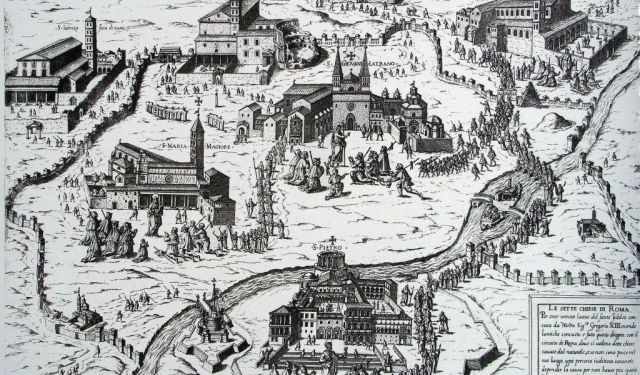
Rome has long played host to pilgrims-after all, it's home to the Pope, the Catholic Curia, and a treasure trove of relics linked to apostles, saints, and martyrs. Back in the day, the Via Francigena provided a straight shot for the faithful traveling from England to Rome. Upon arrival, it was tradition to visit the tombs of Saints Peter and Paul. When a Jubilee rolled around, the spiritual... view more
Tour Duration: 6 Hour(s)
Travel Distance: 17.4 Km or 10.8 Miles
Tour Duration: 6 Hour(s)
Travel Distance: 17.4 Km or 10.8 Miles
Fountains and Squares Walking Tour
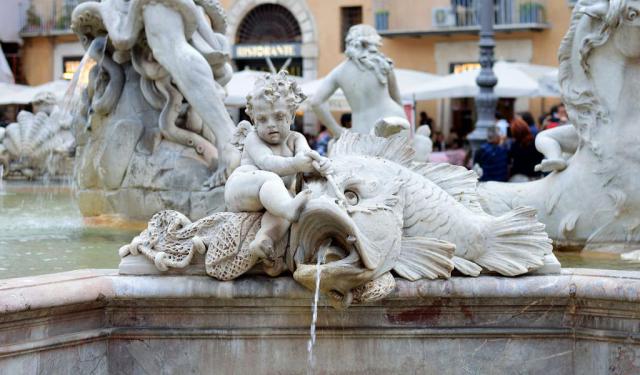
In Rome there is a lively piazza round almost every corner, each with its own unique atmosphere and its own story to tell. These public squares have been the center of Roman culture for centuries, and some of the city’s most popular attractions are located within them.
Most piazzas have a fountain in the center and a lot of cafes around. In fact, Rome holds the largest number of fountains in... view more
Tour Duration: 2 Hour(s)
Travel Distance: 4.1 Km or 2.5 Miles
Most piazzas have a fountain in the center and a lot of cafes around. In fact, Rome holds the largest number of fountains in... view more
Tour Duration: 2 Hour(s)
Travel Distance: 4.1 Km or 2.5 Miles
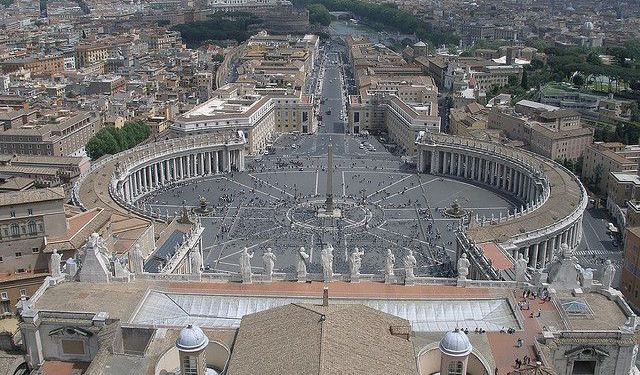
Vatican Walking Tour
Consisting of a walled enclave within the city of Rome, the Vatican is the world’s smallest sovereign state, as well as a symbol (and headquarters) of the Roman Catholic faith. Although only 44 hectares in surface, one is amazed by the vastness of this place and the sheer size of everything. When gazing around in all directions, you realize how much can be achieved by people working in faith for... view more
Tour Duration: 2 Hour(s)
Travel Distance: 3.4 Km or 2.1 Miles
Tour Duration: 2 Hour(s)
Travel Distance: 3.4 Km or 2.1 Miles
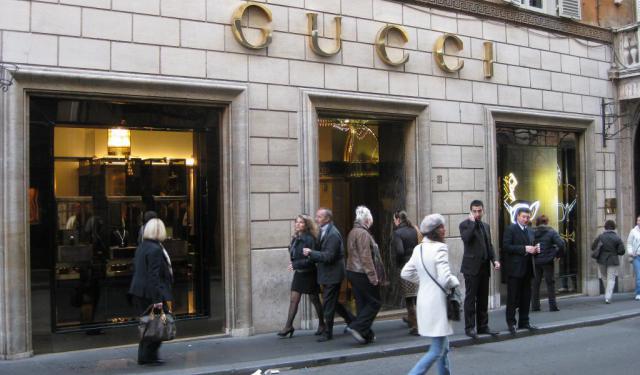
Rome Shopping Streets Walking Tour
Loved by tourists for its busy fashionable streets and significant baroque icons, the so-called ‘Tridente’ is one of the Eternal City's most lusted-after areas, formed by Via dei Condotti, Via Borgognona, Via Frattina and the adjacent Via del Corso. It is perhaps the most high-end destination for Roman shopping, with a concentration of renowned jewelers and important Italian/international... view more
Tour Duration: 2 Hour(s)
Travel Distance: 2.9 Km or 1.8 Miles
Tour Duration: 2 Hour(s)
Travel Distance: 2.9 Km or 1.8 Miles
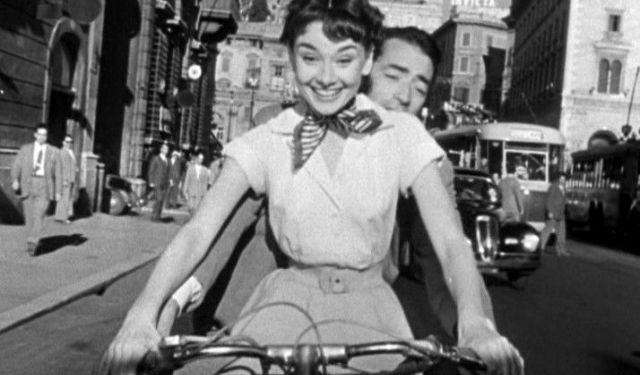
"Roman Holiday" Movie Walking Tour
Filmed entirely in the heart of Rome, Roman Holiday is one of those timeless films that beckons you to hop on a Vespa and lose yourself in the intoxicating beauty of the Italian capital. Released in 1953, this beloved classic has captured hearts across generations, thanks to its irresistible blend of romance, adventure, and charm-anchored by two of Hollywood’s brightest stars, Audrey Hepburn and... view more
Tour Duration: 4 Hour(s)
Travel Distance: 8.5 Km or 5.3 Miles
Tour Duration: 4 Hour(s)
Travel Distance: 8.5 Km or 5.3 Miles
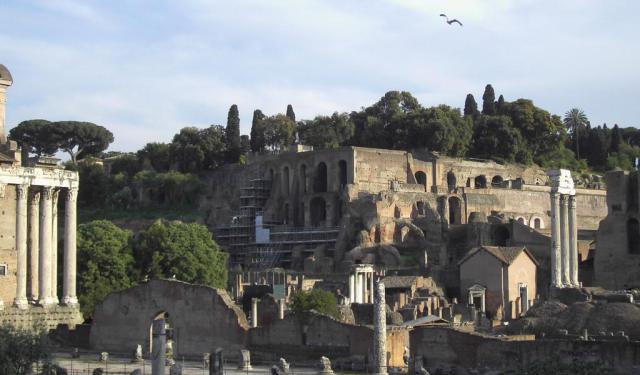
Palatine Hill Walking Tour
Palatine Hill - one of Rome’s legendary Seven Hills - is the most ancient part of the city. According to mythology (and a fair bit of archaeology backing it up), this is where the whole Roman saga began to unfold in the year 753 BC when young Romulus pointed dramatically at the hill and probably thought to himself: “Yes, this is the spot.” And just like that, a city that would eventually... view more
Tour Duration: 2 Hour(s)
Travel Distance: 2.6 Km or 1.6 Miles
Tour Duration: 2 Hour(s)
Travel Distance: 2.6 Km or 1.6 Miles
Useful Travel Guides for Planning Your Trip
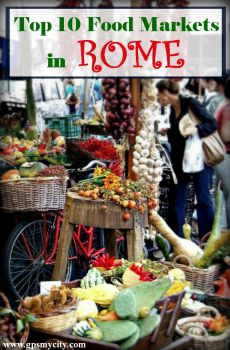
10 Best Food Markets in Rome Italy
Of all the things Italy is most famous for (cars, music, fashion, movies, etc.), food is, undoubtedly, top of the list. Rome may well not be the whole Italy, but no Italy is whole without Rome... And the Romans, much as all their fellow-Italians, like it "fresco", hence the abundance of...
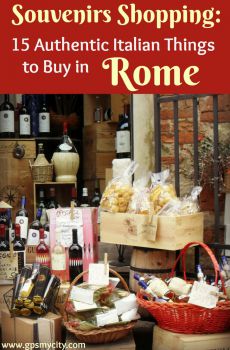
Souvenirs Shopping: 15 Authentic Italian Things To Buy in Rome
Rome is the Eternal City and, as such, the list of gift options available here is countless. Whether it's something edible, drinkable, wearable or pleasing to the eye that you want - you will find it all here in abundance. However, if time or budget is the factor, perhaps you might want to...
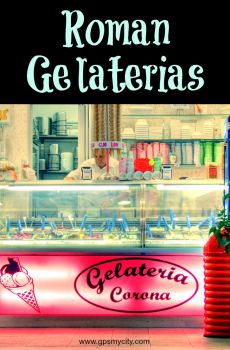
17 Best Gelaterias in Rome Italy
For ice cream lovers and dabblers this guide is a treasure chest of Rome’s best gelato shops. There are gelaterias everywhere. Many visitors to Rome only have a few days to explore the city. You owe it to yourself to make the most of your time and find the gelato locals eat. Often the authentic...
The Most Popular Cities
/ view all